


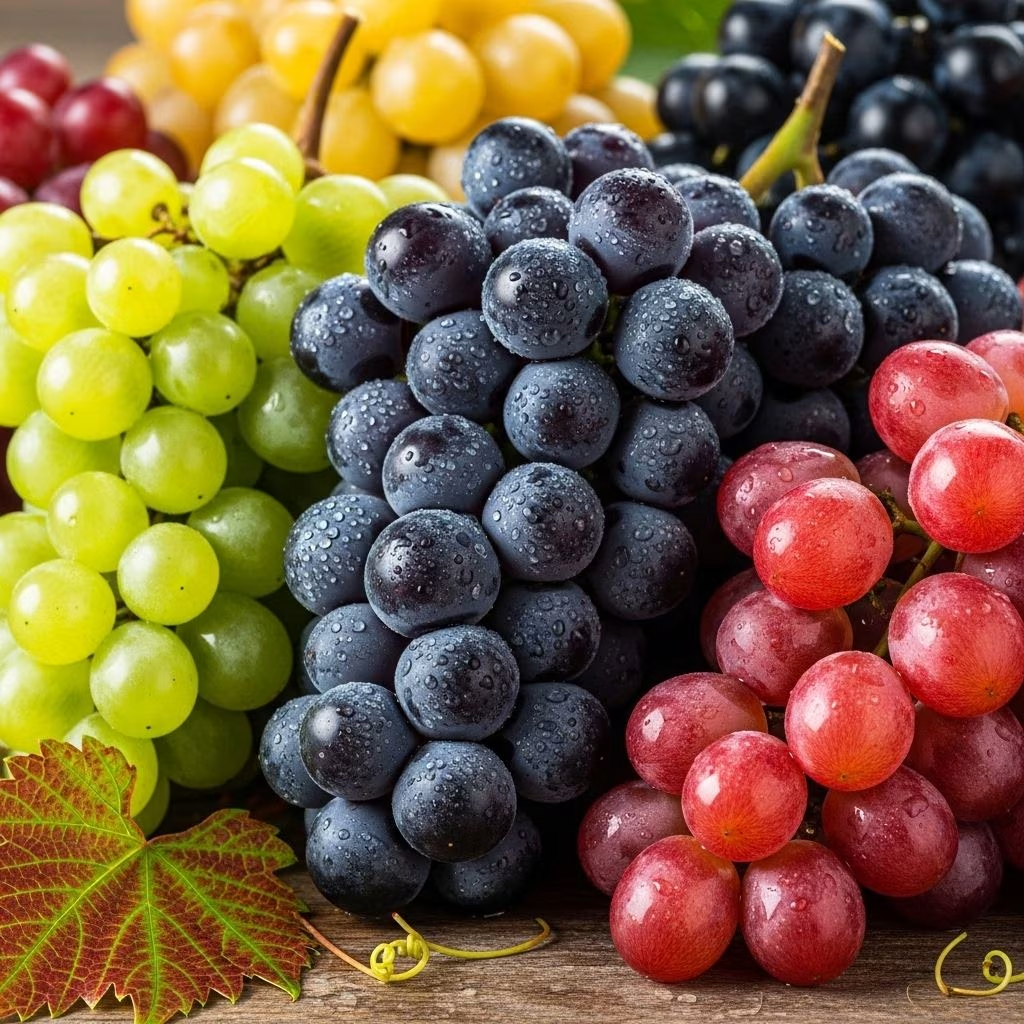
What Are Grapes?
Grapes are small, round or oval berries that grow in clusters on woody vines. They are widely recognized for their sweet or tart flavor, juiciness, and versatility in both culinary and beverage applications. Grapes belong to the genus Vitis, within the Vitaceae family, and are among the oldest cultivated fruits, with a history that spans thousands of years. They come in a variety of colors, including green, red, purple, and black, and can be eaten fresh, dried as raisins, or processed into juices, jams, and wines.
History and Origin of Grapes
The cultivation of grapes dates back to ancient civilizations, particularly in the Middle East, around present-day Georgia, Iran, and the Caucasus. Archaeological evidence suggests grape cultivation began in these regions as early as 6000 BCE. Grapes spread throughout Europe and Asia, and were later introduced to the Americas by European settlers. The Greek and Roman societies prized grapes for their wine-making potential, and today, Italy, France, Spain, the United States, Argentina, and Chile are among the largest producers globally.
The evolution of grape varieties over millennia has led to an impressive diversity, each adapted to specific climates and purposes, from table grapes to wine production.
Types and Varieties of Grapes
| Type | Color | Key Characteristics | Common Varieties |
|---|---|---|---|
| Table Grapes | Green, red, black | Sweet, juicy, thin skin, seedless or with seeds | Thompson Seedless, Flame Seedless, Red Globe |
| Wine Grapes | Green, red, purple, black | Thicker skins, higher sugar content, aromatic | Chardonnay, Cabernet Sauvignon, Merlot, Pinot Noir |
| Raisin Grapes | Green, gold, black | Small, sweet, seedless, suitable for drying | Sultana, Muscat |
There are thousands of grape varieties worldwide, each with unique flavors, textures, and growing requirements. Table grapes are typically enjoyed fresh, wine grapes are fermented for alcoholic beverages, and raisin grapes are dried to produce raisins, sultanas, and currants.
Nutritional Profile: What’s Inside a Grape?
- Calories: Low—about 69 calories per 100 grams
- Water Content: High—over 80% water, making them hydrating
- Carbohydrates: Primarily natural sugars (fructose and glucose)
- Fiber: Small amounts, aiding digestion
- Vitamins: Rich in Vitamin C and vitamin K; moderate in B vitamins
- Minerals: Potassium, calcium, magnesium, and iron
- Antioxidants: High in polyphenols, flavonoids, and resveratrol
Health Benefits of Grapes
Heart Health and Blood Pressure
The antioxidants, especially resveratrol and flavonoids, in grapes help reduce inflammation and prevent oxidative stress, which are linked to heart disease. Potassium in grapes also helps maintain healthy blood pressure levels by counteracting the effects of sodium.
Antioxidant and Anti-Inflammatory Properties
Polyphenols, including resveratrol, quercetin, and anthocyanins, protect cells from damage, slow aging, and may lower the risk of chronic diseases like cancer and diabetes.
Digestive Health
While grapes contain only small amounts of fiber, their water content helps prevent constipation. Raisins, the dried form, are a more concentrated source of dietary fiber.
Skin Health
Vitamin C and antioxidants support collagen production, promoting skin elasticity and reducing signs of aging.
Immune Support
Vitamin C boosts the immune system, helping the body fend off infections.
Cancer Prevention
Research suggests that the bioactive compounds in grapes, especially resveratrol, may help prevent certain cancers by inhibiting tumor growth and protecting DNA.
Culinary Uses of Grapes
Fresh Consumption
Grapes are a convenient, healthy snack, enjoyed as is or added to fruit salads. They can be frozen for a refreshing treat.
Juices and Smoothies
Grape juice is popular worldwide, both for its sweet flavor and nutritional content. Grapes blend well in smoothies with other fruits.
Dried Grapes: Raisins, Sultanas, and Currants
Dried grapes are used in baking, cereals, and trail mixes. They add sweetness and texture to breads, cookies, and granola bars.
Jams and Jellies
Grapes’ natural sugars and pectin make them ideal for preserves, jams, and jellies.
Wine and Vinegar
Wine grapes are fermented to produce various types of wine, from dry reds to sweet whites. Grape must is also the base for balsamic vinegar.
Cooking and Garnishing
Grapes add sweetness and acidity to salads, cheese plates, and roasted meats. They can be cooked into sauces or used as a garnish for desserts.
Taste Profile: What Do Grapes Taste Like?
Grapes are generally sweet to the taste, with varying degrees of tartness, depending on the variety. Table grapes are usually sweeter and less tannic than wine grapes, with a crisp, juicy texture. The skin can add a slight bitterness or tannic quality, especially in red and black varieties. Muscat grapes are known for their floral aroma, while Concord grapes have a distinct, bold, and slightly “grapey” flavor, often associated with grape juices and jellies.
Color and Flavor Variations
- Green Grapes: Crisp, sweet, and sometimes tart, with a refreshing finish (e.g., Thompson Seedless).
- Red Grapes: Balance of sweetness and acidity, often with berry-like undertones (e.g., Flame Seedless).
- Black/Purple Grapes: Deep, rich, and less acidic, sometimes with a musky or jammy note (e.g., Concord, Black Corinth).
How to Select and Store Grapes
Selecting Grapes
- Look for plump, firm grapes that are firmly attached to the stem.
- Avoid grapes with wrinkles, blemishes, or mold.
- Color should be even and vibrant (depending on variety).
Storing Grapes
- Keep grapes in the refrigerator in a perforated bag or container to maintain humidity.
- Wash just before eating to prevent spoilage.
- Stored properly, grapes can last up to two weeks.
Frequently Asked Questions
Are grapes good for weight loss?
Yes, grapes are low in calories, fat-free, and contain natural sugars, making them a healthy, satisfying snack that can help with weight management when eaten in moderation.
Can dogs eat grapes?
No, grapes and raisins are highly toxic to dogs and can cause kidney failure. Never feed grapes to dogs.
How many grapes should I eat per day?
There’s no strict rule, but a serving of about 1 cup (15–20 grapes) provides nutrients without excessive sugar. Moderation is key, especially for those monitoring blood sugar.
Are grapes better than raisins?
Fresh grapes contain more water and vitamin C, while raisins are a concentrated source of fiber and minerals. Both are healthy in appropriate portions.
Do grapes have seeds?
Traditional grape varieties have seeds, but many modern table grapes are seedless. Seedless varieties are easier to eat fresh, while seeded grapes are often used for juices, jams, and wines.
Are green or red grapes healthier?
Both are nutritious, but red and black grapes generally have higher levels of antioxidants like resveratrol. Green grapes are slightly higher in vitamin C.
Can I freeze grapes?
Yes, frozen grapes make a refreshing snack and can be added to smoothies or used to chill wine without diluting it.
What is the best way to enjoy grapes?
Fresh grapes are delicious as a snack, but also try them in salads, with cheese, or as a dessert topping. Explore grape-based products like jams, juices, and wines for variety.
Conclusion
Grapes are a versatile, nutrient-rich fruit with a rich cultural history and a global culinary presence. Whether enjoyed fresh, dried, or as part of wines and juices, grapes offer a range of health benefits, from heart and skin health to immune support. Their sweet, sometimes tart, always juicy flavor makes them a favorite among fruit lovers, while their long shelf life and easy preparation add to their appeal. With thousands of varieties, each offering unique flavors and textures, grapes are truly a fruit for every palate and purpose.
References
- https://uscitrus.com/blogs/citrus-delight-blog/the-ultimate-guide-to-the-different-types-of-grapefruit
- https://fruitguys.com/blog/grapefruit/
- https://www.harryanddavid.com/articles/food-drink/types-of-grapefruits
- https://extension.usu.edu/nutrition/research/grapefruit
- https://www.growveg.com/plants/us-and-canada/how-to-grow-grapefruit/
- https://snaped.fns.usda.gov/resources/nutrition-education-materials/seasonal-produce-guide/grapefruit
- https://thegreenurbanlunchbox.com/grape-fruit-guide/
- https://streetsmartnutrition.com/florida-grapefruit-nutrition-guide/
- https://www.halfyourplate.ca/blog/all-about-grapefruit/


