


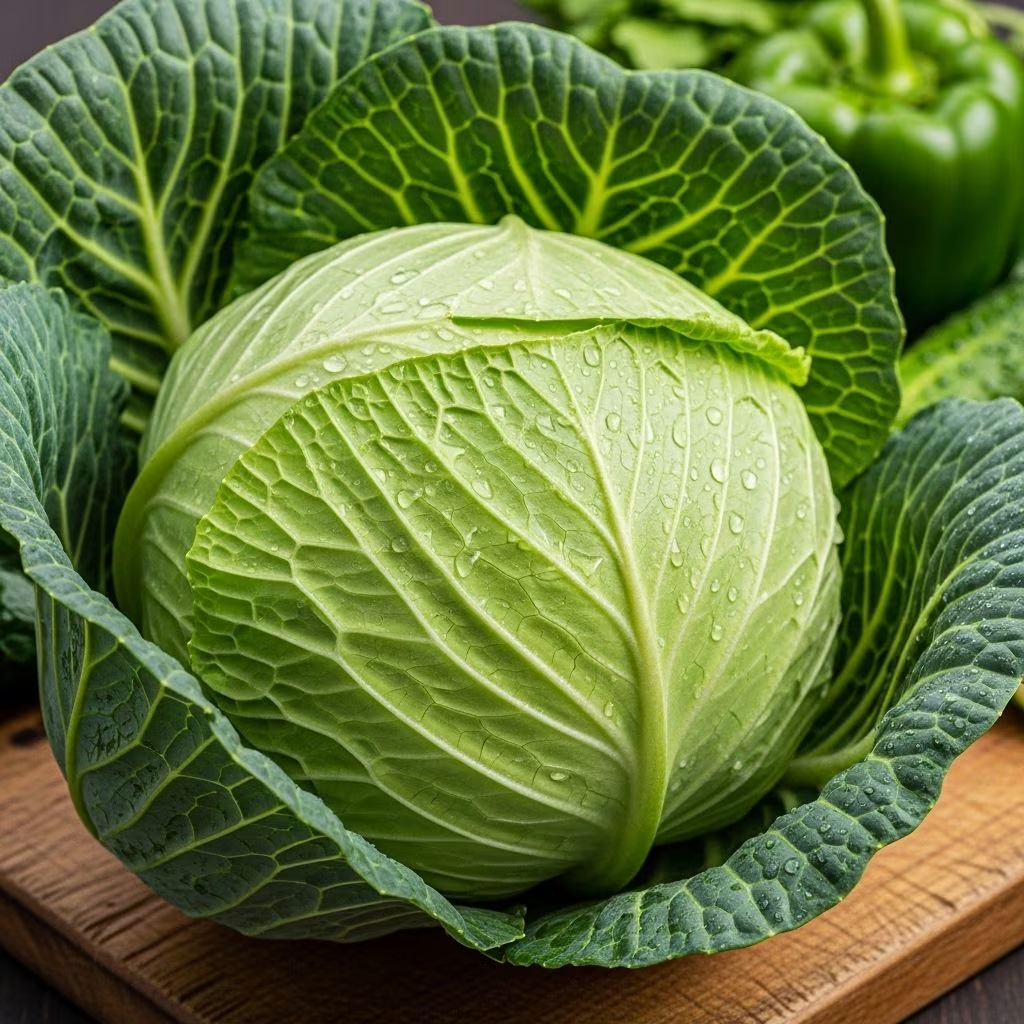
Green cabbage is one of the world’s most widely consumed leafy vegetables, celebrated for its crunchy texture, neutral to peppery flavor, and remarkable nutritional value. Whether eaten raw, cooked, or fermented, its versatility in the kitchen and health-boosting properties have made it a staple ingredient from Asian stir-fries to classic European coleslaws. This comprehensive guide explores what green cabbage is, its benefits, uses, taste profile, and much more—all backed by current nutritional science and culinary wisdom.
What Is Green Cabbage?
Green cabbage (Brassica oleracea var. capitata) is a leafy biennial plant belonging to the cruciferous vegetable family, which includes broccoli, kale, and Brussels sprouts. Distinct for its tightly packed pale green leaves that form a round or slightly oval head, green cabbage is grown globally and is a dietary cornerstone in cultures from Eastern Europe to Southeast Asia. Available year-round, it is valued not only for its mild taste and satisfying crunch, but also for its affordability and long shelf life.
Nutritional Profile of Green Cabbage
Green cabbage is celebrated for being densely packed with nutrients while remaining low in calories. Below is an overview of the main nutrients in a typical serving of raw green cabbage (1 cup, 89 grams):
| Nutrient | Amount per Cup (Raw) | % Daily Value |
|---|---|---|
| Calories | 22 | – |
| Protein | 1g | – |
| Fiber | 2g | – |
| Vitamin K | 56 mcg | 56% |
| Vitamin C | 32 mg | 36% |
| Folate | 38 mcg | 10% |
| Vitamin B6 | 0.1 mg | 6% |
| Manganese | 0.1 mg | 6% |
| Potassium | 151 mg | 3% |
| Calcium | 32 mg | 3% |
| Magnesium | 7 mg | 3% |
Green cabbage also contains small amounts of vitamin A, iron, riboflavin, and other micronutrients, along with powerful phytonutrients such as polyphenols, sulforaphane, and flavonoids like kaempferol and quercetin. These compounds are associated with significant health-protective effects.
Health Benefits of Green Cabbage
Green cabbage is not only a budget-friendly and versatile vegetable, but it is also a potent source of several nutrients that provide wide-ranging health benefits. Here are the main clinically supported advantages of including green cabbage in your diet:
1. Rich Source of Nutrients and Antioxidants
- High in vitamin C, which supports immune function and acts as a potent antioxidant, protecting your cells from free radical damage.
- Contains vitamin K, which is essential for healthy bones and proper blood clotting.
- Loaded with fiber (insoluble and soluble), supporting digestive health and feeding beneficial gut bacteria.
- Provides diverse phytonutrients and antioxidants, such as polyphenols and flavonoids.
2. Anti-Inflammatory Properties
- Cabbage contains antioxidant compounds, notably anthocyanins and sulforaphane, that are shown to help reduce inflammation within the body.
- Chronic inflammation is linked to a range of diseases, and studies suggest cruciferous vegetables may lower inflammation markers.
3. Supports Digestive Health
- The abundant fiber in green cabbage helps maintain regular bowel movements, preventing constipation and supporting colon health.
- Soluble fiber acts as a prebiotic, fueling healthy gut bacteria which enhances immune function.
- Fermented cabbage (such as in sauerkraut or kimchi) supplies probiotics for even greater digestive and immune benefits.
4. Cardiovascular Health
- Potassium content helps regulate blood pressure, reducing heart disease risk.
- Soluble fiber and phytosterols compete with cholesterol absorption, potentially lowering LDL (“bad”) cholesterol levels.
- Anthocyanins, though more abundant in red cabbage, are still present and have been linked to reduced cardiovascular disease risk.
5. Immune Boosting
- Vitamin C and other antioxidants enhance immune responses to infections and reduce cell damage.
- Fermented cabbage dishes add probiotics that further boost immune barrier functions.
6. Bone Health
- High vitamin K content in green cabbage helps support bone density and reduce the risk of osteoporosis.
7. Weight Management
- Low calorie and high fiber content help promote fullness, making cabbage a smart addition to weight-conscious meal plans.
Culinary Uses of Green Cabbage
Green cabbage’s versatility in the kitchen is nearly unmatched. Its mild flavor profile and sturdy leaves make it adaptable to a wide range of cooking techniques and cuisines. Here are some of the top uses:
- Raw: Shredded in salads and slaws for crunch and freshness.
- Steamed or Boiled: Leaves become tender; used in rolls or side dishes.
- Stir-fried: Sliced and sautéed with garlic, ginger, and soy sauce in Asian-inspired dishes.
- Fermented: Essential ingredient in sauerkraut and Korean kimchi, providing punchy tang and probiotics.
- Soups and Stews: Adds volume, nutrients, and natural sweetness to broths, borscht, and hearty dishes.
- Baked or Roasted: Caramelizes in the oven, deepening its sweetness and nutty flavors.
- Stuffed: Whole leaves used to encase seasoned ground meats and grains in European classics like stuffed cabbage rolls.
- Wraps: Use blanched cabbage leaves as a low-carb alternative to tortillas or sandwich wraps.
Sample Dishes Featuring Green Cabbage
- Creamy coleslaw with carrots and a yogurt or mayonnaise-based dressing
- Stir-fried green cabbage with chili, garlic, and sesame oil
- Traditional Eastern European cabbage rolls filled with rice and beef
- Homemade sauerkraut or kimchi for probiotic benefits
- Cabbage soup with potatoes and carrots
- Simple roasted cabbage wedges with olive oil and cracked black pepper
Taste Profile of Green Cabbage
Green cabbage is characterized by a mild, slightly peppery flavor when eaten raw. As it cooks, the flavors become sweeter and less pungent, with roasted or caramelized cabbage developing a nutty undertone. The texture is crisp and juicy in raw applications, but softens to silky or tender when cooked. Fermentation transforms its taste further, introducing sour, tangy, and complex umami notes—making it a favorite in pickled preparations worldwide.
| Preparation Method | Taste Character | Texture |
|---|---|---|
| Raw | Crisp, mildly peppery, fresh | Crunchy, juicy |
| Steamed/Boiled | Mild, slightly sweet | Tender, soft |
| Roasted/Baked | Sweet, nutty, caramelized | Soft, slightly crispy edges |
| Fermented | Sour, tangy, umami | Crunchy, pliable |
Selecting and Storing Green Cabbage
Keep these tips in mind when choosing and storing green cabbage:
- Selection: Look for heads that are compact, firm, and heavy for their size. Outer leaves should be crisp and free from blemishes or browning.
- Storage: Whole green cabbages keep well in the crisper drawer of your refrigerator for up to two weeks. Once cut, wrap tightly in plastic or store in an airtight container for up to several days.
- Preparation: Before use, remove wilted exterior leaves, rinse well, and trim the core as needed.
Preparation and Cooking Tips
- For salads or slaws, thinly slice or shred cabbage and combine with vinegar- or mayonnaise-based dressings.
- Blanch leaves for wraps or rolls by boiling them quickly, then cooling in ice water.
- Sauté sliced cabbage with onions, apples, or spices for flavorful side dishes.
- Roast thick wedges or shreds in a hot oven for caramelized, tender results.
- To ferment: slice cabbage, salt it, and pack tightly in a clean jar or crock for several days to weeks, depending on the recipe and desired sourness.
- To retain vitamin C, avoid overcooking, as heat can degrade this delicate nutrient.
Potential Concerns and Considerations
- Goitrogens: Like other cruciferous vegetables, raw cabbage contains substances that may interfere with thyroid function in susceptible individuals. Cooking reduces these compounds.
- Digestive Sensitivity: High fiber content can cause gas or bloating in some people, especially when consumed in large quantities or raw.
- Medication Interactions: High vitamin K levels can interact with blood-thinning medications (such as warfarin). Consult a healthcare provider if you are on such medications.
- Food Safety: Practice proper fermentation techniques and store leftovers promptly to reduce the risk of spoilage.
Frequently Asked Questions (FAQs)
Q: Is it better to eat green cabbage raw or cooked?
A: Both forms offer unique benefits. Raw cabbage preserves vitamin C and crunch, while cooking can increase digestibility and make some antioxidants more bioavailable. A diverse diet can include both.
Q: How does green cabbage differ from red cabbage or Savoy cabbage?
A: Green cabbage is milder in flavor compared to the slightly peppery red cabbage, which also contains more anthocyanin antioxidants. Savoy cabbage is known for its crinkled leaves and tender texture. All provide robust nutrition.
Q: Can green cabbage help with weight loss?
A: Yes. Its low calorie count, high fiber, and water content help increase satiety, making it easier to control calorie intake when included in meals.
Q: Are the stems and cores edible?
A: The core and thicker stems can be eaten, though they are denser and less tender. They can be cooked longer or added to stocks and broths for flavor.
Q: What is the best way to store leftover cooked cabbage?
A: Place cooled, cooked cabbage in an airtight container and refrigerate. Use within 3–5 days for best quality and food safety.
Key Takeaways
- Green cabbage offers impressive nutrition—rich in vitamins C and K, fiber, and plant phytonutrients.
- It supports digestive, immune, heart, and bone health, and may help reduce inflammation.
- Extremely adaptable, green cabbage shines in salads, stir-fries, stews, ferments, and much more.
- Its taste ranges from crisp and mildly peppery to sweet, nutty, or tangy, depending on how it’s prepared.
- Proper selection, storage, and cooking can maximize both flavor and nutrition.
References
- https://www.healthline.com/nutrition/benefits-of-cabbage
- https://health.clevelandclinic.org/benefits-of-cabbage
- https://www.medicalnewstoday.com/articles/284823
- https://www.webmd.com/food-recipes/ss/slideshow-cabbage-benefits
- https://www.hitchcockfarms.com/blog/napa-cabbage-health-benefits
- https://alabamaageline.gov/wp-content/uploads/2023/01/Cabbage.pdf
- https://pmc.ncbi.nlm.nih.gov/articles/PMC8228718/


