


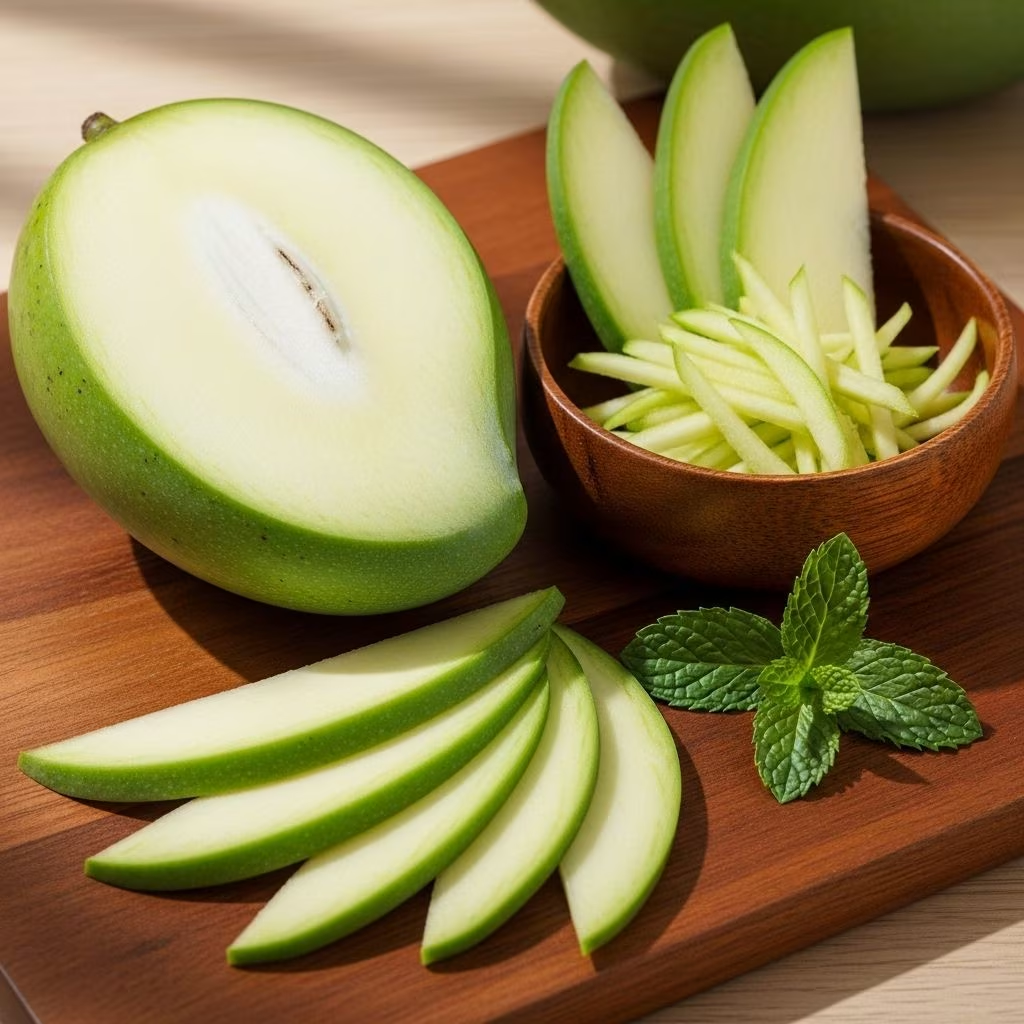
Green mango, known for its vibrant tartness and crisp texture, is a staple ingredient in many tropical cuisines and celebrated for both its nutritional value and versatile applications. This article offers an in-depth look at green mango—its defining characteristics, health benefits, culinary uses, flavor, and much more.
Introduction to Green Mango
Green mango refers to the unripe form of the mango fruit (Mangifera indica), harvested before it matures and develops its characteristic sweet taste. Unlike its ripe, golden-yellow counterpart, green mango is known for its firm flesh, vivid green skin, and sharp, tangy flavor, replete with a refreshing crispness that is prized in a variety of dishes. Mango trees, native to South Asia, now thrive across tropical and subtropical regions worldwide, making green mangoes a common sight in markets from India to Brazil to the Philippines.
Characteristics of Green Mango
Green mangoes display unique physical and botanical features that distinguish them from their ripe versions and other fruits:
- Color & Skin: The skin remains bright to dark green, often smooth and waxy, gradually changing hue only as ripening begins. The shade of green may vary by variety and region.
- Shape & Size: Green mangoes can be oval, round, heart-shaped, or kidney-shaped, typically measuring 8–12 cm in length but sometimes up to 30 cm depending on the cultivar. Weight also varies broadly—usually from less than 200 grams up to 2 kg.
- Flesh: The inner flesh is pale yellowish to light green, crisp, juicy, and considerably firmer than ripe mango flesh. It is less fibrous and lacks the syrupy texture seen in mature fruit.
- Seed: Like all mangoes, the green fruit encases a large, flat, inedible stone or pit.
- Fragrance: Compared to ripe mangoes, green mangoes have a mild aroma, which becomes more prominent and sweet as the fruit ripens.
Nutritional Profile
Green mangoes are rich in essential nutrients, especially Vitamin C, Vitamin A, dietary fiber, and various antioxidants. The nutritional content varies slightly across mango varieties and production stages, but in general:
- Vitamin C: Green mangoes are particularly high in ascorbic acid (Vitamin C), often exceeding the concentration found in ripe mangoes.
- Vitamin A: Provides beta-carotene, important for skin and vision health.
- Antioxidants: Abundant in chlorophyll, polyphenols, and other plant compounds that provide free-radical-fighting properties.
- Dietary Fiber: Significant levels, especially in the skin and less processed preparations.
- Minerals: Source of potassium, magnesium, calcium, and iron.
- Other Nutrients: Includes a range of amino acids and phytochemicals such as pectins and cellulose, contributing to digestive health.
| Nutrient | Amount |
|---|---|
| Calories | ≈ 60 kcal |
| Vitamin C | ~60 mg |
| Vitamin A (as Beta-carotene) | 120–200 IU |
| Fiber | 1.8–2.2 g |
| Potassium | 150–170 mg |
| Magnesium | 10–15 mg |
Note: Exact values depend on variety, growing conditions, and degree of ripeness.
Health Benefits of Green Mango
Green mangoes hold several health-promoting properties, attributed mainly to their high concentrations of vitamins, antioxidants, and organic acids:
- Supports Immunity: The high Vitamin C content helps boost the immune system and supports healthy skin and tissue repair.
- Protects Against Oxidative Stress: Polyphenols and chlorophylls have antioxidant effects, which may reduce the risk of chronic diseases.
- Aids Digestion: The tart acids in green mango stimulate salivary secretion and digestive enzyme production, potentially aiding in digestion and appetite.
- Improves Liver Health: Traditional medicine has long used green mango to support and cleanse the liver by promoting bile secretion and removing harmful bacteria and toxins from the digestive tract.
- Prevents Dehydration: In tropical regions, green mango is consumed to prevent heat stroke and dehydration due to its rehydrating, cooling effect when prepared with salt and water.
- Good for Healthy Skin: Its antioxidants combat free radicals associated with premature aging and may help manage acne and other skin issues.
Caution: Excessive consumption may lead to indigestion or throat irritation; moderation is key, and cold water should not be consumed immediately after eating green mango to avoid sap-related irritation.
Culinary Uses of Green Mango
Green mango’s crisp texture and sharp sour flavor make it a prized ingredient in many world cuisines, particularly in South and Southeast Asia. Here’s how it is commonly used:
- Salads: Sliced or julienned green mango is central to salads such as Thai Som Tum Mamuang (green mango salad) and Indian Kacche Aam Ka Salad, providing crunch and tang.
- Pickles and Chutneys: The most famous use is in pickles—Indian aam ka achar or Filipino burong mangga—and chutneys, where it is mixed with spices, salt, and sometimes sugar for long shelf-life and robust flavor.
- Chutneys and Sauces: Green mango chutney is a condiment staple, blending shredded fruit with chili, ginger, and sweetener.
- Dried Snacks: Green mango can be sun-dried and sold as tangy slices or ground into powder for seasoning (amchur powder in Indian cuisine).
- Curry Bases and Cooking: Sliced green mango is added to curries and stews for acidity and depth, a common practice in Kerala and coastal cuisines.
- Refreshing Drinks: In North India, green mango is made into Aam Panna, a cooling summer drink with mint, cumin, and black salt.
- Raw Snacks: Simply sliced and dipped in chili-salt or eaten plain for a refreshing, mouth-puckering snack, beloved in Mexico, the Philippines, and beyond.
Note: While the flesh is commonly used, the seed kernel of green mango is inedible and should not be consumed.
Taste Profile and Texture
Green mango is famed for its distinct flavor experience, very different from that of ripe mango.
- Sourness: The defining trait—intensely tart, with a clean, acidic bite that evokes green apples or limes.
- Astringency: A slight astringent sensation, especially when eaten unseasoned, which can leave the mouth feeling dry and puckered.
- Crispness: Firm, snappy texture, which makes it ideal for salads and pickles.
- Subtle Sweetness: Some varieties have faint underlying sweetness, more apparent as the fruit matures, but never overpowering.
- Fragrant Notes: Mild, grassy or herbal aroma, which intensifies with ripening.
The flavor is best described as bright, zesty, and invigorating, offering a refreshing contrast to spicy, sweet, or fatty foods.
Selection and Storage Tips
- Selection: Choose green mangoes that are heavy for their size, blemish-free, firm to the touch, and with an evenly colored green skin. Avoid fruit that is wrinkled or starting to yellow unless partial ripeness is desired.
- Storage: Store in a cool, dry place if planning to use within a few days. For longer storage, refrigerate. Keep away from ethylene-producing fruits to slow ripening.
- Preparation: Rinse thoroughly, peel if desired, and slice as needed. Latex sap released from the cut stem or skin may cause irritation to sensitive skin.
Potential Side Effects & Precautions
- Throat & Digestive Irritation: Overconsumption of green mango, especially on an empty stomach, may cause throat irritation, dysentery, or abdominal upset.
- Latex Sensitivity: The sap can be an irritant to some; use caution when handling and wash thoroughly.
- Allergic Reactions: Rare, but possible in mango-sensitive individuals due to urushiol-like compounds in mango sap and peel.
- Moderation: It is generally advised to consume no more than one whole green mango per day.
Frequently Asked Questions (FAQs)
Q: Is green mango the same as unripe mango?
A: Yes. Green mango refers to the unripe stage of the mango fruit. It retains its green skin and firm, tart flesh until it matures and turns yellow, orange, red, or purple, depending on the variety.
Q: Is green mango good for health?
A: Yes, it is high in vitamin C, antioxidants, and fiber, offering digestive, liver, and immune support. However, moderation is key as excess consumption can irritate the throat or stomach in sensitive people.
Q: How do you eat green mango?
A: Green mango can be sliced and eaten raw with salt or chili powder, shredded for salads, pickled, cooked into chutneys, or added to curries for tang. In India and Southeast Asia, numerous recipes include green mango as a star ingredient.
Q: Can you cook with green mango?
A: Absolutely. Green mango is used in savory preparations such as chutneys, pickles, curries, and sauces thanks to its distinctive sourness and crunchy texture.
Q: How is green mango different from ripe mango?
A: Green mango is unripe, tart, and crisp; ripe mango is sweet, juicy, fragrant, and soft. The nutrient profile shifts with ripening—Vitamin C is higher in green mango, while Vitamin A and sugars increase as the fruit ripens.
Conclusion
Green mango is a culinary and nutritional gem—a burst of tart flavor and vitamins amid the tropical bounty. Its versatility shines from pickles to salads to thirst-quenching drinks, while the health benefits make it a wise addition to the diet when enjoyed sensibly. Whether you are exploring new flavors or recreating traditional dishes, green mango offers a distinctive, invigorating twist to every plate.
References
- https://brainly.ph/question/15747206
- https://plants.usda.gov/DocumentLibrary/plantguide/pdf/cs_main3.pdf
- https://sweetgum.nybg.org/science/the-hand-lens/explore/narratives-details/?irn=7723
- https://en.wikipedia.org/wiki/Mango
- https://pmc.ncbi.nlm.nih.gov/articles/PMC6807195/
- https://specialtyproduce.com/produce/Raw_Mangoes_12568.php
- https://pmfme.mofpi.gov.in/pmfme/newsletters/enewsmay5.html
- https://www.healthline.com/nutrition/mango
- https://www.wifss.ucdavis.edu/wp-content/uploads/2016/10/Mangos_PDF.pdf


