


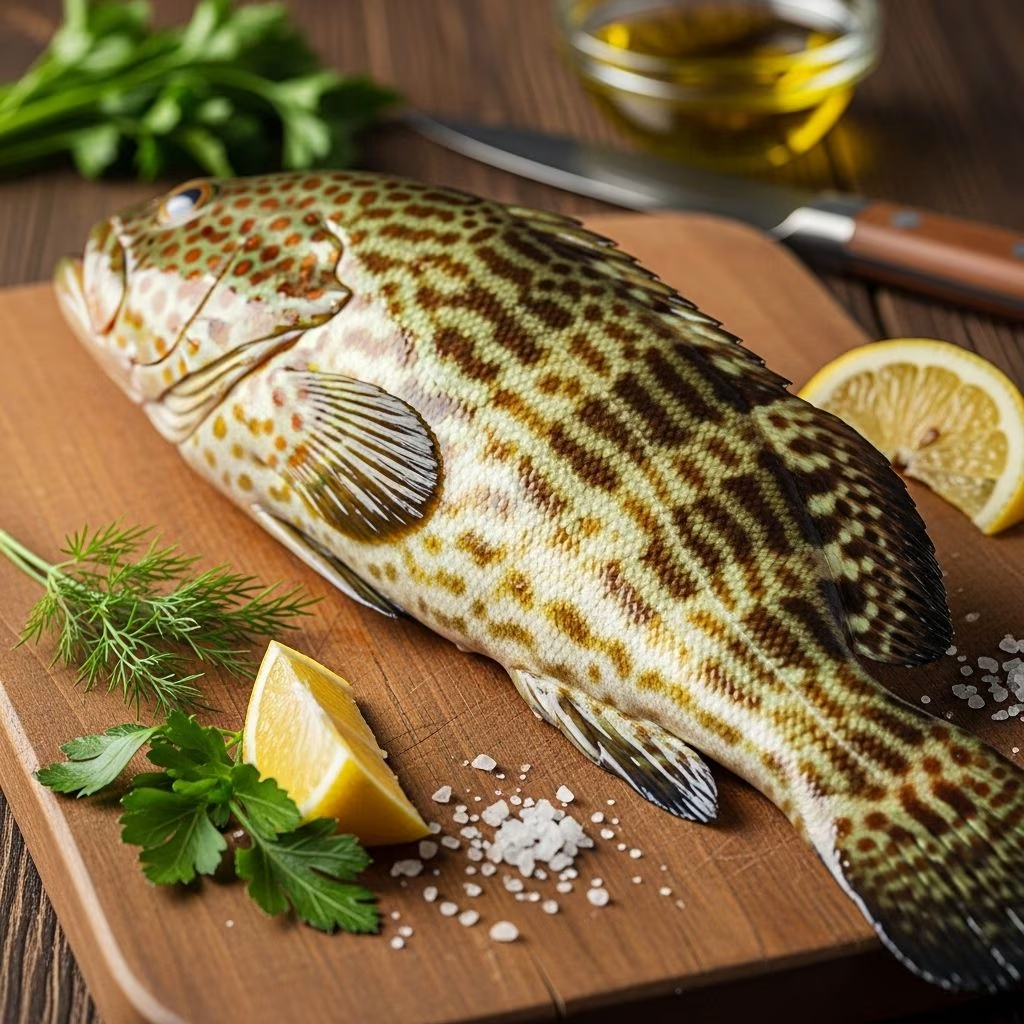
Grouper fish, known for their stout bodies, large mouths, and remarkable variety, are a culinary and ecological marvel. Valued by chefs, health enthusiasts, and marine biologists alike, groupers play an essential role in tropical and subtropical oceanic ecosystems while gracing tables worldwide with their mild, succulent flesh. This article offers an authoritative, in-depth exploration of grouper—from its diverse species and health benefits to its culinary uses and distinct taste profiles.
What Is Grouper?
Grouper refers to a group of fish comprised predominantly of species in the Epinephelinae subfamily—a branch of the broader Serranidae family. These marine fish are noted for their robust, muscular bodies, wide mouths, and an ability to generate a powerful suction that draws in unsuspecting prey. Most groupers grow to impressive sizes, with some species weighing over 800 pounds and reaching lengths of nearly eight feet.
- Large, stout bodies and round or almond-shaped heads
- Heavy-set jaws with relatively small marginal teeth but powerful pharyngeal tooth plates—used for crushing prey
- Over 160 species recognized worldwide
Variety of Grouper Species
The grouper family boasts remarkable diversity, from the diminutive graysby to the colossal goliath grouper. Here is an overview of notable species:
| Species | Average Size | Key Features | Range |
|---|---|---|---|
| Banded Grouper (Epinephelus amblycephalus) | Up to 20 in (50 cm) | Distinct vertical bands, rounded fins, pale gray to brown with dark streaks | Tropical Indo-Pacific reefs |
| Goliath Grouper (Epinephelus itajara) | Up to 8 ft (2.4 m); 800 lbs (360 kg) | Largest known grouper species; slow movement, massive bulk | Western Atlantic, Caribbean |
| Nassau Grouper (Epinephelus striatus) | Moderate (1–3 ft) | Light beige color with dark vertical bars, robust body | Tropical reefs, Caribbean, Western Atlantic |
| Graysby (Cephalopholis fulva) | Up to 8 in (20 cm) | Small, colorful; brown/red/orange with distinctive spots | Caribbean and subtropical reefs |
| Black Grouper (Mycteroperca bonaci) | Commonly 2–4 ft; up to 124 lbs (56 kg) | Spotted sides; highly sought after by anglers | Western Atlantic, Gulf of Mexico |
This diversity not only illustrates their ecological adaptability but shapes the culinary and conservation significance of groupers worldwide.
Habitat and Behavior
Groupers are predominantly found in warmer waters with preferences for coral reefs, rocky outcroppings, shipwrecks, and seagrass beds. They thrive in both shallow and deep marine habitats—some species inhabit depths up to 600 feet.
- Prefer sheltered environments such as crevices, caves, or coral heads
- Use their mouths to excavate shelters in sand or beneath rocks
- Ambush predation: remain hidden, launching sudden attacks on passing prey
The behavior of groupers is defined by their predatory instincts. With powerful jaws and vacuum-like suction, they capture and swallow prey whole—primarily smaller fish, crustaceans, and cephalopods.
Some species, like the roving coralgroupers, have been documented collaborating with other predators such as moray eels to optimize hunting—a fascinating example of interspecies cooperation.
Nutritional & Health Benefits of Grouper
Grouper is not only valued for its taste and versatility but also for its nutrition:
- Low in Saturated Fat: Grouper is notably lean—beneficial for heart health and weight management.
- High-Quality Protein: Provides all essential amino acids for muscle maintenance and growth.
- Rich in Micronutrients: Contains significant levels of potassium, magnesium, selenium, and B vitamins (notably niacin, B6, B12).
- Omega-3 Fatty Acids: Though lower than in fatty fish like salmon, grouper still supplies omega-3s crucial for cardiovascular and cognitive functions.
- Low Mercury (in many species): Certain species, particularly younger and smaller groupers, have relatively low mercury levels compared to larger predators. However, caution is advised with some large species, such as goliath grouper, which may bioaccumulate toxins over time.
Eating grouper supports:
- Heart health due to omega-3s, potassium, and low saturated fat
- Immune system support from selenium and antioxidants
- Muscle and tissue repair owing to high-quality protein
- Cognitive and metabolic support through B vitamins
Culinary Uses of Grouper
Grouper’s mild, delicate flavor and firm-yet-flaky texture make it a prized ingredient across global cuisines. It is considered a chef’s fish because of its versatility:
- Grilling: Grouper’s substantial flesh holds up well to high heat, perfect for grilling with marinades or simple seasonings.
- Baking & Roasting: Whole or filleted grouper can be baked with herbs, vegetables, and citrus for a moist, aromatic dish.
- Frying: Classic southern recipes frequently feature grouper in battered or breadcrumb-coated preparations, such as fish and chips or sandwiches.
- Ceviche & Sashimi: High-quality, ultra-fresh grouper is sometimes prepared raw or lightly cured in ceviche, especially in regions where local health recommendations permit.
- Soups & Stews: Common in Caribbean, Mediterranean, and Asian cuisines; adds body and depth to chowders, curries, and broths.
Its subtle sweetness means grouper pairs exceptionally well with light sauces, fresh herbs, and citrus accoutrements.
Taste Profile of Grouper
The appeal of grouper in the kitchen stems from its taste and texture:
- Mild, clean flavor: Not fishy; suited to a variety of palates.
- Lightly sweet undertone: Characteristic of fresh, high-quality white fish.
- Firm, yet moist and flaky texture: Holds together well during cooking while remaining tender.
- Adaptable to flavors: Absorbs marinades and seasonings without overpowering natural flavors.
Comparison of taste among select grouper types:
| Species | Texture | Taste Notes | Ideal Cooking Methods |
|---|---|---|---|
| Black Grouper | Firm, flaky | Mild, slightly sweet | Grilling, baking, frying |
| Red Grouper | Flaky, moist | Slightly richer, mild flavor | Grilling, roasting, stewing |
| Goliath Grouper | Dense, meaty | Rich, can be strong | Braising, stews, soups |
Grouper’s flavor is often compared to halibut or sea bass but with a slightly firmer bite. It is a favored substitute for other white fish in recipes due to its reliability and minimal preparation requirements.
Grouper vs. Other Popular Fish
| Fish | Texture | Flavor Profile | Cooking Uses |
|---|---|---|---|
| Grouper | Firm, moist, flaky | Mild, subtly sweet | Grill, bake, fry, soup |
| Cod | White, flaky | Mild, clean | Bake, fry, sautée |
| Halibut | Dense, flaky | Mild, slightly sweet | Grill, roast, broil |
| Snapper | Moist, tender | Slightly firmer, semi-sweet | Bake, fry, steam |
Grouper’s outstanding versatility and agreeable flavor profile make it a popular choice for recipes where a firm, mild fish is desired.
Sustainability and Conservation
Conservation status varies by species, with some groupers under threat from overfishing due to slow growth, late sexual maturity, and heavy fishing pressure. Responsible consumption is encouraged:
- Seek sustainably sourced products—look for certifications from organizations like the Marine Stewardship Council (MSC).
- Familiarize yourself with regional fishing regulations that protect threatened species such as the Nassau grouper.
- Support conservation efforts to preserve grouper habitats, given their role as apex predators in reef ecosystems.
Some grouper species, like the Nassau and goliath groupers, have undergone significant population decline, leading to fishery restrictions and conservation programs.
Frequently Asked Questions (FAQs)
Q: What makes grouper different from other white fish?
A: Grouper stands out for its unique combination of firm texture, subtle sweetness, and clean, mild taste. Unlike flakier or softer white fish, grouper can withstand grilling and roasting without falling apart. Its flavor is less pronounced, making it ideal for various culinary applications.
Q: Is grouper a healthy fish to eat?
A: Yes, grouper is considered healthy due to its low fat, high protein, essential micronutrients, and omega-3 content. However, some large species can accumulate mercury, so responsible sourcing and moderation are recommended.
Q: Are all grouper species edible?
A: Most grouper species are edible and sought after for their culinary qualities. However, certain species or large, older individuals may contain higher levels of mercury or ciguatera toxin, so consult local guidelines when buying or catching grouper.
Q: Can grouper be eaten raw?
A: If harvested and handled properly, some grouper species can be used in sashimi or ceviche. Always ensure freshness and check local advisories about parasite or toxin risks before consuming raw.
Q: How do I choose fresh grouper?
A: Look for moist, translucent white or pinkish flesh that gives slightly under pressure and smells clean—not fishy or ammonia-like. The skin, if present, should appear shiny and taut.
Conclusion
Grouper is more than a culinary delicacy; it is an ecological pillar of tropical and subtropical reefs. With outstanding health benefits, broad culinary adaptability, and a flavor profile beloved by chefs, grouper remains a top seafood choice. By choosing sustainably harvested grouper, consumers can support marine biodiversity and ensure the continued enjoyment of this oceanic treasure.
References
- https://www.floridamuseum.ufl.edu/discover-fish/species-profiles/banded-grouper/
- https://www.bristolaquarium.co.uk/education/10-great-facts-about-groupers/
- https://en.wikipedia.org/wiki/Grouper
- https://www.fisheries.noaa.gov/species/nassau-grouper
- https://fishingbooker.com/blog/types-of-grouper-in-florida/
- https://seaworld.org/animals/facts/bony-fish/groupers/
- https://www.originaldiving.com/blog/top-ten-grouper-facts
- https://captain-nate.com/florida-grouper/


