


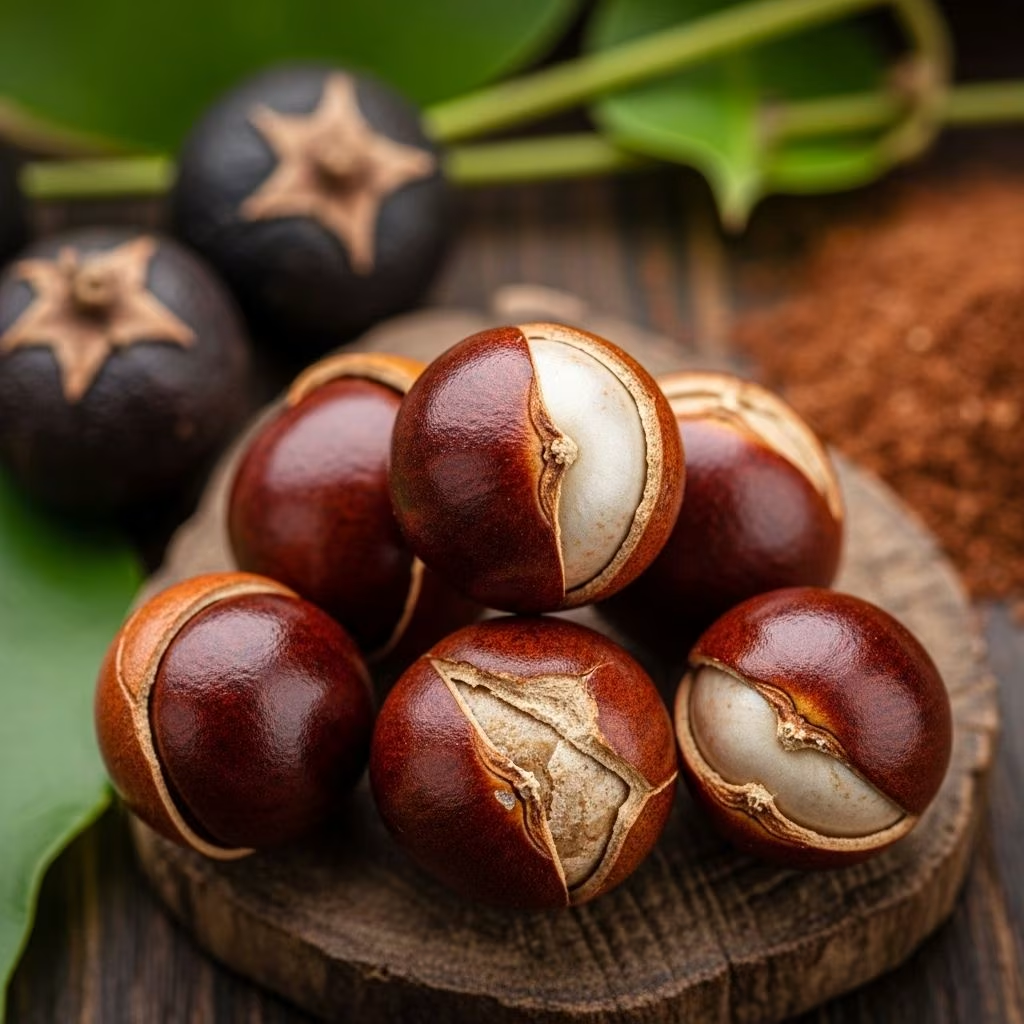
Guarana seed, derived from the Paullinia cupana plant native to the Amazon basin, is a treasured natural resource known for its potent stimulating properties and unique flavor. Revered by indigenous communities for centuries, guarana has gained global recognition as an ingredient in energy drinks, supplements, and even culinary creations. This comprehensive guide explores the botanical origins, nutritional profile, health benefits, traditional uses, safety considerations, and the distinctive taste of guarana seed.
Introduction: The Origins and Cultural Significance of Guarana
Guarana comes from the climbing plant Paullinia cupana, indigenous to the lush Amazonian forests of Brazil and neighboring South American countries. In local Amazonian cultures, guarana has been utilized for centuries as both a food and medicine, playing a crucial role in rituals, social gatherings, and traditional healing practices. Its seeds were typically dried and ground into a powder to make invigorating beverages prized for promoting stamina, alertness, and overall vitality.
The fruit of guarana is visually striking, with a reddish-orange peel splitting open to reveal a glossy black seed partially covered by a white aril—an appearance reminiscent of a human eye. This imagery is woven into the mythology of the Sateré-Mawé people, who first domesticated the crop.
Botanical Description and Nutrient Profile
The guarana plant is a woody perennial climbing vine in the Sapindaceae family, growing in clusters much like grapes. Its fruit is small, reddish to brown in color, and each pod contains a single large black seed enveloped by a white aril. The seeds are the source of guarana’s celebrated stimulating properties.
| Component | Estimated Content |
|---|---|
| Caffeine | 3.6 – 5.8% (Some reports: 2–8%) |
| Proteins | Up to 10% |
| Fats and Oils | ~3–6% |
| Starch (Carbohydrates) | ~50–60% |
| Tannins | Up to 12% |
| Other Alkaloids (e.g., theobromine, theophylline) | Trace (much lower than caffeine) |
| Polyphenols (e.g., catechins, epicatechin) | Significant amounts |
While caffeine is the most prominent and impactful compound, guarana also contains proteins, dietary fibers, natural fats, tannins, saponins, and a distinctive blend of polyphenols and alkaloids.
Active Compounds in Guarana Seeds
Guarana’s physiological effects are primarily driven by its high content of alkaloids and polyphenols:
- Caffeine/Guaranine: At 3.6 to 5.8%—up to four to six times the amount found in coffee beans—guarana is an exceptionally potent natural source of caffeine, often labeled as “guaranine” in older literature.
- Theobromine: Similar in function to that in chocolate, this alkaloid provides mild stimulation and a slight diuretic effect.
- Theophylline: Present in smaller quantities, it works synergistically with caffeine to stimulate the central nervous and respiratory systems.
- Tannins: These contribute to guarana’s bitter astringent taste and may influence its absorption rate, resulting in more sustained stimulant effects.
- Polyphenols (e.g., catechin, epicatechin): Potent antioxidants that support cellular health and may offer anti-inflammatory benefits.
Other bioactive substances include saponins, resins, choline, and minor alkaloids—all contributing to the broad spectrum of guarana’s effects.
Health Benefits of Guarana Seed
Guarana’s popularity worldwide is due to its well-documented health-promoting properties, particularly as a natural nootropic, metabolic booster, and energy enhancer.
Cognitive Enhancement and Mental Alertness
- Boosts alertness and attention due to its high caffeine content, providing a fast-acting natural energy lift.
- Improves memory and cognitive performance. Some studies suggest that guarana extract improves task performance and memory recall, even at lower doses of caffeine than are present in coffee.
- May enhance mood and reduce sensations of mental fatigue.
Physical Performance and Endurance
- Enhances stamina and decreases perceived exertion during physical activities, making it a popular ingredient in pre-workout supplements.
- Traditionally used by indigenous communities to stave off fatigue and sustain energy during prolonged hunting expeditions.
- The combination of caffeine with theobromine and theophylline may promote gentle, long-lasting stimulation without the sharp spikes and crashes associated with synthetic caffeine.
Metabolic Support and Weight Management
- Supports weight loss by increasing basal metabolic rate and promoting thermogenesis (the production of heat in the body).
- May suppress appetite slightly, further contributing to its effects in weight management protocols.
- Guarana is a common addition to commercial weight loss supplements for these reasons.
Antioxidant and Anti-inflammatory Properties
- High in plant-based antioxidants (polyphenols and tannins) that help neutralize harmful free radicals in the body.
- May offer protective effects against oxidative stress-related cellular damage, supporting cardiovascular and overall health.
Additional Potential Benefits
- Digestive support: Traditionally used to ease digestive complaints such as mild diarrhea and as a tonic for general well-being.
- Mild diuretic action due to theobromine content.
- Bronchodilator effects: Theophylline in guarana may aid in breathing by relaxing airway muscles, although effects are mild compared to pharmaceutical sources.
Common Uses of Guarana
Thanks to its dynamic phytochemical profile, guarana is utilized in a variety of commercial, traditional, and culinary applications:
- Energy Drinks: Found in most major commercial energy drinks owing to its sustained caffeine release.
- Dietary Supplements: Capsules, tablets, and powders marketed for increased alertness, performance, and weight management.
- Traditional Beverages: In Brazil, ground guarana seed powder is combined with water or juice to create a natural, stimulating drink.
- Confectionery and Culinary Uses: Flavored sodas (notably “Guaraná Antarctica”), sweets, nutritional bars, and ice creams use guarana extract for its taste and energizing effect.
- Nootropic Blends: Modern nootropic supplements often include guarana alongside other cognition-booster ingredients.
How to Use Guarana: Preparation and Dosage
Guarana seeds are rarely eaten whole; they are usually:
- Dried and roasted, then ground into a fine powder.
- Infused or decocted in water or juice for traditional drinks.
- Standardized in extracts for supplements, sometimes combined with green tea, yerba maté, or vitamins.
Typical supplement dosage ranges from 50–200 mg of guarana extract per serving, containing between 20–100 mg of caffeine. For comparison, a standard cup of coffee contains roughly 80–100 mg of caffeine from 1–2% caffeine beans. It is important to monitor total daily caffeine intake and adhere to manufacturer recommendations, as individual sensitivity varies.
Traditional Preparation
In Brazilian Amazonian culture, dried guarana seeds are grated with a wooden stick (typically from the pirarucu fish) and mixed with water and sometimes sweeteners to form a rejuvenating beverage customarily consumed during social and ceremonial occasions.
Taste Profile: What Does Guarana Taste Like?
Guarana seed’s taste is often described as distinctly bittersweet, slightly astringent, and earthy. Its tannin content gives it a dry, puckering quality—comparable to very strong green tea or dark chocolate. When used in sodas and sweets, its bitterness is tempered with added sugars or flavors, lending a crisp, fruity note that is both refreshing and invigorating.
- Powdered guarana: Strongly bitter, woody, and tannic; best when blended with sweet juices or chocolate-based ingredients.
- Guarana sodas: Sweet, mildly fruity, lightly herbal aftertaste.
- Medicinal preparations: More astringent with noticeable earthy undertones.
The unique taste profile is a critical reason for its enduring popularity in Brazil, where guarana-flavored sodas are as iconic as cola-based drinks in the rest of the world.
Safety, Interactions, and Side Effects
Guarana, while natural, is a potent source of caffeine and must be used with awareness, especially by individuals sensitive to stimulants.
Potential Side Effects
- Insomnia and restlessness at high doses, especially when consumed later in the day.
- Increased heart rate, anxiety, or jitteriness in caffeine-sensitive individuals.
- Mild gastrointestinal discomfort when consumed in excess or by those new to caffeine.
- Headaches, elevated blood pressure, or palpitations in rare cases of high intake.
Contraindications and Drug Interactions
- Avoid combining guarana supplements with other sources of caffeine (coffee, tea, cola, energy drinks) to reduce risk of caffeine overload.
- Individuals with cardiovascular issues, anxiety disorders, or high blood pressure should consult a healthcare provider before use.
- Use caution with medications for heart, blood pressure, psychiatric, or anticoagulant purposes, as caffeine can affect their absorption and efficacy.
Guarana is not recommended for pregnant or breastfeeding individuals due to insufficient safety data and the risks associated with high caffeine intake.
Frequently Asked Questions (FAQs)
Q: How much caffeine is in guarana compared to coffee?
A: Guarana seeds contain roughly four to six times more caffeine than coffee beans by weight (approximately 3.6–5.8%). Supplement servings are usually standardized to contain caffeine quantities similar to a cup of coffee.
Q: Is guarana safe for daily use?
A: For most adults, moderate use within daily recommended caffeine limits (up to 400 mg for healthy adults) is considered safe. Overconsumption can lead to typical caffeine-related side effects.
Q: Does guarana provide energy?
A: Yes. Its high caffeine and related alkaloids promote alertness, reduce fatigue, and boost energy sustainably due to slower absorption, especially when compared with coffee.
Q: Can guarana help with weight loss?
A: It may support weight management by increasing metabolism and potentially reducing appetite, particularly when included as part of a healthy lifestyle.
Q: Is guarana addictive?
A: Habitual use can lead to mild physical dependency due to its caffeine content, similar to coffee or tea. Responsible, moderate use is unlikely to pose significant problems for most individuals.
Conclusion: Guarana as Nature’s Unique Energy Booster
Guarana seed stands out as one of nature’s most potent, versatile, and culturally rich stimulants. With its deep-rooted Amazonian heritage, high caffeine content, unique antioxidant blend, and broad array of applications from energy drinks to brain-boosting supplements and culinary treats, guarana is more than just a caffeine source—it’s a remarkable superfood recognized for both its energizing power and intriguing taste. As with all stimulants, awareness and moderation are key; embrace the benefits responsibly for enhanced focus, vitality, and well-being.
References
- https://www.nooroots.com/blogs/daily-nootropics/beginners-guide-guarana-seed-natural-nootropic
- https://www.yamamotonutrition.com/int/blog/post/guarana-properties-benefits-and-curiosities-a987
- https://en.wikipedia.org/wiki/Guarana
- https://ostrovit.com/en/blog/guarana-for-fatigue-memory-and-weight-loss-1640674423.html
- https://www.ncbi.nlm.nih.gov/books/NBK589113/
- https://www.webmd.com/vitamins/ai/ingredientmono-935/guarana
- https://healthnutritionhub.givaudan.com/ingredients/guarana
- https://www.planetayurveda.com/library/guarana-paullinia-cupana/
- https://www.zamnesia.com/us/content/364-guarana


