


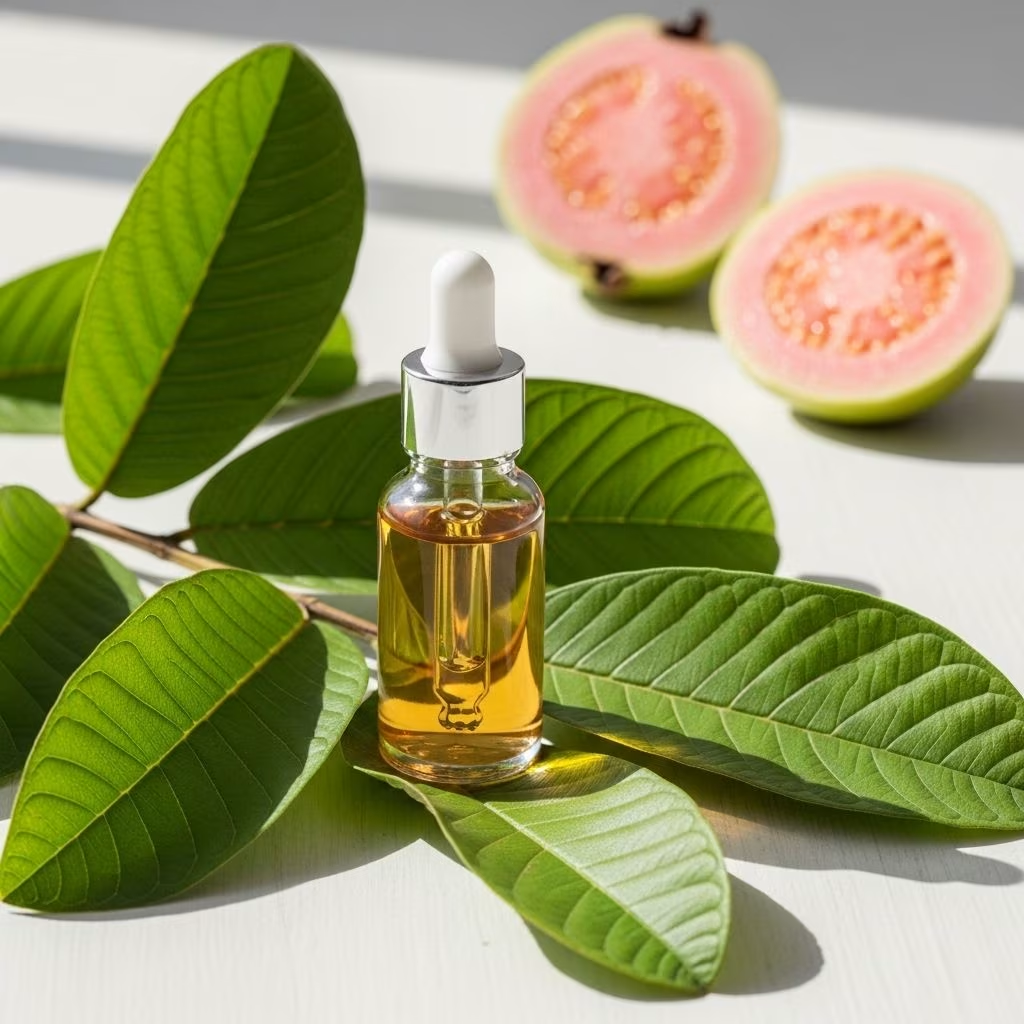
Guava leaf extract has gained significant attention in skincare and cosmetics for its rich concentration of bioactive compounds, multidimensional skin benefits, and natural, sustainable origin. This article delves into the science behind guava leaf extract’s efficacy, its diverse cosmetic applications, and important safety considerations, equipping you to make informed choices for your skin health.
Introduction
Guava, botanically known as Psidium guajava, is acclaimed not only for its Vitamin C-rich fruit but also for the powerful medicinal and cosmetic properties of its leaves. Used traditionally across Asia and Latin America for skin ailments, guava leaf extract is now a focus in modern cosmeceutical formulations due to its strong antioxidant, antibacterial, and anti-inflammatory activities.
The extract is utilized in lotions, creams, suncare, masks, and serums, providing a natural alternative to synthetic ingredients for a variety of skin care concerns from acne and hyperpigmentation to hydration and aging.
Guava Leaf Extract: Key Bioactive Compounds
Guava leaf extract’s skin-enhancing abilities derive from its unique blend of phytochemicals and nutrients that target several pathways simultaneously. The notable bioactive compounds include:
- Flavonoids: Quercetin, avicularin, kaempferol, guaijaverin, hyperin, and myricetin. These potent antioxidants neutralize free radicals, reduce oxidative stress, and support overall skin vitality.
- Phenolic Compounds: Gallic acid, leucocyanidin, and other polyphenols exhibit anti-aging and anti-inflammatory activities.
- Tannins: Known for astringent, antimicrobial, and wound-healing properties, tannins are key to guava leaves’ skin benefits.
- Vitamins: Vitamin C boosts collagen synthesis and skin brightness, while B-vitamins improve skin texture and repair.
- Glycosides and Triterpenoids: These support anti-inflammatory effects and barrier repair.
Skin Benefits of Guava Leaf Extract
Guava leaf extract offers a broad spectrum of skin benefits, making it a valuable component in natural skincare routines. Scientific studies highlight the following key effects:
1. Antioxidant Power for Anti-Aging
Rich in flavonoids and phenolics, guava leaf extract effectively scavenges free radicals, protecting skin cells from oxidative stress—a major contributor to visible aging such as fine lines, wrinkles, and loss of elasticity. Its collagenase inhibition activity is substantial, nearly matching ascorbic acid, supporting firmness and wrinkle reduction.
2. Antimicrobial & Anti-Inflammatory Protection
Naturally antimicrobial, guava leaf extract inhibits the growth of bacteria like Propionibacterium acnes, the major cause of acne. The presence of tannins, flavonoids, and triterpenoids impart anti-inflammatory benefits, soothing red or irritated skin and accelerating the recovery of minor wounds, eczema, and rashes.
3. Skin Brightening & Hyperpigmentation Reduction
Guava leaf extract’s tyrosinase inhibition ability outperforms many commercial brightening agents. By inhibiting this enzyme—the key driver of melanin production—it visibly reduces dark spots, pigmentation, and dullness, promoting a brighter, more even skin tone. Whitening effects were measured up to 112.7% compared to kojic acid (an industry-standard brightener).
4. Enhanced Hydration & Moisture Retention
When used in formulations containing humectants like glycerin, guava leaf extract boosts hydration by attracting moisture to the skin’s surface and reducing transepidermal water loss. This makes skin appear plumper and less prone to irritation.
5. Oil Control & Pore Refinement
The astringent nature of tannins and polyphenols in guava leaves constricts skin tissues, minimizing the appearance of open pores and controlling excess sebum. This effect is especially beneficial for those with oily or acne-prone skin.
6. Wound Healing & Skin Barrier Support
Bioactive compounds in guava leaves not only combat pathogens but also accelerate tissue repair, supporting faster healing of lesions, cuts, or irritations.
Common Uses of Guava Leaf Extract in Skincare
Guava leaf extract’s versatile properties have led to its inclusion in a wide array of skincare and cosmetic products:
- Facial Cleansers & Toners: Antimicrobial and astringent effects help purify pores and remove impurities.
- Moisturizers & Creams: Support hydration, repair, and anti-aging actives for daily skin nourishment.
- Serums & Essences: Targeted formulas for brightening, antioxidant protection, and soothing effects.
- Sunscreen Lotions: Polyphenols may help reduce oxidative skin damage induced by UV radiation when used alongside conventional sunscreen actives.
- Anti-Acne Products: Extracts minimize inflammation and bacterial load, reducing acne frequency and severity.
- Wound Healing Ointments: Applied on minor cuts, eczema, or irritation for faster recovery.
Table: Key Applications of Guava Leaf Extract in Skincare
| Product Type | Primary Benefit | Applicable Skin Types |
|---|---|---|
| Face Cleansers | Pore cleansing, control oil, reduce acne | Oily, acne-prone |
| Moisturizers | Hydration, soothe, antioxidant | All skin types |
| Sunscreen Lotions | Protection from oxidative stress | All skin types |
| Anti-Acne Treatments | Reduce breakouts, anti-inflammatory | Oily, combination |
| Brightening Serums | Reduce pigmentation, brighten skin tone | All skin types |
| Wound Ointments | Accelerate healing, relieve irritation | Sensitive, damaged |
Mechanisms of Action
- Antioxidant Action: Neutralizes free radicals, limits cellular damage, slows signs of aging.
- Tyrosinase Inhibition: Lowers melanin synthesis, helping to fade hyperpigmentation and increase radiance.
- Anti-Microbial & Anti-Inflammatory: Fights skin pathogens, reduces acne-causing bacteria, and soothes redness or swelling.
- Astringency & Oil Regulation: Tannins help tighten skin pores and balance skin oils.
- Collagenase Inhibition: Slows the breakdown of skin collagen, preserving firm, elastic skin.
Potential Side Effects and Precautions
While guava leaf extract is well tolerated by most people, a few safety considerations must be kept in mind:
- Skin Sensitivity or Irritation:
If used in high concentrations or by those with very sensitive skin, mild redness, tingling, or irritation can occur. Always perform a patch test before full application. - Allergic Reactions:
Rare, but possible. Individuals allergic to Myrtaceae family plants should exercise caution. - Interactions with Medications:
Limited data exists, but if you are on topical treatments for conditions like eczema, consult your healthcare provider before combining therapies. - Formulation Quality:
Extract effectiveness and safety can vary based on extraction method and concentration. Use products from reputable brands, and note if the extract is standardized for active constituents (e.g., quercetin content). - Pregnancy and Breastfeeding:
There is insufficient evidence to confirm the safety of guava leaf extract for topical use during pregnancy or breastfeeding. Consult a doctor if you are in either group.
Frequently Asked Questions (FAQs)
Q: Can guava leaf extract be used on all skin types?
A: Yes, its antioxidant, anti-inflammatory, and hydrating properties are suitable for most skin types—oily, dry, combination, or sensitive. Patch testing is recommended for sensitive or allergy-prone skin.
Q: How does guava leaf extract help acne-prone skin?
A: The antimicrobial and anti-inflammatory properties inhibit acne-causing bacteria and reduce swelling, while tannins minimize oil and pore congestion.
Q: Does guava leaf extract lighten dark spots and pigmentation?
A: Yes. Guava leaf extract inhibits the tyrosinase enzyme, reducing melanin formation and helping diminish spots, sun-induced pigmentation, and uneven tone.
Q: Are there side effects with daily use?
A: Side effects are uncommon but can include mild irritation in sensitive users or those allergic to plant extracts. Always conduct a patch test and discontinue if you notice redness, itching, or discomfort.
Q: Can I prepare guava leaf extract at home for skincare?
A: Traditional preparations involve boiling fresh leaves, cooling, and using the liquid as a toner or mask. However, safety, potency, and hygiene are less predictable than with standardized commercial products. Homemade use should be with caution.
Conclusion
Guava leaf extract is a promising natural cosmetic ingredient, providing multiple well-supported benefits for skin health: from antioxidant protection and hydration to acne and hyperpigmentation solutions. Choose reputable products, patch test before introducing into your regimen, and consult with a dermatologist if you have sensitive skin or chronic skin issues. As research advances and product formulations improve, guava leaf extract stands poised as a key addition to clean, effective skincare solutions.
References
- https://www.ijisrt.com/assets/upload/files/IJISRT25JAN359.pdf
- https://www.ijnrd.org/papers/IJNRD2406052.pdf
- https://pmc.ncbi.nlm.nih.gov/articles/PMC10969706/
- https://pmc.ncbi.nlm.nih.gov/articles/PMC5412476/
- https://journaljpri.com/index.php/JPRI/article/view/1882
- https://www.healthline.com/nutrition/8-benefits-of-guavas


