


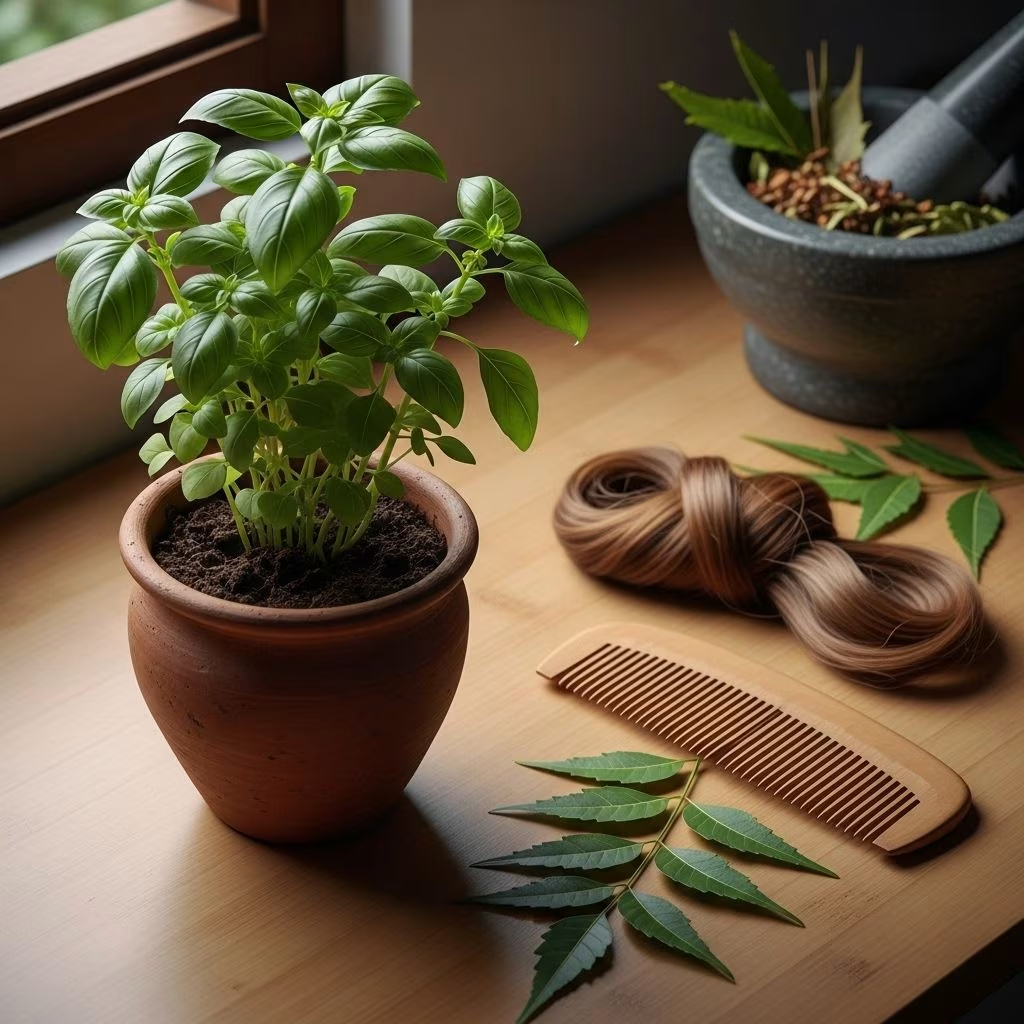
Understanding Hair Fall: Normal Vs Abnormal
Hair fall is a common concern affecting millions across the globe. Yet not all hair shedding is the same, and recognizing the difference between normal hair fall and abnormal hair loss is crucial for taking timely, effective action. Hair strands naturally have a life cycle; shedding up to 50-100 hairs a day is considered typical for a healthy adult. However, when hair begins to fall out in excess, leading to noticeable thinning or balding patches, it’s a signal that calls for closer attention and intervention.
What Is Normal Hair Fall?
- Shedding between 50–100 strands daily is normal as part of the natural hair cycle.
- Hair growth involves phases: anagen (growth), catagen (transition), and telogen (resting). Most shedding occurs in the telogen phase.
- Factors like brushing, washing, and routine exposure often account for daily hair loss.
When Does Hair Fall Become Abnormal?
- Sudden, excessive loss exceeding 100 strands a day.
- Visible thinning, patchy hair, or bald spots.
- Excess hair in the drain, pillow, or comb, beyond expected levels.
- Underlying medical conditions such as hormonal imbalances or nutritional deficiencies may contribute.
If hair fall seems abnormal, especially if rapid or accompanied by other symptoms (itching, redness, scalp pain), consult a dermatologist or trichologist for assessment and guidance.
Common Causes of Hair Fall
Understanding the cause is key to addressing the issue effectively. Hair loss can stem from numerous factors, both internal and external:
- Genetics: Family history of early hair loss, male or female pattern baldness.
- Hormonal Changes: Pregnancy, menopause, thyroid imbalance, PCOS (Polycystic Ovary Syndrome).
- Nutrient Deficiencies: Insufficient intake of iron, protein, Vitamin D, B vitamins, zinc, or biotin.
- Stress: Physical or emotional stress can disrupt the hair cycle, inducing shedding.
- Pollution: Urban exposure to dust, toxins, and hard water affects scalp health.
- Chemical and Heat Treatments: Frequent coloring, straightening, blow-drying, or use of harsh shampoos.
- Medical Conditions: Autoimmune disorders, infections, chronic illnesses.
- Seasonal and Lifestyle Factors: Change in climate (e.g., summer heat), poor sleep, dehydration.
Identifying Hair Fall Triggers: A Closer Look
Pinpointing triggers makes managing hair loss more targeted. Below is a table summarizing major triggers and their usual indicators:
| Trigger | Signs | Mitigation |
|---|---|---|
| Stress | Sudden hair shedding, diffused thinning | Relaxation, mindfulness, yoga |
| Nutrient Deficiency | Weak, dull hair, breakage | Balanced diet, supplements |
| Pollution & Hard Water | Dullness, increased breakage, scalp irritation | Filtered water, scalp protection |
| Heat & Chemical Treatments | Dryness, split ends | Limit styling tools, use protectants |
| Hormonal Changes | Patterned thinning, shedding | Medical consultation, hormonal therapy |
How Much Hair Fall Is Too Much?
While losing 50–100 hairs daily is normal, if you observe:
- Unusually high volumes of hair loss (large hair clumps).
- Clearly thinning areas or widened parting.
- Delayed regrowth, increased hair fragility.
It’s time to intervene. Early action ensures better chances of arresting abnormal loss before irreversible damage occurs.
Expert Recommended Tips to Prevent and Control Hair Fall
Switch to Gentle Hair Products
- Sulphate-Free & Paraben-Free Shampoos: Choose shampoos free from harsh chemicals like sodium lauryl sulphate and parabens, which can strip natural oils and weaken the scalp barrier.
- Look for biotin, keratin, and caffeine-based products for added strength.
- Massage your scalp gently, especially when wet, to minimize breakage.
Nourish from Within: Diet and Nutrition
A healthy diet is foundational for hair strength and growth. Essential nutrients include:
- Protein: Eggs, lentils, beans, chicken, dairy, seafood.
- Iron: Leafy greens, legumes, nuts, seeds, lean meats.
- Vitamin D: Sunlight exposure, eggs, fish.
- B Vitamins: Whole grains, legumes, bananas, dairy, eggs.
- Vitamin C: Citrus, amla, guava, bell peppers, broccoli.
- Zinc: Eggs, seeds (pumpkin, watermelon), peanuts, soy.
- Sulphur: Onions, garlic, cabbage, legumes.
- Vitamin E: Sunflower seeds, avocados, vegetable oils.
If you’re vegetarian or suspect you might be low in nutrients, consult a physician for supplements. Regular blood tests (thyroid, vitamin B12, prolactin, iron) ensure deficiencies are identified and corrected early.
Minimize Heat and Harsh Hair Treatments
- Restrict use of straighteners, curling irons, and blow dryers to avoid shaft damage.
- Skip chemical treatments like rebonding or coloring as often as possible.
- Use heat protectants if styling is necessary.
- Choose loose hairstyles; tight ponytails and buns can cause traction alopecia.
Manage Stress and Prioritize Sleep
- Practice yoga, meditation, or regular exercise to lower cortisol levels and protect hair follicles.
- Aim for 7–8 hours of sleep nightly to support hormonal balance and melatonin production, both vital for hair growth.
Stay Hydrated
- Drink 8–10 glasses of water daily for better nutrient circulation to hair follicles.
- Proper hydration improves scalp health, supports detoxification, and maintains hair moisture.
Natural Home Remedies for Hair Fall: Safe & Effective
Many traditional and home-based remedies help control hair fall naturally, especially when adopted consistently. Below are some of the most trusted methods:
1. Coconut Oil Massage
- Rich in fatty acids and antioxidants.
- Gently massage into the scalp to improve blood circulation and nourish roots.
2. Fenugreek (Methi) Seeds
- Soak seeds overnight, grind into a paste, apply to scalp for 30 minutes before washing.
- Contains nicotinic acid and protein to strengthen hair follicles and reduce shedding.
3. Onion Juice
- Onion juice contains sulphur, boosts collagen production, and contributes to robust hair growth.
- Extract juice, apply to the scalp for 15–20 minutes; rinse thoroughly afterwards.
4. Aloe Vera Gel
- Soothes the scalp, reduces dandruff, moisturizes, and can stimulate new hair growth.
- Apply fresh aloe gel to scalp and hair once or twice a week.
5. Curd and Lemon
- Curd is a natural conditioner; lemon cleanses and strengthens roots.
- Mix curd with a few drops of lemon juice, apply as a mask for 30 minutes, rinse with mild shampoo.
6. Amla (Indian Gooseberry)
- Rich in Vitamin C and antioxidants, amla oil or juice fortifies hair and minimizes breakage.
- Apply amla oil or incorporate amla powder in hair masks.
7. Curry Leaves
- Boil fresh curry leaves in coconut oil, strain, and massage into scalp to promote hair regrowth.
8. Flax, Pumpkin, and Sunflower Seeds
- High in Omega-3 fatty acids, zinc, magnesium, and antioxidants.
- Add seeds to your daily diet for better hair structure and reduced breakage.
9. Essential Oils
- Rosemary, lavender, peppermint oils can be blended with carrier oils and massaged into the scalp.
- Support scalp circulation and follicle health.
10. Henna Packs
- Natural conditioner and cooling agent; blend henna powder with curd or tea water.
- Apply for 1–2 hours before washing off.
11. Neem Oil & Leaf Paste
- Neem is antimicrobial, reduces dandruff and scalp inflammation that trigger hair loss.
- Apply neem oil or paste regularly for a healthy, flake-free scalp.
12. Yogurt Masks
- Natural conditioner, repairs damaged strands.
- Mix plain yogurt with honey and apply as a mask for 30 minutes before routine wash.
13. Gooseberry (Amla) and Shikakai
- Combine these powders for a gentle, herbal cleanser and fortifier.
- Can be used as a weekly mask to stimulate growth.
14. Green Tea Rinse
- Full of antioxidants; a green tea rinse can help stimulate hair follicles and decrease hair fall.
15. Ayurvedic Oils and Herbal Treatments
- Brahmi, bhringraj, and jatamansi oils are used traditionally to nourish the scalp and accelerate growth.
- Apply as per directions; regular massages support improved thickness and reduce stress.
Ayurveda’s Approach to Reducing Hair Fall
Ayurveda identifies hair loss as a reflection of imbalance in body doshas (Vata, Pitta, Kapha) and emphasizes holistic care including diet, herbal oils, and massage.
- Oil massages (Abhyanga) with Ayurvedic formulations (bhringraj, amla, brahmi oils).
- Herbal packs with fenugreek, hibiscus, and triphala.
- Diet plans rich in fresh vegetables, nuts, whole grains, and ghee.
- Regular detoxification and stress management techniques.
Ayurvedic remedies are gentle and focus on root-cause solutions, making them a safe choice for most hair loss concerns.
Lifestyle Changes for Sustainable Hair Fall Control
- Protect from pollution: Cover hair while commuting, use mild cleansers to remove environmental toxins.
- Use filtered or soft water: Rinsing with hard water can increase breakage; install a shower filter when possible.
- Limit harsh styling: Air-dry hair and embrace natural textures as much as possible.
- Regular scalp massages: Enhance circulation and nourish follicles.
- Trimming: Trim every 2–3 months to avoid split ends, which travel up the hair shaft causing excessive loss.
- Stay mindful: Avoid friction from pillows, towels, and combs; always be gentle in handling wet hair.
Frequently Asked Questions (FAQs)
Q: How can I distinguish between normal and abnormal hair fall?
A: Shedding up to 100 strands daily is normal. If you notice more, especially with widening hair parts, bald patches, or sudden loss, it may be abnormal and should be checked by a medical professional.
Q: What nutrients are vital for preventing hair fall?
A: Iron, protein, B vitamins, zinc, Vitamin D, and Vitamin E are vital. Include eggs, leafy greens, dairy, nuts, seeds, and fish in your diet.
Q: Are chemical treatments responsible for hair loss?
A: Yes, frequent use of chemical dyes, straighteners, and other processes can weaken the hair and increase fall. Minimize their use and opt for gentle cleansing and regular oiling.
Q: Can stress and lack of sleep increase hair fall?
A: Elevated stress disrupts hair cycle, and poor sleep affects hormonal balance, both leading to increased shedding. Practice relaxation, maintain a routine, and aim for 7–8 hours sleep.
Q: What are the top natural remedies I can try at home?
A: Coconut oil massage, fenugreek paste, onion juice, aloe vera gel, and Ayurvedic oils are popular. Ensure consistency for visible results.
Conclusion
Hair fall is often a sign that your body needs care—be it better nutrition, reduced stress, gentler products, or deeper Ayurvedic healing. By combining modern scientific awareness with time-tested natural remedies and lifestyle adjustments, you can restore your hair’s strength, shine, and vitality. Monitor your hair health regularly, respond to early warning signs, and remember: prevention and gentle care are your best defenses against hair loss.
References
- https://www.hindustantimes.com/lifestyle/health/5-effective-tips-for-indian-women-to-reduce-hair-fall-immediately-101753428208305.html
- https://www.ndtv.com/health/hair-fall-control-add-these-essential-nutrients-to-your-diet-for-healthy-hair-4220038
- https://thebetterindia.com/tags/hair-fall-prevention/
- https://thebetterindia.com/208242/hair-fall-normal-abnormal-stop-home-natural-remedies-ayurveda-fenugreek-scalp-lifestyle/
- https://thebetterindiacom.wpcomstaging.com/215712/seeds-flax-fenugreek-pumpkin-healthy-hair-reduce-hair-loss-natural-tips-lifestyle-char01/
- https://timesofindia.indiatimes.com/life-style/beauty/most-powerful-oils-to-reduce-hair-fall/articleshow/99434921.cms
- https://timesofindia.indiatimes.com/life-style/beauty/ultimate-oiling-tips-to-stop-hair-fall-instantly/articleshow/111030734.cms
- https://www.thehansindia.com/business/dont-let-summer-steal-your-shine-tips-to-prevent-hair-fall-and-scalp-stress-973059
- https://theprint.in/opinion/young-indian-men-are-battling-a-chronic-hair-fall-problem-heres-how-they-can-reverse-it/1473109/


