


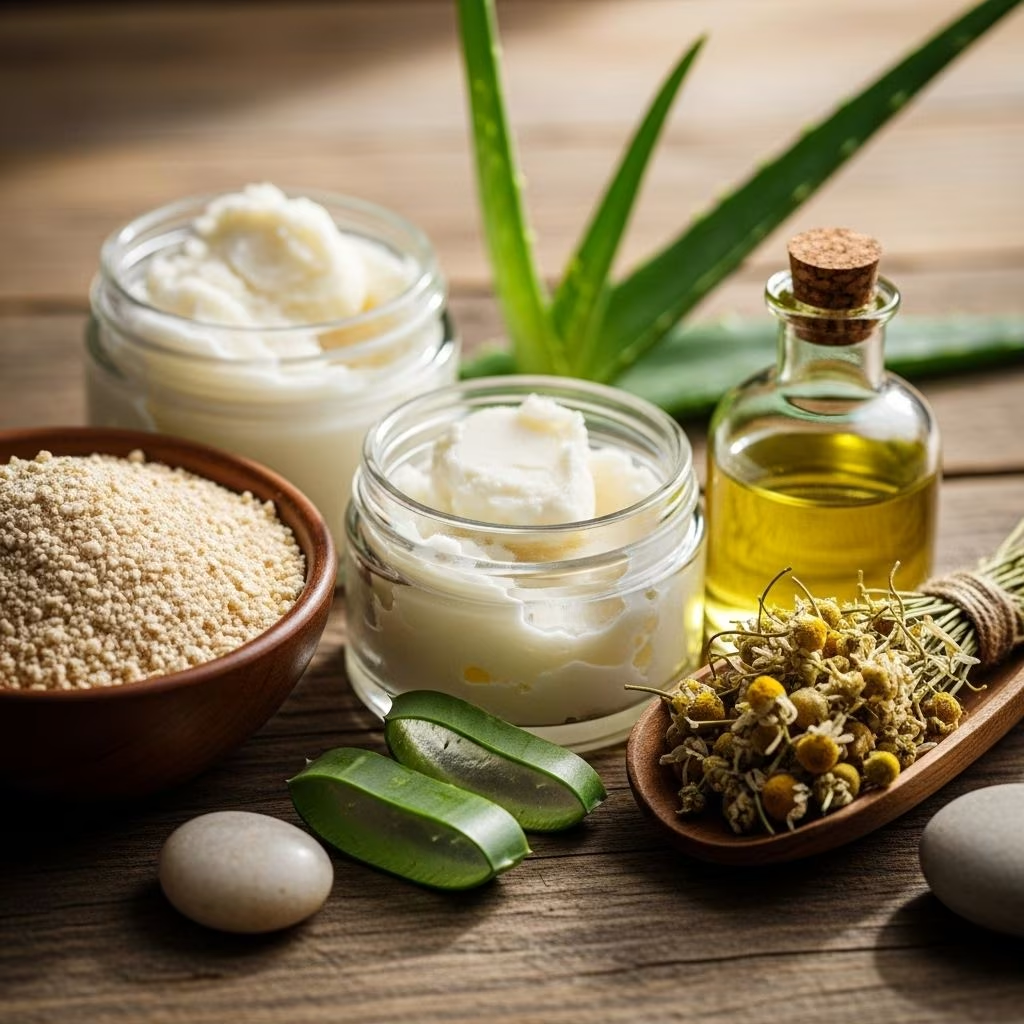
Natural Remedies for Eczema: A Comprehensive Guide
Eczema, or atopic dermatitis, is a chronic skin condition characterized by redness, itching, and dryness. While conventional treatments often focus on creams and ointments, natural remedies can provide additional relief and support skin health without causing harsh side effects. In this article, we will explore some of the most effective natural remedies for eczema.
## Benefits of Natural Remedies for Eczema
Natural remedies work by addressing various aspects of eczema, from reducing inflammation and soothing irritated skin to strengthening the skin barrier and supporting overall skin health. These remedies often contain compounds with anti-inflammatory, antimicrobial, or moisturizing properties that help calm active flare-ups and prevent future outbreaks.
## Popular Natural Remedies ### 1. Oatmeal Baths and Topical Applications
Colloidal oatmeal is highly recommended for its anti-inflammatory and moisturizing benefits. It can significantly reduce itching and irritation during flare-ups. To use oatmeal for eczema, you can create an oatmeal bath by grinding plain, unflavored oats into a fine powder and adding it to lukewarm water. Soak in the bath for 10-15 minutes before gently patting your skin dry.
### 2. Coconut Oil for Skin Barrier Support
Virgin coconut oil contains lauric acid, which provides both antimicrobial and anti-inflammatory properties beneficial for eczema management. Apply a thin layer of virgin coconut oil to slightly damp skin after bathing to maximize absorption and hydration benefits.
### 3. Honey as a Natural Antibacterial Agent
Honey is renowned for its antibacterial and anti-inflammatory properties, making it an effective treatment for wounds and possibly eczema. Manuka honey, in particular, has been studied for its potential in healing wounds.
### 4. Aloe Vera Gel
Aloe vera gel has antibacterial and antimicrobial properties, which can help prevent skin infections and soothe broken skin. It is commonly used to treat a variety of skin conditions.
### 5. Apple Cider Vinegar Baths
Apple cider vinegar is a popular home remedy for its antibacterial properties. It can be added to baths to help manage eczema symptoms. However, it should always be diluted to avoid irritation.
### 6. Bleach Baths
Bleach baths, though they may sound alarming, can be effective in reducing bacterial infections on the skin. A mild bleach bath, typically involving ½ cup of bleach in a full bathtub, can help ease eczema symptoms by killing bacteria on the skin’s surface.
## Other Natural Treatments ### Sunflower Seed Oil
Sunflower seed oil has anti-inflammatory properties and can help restore the skin barrier, making it another natural option for managing eczema.
### Tea Tree Oil
Tea tree oil is known for its antimicrobial properties but should be used with caution as it can cause irritation in some individuals.
### Mind-Body Practices
Stress can exacerbate eczema symptoms. Mind-body practices like meditation can help manage stress and potentially reduce flare-ups.
## How to Use Natural Remedies Safely
While natural remedies can offer relief, it is important to use them safely. Always patch test new products, especially if you have sensitive skin, to avoid further irritation.
## Home Eczema Management Tips – Moisturize Frequently: Keeping the skin hydrated and moisturized is crucial for managing eczema symptoms. – Avoid Irritants: Steer clear of harsh soaps, detergents, or other products that can irritate your skin. – Dress Comfortably: Wear breathable clothing to reduce irritation and discomfort. – Keep Cool: Avoid overheating, as this can exacerbate itchiness and discomfort.
Frequently Asked Questions (FAQs)
Q: Are natural remedies enough to cure eczema?
A: While natural remedies can help manage symptoms, eczema cannot be cured permanently. They are often used alongside conventional treatments for better results.
Q: How often should I use oatmeal baths for eczema?
A: It is recommended to use oatmeal baths 2-3 times a week to soothe and prevent flare-ups.
Q: Can coconut oil cause allergic reactions?
A: Yes, while coconut oil is generally safe, some people may experience allergic reactions. Always patch test before regular use.
References
- https://duncandermatology.com/7-natural-remedies-for-eczema-to-try/
- https://www.goldenstatedermatology.com/blog/do-natural-remedies-for-eczema-add-irritation-or-alleviate-the-itch/
- https://www.medicalnewstoday.com/articles/324228
- https://nationaleczema.org/blog/natural-treatments-for-eczema/
- https://health.clevelandclinic.org/home-remedies-for-eczema
- https://pmc.ncbi.nlm.nih.gov/articles/PMC4518179/
- https://www.aad.org/public/diseases/eczema/childhood/itch-relief/home-remedies
- https://nationaleczema.org/treatments/complementary-alternative/
- https://www.distilleriedescevennes.com/en/blogs/eczema-psoriasis/soigner-naturellement-son-eczema


