


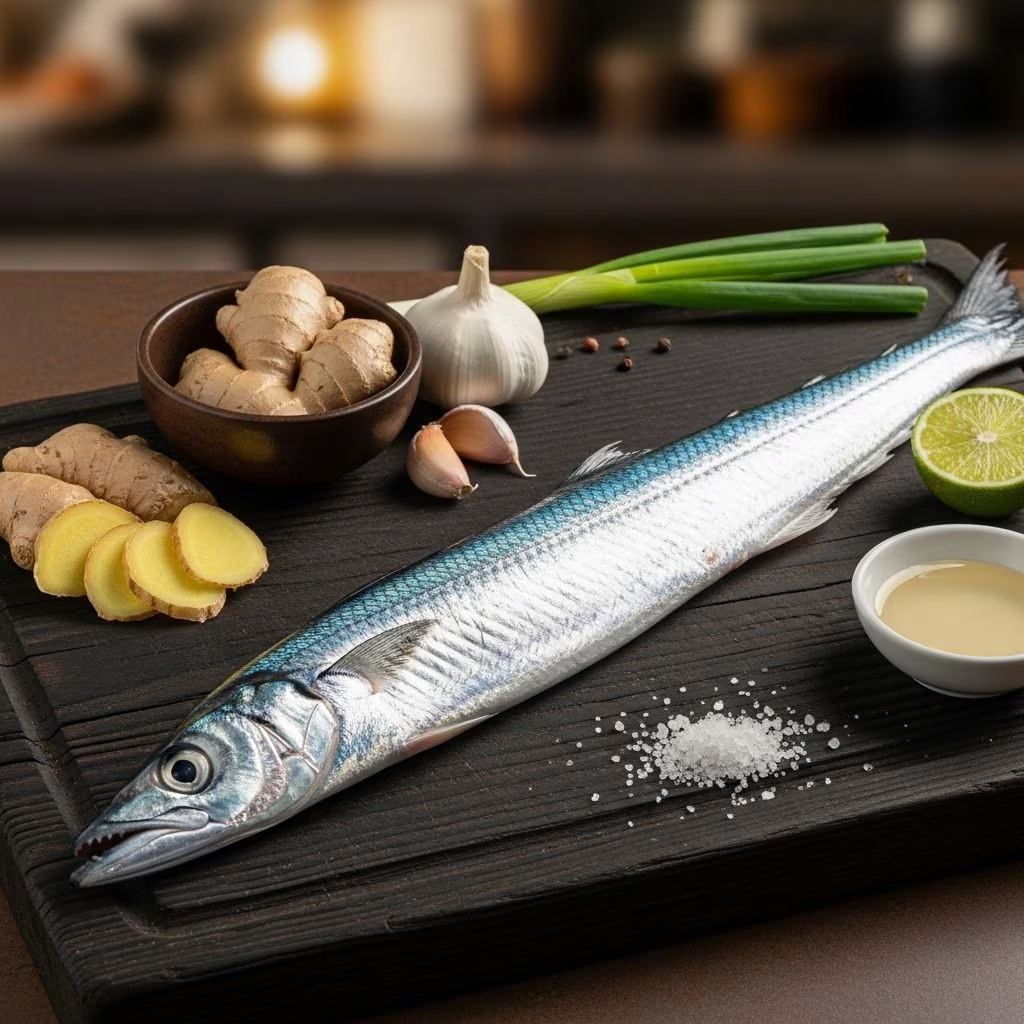
Hairtail fish, often known as largehead hairtail, cutlassfish, or ribbonfish, is a captivating and versatile seafood species found in culinary traditions across Asia, Australia, the Mediterranean, and beyond. With its elongated silvery body and impressive nutrient profile, hairtail is prized not only for its distinctive appearance but also for its taste and health benefits. This comprehensive guide explores what makes hairtail remarkable, its nutritional value, health advantages, culinary uses, and the extraordinary flavors it offers.
Introduction: What Is Hairtail?
Hairtail is the common name for several species within the cutlassfish family, most notably “Trichiurus lepturus“. This fish is recognized worldwide for its sword-like, ribbon-shaped, silver body and is an integral part of fisheries and traditional dishes across continents. Other names include largehead hairtail, beltfish, ribbonfish, and cutlassfish.
- Belongs to the family Trichiuridae
- Globally distributed in temperate and tropical waters
- An important species for commercial and recreational fisheries
Hairtail’s striking appearance and culinary versatility have led to its popularity from Korean and Chinese markets to Mediterranean kitchens.
Hairtail’s Appearance and Lifecycle
The hairtail’s body is its most defining feature: remarkably long, laterally compressed, and lacking a visible tail fin. Its steel-blue hue and iridescent sheen give it a metallic, mirror-like appearance that deepens to silvery-grey after death.
- Length: Most individuals are 0.5–1 meter (approx. 1’8”–3’3”), but can reach up to 2.3 meters (7’8”)
- Weight: Up to 6 kg (13 lbs) in large adults
- Head: Large mouth with fang-like teeth, adapted for predatory feeding
- Fins: Dorsal fin runs the length of the back; no caudal (tail) fin; anal fin reduced to minute embedded spinules
- Color: Silvery steel blue in life, silvery gray upon death
Lifecycle and Behavior:
- Juveniles exhibit vertical migrations, feeding on krill and small fish at night, returning to deeper waters by day
- Adults become more piscivorous (fish-eating) and hunt during the day near the surface
- Highly carnivorous, sometimes cannibalistic
- Can live up to 15 years, reaching maturity by 1–2 years
- Spawning depends on water temperature; tropical regions see year-round breeding, while temperate zones have seasonal spawning
Habitat and Global Distribution
Hairtail are circumglobally distributed, occupying coastal waters, continental shelves, and estuaries. They prefer depths ranging from the surface to 350 meters and often inhabit muddy bottoms.
- Found across all Australian coasts, the Mediterranean, the Atlantic, Pacific, and Indian Oceans
- Present in tropical and temperate waters, frequently near inshore and estuarine environments
- Adults and juveniles undertake daily vertical migrations for feeding efficiency
- Widely harvested in Asia, Australia, southern Europe, and parts of the Americas
Nutritional Value and Composition
Hairtail is highly esteemed for its nutritional qualities, making it a healthy choice for many diets. Its soft, oily flesh is rich in nutrients crucial for human health.
| Nutrient | Approximate Amount per 100g (raw) |
|---|---|
| Calories | 90–110 kcal |
| Protein | 16–19 g |
| Fat | 2–4 g |
| Omega-3 Fatty Acids | 700–1200 mg |
| Vitamin D | 160–200 IU |
| Calcium | 15–30 mg |
| Iron | 0.5–1 mg |
| Phosphorus | 200–250 mg |
| Selenium | 25–40 µg |
| Vitamin B12 | 3–5 µg |
- High in lean protein, making it excellent for muscle growth and maintenance
- Contains significant omega-3 fatty acids, vital for heart and brain health
- Rich in vitamin D and vitamin B12, crucial for immune and nervous system health
- Source of essential minerals like selenium and phosphorus
- Low in saturated fat, supporting cardiovascular wellness
Health Benefits of Hairtail
Hairtail fish offer a suite of health benefits due to their impressive nutrient profile. Consuming hairtail can contribute to:
- Cardiovascular Health: The high content of omega-3 fatty acids (EPA and DHA) helps lower cholesterol, reduce blood pressure, and decrease inflammation
- Cognitive Function: B vitamins and omega-3s support neurological development and cognitive clarity
- Immune Boost: Vitamin D and selenium are known to strengthen immune defense mechanisms
- Bone and Dental Health: Calcium, phosphorus, and vitamin D contribute to stronger bones and teeth
- Support for Healthy Vision: Omega-3s and vitamin A derivatives assist in maintaining eye health and preventing age-related issues
- Athletic Performance: The high-quality protein supports muscle recovery, growth, and endurance
For those on calorie-restricted or low-fat diets, hairtail serves as an ideal, flavorful protein option that’s both satisfying and nourishing.
Culinary Uses of Hairtail
Hairtail is a versatile fish that adapts to an array of cooking methods in diverse cuisines. Its tender, mildly oily, and succulent flesh makes it a sought-after ingredient in both traditional and modern kitchens.
Popular Cooking Methods
- Grilling: Slices or fillets are lightly marinated and grilled, resulting in smoky, caramelized flavors
- Pan-frying: Common in Korean and Chinese cooking; fish is fried until crispy on the outside, tender on the inside
- Braising: Hairtail is simmered with soy sauce, ginger, garlic, and other aromatics for a deep, savory dish
- Steaming: Steamed with vegetables and light seasoning, preserving the delicate flavor and ensuring a moist texture
- Baking: Baked with herbs and citrus for a fresh, aromatic result
Global Culinary Traditions
- Korea: Known as galchi, hairtail is featured in galchi jorim (braised hairtail with spicy sauce), grilled preparations, and pan-fried slices typically eaten with rice
- China: Often braised or cooked with soy, vinegar, and ginger, enjoyed for its umami-rich flavor and melt-in-the-mouth texture
- Japan: Called tachiuo, hairtail is served sashimi-style, grilled, or simmered in soups
- Australia and Mediterranean: Hairtail is chargrilled or oven-roasted with olive oil, garlic, and lemon
Tips for Cooking Hairtail:
- Its tender flesh cooks rapidly; avoid overcooking to maintain juiciness
- The small, soft bones are often edible, but filleting is preferred for larger specimens
- The skin is edible and becomes especially flavorful and crisp when grilled or pan-fried
- Ideal for absorbing bold flavors from marinades, making it suitable for spicy or aromatic dishes
Flavor Profile: What Does Hairtail Taste Like?
Hairtail’s taste is nuanced, delicate, and suited to a range of palates. Here’s what distinguishes its flavor and texture:
- Mild flavor: Not overly fishy, allowing it to take on the flavors of accompanying ingredients
- Buttery, oily texture: The flesh is soft and succulent, with a subtle richness reminiscent of sea bass or mackerel
- Tender and flaky: When cooked, the meat flakes easily but stays moist
- Crisp skin: When pan-fried or grilled, the skin becomes golden and adds a pleasant crunch
- Ideal for those new to seafood or seeking a gentle introduction to ocean flavors
The balanced umami, absence of strong fishiness, and pleasing mouthfeel make hairtail a favorite in both simple and elaborate recipes.
Buying and Storing Hairtail
When selecting hairtail, freshness is key to enjoying its optimal taste and texture. Seek out:
- Shiny, metallic skin that is free from browning or dull patches
- Firm flesh that bounces back when pressed
- A clean ocean scent (avoid strong, ammoniated odors)
Storing tips:
- If not using immediately, store in the coldest part of your refrigerator and cook within 1–2 days
- Fillets or steaks can be wrapped tightly and frozen for up to 2–3 months
- Freshly caught hairtail can be gutted, cleaned, and frozen whole
Sustainability and Fishing Practices
Hairtail is considered a “major fishery species” in many regions, but as with any wild-caught fish, sustainability practices are crucial. Responsible sourcing ensures healthy populations and reduces ecological impact.
- Most commercial hairtail fisheries set quotas and regulations to prevent overfishing
- Hairtail is fast-growing and breeds prolifically in suitable environments
- As with all seafood, look for certifications or guidance on sustainable sourcing in your locality
Before purchasing, check for updates from marine conservation organizations regarding the status of local hairtail fisheries.
Frequently Asked Questions (FAQs)
What is the difference between hairtail and cutlassfish?
Hairtail and cutlassfish are often used interchangeably for Trichiurus lepturus and related species. The term “hairtail” is more common in Asian and Australian contexts, while “cutlassfish” is frequently used in English-speaking countries and scientific literature.
Is hairtail suitable for people with seafood allergies?
Hairtail, like all bony fishes, can trigger allergic reactions in sensitive individuals. People with known fish allergies should consult their healthcare provider before consuming hairtail.
Can you eat hairtail raw?
Yes, in some cuisines (like Japanese), hairtail is eaten raw as sashimi. Only use extremely fresh, properly handled fish to minimize health risks. Most preparations favor cooked methods for safety and flavor enhancement.
What are the best dishes using hairtail?
Popular dishes include Korean galchi jorim (braised hairtail), Chinese braised hairtail with soy and ginger, Japanese grilled tachiuo, and Mediterranean-style roasted hairtail with herbs and citrus.
How should I prepare hairtail to minimize bones?
Filleting larger specimens can reduce the number of bones. Smaller hairtail have softer, edible bones, but caution is advised, especially for children. Cooking until tender can also soften smaller bones for safer consumption.
Key Takeaways
- Hairtail is a widely distributed, silvery ribbonfish renowned for its mild, rich flavor and nutritional value
- Offers health benefits, especially for heart, brain, and immune support
- Extremely versatile in the kitchen: grilled, braised, steamed, pan-fried, and more
- Freshness is crucial for optimal enjoyment; always buy from reputable sources
- Sustainable fishing practices benefit both the species and global food security
References
- https://en.wikipedia.org/wiki/Largehead_hairtail
- https://fishesofaustralia.net.au/home/species/2562
- https://australian.museum/learn/animals/fishes/largehead-hairtail-trichiurus-lepturus/
- https://en.namu.wiki/w/%EA%B0%88%EC%B9%98
- https://www.fishbase.se/summary/trichiurus-lepturus.html
- https://allfishes.org/fishes/marine/largehead-hairtail


