


Understanding Hand, Foot, and Mouth Disease (HFMD)
Hand, Foot, and Mouth Disease (HFMD) is a highly contagious viral infection, most commonly affecting young children under 10 years old. The illness is recognized by the sudden appearance of a fever, sore throat, painful mouth sores or ulcers, and a characteristic rash featuring red spots and blisters on the hands, feet, and sometimes buttocks or legs. HFMD is frequently caused by the Coxsackievirus, although other enteroviruses may be responsible. The infection typically runs its course in 7–10 days and does not usually require prescription medication, but the symptoms can be distressing for both children and parents.
HFMD spreads easily in communal settings via respiratory droplets, fecal matter, and contact with contaminated surfaces. As there is no specific cure or vaccine for this condition, supportive home care and natural remedies can play a vital role in easing discomfort and speeding recovery.
Core Symptoms and Disease Progression
- Fever — often the first symptom, with temperature spiking up to 101–103°F (38–39°C)
- Mouth Sores — painful, red lesions on the gums, tongue, and inside cheeks
- Skin Rash — flat or raised red spots, sometimes with small blisters, most evident on palms, soles, and buttocks
- Sore Throat — making swallowing uncomfortable
- Irritability or Loss of Appetite — due to oral pain
- Mild Gastrointestinal Upset — sometimes accompanying the infection
Immediate Home Care Strategies
During the active phase of HFMD, the primary goals of home management are to keep the child comfortable, well-hydrated, and to promote healing while preventing complications. The following natural strategies can alleviate symptoms:
1. Ensuring Hydration
- Offer plain water, cool or room temperature, as preferred by the child
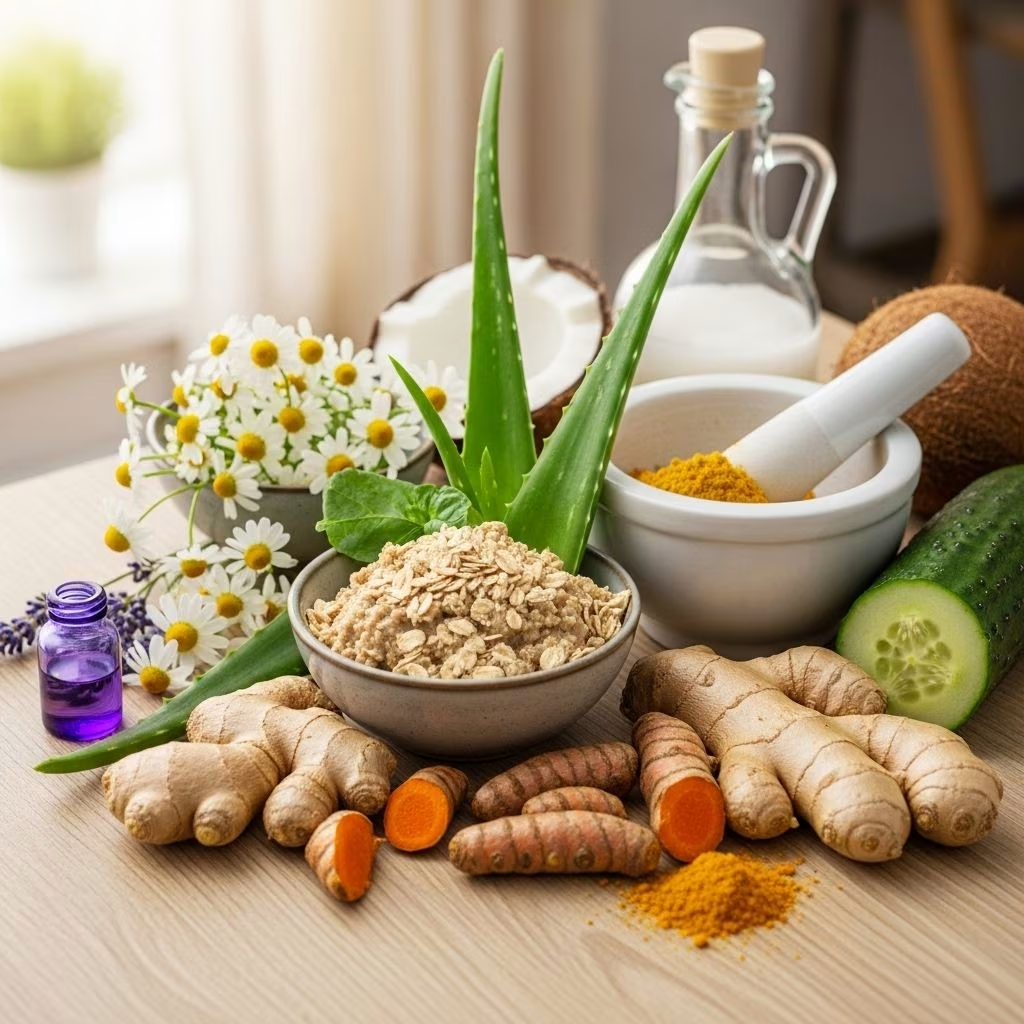
- Coconut water: Contains beneficial electrolytes, lauric acid with antiviral properties, and antioxidants. It soothes sore mouths and keeps children hydrated.
- Herbal teas: Weak, non-caffeinated teas (e.g., chamomile) can be comforting, provided no citrus is present to avoid mouth irritation.
- Avoid citrus juices (e.g., orange juice), which may sting the mouth sores.
- If pain blocks oral intake, supervised small sips of water, ice chips, or popsicles can help.
2. Soothing the Mouth
- Salt Water Rinses: Swish warm salt water (using table salt or Himalayan pink salt) in the mouth 3–4 times daily to reduce inflammation and pain.
- Apple Cider Vinegar Gargle: Dilute with warm water (never undiluted) and use gently to calm throat discomfort.
- Honey: For children over age 1, honey can coat and soothe the mouth.
3. Cooling and Nourishing Frozen Foods
- Frozen fruits: Watermelon, strawberries, or grapes sliced and frozen can provide nutrition and cool oral sores.
- Frozen yogurt cubes: Low sugar, full-fat yogurt frozen in ice trays offers probiotics and soothes the mouth.
- Popsicles: Homemade or low-sugar versions are preferable.
4. Rest and Quiet Time
- Encourage naps and downtime to support immune recovery.
- Keep the child home from daycare or school until blisters dry and fever resolves (usually 7–10 days).
5. Gentle Skin Relief
- Coconut Oil Application: Apply to blisters and rashes for antiviral and soothing effects. Coconut oil can reduce redness, irritation, and infection risk.
- Aloe Vera Gel: Use pure gel to gently coat blisters and soreness on hands, feet, or other affected regions. Aloe vera has antimicrobial, anti-inflammatory properties, and helps boost local healing.
- Neem: Dab a paste made from dried neem leaves and water (or use diluted neem oil with coconut oil and a few drops of lavender) onto external rashes to speed resolution and reduce itching. Neem’s natural antibacterial and antiviral qualities aid healing.
- Colloidal Oatmeal Bath: A warm bath with colloidal oatmeal powder calms irritated skin, reduces itching, and encourages relaxation.
- Cool Compresses: Use a clean, wet cloth pressed on hands or feet for fever reduction and immediate relief.
Recommended Herbal Remedies and Supplements
Certain herbs, extracts, and natural supplements may help modulate the immune response and directly counter HFMD’s viral cause. Use caution and check age recommendations before offering these remedies:
- Tulsi (Holy Basil): Chew fresh leaves or sip diluted juice. Tulsi offers broad antimicrobial, anti-inflammatory, and mild analgesic effects.
- Elderberry: While lacking direct studies on HFMD, elderberry’s phytochemicals such as quercetin and flavonoids demonstrate antiviral activity and immune stimulation. Syrups or extracts are popular among herbalists.
- Ganoderma (Reishi Mushroom): Early research highlights its antiviral and immune-boosting properties, potentially incubating HFMD virus more quickly. Choose child-friendly formulas.
- Licorice Root: Use only in small amounts and avoid during pregnancy; offers soothing effects for sore throat and has notable antiviral properties.
Oil Pulling and Oral Hygiene
- Oil Pulling: Swishing coconut oil in the mouth for 5–10 minutes before spitting it out — a traditional Ayurvedic method — may reduce oral sores and promote overall mouth health. Suitable for older children and teens; not recommended for toddlers due to risk of choking.
- Gentle Tooth Brushing: Use a soft toothbrush and avoid harsh commercial mouthwashes during acute episode.
Dietary Adjustments and Gut Health
During and after HFMD, choose foods that are soothing and nourishing, avoiding those that could irritate blisters or lead to poor hydration:
- Soft, bland foods: Mashed potatoes, well-cooked oatmeal, plain rice, yogurt, applesauce, and smoothies. Prioritize easy-to-swallow options.
- Avoid salty, spicy, or acidic foods: Citrus, tomato products, chips, or vinegar-heavy snacks can worsen pain.
- If the child exhibits signs of gut disturbance post-HFMD (bloating, diarrhea, or loss of appetite):
- Consider a gut healing protocol led by a professional, with probiotics, fermented foods, and gentle, high-nutrient meals.
Natural Prevention and Care Tips
- Frequent Handwashing: Teach proper hand hygiene to prevent spread. Use gentle, non-irritating soaps.
- Sanitize Surfaces: Clean toys, utensils, and shared spaces during infection.
- Avoid Close Contact: Keep sick children home until fever breaks and blisters crust.
- Trim nails to prevent skin damage from scratching.
When Medical Attention Is Needed
- Dehydration (fewer than 3–4 wet diapers in 24 hours, very dry lips, sunken eyes)
- High, persistent fever (>102°F or lasting >4 days)
- Extreme lethargy, confusion, or severe headache
- Uncontrolled pain, inability to swallow liquids
- Secondary skin infection (intense redness, swelling, pus)
Seek pediatric consultation if any of these warning signs occur, or if oral sores persist beyond two weeks.
Frequently Asked Questions (FAQs)
Q: Is Hand, Foot, and Mouth Disease dangerous?
A: HFMD is generally a mild illness that runs its course in a week to ten days. Serious complications are rare but can occur in immunocompromised or very young children. Most children recover fully with supportive care.
Q: Are there any effective medications for HFMD?
A: There are currently no antiviral medications or vaccines approved specifically for HFMD. Treatment is supportive, focusing on hydration, comfort, and natural soothing remedies.
Q: Can adults get HFMD?
A: While HFMD is more common in children under 10, adults can contract the virus, especially if they have close contact with infected children. Symptoms tend to be milder in adults but may include fever, sore throat, and rash.
Q: When can my child return to school or daycare?
A: Children should remain home until fever subsides and all blisters dried or crusted. This usually requires 7–10 days. Follow any instructions from your pediatrician or school’s health policies.
Q: What foods should be avoided during HFMD?
A: Avoid foods that are salty, spicy, acidic, crunchy, or sharp. Citrus, tomato, vinegar-based dressings, chips, and hard crackers may irritate mouth sores.
Summary Table: Natural Remedies & Their Key Benefits
| Remedy | Main Benefit | How to Use |
|---|---|---|
| Coconut Oil | Soothes skin, antiviral action, reduces irritation | Apply to skin blisters; optionally swish in the mouth |
| Aloe Vera | Reduces inflammation, aids skin healing | Apply pure gel to affected areas |
| Neem | Antibacterial, antiviral for rashes | Dab paste or diluted oil on rashes |
| Tulsi | Antimicrobial, anti-inflammatory | Chew leaves or sip diluted juice |
| Salt Water Rinse | Soothes mouth sores, reduces pain | Swish gently several times a day |
| Colloidal Oatmeal Bath | Calms skin, relieves itching and redness | Add powder to warm bath water |
| Frozen Fruit/Yogurt | Soothes oral sores, offers nutrition | Serve as snacks throughout illness |
Final Thoughts on Holistic Management
While Hand, Foot, and Mouth Disease can be challenging, especially for young children, home care and natural remedies can make a remarkable difference in comfort and recovery speed. Stay attentive to your child’s symptoms, focus on hydration and gentle soothing strategies, and consult your health provider if needed. With patience and supportive care, most children rebound quickly, returning to their happy and active lives.
References
- https://babynama.com/blog/effective-home-remedies-for-hand-foot-and-mouth-disease-hfmd
- https://www.mayoclinic.org/diseases-conditions/hand-foot-and-mouth-disease/diagnosis-treatment/drc-20353041
- https://www.bldgactive.com/blog-natures-remedies-for-hfmd-soothe-and-restore/
- https://curaprox.us/blog/post/what-is-hand-foot-and-mouth-disease-and-what-can-you-do-to-prevent-it
- https://www.youtube.com/watch?v=N4QvJa35vD4
- https://drgreenmom.com/an-integrative-approach-to-hand-foot-and-mouth-disease-treatment/
- https://www.baby-chick.com/hand-foot-and-mouth-disease-natural-remedies/
- https://www.chop.edu/news/health-tip/hand-foot-and-mouth-disease-what-you-need-know


