


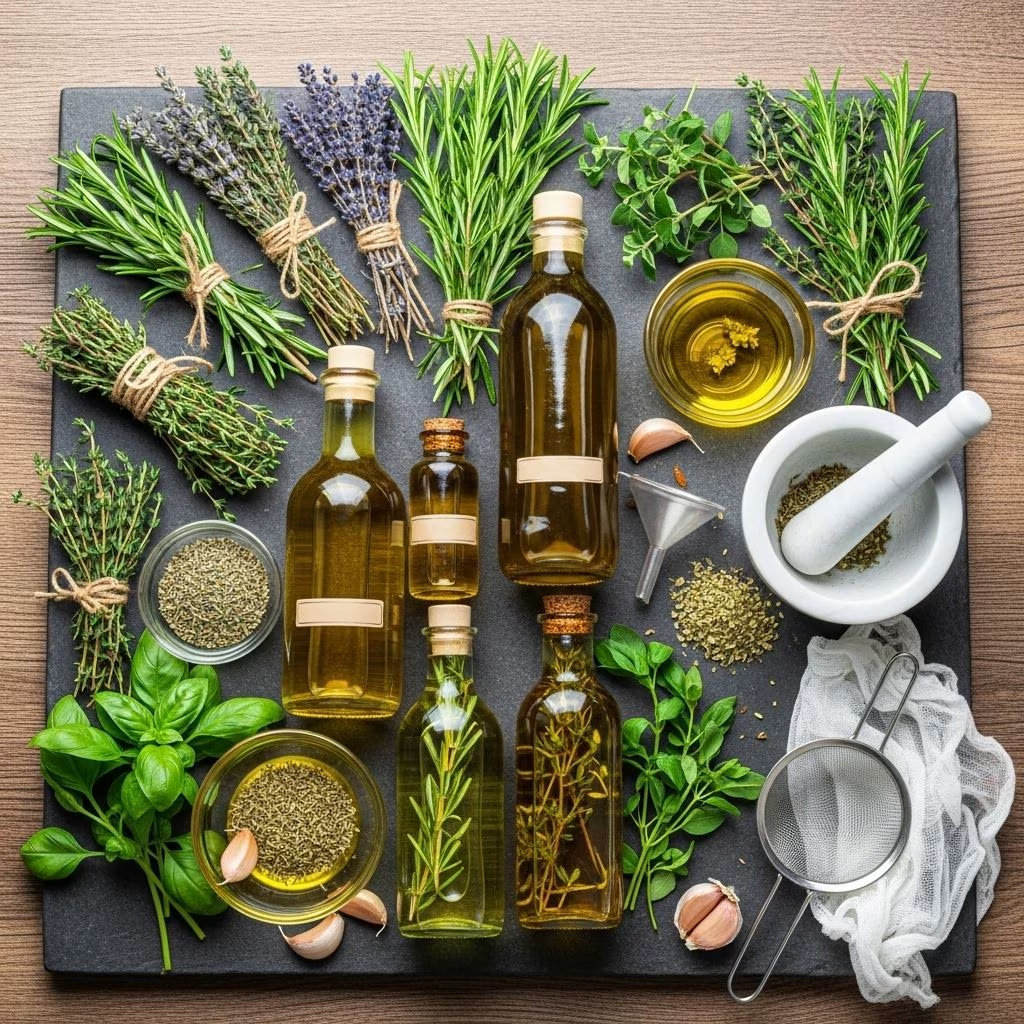
Herb-Infused Oils: A Comprehensive Guide to Crafting Natural Remedies
Herb-infused oils are a foundational element in natural wellness and herbal skincare. When you soak fresh or dried herbs in a carrier oil over several hours or weeks, the oil extracts the plant’s therapeutic compounds, creating a multipurpose remedy with a spectrum of benefits for skin, hair, massage, and homemade healing products.
What Are Herb-Infused Oils?
Herb-infused oils are simply base oils—such as olive, sunflower, or coconut—saturated with the goodness of medicinal plants. This process, distinct from essential oil distillation, utilizes the whole herb and is safe, gentle, and accessible for home remedy makers and professional crafters alike.
- Infused oils involve soaking botanical material in oil for days to weeks to extract fat-soluble compounds.
- Carrier oils are oils like olive or jojoba, serving as the base for infusion.
- Essential oils are potent, volatile plant extracts obtained via distillation (not the same as an herbal infusion, and much more concentrated).
Unlike essential oils, infused oils offer a gentle, full-spectrum approach, making them an ideal ingredient for lotions, balms, salves, and direct use on skin, hair, and scalp.
Why Use Herb-Infused Oils?
Herb-infused oils unlock the potential of botanical medicine. They are used both as standalone treatments and as core ingredients in homemade products such as balms, body butters, creams, massage oils, and cleansing balms.
Main Benefits of Herbal Oil Infusions
- Skin healing: Enhance regeneration, soothe irritation, and support wound healing.
- Anti-inflammatory properties: Reduce swelling and promote comfort in muscle and joint applications.
- Antimicrobial effects: Address minor infections, acne, fungal issues, and balance skin flora.
- Hormonal balance: Some herbs aid in alleviating hormone-related skin problems.
- Lymphatic stimulation: Help remove metabolic waste and stimulate lymph flow.
- Mental and emotional well-being: Certain infusions uplift mood and reduce stress when used for massage or aromatherapy.
Best Herbs for Infused Oils
Popular herbs for infusing include:
- Calendula — renowned for gentle skin healing and anti-inflammatory properties.
- Comfrey — supports tissue repair and cell regeneration.
- Arnica — relieves muscle soreness and promotes recovery from bruising.
- St. John’s Wort — noted for pain relief and soothing nerve-related discomfort.
- Lavender — calms and soothes irritated skin, aids relaxation.
- Rosemary — stimulates circulation and adds invigorating aroma.
- Chickweed, plantain, and yarrow — soothe itching, inflammation, and promote minor wound healing.
- Garlic — in culinary applications, offers antibacterial and immune support benefits.
Best Carrier Oils for Infusing Herbs
- Olive Oil — stable, nourishing, widely available, and suitable for most skin types.
- Sunflower Oil — light, high in vitamin E, quickly absorbed.
- Sweet Almond Oil — gentle and softening, ideal for sensitive skin.
- Jojoba Oil — closely resembles skin’s natural sebum, excellent for balancing oily skin.
- Coconut Oil — solid at room temperature, best for highly moisturizing applications.
Herb-Infused Oil Methods Explained
There are three main techniques for creating your own herb-infused oils. The choice depends on how quickly you want to use your oil and the nature of the plant and oil involved.
1. The Traditional Solar Infusion (Cold Infusion) Method
This is one of the oldest and most reliable ways to extract herbal properties, requiring patience but yielding rich results.
- Fill a clear glass jar halfway with dried herbs (moisture can lead to spoilage).
- Pour your chosen carrier oil over the herbs, fully covering and submerging them. Leave 1–2 inches at the top for expansion.
- Seal the jar tightly and place in a warm, sunny window for 2–6 weeks. Shake gently every day or two.
- When ready, strain through cheesecloth, pressing well to extract all oil. Store in a clean, dark glass bottle.
2. Warm Infusion (Quick Heat or Double Boiler Method)
Great when you want an oil within a few hours for immediate use:
- Combine herbs and oil in a double boiler or a glass bowl set over a pot of water.
- Heat gently on the lowest setting (never exceeding 120-140°F or 50–60°C) for 2–4 hours. Avoid boiling.
- Let cool, then strain and bottle as in the cold infusion method.
3. Oven or Slow Cooker Infusion
- Place herbs and oils in a clean, oven-safe glass dish or bowl.
- Heat at 100–120°F (38–49°C) for 4–8 hours. Alternatively, use a slow cooker set to warm.
- Do not exceed recommended temperatures to prevent oil deterioration.
- Strain and store carefully.
Important Tips for Successful Herb-Infused Oils
- Always use dried herbs for infusions unless specifically instructed otherwise. Water from fresh plants can cause bacterial growth or mold.
- Label bottles with the contents and date of infusion.
- Store in a cool, dark place to maximize shelf life (usually 6–12 months if kept away from heat and light).
- Test a small patch on skin before widespread use, especially when using new herbs or oils.
How to Use Herb-Infused Oils
Infused oils are incredibly versatile. Use them directly or as active ingredients in DIY blends.
- Massage Oils: Relieve muscle tension and nourish the skin.
- Body and Face Oils: Moisturize and protect the skin barrier, especially after bathing.
- Salves and Balms: Blend with beeswax for targeted healing of cuts, scrapes, or chapped skin.
- Hair and Scalp Treatments: Strengthen hair, soothe dry scalps, and encourage healthy growth.
- Cleansing Balms: Dissolve dirt and makeup gently while moisturizing.
- Aromatherapy: Combine with essential oils for stress-relieving or uplifting effects.
- Culinary Uses: For certain edible infusions (e.g., garlic or rosemary in olive oil) use on salads, breads, or as flavor enhancers—exercise caution and follow food safety guidelines.
Safety Considerations and Common Issues
- Botulism risk: Infusing oils with fresh garlic or herbs can encourage growth of Clostridium botulinum in low-oxygen environments. Always use dried herbs, refrigerate high-moisture oils, and consume edible infusions promptly.
- Shelf life: Oils infused with dry, low-moisture herbs stored properly may last 6–12 months.
- Discard any oil that smells rancid, shows visible mold, or has an off color.
- Keep containers tightly closed and protected from heat, sunlight, and air.
Sample Recipes: Favorite Herb-Infused Oils
Calendula-Infused Oil
Great for chapped, irritated, or baby skin.
- Fill a clean, dry jar halfway with dried calendula petals.
- Cover completely with olive or sunflower oil.
- Infuse using the solar or warm method, strain, and store.
Arnica-Infused Oil
Best for bruises, sore muscles, and joint pain (external use only).
- Add dried arnica flowers to olive or almond oil.
- Infuse gently, ensuring oil does not overheat.
- Use in massage blends for muscle recovery.
St. John’s Wort Oil
- Combine dried St. John’s Wort blossoms with sunflower or olive oil.
- The oil often turns a beautiful red due to plant pigments.
- Excellent for soothing nerve discomfort and minor burns.
Herb-Infused Oils vs Essential Oils: A Quick Comparison
| Property | Herb-Infused Oils | Essential Oils |
|---|---|---|
| Source | Whole dried or fresh herbs steeped in carrier oil | Distilled volatile plant compounds |
| Potency | Gentle, suitable for direct use on skin | Potent, requires dilution (never use undiluted on skin) |
| Uses | Massage, skincare, haircare, healing balms, culinary (with caution) | Aromatherapy, perfumery, some therapeutic and household uses |
| Shelf Life | 6-12 months (properly stored) | 1-3 years (if unopened, kept cool and dark) |
| Safety | Low risk, but spoilage possible with moisture; patch test first | Can cause irritation/allergy if misused; toxic if ingested in large amounts |
Connecting with Herbs: The Mind-Body-Spirit Experience
Preparing your own herb-infused oils is more than a practical task; it’s a way to connect with nature and tradition. Planting, tending, harvesting, and infusing herbs invites you to witness the cycle of growth and healing. Even the simple act of crafting an oil can be meditative, bringing joy and mindfulness to your daily routine.
- Growing herbs at home deepens your appreciation for their textures, aromas, and healing qualities.
- Infusing oils is accessible, safe, and empowering—suitable for crafters, caregivers, and natural health enthusiasts.
- Sharing homemade infusions fosters community, tradition, and holistic well-being.
Frequently Asked Questions (FAQs)
Q: Can I use fresh herbs to make infused oil?
A: It’s best to use dried herbs as moisture from fresh material can lead to mold and spoilage. If you must use fresh herbs, wilt them for 12–24 hours prior to infusion, monitor closely for signs of spoilage, and use the oil promptly.
Q: How do I know if my infused oil has gone bad?
A: Signs of spoilage include a rancid or sour smell, cloudiness, visible mold, or bubbles. Discard immediately if you notice any of these.
Q: Which carrier oil is best for sensitive skin?
A: Jojoba and sweet almond oil are mild, non-irritating options commonly well-tolerated by sensitive skin.
Q: Are infused oils safe for use as food?
A: Some culinary infusions (e.g., garlic or rosemary in olive oil) are delicious but must be prepared and stored with care due to risk of botulism. Always use dried ingredients, refrigerate, and consume within a week if unsure.
Q: What is the shelf life of herb-infused oils?
A: Properly strained and stored infused oils made with dried herbs typically last 6–12 months. Always store oils in cool, dark conditions.
Further Resources
- Herb gardening and wildcrafting guides
- Handbooks on herbal medicine making
- Trusted blogs and organizations for advanced home apothecary methods
Disclaimer: This guide is for educational purposes and is not intended as medical advice. Consult a qualified health professional before using herbal preparations, especially if you are pregnant, nursing, on medication, or experiencing chronic conditions.
References
- https://lipglossandaftershave.com/herbal-oil-infusions/
- https://emsherbals.com/blogs/news/essential-oils-vs-infused-oils-what-is-the-difference
- https://www.handmadeapothecary.co.uk/infused-oils-intro
- https://pmc.ncbi.nlm.nih.gov/articles/PMC5439385/
- https://www.chagrinvalleysoapandsalve.com/blogs/idas-soap-box-blog/herbal-infusions-for-skin-care
- https://timesofindia.indiatimes.com/life-style/food-news/from-rosemary-to-garlic-6-herb-infused-oils-their-benefits-and-how-to-make-them/photostory/122975903.cms
- https://rawspicebar.com/blogs/spices-101/infusing-oils-with-herbs-and-spices-at-home
- https://health.clevelandclinic.org/essential-oils-101-do-they-work-how-do-you-use-them
- https://joshrosebrook.com/blogs/articles/infusion-confusion


