


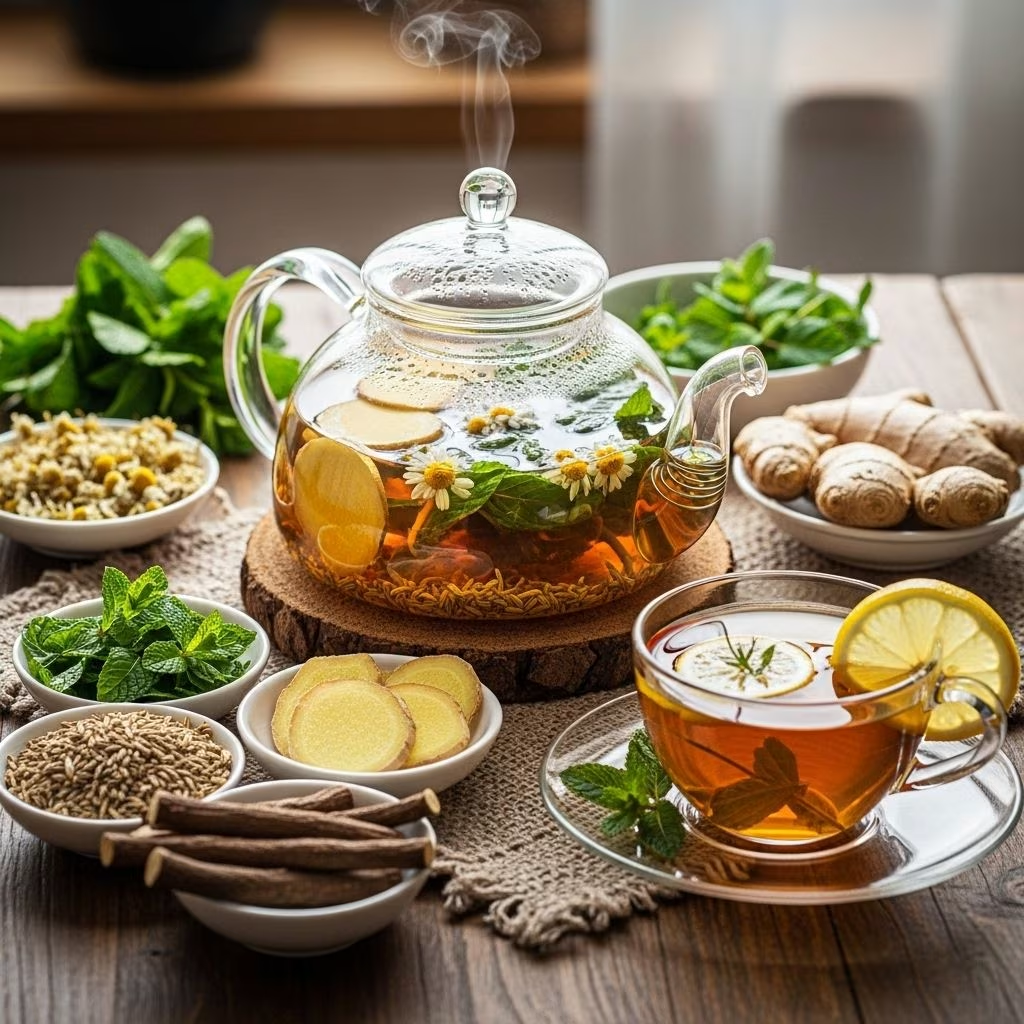
Introduction to Healing Herbs
For centuries, herbs have been used to treat a wide range of health conditions, from digestive issues and respiratory problems to stress and anxiety. These natural remedies offer an alternative to pharmaceutical drugs, providing a holistic approach to health and wellness. In this article, we will explore some of the most effective healing herbs for common ailments, highlighting their benefits and how they can be used.
Popular Healing Herbs
Here are some of the most commonly used healing herbs:
- Astragalus Root: Known for its immune-boosting properties, astragalus root is used in Traditional Chinese Medicine to enhance overall health and resilience against stress and disease.
- Barberry: Rich in berberine, barberry is recognized for its antibacterial and antifungal properties, aiding in the treatment of infections and supporting liver health.
- Basil: With its anti-inflammatory and antibacterial properties, basil is not only a culinary delight but also a natural remedy for stress and digestive issues.
- Echinacea: Famous for its ability to boost the immune system, echinacea is often used to prevent or treat colds, flu, and other infections.
- Ginger: Known for its effectiveness in alleviating nausea and motion sickness, ginger also has anti-inflammatory properties beneficial for digestive health.
- St. John’s Wort: Often used to treat mild to moderate depression and anxiety, St. John’s Wort is a natural alternative to pharmaceutical antidepressants.
Herbs for Specific Ailments
Respiratory Issues
Herbs like echinacea and ginger can help alleviate respiratory infections by boosting immunity and reducing inflammation.
Digestive Problems
Ginger, basil, and bay leaves are known for their digestive benefits, helping to ease nausea and improve digestion.
Stress and Anxiety
Holy basil and St. John’s Wort are effective in managing stress and anxiety, offering a natural approach to mental health.
Preparation Methods
Herbs can be prepared in various forms, including teas, tinctures, capsules, and topical ointments. Each method has its own advantages and can be chosen based on the desired effect and personal preference.
Frequently Asked Questions (FAQs)
Q: Which herbs are best for improving immune function?
A: Herbs like echinacea and astragalus root are well-known for their immune-boosting properties.
Q: How can I use herbs to alleviate digestive issues?
A: Herbs such as ginger and basil can help ease nausea and improve digestion. They can be consumed as teas, added to meals, or taken in supplement form.
Q: Are there any potential interactions with prescription medications?
A: Yes, some herbs like St. John’s Wort can interact with certain medications, reducing their effectiveness. It is always recommended to consult with a healthcare provider before using herbal remedies.
Conclusion
Healing herbs offer a natural and holistic approach to health, providing relief for a variety of common ailments without the need for pharmaceutical drugs. By understanding the properties and uses of these herbs, individuals can take a proactive role in maintaining their health and well-being.
References
- https://draxe.com/nutrition/top-herbs-spices-healing/
- https://www.betterhealth.vic.gov.au/health/conditionsandtreatments/herbal-medicine
- https://www.barnesandnoble.com/w/encyclopedia-of-herbal-medicine-new-edition-andrew-chevallier/1142779012
- https://www.urmc.rochester.edu/encyclopedia/content?contenttypeid=1&contentid=1169
- https://www.healthline.com/health/home-remedies
- https://www.nccih.nih.gov/health/herbsataglance
- https://sowtrueseed.com/products/books-herbs-for-common-ailments


