


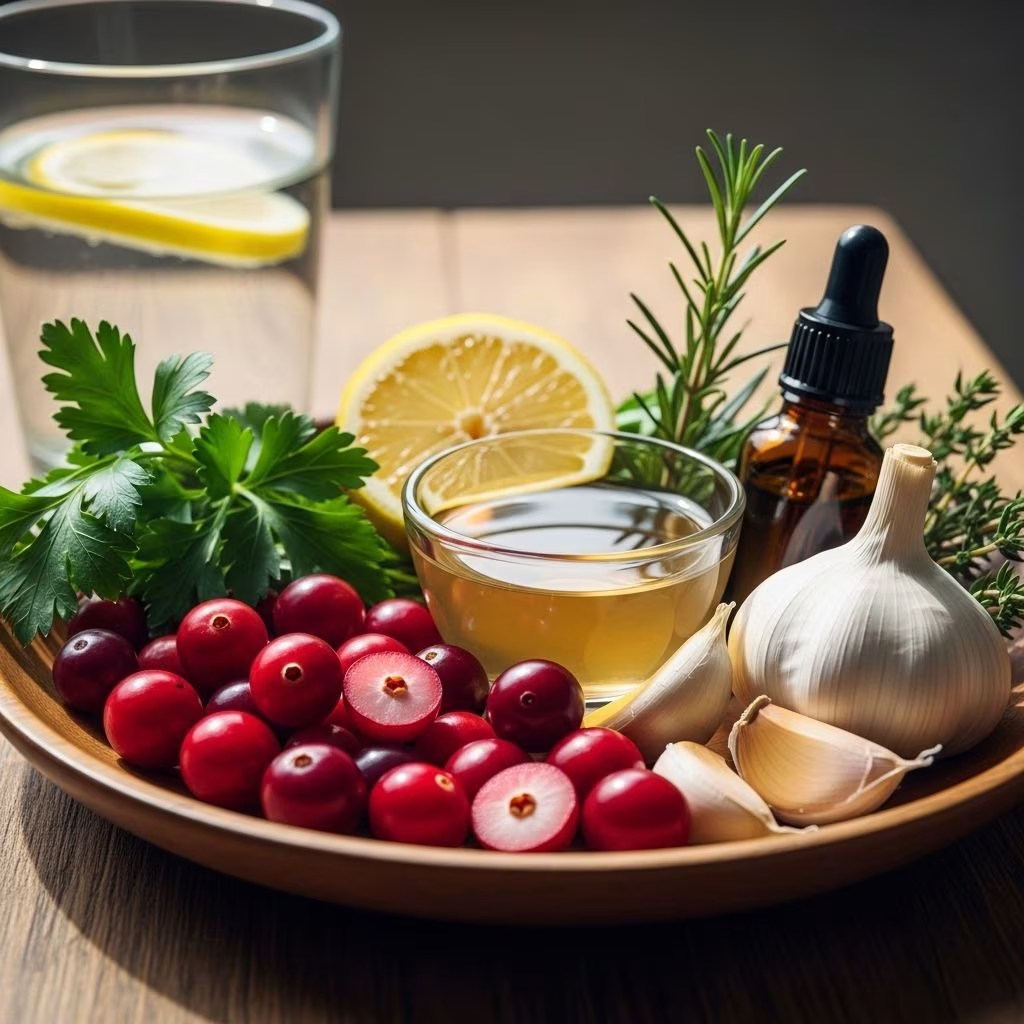
Recurrent urinary tract infections (UTIs) affect millions of people worldwide, causing significant discomfort and disruption to daily life. While antibiotics remain the primary treatment for active infections, many individuals seek natural remedies to prevent recurrence and reduce their dependence on pharmaceutical interventions. This comprehensive guide explores evidence-based natural approaches to managing and preventing recurrent UTIs, offering practical solutions for those who experience frequent infections.
Understanding the underlying causes of recurrent UTIs is essential before embarking on any natural treatment regimen. These infections typically occur when bacteria, most commonly Escherichia coli (E. coli), enter the urinary tract and multiply in the bladder. Women are particularly susceptible due to their shorter urethra, which provides bacteria easier access to the bladder. Factors such as sexual activity, hormonal changes, certain contraceptive methods, and underlying health conditions can increase the risk of developing recurrent infections.
Understanding Recurrent Urinary Tract Infections
Recurrent UTIs are defined as having two or more infections within six months or three or more within a year. The recurring nature of these infections can significantly impact quality of life, leading many to explore complementary and alternative approaches alongside conventional medical care. While natural remedies should not replace medical treatment for active infections, they may play a valuable role in prevention strategies and overall urinary tract health maintenance.
The symptoms of UTIs are unmistakable for those who have experienced them: a burning sensation during urination, frequent urges to urinate even when the bladder is nearly empty, cloudy or strong-smelling urine, and pelvic discomfort. When infections become recurrent, the physical and emotional toll can be substantial, affecting work productivity, intimate relationships, and overall well-being.
Evidence-Based Natural Remedies for UTI Prevention
Several natural compounds have been studied for their potential to prevent and manage recurrent UTIs. While the strength of evidence varies, many of these remedies show promise and have been used in traditional medicine practices for centuries. Understanding which natural interventions have scientific support can help individuals make informed decisions about incorporating them into their prevention strategies.
D-Mannose: A Promising Sugar Supplement
D-mannose has emerged as one of the most promising natural remedies for preventing recurrent UTIs. This simple sugar, naturally found in cranberries and other fruits, works through a unique mechanism. When consumed, D-mannose is excreted through the urine where it binds to E. coli bacteria, preventing them from adhering to the urinary tract walls. This allows the bacteria to be flushed out during urination rather than establishing an infection.
Research suggests that D-mannose may be particularly effective for prevention rather than treatment of active infections. The typical dosage ranges from 1.5 to 3 grams daily for prevention, though individuals should consult with healthcare providers for personalized recommendations. Unlike antibiotics, D-mannose does not disrupt the body’s beneficial bacteria, making it an attractive option for long-term prevention strategies.
Cranberry: Beyond the Juice
Cranberry products have long been associated with urinary tract health, though the evidence supporting their effectiveness is mixed. The theoretical mechanism involves compounds called proanthocyanidins (PACs) that may prevent bacteria from adhering to the urinary tract lining. However, the concentration of these compounds varies significantly between different cranberry products.
While drinking cranberry juice has been a popular home remedy, many commercial juices contain high amounts of added sugar, which may actually be counterproductive. Concentrated cranberry supplements or unsweetened cranberry juice may be more beneficial options. Research suggests cranberry may be more useful for prevention of recurrent UTIs rather than treating active infections, with the evidence supporting its use as a preventive measure being more robust than for treatment.
Uva Ursi: The Traditional Bearberry Remedy
Uva ursi, also known as bearberry leaf, represents a traditional herbal approach to urinary tract health that has been used for centuries across various cultures. The plant contains arbutin, a compound that demonstrates antibacterial properties, particularly against E. coli bacteria. After consumption, arbutin is converted in the body to hydroquinone, which provides the antimicrobial effect.
Available research on uva ursi shows mixed results. One older study found that combining uva ursi with dandelion root significantly reduced UTI recurrence compared to placebo, while a more recent study showed no difference when used to treat active infections. The safe dosage is considered to be 200-840 mg of hydroquinone derivatives daily, calculated as anhydrous arbutin. However, uva ursi should not be used long-term, with recommendations limiting use to 1-2 weeks at a time due to potential risks to liver and kidney function.
Probiotics: Restoring Beneficial Bacteria
Probiotics, particularly strains of Lactobacillus, have gained attention for their potential role in preventing recurrent UTIs. These beneficial bacteria may help maintain a healthy urinary and vaginal microbiome, creating an environment less hospitable to pathogenic bacteria. Lactobacillus strains can produce lactic acid and other substances that inhibit the growth of harmful bacteria.
The evidence for probiotics in UTI prevention is promising but still developing. Probiotics may be particularly useful for women who experience recurrent UTIs, as they can help restore the natural bacterial balance disrupted by repeated antibiotic use. Both oral supplements and vaginal suppositories containing Lactobacillus have been studied, with some research suggesting that vaginal application may be more effective for preventing UTIs.
Garlic: Nature’s Antibiotic
Garlic has been valued for its antimicrobial properties throughout history, and modern research continues to investigate its potential for preventing and treating UTIs. Allicin, the compound responsible for garlic’s distinctive odor, demonstrates broad-spectrum antimicrobial activity against various bacteria, including those commonly responsible for UTIs.
While test-tube studies show promising antibacterial effects, human clinical trials specifically examining garlic’s effectiveness for UTIs are limited. Some research suggests that combining garlic with other natural remedies, such as cranberry and parsley, may help prevent UTI recurrence. Fresh garlic or aged garlic extract supplements may be incorporated into a comprehensive prevention strategy, though more research is needed to establish optimal dosing and effectiveness.
Herbal Teas for Urinary Tract Health
Various herbal teas have been traditionally used to support urinary tract health and may offer complementary benefits in preventing recurrent UTIs. While scientific evidence for many of these teas is limited, their low risk profile makes them attractive options for those seeking natural approaches.
Green Tea Benefits
Green tea contains powerful antioxidants called catechins, which have demonstrated antimicrobial properties in laboratory studies. These compounds may help inhibit bacterial growth and reduce inflammation in the urinary tract. Regular consumption of green tea may support overall urinary tract health as part of a comprehensive prevention strategy.
Parsley Tea for Gentle Diuretic Effect
Parsley tea has been used in traditional medicine for its mild diuretic properties, which may help flush bacteria from the urinary tract. Case reports have documented successful UTI prevention when parsley tea was combined with garlic and cranberry extract in women with chronic infections. The diuretic effect increases urine production, potentially helping to wash out bacteria before they can establish an infection.
Chamomile Tea for Inflammation
Chamomile possesses anti-inflammatory and weak diuretic properties, along with compounds that may inhibit bacterial growth. While scientific evidence specifically for UTI prevention is lacking, chamomile’s gentle nature and overall health benefits make it a reasonable addition to a holistic approach to urinary tract health.
Mint Tea’s Antibacterial Properties
Peppermint and other mint varieties contain compounds that have shown antibacterial effects against E. coli and other UTI-causing bacteria in laboratory settings. Some research suggests mint compounds may even help reduce bacterial resistance to antibiotics, though human studies are needed to confirm these findings.
Lifestyle Modifications for UTI Prevention
Beyond supplements and herbal remedies, several lifestyle modifications can significantly reduce the risk of recurrent UTIs. These practical strategies address the underlying factors that contribute to infection development and can be easily incorporated into daily routines.
Hydration and Urinary Habits
Maintaining adequate hydration is fundamental to urinary tract health. Drinking plenty of water throughout the day helps dilute urine and promotes frequent urination, which flushes bacteria from the urinary tract before they can multiply and cause infection. Aim for at least 6-8 glasses of water daily, adjusting based on activity level and climate.
Practicing good urinary habits is equally important. Never delay urination when the urge arises, as holding urine allows bacteria more time to multiply in the bladder. Urinating before and after sexual activity helps flush out any bacteria that may have been introduced. Women should always wipe from front to back after using the bathroom to prevent bacteria from the rectal area from spreading to the urethra.
Dietary Considerations
Diet plays a role in urinary tract health beyond specific supplements. Reducing sugar intake may be beneficial, as high sugar consumption can potentially promote bacterial growth. Some individuals find that avoiding bladder irritants such as caffeine, alcohol, spicy foods, and artificial sweeteners helps reduce UTI frequency, though scientific evidence for these dietary restrictions is limited.
Incorporating vitamin C-rich foods into the diet may help acidify urine, creating a less favorable environment for bacterial growth. Citrus fruits, bell peppers, strawberries, and broccoli are excellent sources. However, excessive vitamin C supplementation should be approached cautiously and under medical supervision, as very high doses may cause other health issues.
Personal Hygiene Practices
Proper hygiene practices can significantly reduce UTI risk. Choose breathable cotton underwear and avoid tight-fitting pants that trap moisture and create an environment conducive to bacterial growth. Change out of wet swimsuits or workout clothes promptly. Avoid using harsh soaps, douches, or feminine hygiene sprays in the genital area, as these can disrupt the natural bacterial balance and increase infection risk.
Additional Natural Supplements Under Investigation
Several other natural compounds are being studied for their potential role in UTI prevention and treatment, though evidence for their effectiveness varies considerably.
Vitamin C (Ascorbic Acid)
Vitamin C may help prevent UTIs by acidifying urine, making it less hospitable to bacteria. Some research suggests vitamin C supplementation can reduce UTI occurrence, though results have been inconsistent. Typical preventive doses range from 500-1000 mg daily, but individuals should consult healthcare providers before starting high-dose supplementation.
Canephron N
This herbal preparation combines centaury, lovage root, and rosemary leaves. Some studies suggest it may be as effective as antibiotics for treating UTIs, though more research is needed to confirm these findings. It may work through anti-inflammatory and antimicrobial mechanisms.
Horseradish and Nasturtium
These plants contain compounds called isothiocyanates, which demonstrate antimicrobial properties. A combination of horseradish and nasturtium has been studied for preventing recurrent UTIs, with some promising results. The combination may help reduce the frequency of infections when used as a preventive measure.
Important Considerations and Precautions
While natural remedies offer potential benefits for preventing recurrent UTIs, several important considerations must be kept in mind. First and foremost, natural remedies should not replace antibiotic treatment for active UTIs. Once bacteria have established an infection in the urinary tract, antibiotics are the only proven effective treatment to clear the infection safely.
Attempting to self-diagnose and treat UTIs without medical supervision is not recommended. If you suspect you have a UTI, seek medical attention promptly. Untreated UTIs can lead to serious complications, including kidney infections that may cause permanent damage. Symptoms such as fever, back pain, nausea, or vomiting may indicate the infection has spread to the kidneys and requires immediate medical attention.
When considering natural supplements, remember that the FDA does not regulate these products with the same rigor as pharmaceutical medications. Quality, purity, and potency can vary significantly between brands. Choose products that have been independently tested by third-party organizations such as NSF International, USP, or ConsumerLab to ensure you’re getting what the label claims.
Always discuss natural remedies with your healthcare provider, especially if you’re pregnant, breastfeeding, taking other medications, or have underlying health conditions. Some natural products can interact with medications or may not be safe during pregnancy. Your healthcare provider can help you develop a safe, effective prevention strategy tailored to your individual circumstances.
Creating a Comprehensive Prevention Plan
The most effective approach to preventing recurrent UTIs typically involves combining multiple strategies rather than relying on a single remedy. Work with your healthcare provider to develop a personalized prevention plan that may include:
A combination of evidence-based natural supplements such as D-mannose or cranberry products for daily prevention. Probiotic supplementation to maintain healthy urinary and vaginal microbiomes, particularly if you’ve had recent antibiotic treatment. Adequate daily hydration with at least 6-8 glasses of water. Proper hygiene practices and urinary habits, including urinating after sexual activity. Regular monitoring and follow-up with your healthcare provider to assess the effectiveness of your prevention strategy and make adjustments as needed.
Keep a symptom diary to track potential triggers and the effectiveness of different prevention strategies. Note factors such as sexual activity, menstrual cycle, dietary changes, stress levels, and any supplements you’re taking. This information can help you and your healthcare provider identify patterns and optimize your prevention plan.
When to Seek Medical Attention
Despite best prevention efforts, breakthrough UTIs may still occur. Recognizing when to seek medical attention is crucial for preventing complications. Contact your healthcare provider if you experience typical UTI symptoms such as burning during urination, urgency, frequency, or pelvic discomfort. Seek immediate medical attention for severe symptoms including high fever, severe back or side pain, nausea and vomiting, confusion, or blood in urine.
If you experience more than two UTIs within six months or three within a year despite implementing prevention strategies, discuss this with your healthcare provider. You may need further evaluation to identify underlying factors contributing to recurrence, such as anatomical abnormalities, incomplete bladder emptying, kidney stones, or other conditions that may require specific treatment.
Frequently Asked Questions About Natural UTI Remedies
Q: Can cranberry juice cure an active UTI?
A: No, cranberry juice cannot cure an active UTI. While cranberry products may help prevent future infections, antibiotics are the only effective treatment for clearing an established UTI. Once bacteria have colonized the urinary tract, they must be eliminated with antimicrobial medication prescribed by a healthcare provider.
Q: How long does D-mannose take to work for UTI prevention?
A: When used for prevention, D-mannose typically needs to be taken consistently for several weeks to months to see results. It works by preventing bacteria from adhering to the urinary tract walls, so regular daily use is necessary to maintain protective effects. Individual response times may vary, and it should be taken as directed by your healthcare provider.
Q: Are natural remedies safe to use during pregnancy?
A: Not all natural remedies are safe during pregnancy. Some herbs and supplements can affect pregnancy or interact with prenatal vitamins. Always consult with your obstetrician or healthcare provider before taking any natural supplements during pregnancy. They can recommend safe options for preventing UTIs during this vulnerable time.
Q: Can I stop taking antibiotics if I start natural remedies?
A: No, never stop prescribed antibiotics without consulting your healthcare provider. If you have an active UTI and have been prescribed antibiotics, it’s essential to complete the full course as directed, even if symptoms improve. Natural remedies can be used alongside antibiotics and for prevention after treatment is complete, but they cannot replace antibiotics for treating active infections.
Q: How much water should I drink daily to prevent UTIs?
A: Most healthcare providers recommend drinking at least 6-8 glasses (48-64 ounces) of water daily to help prevent UTIs. This amount should be adjusted based on your activity level, climate, and individual needs. The goal is to produce clear or pale yellow urine and to urinate regularly throughout the day, which helps flush bacteria from the urinary tract.
Q: Do probiotics need to be refrigerated to be effective?
A: This depends on the specific probiotic strain and formulation. Some probiotics require refrigeration to maintain potency, while others are shelf-stable. Always follow the storage instructions on the product label. Choose products from reputable manufacturers that guarantee the number of live organisms through the expiration date.
Q: Can men use the same natural remedies for UTI prevention?
A: Yes, many natural remedies like D-mannose, cranberry, and increased hydration can benefit men as well as women. However, recurrent UTIs in men are less common and may indicate an underlying condition such as prostate problems that requires medical evaluation. Men experiencing recurrent UTIs should consult with a urologist for proper assessment.
Q: Is it safe to take multiple natural supplements together?
A: While many natural supplements can be safely combined, it’s important to discuss your complete supplement regimen with a healthcare provider. Some combinations may interact with each other or with prescription medications. Your provider can help you create a safe, effective supplement schedule that minimizes potential interactions while maximizing benefits.
The Role of Medical Supervision
While this guide provides comprehensive information about natural approaches to preventing recurrent UTIs, it’s essential to emphasize that medical supervision remains crucial. Healthcare providers can perform necessary tests to confirm UTI diagnoses, rule out complications, and identify underlying factors contributing to recurrence. They can also help monitor the effectiveness of your prevention strategies and make evidence-based adjustments as needed.
Regular communication with your healthcare team ensures that you’re using natural remedies safely and effectively while still having access to conventional treatments when necessary. Many providers are open to discussing integrative approaches that combine the best of conventional and complementary medicine, creating personalized treatment plans that address your unique needs and preferences.
Remember that preventing recurrent UTIs often requires patience and persistence. What works for one person may not work for another, and finding the right combination of strategies may take time. Stay committed to your prevention plan, keep detailed records of your symptoms and interventions, and work closely with your healthcare provider to achieve optimal urinary tract health and reduce the burden of recurrent infections.
References
- https://www.nebraskamed.com/womens-health/gynecology/9-home-remedies-for-utis-how-to-get-rid-of-bladder-infections
- https://www.healthline.com/nutrition/herbs-for-uti
- https://nhcancerclinics.com/blog/goodbye-utis-top-10-home-remedies-for-uti-treatments-that-works/
- https://www.goodrx.com/conditions/urinary-tract-infection/get-rid-of-uti-fast
- https://health.clevelandclinic.org/home-remedies-for-uti
- https://www.goodrx.com/conditions/urinary-tract-infection/treatment-without-antibiotics


