


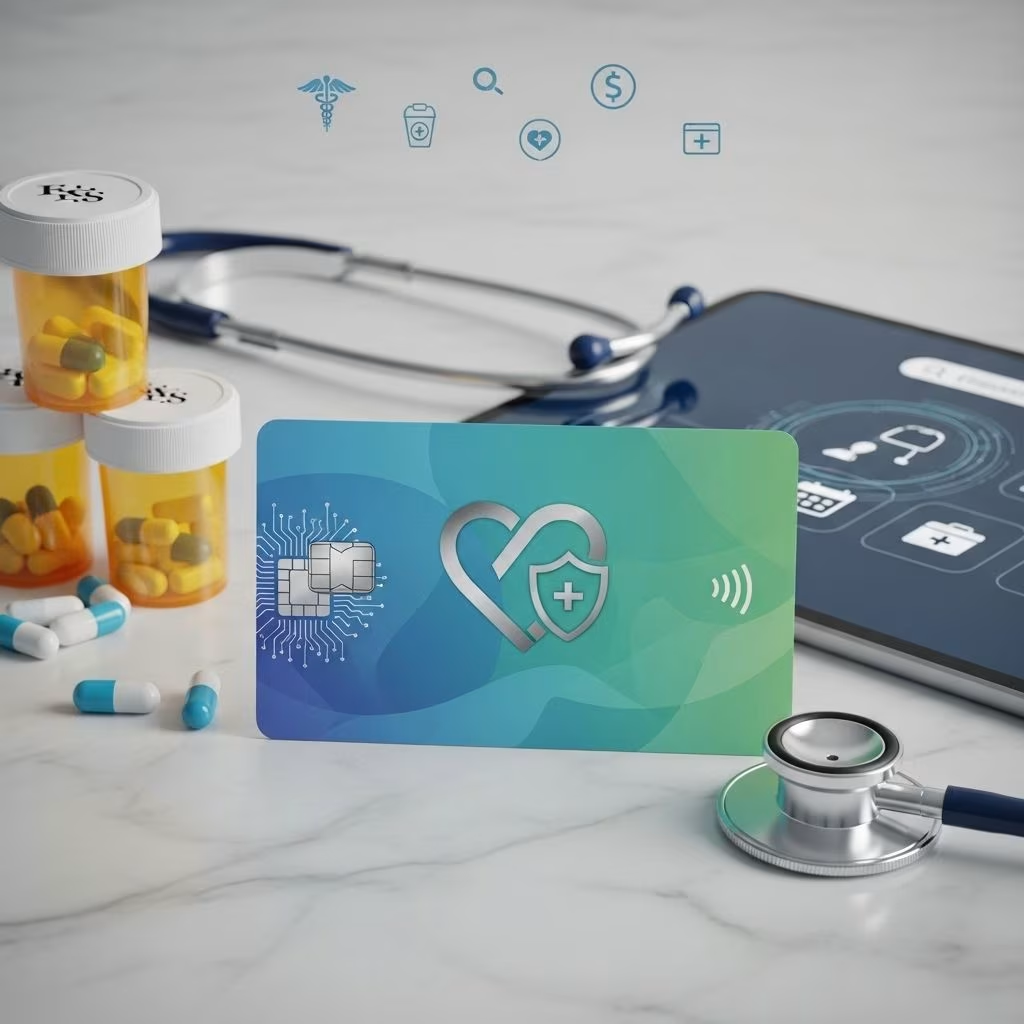
In today’s complex healthcare landscape, understanding your health benefits card is crucial for accessing quality medical care while managing costs effectively. Whether you’re navigating employer-provided coverage, government programs, or private insurance, your health benefits card serves as your key to unlocking essential healthcare services.
What is a Health Benefits Card?
A health benefits card, also known as a health insurance card, medical card, or policy card, is an official document provided by insurance companies or healthcare benefit administrators. This card serves as proof of your medical coverage and contains essential information needed to access healthcare services, process claims, and verify your eligibility for various medical treatments.
The primary purpose of a health benefits card is to streamline the healthcare experience by providing instant access to your coverage information. When you present this card at hospitals, clinics, or pharmacies, healthcare providers can quickly verify your insurance status, understand your coverage limits, and process payments or claims accordingly.
Modern health benefits cards have evolved significantly from simple identification documents to comprehensive tools that facilitate cashless transactions, digital access, and seamless integration with healthcare systems. They represent your gateway to the healthcare benefits you’ve earned through employment, purchased privately, or qualified for through government programs.
Types of Health Benefits Cards
Understanding the different types of health benefits cards helps you navigate the healthcare system more effectively and make informed decisions about your medical care.
Employer-Provided Health Cards
These cards are issued to employees covered under group health insurance plans offered by their organizations. The employer typically selects the insurance provider and plan structure, negotiating benefits on behalf of all covered employees. These cards often extend coverage to dependents, including spouses, children, and sometimes parents, depending on the specific plan terms.
Employer-provided health cards usually offer comprehensive coverage for both planned and emergency medical treatments at network hospitals that have partnerships with the insurance provider. The benefits often include preventive care, specialist consultations, diagnostic tests, and hospitalization coverage.
Government-Issued Health Cards
Government-backed health insurance cards are provided under various public health programs designed to make healthcare accessible to citizens, particularly those from economically disadvantaged backgrounds. In the United States, these include Medicaid cards, while other countries have their own national health service cards.
These cards typically provide access to healthcare benefits in government hospitals and approved private healthcare facilities. The coverage often focuses on essential medical services, emergency care, and preventive health measures to ensure basic healthcare access for all eligible citizens.
Private Health Insurance Cards
Private health insurance cards are issued when individuals or families purchase health insurance policies directly from insurance companies. These cards are linked to personally selected policies and can be customized based on individual healthcare needs and budget considerations.
Private health cards often offer more flexibility in terms of hospital choices, specialist access, and treatment options. They typically provide both cashless treatment options at network hospitals and reimbursement facilities for treatments at non-network healthcare providers.
Specialized Benefit Cards
Several specialized health benefit cards serve specific purposes within the broader healthcare system:
Health Savings Account (HSA) Cards: These cards help individuals with high-deductible health plans access funds set aside for medical expenses. HSA funds can be used for current healthcare costs and saved for future medical needs, offering tax advantages and long-term healthcare planning benefits.
Flexible Spending Account (FSA) Cards: FSA cards allow employees to use pre-tax dollars for qualified medical expenses. These accounts typically operate on a use-it-or-lose-it basis, encouraging timely utilization of allocated healthcare funds.
Health Reimbursement Arrangement (HRA) Cards: HRAs are employer-funded accounts that help employees pay for qualified medical expenses. These cards are often paired with high-deductible health plans to provide comprehensive coverage while managing costs.
Pharmacy Benefit Cards: Some insurance plans issue separate cards specifically for prescription medication coverage. These cards contain unique identifiers like RxBIN, RxPCN, and RxGroup numbers that pharmacies use to process prescription claims and determine coverage.
Key Components of a Health Card
Every health benefits card contains critical information that healthcare providers and pharmacies need to process your care and claims efficiently.
Personal Information Section
This section includes your full name, gender, date of birth, and details of family members covered under the health insurance policy. This information helps healthcare providers verify your identity and ensure that the person receiving care matches the cardholder information.
Policy Identification Details
The policy number or unique plan ID is one of the most important elements on your health card. Healthcare providers use this number to verify your coverage, check eligibility for specific treatments, and process claims. This number links directly to your insurance policy in the provider’s database system.
Insurance Provider Information
Your card displays the name and logo of your insurance company, along with essential contact information including emergency numbers, toll-free customer service lines, and claims processing contact details. This information is crucial when you need immediate assistance or have questions about your coverage.
Coverage Information
Many health cards include brief summaries of your policy coverage, such as the sum insured, specific treatments covered, types of hospitalization included, co-payment amounts, and deductible information. This quick reference helps both you and healthcare providers understand your coverage limits and financial responsibilities.
Validity and Network Information
The card shows the expiry date of your health insurance coverage, which typically coincides with your policy renewal date. Some cards also include information about network hospitals and the preferred provider network associated with your plan.
Benefits and Advantages
Health benefits cards offer numerous advantages that simplify healthcare access and improve your overall medical experience.
Streamlined Healthcare Access
Your health benefits card serves as an instant key to healthcare services. When you present your card at medical facilities, staff can quickly access your coverage information, reducing wait times and eliminating the need for lengthy verification processes. This streamlined access is particularly valuable during emergency situations when time is critical.
Cashless Treatment Options
One of the most significant advantages of health benefits cards is the ability to receive cashless treatment at network hospitals. Instead of paying medical bills upfront and waiting for reimbursement, the hospital directly settles expenses with your insurance provider. This eliminates financial stress during medical emergencies and ensures you receive necessary care without immediate out-of-pocket expenses.
Immediate Coverage Verification
Healthcare providers can instantly verify your insurance coverage using the information on your health card. This immediate verification prevents delays in treatment, reduces administrative burden, and ensures that you receive appropriate care within your coverage parameters.
Access to Network Benefits
Your health benefits card identifies you as a member of your insurance provider’s network, giving you access to negotiated rates, preferred pricing, and enhanced services at partner hospitals and clinics. Network membership often includes additional benefits like priority scheduling, specialized services, and comprehensive care coordination.
Emergency Support Access
Most health benefit cards include emergency contact information that provides 24/7 access to customer support, claim assistance, and medical emergency coordination. This support system ensures you can get help whenever you need it, regardless of location or time.
Simplified Claims Processing
When you use your health benefits card, the claims processing becomes largely automated. Healthcare providers can submit claims directly to your insurance company, reducing paperwork, minimizing errors, and speeding up the reimbursement process for both you and the healthcare facility.
How to Use Your Health Benefits Card
Maximizing the benefits of your health card requires understanding proper usage procedures and best practices.
At Healthcare Facilities
When visiting hospitals, clinics, or medical offices, present your health benefits card during registration or check-in. The staff will scan or manually enter your policy information to verify coverage and determine your financial responsibility for the services you’ll receive.
Always carry your physical card or ensure you have digital access through your insurance provider’s mobile app. Some facilities may require photo identification along with your health card to prevent fraud and ensure proper identity verification.
For Prescription Medications
When filling prescriptions, present your health benefits card to the pharmacy staff. If you have a separate pharmacy benefit card, make sure to use the correct card that contains the necessary prescription processing information including RxBIN, RxPCN, and RxGroup numbers.
Pharmacies use this information to determine your medication coverage, calculate co-payments, and process claims with your insurance provider. Keep receipts for all prescription purchases, as you may need them for tax purposes or if your insurance company requests documentation.
During Emergency Situations
In medical emergencies, present your health benefits card as soon as possible, but don’t let the absence of your card delay necessary treatment. Most insurance policies cover emergency care regardless of whether you can present your card immediately.
Emergency rooms are required to provide stabilizing treatment regardless of your ability to pay, but having your health card available helps ensure proper billing and reduces your personal financial responsibility for emergency services.
Digital vs Physical Health Cards
The healthcare industry has embraced digital transformation, leading to the development of digital health benefit cards that offer the same functionality as traditional physical cards.
Digital Health Cards
Digital health cards are electronic versions of your physical insurance card that can be accessed through your insurance provider’s mobile application or downloaded as digital files. These digital cards contain all the same information as physical cards and are accepted by most healthcare providers and pharmacies.
The advantages of digital cards include instant access, reduced risk of loss, easy sharing with healthcare providers, and automatic updates when policy information changes. Many people find digital cards more convenient since they’re always available on smartphones and don’t require physical storage or replacement when damaged.
Physical Health Cards
Traditional physical health benefit cards remain important, especially in situations where digital access may be limited or when healthcare providers prefer physical documentation. Physical cards serve as reliable backup options when smartphones are damaged, batteries are dead, or digital systems are temporarily unavailable.
Many insurance companies now provide both digital and physical options, allowing cardholders to choose their preferred method or use both depending on the situation.
Maximizing Your Health Benefits
Understanding how to fully utilize your health benefits card can significantly impact your healthcare costs and treatment outcomes.
Know Your Network
Familiarize yourself with your insurance provider’s network of hospitals, clinics, and healthcare professionals. Using in-network providers typically results in lower out-of-pocket costs and streamlined billing processes. Your insurance company’s website or mobile app usually includes provider directories and network search tools.
Understand Coverage Limits
Review your policy details to understand coverage limits, co-payment requirements, deductibles, and excluded services. This knowledge helps you make informed decisions about treatment options and avoid unexpected expenses.
Utilize Preventive Care Benefits
Most health benefit plans include coverage for preventive care services like annual check-ups, vaccinations, and health screenings at no additional cost. Taking advantage of these benefits can help detect health issues early and prevent more serious conditions that require expensive treatment.
Keep Documentation
Maintain records of all healthcare services, prescriptions, and insurance communications. This documentation is valuable for tracking your healthcare spending, preparing tax returns, and resolving any billing disputes that may arise.
Common Challenges and Solutions
While health benefits cards simplify healthcare access, users may encounter various challenges that require practical solutions.
Card Loss or Damage
If your physical health benefits card is lost, stolen, or damaged, contact your insurance provider immediately to request a replacement. Most companies can provide temporary coverage verification while you wait for a new card. Digital cards eliminate this concern since they can be instantly reaccessed through mobile apps.
Coverage Disputes
When healthcare providers question your coverage or claim that services aren’t covered, contact your insurance company’s member services department for clarification. Having your policy documents and understanding your benefits helps resolve these disputes more quickly.
Network Confusion
If you’re unsure whether a healthcare provider is in your network, verify their status before receiving non-emergency services. Most insurance companies provide online tools and phone support to help you confirm network participation and estimate your costs.
Prescription Coverage Issues
If pharmacies have trouble processing your prescription benefits, ensure you’re using the correct card with proper pharmaceutical processing information. Some insurance plans require prior authorization for certain medications, which may cause temporary coverage delays.
Frequently Asked Questions
Q: What should I do if I forget my health benefits card during a medical appointment?
A: Most healthcare providers can look up your insurance information using your personal details like name, date of birth, and social security number. You can also access digital versions through your insurance company’s mobile app or call your insurance provider for temporary coverage verification.
Q: Can I use my health benefits card at any hospital or clinic?
A: While your card provides coverage identification, using in-network providers typically results in lower costs and streamlined processing. You can usually receive care at out-of-network facilities, but you may face higher deductibles, co-payments, or limited coverage.
Q: How often should I update my health benefits card information?
A: Your insurance company will automatically issue new cards when your policy renews or when significant changes occur. However, you should verify that your personal information is current and notify your insurer of any changes in address, family status, or employment that might affect your coverage.
Q: What’s the difference between HSA, FSA, and HRA cards?
A: HSA cards access individually-owned health savings accounts that roll over annually and offer tax advantages. FSA cards use employer-provided funds on a use-it-or-lose-it basis. HRA cards access employer-funded accounts that often complement high-deductible health plans. Each has different contribution limits, eligibility requirements, and usage rules.
Q: Are digital health cards as secure as physical cards?
A: Digital health cards use encryption and secure authentication methods that often provide better security than physical cards. However, you should protect your mobile device with passwords and avoid sharing digital card information through unsecured channels.
Conclusion
Health benefits cards represent a crucial tool in modern healthcare, serving as your gateway to medical services, prescription coverage, and financial protection against healthcare costs. Whether you have employer-provided coverage, government insurance, or private health plans, understanding how to effectively use your health benefits card can significantly impact your healthcare experience and expenses.
The evolution from traditional physical cards to digital alternatives has made healthcare access more convenient while maintaining the security and functionality that healthcare providers and patients need. By familiarizing yourself with your card’s components, understanding different card types, and learning to navigate common challenges, you can maximize your healthcare benefits and ensure seamless access to medical care.
As healthcare continues evolving, health benefits cards will likely become even more integrated with digital health systems, telemedicine platforms, and personalized healthcare management tools. Staying informed about your coverage options and maintaining current knowledge about your benefits helps ensure you receive the best possible healthcare while managing costs effectively.
Remember that your health benefits card is more than just an identification tool—it’s your key to accessing the healthcare coverage you need to maintain your health and well-being. Take time to understand your specific benefits, keep your card information current, and don’t hesitate to contact your insurance provider when you have questions or need assistance navigating your healthcare options.
References
- https://www.onsurity.com/blog/insurance-health-card-onsuirity-acess/
- https://www.twentyeighthealth.com/sex-health-guide/types-of-insurance-cards
- https://www.bmc.org/sites/default/files/Patient_Care/Specialty_Care/Pediatrics-Infectious-Diseases/Understanding-your-health-insurance-card-MN.pdf
- https://usa.visa.com/run-your-business/commercial-solutions/enterprise-government-cards/healthcare-card.html
- https://www.amben.com/participants/benefits-card/about-your-card/
- https://www.theseam.com/what-you-need-to-know-about-healthy-benefits-cards/
- https://www.visoryhealth.com/blog/pharmacy-cards-vs-insurance-cards-a-guide-by-visory-health
- https://www.nationalgrocers.org/ngafta_news/emerging-benefit-cards-in-food-retail/
- https://www.oliverwyman.com/our-expertise/insights/2023/may/healthy-benefits-programs-for-retailers.html
- https://www.theseam.com/top-five-things-to-know-about-healthy-benefits-cards/


