


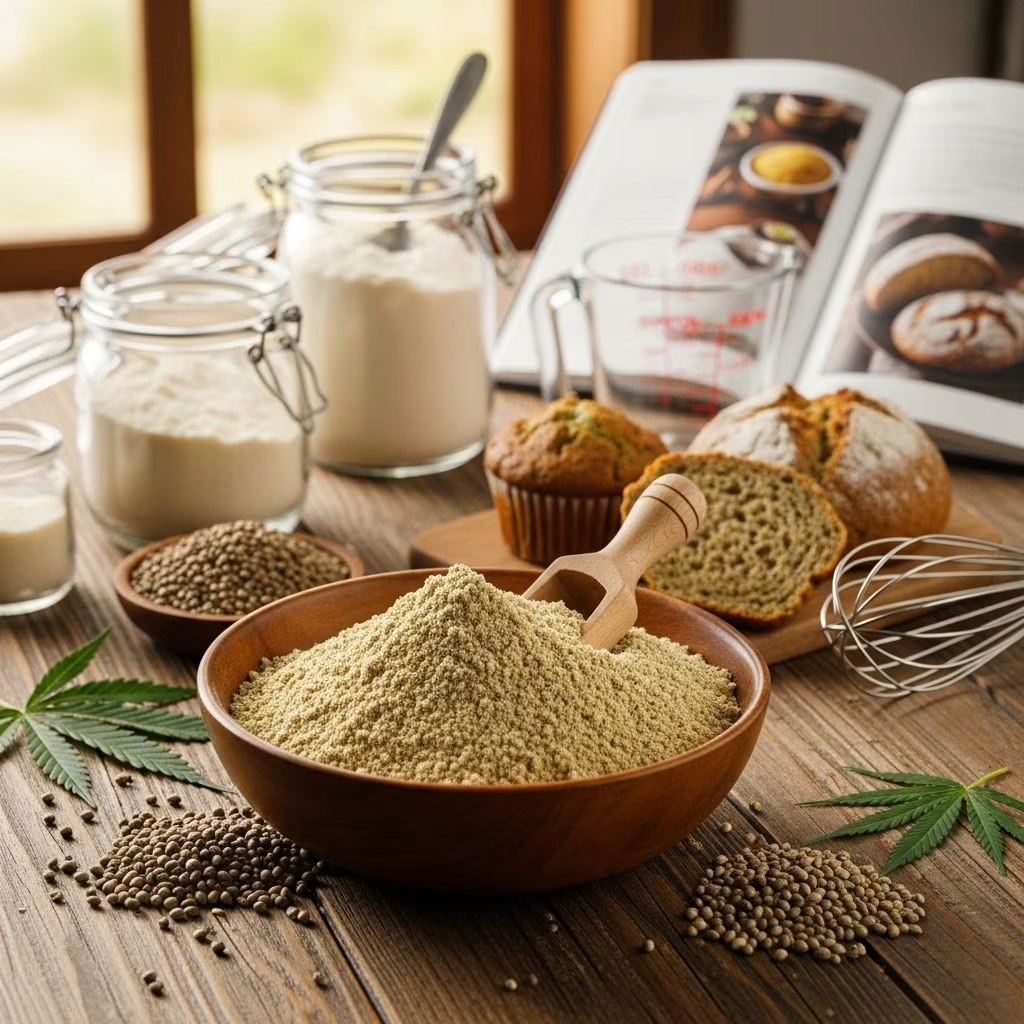
Introduction to Hemp Seed Flour
Hemp seed flour, derived from the ground seeds of the hemp plant (Cannabis sativa), is increasingly popular in health-conscious kitchens. Renowned for its rich nutritional profile and versatility, this flour provides a unique option for baking that caters to a wide range of dietary preferences. With its nutty flavor, high protein content, and gluten-free nature, hemp seed flour is an ideal ingredient for enhancing both traditional and specialty baked goods.
What Is Hemp Seed Flour?
Hemp seed flour is produced by milling whole hemp seeds, retaining their natural nutrient composition. It differs from hemp protein powder, which results from removing much of the fiber, and from hemp hearts, which are hulled seeds featuring higher fat and protein but less fiber. The flour itself boasts a greenish-brown color and imparts a subtle, earthy, nut-like flavor to recipes, making it particularly well suited to savory baked goods and some rustic desserts.
Types of culinary hemp products include:
- Hemp Hearts: Shelled hemp seeds, used for toppings, salads, and milks.
- Hemp Seeds: Whole seeds, containing more fiber and stronger flavor.
- Hemp Protein Powder: Highly concentrated in protein, with most fiber removed.
- Hemp Seed Flour: Made from whole seeds, maintains a balanced nutrition and robust taste.
Nutritional Profile of Hemp Seed Flour
The principal reason hemp seed flour is valued lies in its dense nutritional content. It is a complete protein source, offering all nine essential amino acids—a rarity among plant-based flours. Hemp seed flour is also rich in omega fatty acids, dietary fiber, and several vital minerals.
| Nutrient | Typical Amount (per 30g or 1/4 cup) | Key Benefits |
|---|---|---|
| Protein | ~8-10g | Supports muscle development, satiety |
| Dietary Fiber | ~7-11g | Promotes digestive health |
| Healthy Fats (Omega-3, Omega-6) | ~3-4g | Anti-inflammatory, cardiovascular support |
| Minerals: Magnesium, Iron, Zinc, Phosphorus | Varies | Vital for metabolic health |
| Calories | ~120-150 kcal | Energy source |
Hemp seed flour is naturally gluten-free, making it suitable for those with celiac disease or gluten intolerance. It is also lower in carbohydrates than many grain flours, lending itself well to paleo, keto, and low-carb diets.
Advantages of Hemp Seed Flour in Baking
- High Protein Content: Enhances the nutritional profile of baked goods, aids in satiety, and supports muscle health.
- Excellent Source of Fiber: Promotes gut health and helps regulate blood sugar.
- Complete Protein: Contains all essential amino acids, a unique trait among plant flours.
- Gluten-Free: Suitable for gluten-sensitive individuals and those following a gluten-free diet.
- Rich in Healthy Fats: Contains essential omega-3 and omega-6 fatty acids.
- Mineral Dense: Offers magnesium, iron, zinc, and phosphorus.
- Low Glycemic Index: May assist with blood sugar management.
- Nutty Flavor Profile: Contributes a mild, earthy, and nutty taste that complements certain savory breads, crackers, muffins, and cookies.
- Versatility: Functions as a partial flour replacement in an array of baked goods and is adaptable to many dietary needs.
Baking with Hemp Seed Flour: Tips & Applications
Hemp seed flour’s distinctive characteristics make it both versatile and unique in baking. However, successful incorporation requires understanding its behavior in different recipes.
- Mixing Ratio: Hemp seed flour is best used as a partial substitute, replacing 25–50% of regular flour in recipes. Using 100% hemp flour can result in dense, crumbly, or bitter end products due to its lack of gluten and strong flavor.
- Binding Agents: Because it does not contain gluten, recipes may need extra binding agents, such as eggs, flaxseed, chia seed, psyllium husk, or xanthan gum to achieve desired texture.
- Flavor Pairing: Its earthy taste works best in savory breads, crackers, muffins, pancakes, and rustic cookies. Nutty, fruity, or spiced recipes pair well with hemp flour.
- Hydration Adjustment: Hemp flour absorbs more liquid than wheat flour; recipes may require more water, milk, or oil to prevent dryness.
- Color Considerations: The greenish-brown tint of hemp flour will affect the appearance of baked goods.
- Leavening: Add sufficient leavening agents (baking soda, yeast, or baking powder) as hemp can yield a dense texture.
- Allergen-Free Baking: Suitable for those avoiding nuts, dairy, or gluten.
Common baked goods integrating hemp seed flour include bread, muffins, pancakes, crackers, pizza crust, muffins, and even cookies.
Substitutes for Hemp Seed Flour
While hemp seed flour offers unique nutrition and flavor, there are several alternatives for those seeking similar benefits in gluten-free or high-protein baking.
| Flour Substitute | Key Features | Best Usage |
|---|---|---|
| Almond Meal | High protein, low carb, mild flavor | Bread, muffins, pancakes |
| Linseed Meal (Flaxseed) | Rich in omega-3, high in fiber | Bread, crackers, cookies |
| Coconut Flour | High fiber, slightly sweet | Cakes, cookies, muffins |
| Chia Seed Flour | Great binding properties, high fiber | Pancakes, muffins, cookies |
| Sorghum, Millet, Teff Flour | Gluten-free, neutral to slightly earthy flavor | Breads, pizza crusts |
| Hemp Protein Powder | Very high protein, less fiber, lighter texture | Smoothies, pancakes, energy bites |
Each substitute varies in flavor, nutrition, and baking behavior. Combining several gluten-free flours can improve the structure and taste of recipes, mimicking the qualities of wheat without gluten. When replacing hemp seed flour, consider nutritional goals (protein, fiber, fat) and flavor compatibility for the desired baked good.
Recipes Using Hemp Seed Flour
Bread Recipes
Hemp Seed Flour Bread: Combines hemp seed flour, almond meal, and flaxseed meal for a hearty, keto and paleo-friendly loaf. Ingredients include eggs, apple cider vinegar, olive oil, and optional onion powder for flavor.
Common proportions are:
- 1/2 cup hemp seed flour
- 1/2 cup linseed meal
- 1 cup almond meal
- 4 eggs
- Flavorings (salt, baking soda, vinegar, oil)
This bread is filling, gluten-free, low-carb, and rich in protein and fiber.
Sourdough & Savory Loaves
Hemp flour is excellent for savory breads, including gluten-free sourdough recipes incorporating teff, millet, psyllium husk, and walnuts. Hemp flour is often mixed with other gluten-free flours. Top the loaf with hemp hearts or sprinkle inside for extra crunch and nutrition.
Cookies & Sweets
Chia Hemp Seed Oatmeal Cookies are a nutritious upgrade to traditional cookies—made with oats, multigrain flour, chia and hemp seeds. The flour adds protein, fiber, and a pleasant chewiness.
Typical ingredients include:
- Multigrain or gluten-free flour
- Oats, coconut
- Chia seeds, hemp seeds
- Chocolate chips, dried fruits
Bake at 350°F for 10-12 minutes for soft, hearty cookies with added protein and fiber. Each cookie is estimated to provide around 2g protein, 2g fiber, and essential minerals.
Muffins and Loaf Cakes
Protein-packed loaf cakes and muffins—blend hemp flour with spelt flour or alternative gluten-free grains. Add-ins like grated apple, blueberries, nuts, spices (cinnamon, nutmeg), and seeds create moist, flavorful bakes. Hemp flour contributes nutty undertones and a wholesome texture.
Non-Baking Uses
- As a filler for meatballs, meatloaf, or sausage—boosts protein and binding in savory dishes.
- Add to smoothies, porridge, pancakes, or burger mixes for added nutrition.
Frequently Asked Questions (FAQs)
Q: Is hemp seed flour gluten-free?
A: Yes. Hemp seed flour is naturally gluten-free, making it suitable for people with celiac disease or gluten intolerance.
Q: Can hemp seed flour replace all-purpose flour 1:1?
A: No. Hemp seed flour is best used as a partial substitute (25–50%), as its lack of gluten can produce dense, crumbly baked goods. It pairs well with other gluten-free flours for optimal results.
Q: What does hemp seed flour taste like?
A: Hemp seed flour offers a mild, earthy, nut-like taste. It complements savory baked recipes and pairs well with nuts, seeds, fruits, chocolate, and spices.
Q: Is hemp seed flour safe and legal?
A: Yes. Hemp seed flour contains negligible THC, the psychoactive compound in cannabis, and is approved for use in food products in many countries.
Q: What are the best recipes for hemp seed flour?
A: Top recipes include protein bread, sourdough loaves, muffins, oatmeal cookies, pancakes, crackers, and even pizza bases.
Q: Can hemp seed flour help with weight management?
A: Yes. Its high protein and fiber promote satiety, which can curb appetite and aid healthy weight maintenance.
Conclusion
Hemp seed flour is an exceptional ingredient for home bakers and nutrition-focused chefs seeking high protein, gluten-free, and fiber-rich alternatives to conventional flours. Its unique taste profile and nutritional advantages make it highly versatile—from breads and muffins to cookies and savory loaves. For best results, combine hemp seed flour with other gluten-free or nut flours, adjust binders and hydration levels, and experiment with your favorite recipes. Whether exploring keto, paleo, or allergen-friendly diets, hemp seed flour offers a practical path to delicious, healthful baking.
References
- https://www.youtube.com/watch?v=u8yeOUaDfmc
- https://www.cookedandloved.com/recipes/low-carb-paleo-bread-with-hemp-seed-flour/
- https://www.artandthekitchen.com/chia-hemp-seed-oatmeal-cookies/
- https://creativeinmykitchen.com/hemp-sourdough-bread-with-walnuts-gluten-free/
- https://bakeitpaleo.com/hemp-protein-cookies/
- https://www.theleangreenbean.com/peanut-butter-hemp-cookies/
- https://www.newprotein.net/news/benefits-of-hemp-flour-in-baked-goods
- https://www.blueskyhempventures.com/blue-sky-thinking/how-to-use-hemp-flour/


