


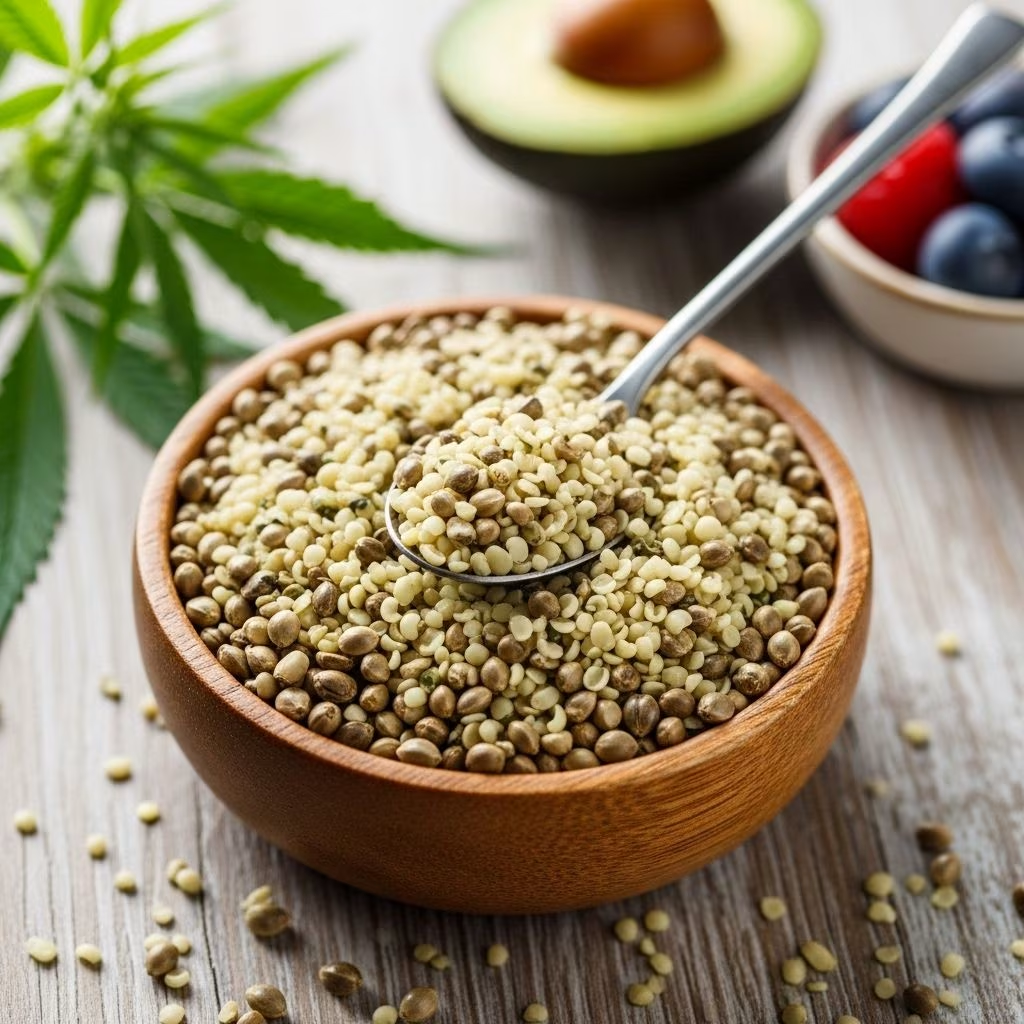
Hemp hearts, the nutrient-dense inner kernels of the hemp seed, have risen in popularity as a superfood prized for their rich protein content, omega fatty acids, and mild, nutty flavor. But what exactly are hemp hearts, how can they benefit your health, and what are the best ways to incorporate them into your diet? This article explores everything you need to know about hemp hearts—including their origin, culinary uses, health advantages, and taste profile.
What Are Hemp Hearts?
Hemp hearts are the soft, edible inner kernels or “hearts” of the seeds from the hemp plant (Cannabis sativa). The term “hemp hearts” specifically refers to the shelled or hulled seeds, meaning the outer hard shell has been removed to reveal the tender, nourishing heart within.
Despite coming from the same plant species as marijuana, hemp hearts contain only trace, non-psychoactive levels of THC, the compound responsible for the “high” associated with cannabis. They are safe, legal, and non-intoxicating, making them suitable for all ages and dietary preferences.
- Part of the hemp plant family, but a variety bred for minimal THC.
- Technically a nut, often classified as a seed or grain in the culinary world.
- Consumed as a health food ingredient for centuries.
Nutritional Profile of Hemp Hearts
Hemp hearts are celebrated for their dense concentration of nutrients, outstanding protein quality, healthy fats, and minerals. Their impressive nutritional content makes them a favorite among those looking for plant-based sources of essential nutrients.
| Nutrient (per 3 tbsp / 30g) | Value | % Daily Value* |
|---|---|---|
| Calories | 180 | – |
| Protein | 10g | 9% |
| Total Fat | 15g | 19% |
| Omega-3 (ALA) | ~2.5g | – |
| Omega-6 (LA) | ~8.5g | – |
| Saturated Fat | 1.5g | 8% |
| Carbohydrate | 1g | 0% |
| Dietary Fiber | 1g | 4–5% |
| Calcium | 19mg | 2% |
| Iron | 4mg | 20% |
| Potassium | 333mg | 8% |
| Magnesium | 197mg | 45% |
| Phosphorus | 459mg | 35% |
| Vitamin B6 | 0.2mg | 10% |
| Folate | 45mcg DFE | 10% |
| Manganese | 2.3mg | 100% |
*Percent Daily Values are based on a 2,000 calorie diet.
Key nutritional facts:
- High in complete protein—contains all essential amino acids
- Rich in healthy fats, especially omega-3 and omega-6 in an optimal 3:1 ratio
- Low in carbohydrates; virtually no added sugars
- Packed with minerals (magnesium, potassium, iron, phosphorus) and vitamins (B6, folate, vitamin E)
- Good source of dietary fiber
Key Health Benefits of Hemp Hearts
The unique nutritional density of hemp hearts supports several aspects of health. Multiple studies and health authorities recognize the following evidence-backed benefits:
1. Cardio-protective Effects
Hemp hearts contain high levels of arginine, an amino acid that helps your body produce nitric oxide, which relaxes blood vessels and can help reduce blood pressure. Their 3:1 omega-6 to omega-3 fatty acids ratio may lower inflammation and improve overall heart health. Regular hemp heart consumption is linked to:
- Decreased blood pressure
- Reduced risk of heart disease
- Decreased cholesterol and triglyceride levels
2. Superior Plant-Based Protein
Protein makes up over 25% of the calories in hemp hearts, more than flax or chia seed. As a “complete” protein, they supply all nine essential amino acids—rare for a plant food. This makes them popular among vegetarians, vegans, athletes, and seniors seeking to supplement their protein intake.
3. Beneficial Fats for Brain and Skin
Omega-3 and omega-6 fatty acids are crucial for brain health, regulating inflammation, and maintaining healthy skin. The GLA (gamma-linolenic acid) in hemp hearts may help with skin disorders such as eczema, and support hormonal balance—including relief of symptoms associated with PMS and menopause.
4. Rich in Minerals for Energy and Immunity
Hemp hearts are an excellent supplier of vital minerals such as magnesium, iron, phosphorus, and potassium. These are essential for energy production, bone health, muscle function, and immune support.
5. Digestive Benefits
While they are lower in fiber than whole hemp seeds, hemp hearts still contribute to digestive health thanks to their soluble and insoluble fiber content, which can aid regularity and foster beneficial gut bacteria.
6. Weight Management and Satiety
With their combination of protein, healthy fats, and fiber, hemp hearts help you feel full and satisfied, which may support healthy weight management by reducing overeating and snacking.
Culinary Uses: How to Eat Hemp Hearts
Hemp hearts are one of the most versatile superfoods available. Their neutral, nutty flavor and soft, buttery texture allow them to blend seamlessly into both sweet and savory dishes. Here are typical ways to enjoy them:
- Sprinkle on breakfast: Add to oatmeal, cereal, yogurt, smoothie bowls, or pancakes.
- Bake into goods: Use in homemade bread, muffins, protein bars, or cookies for a nutritional upgrade.
- Blend in smoothies: Add 1–2 tablespoons to smoothies for extra protein and creaminess.
- Toss on salads: Use in place of, or alongside, nuts and seeds in green or grain salads.
- Make hemp milk: Blend with water for a fresh, creamy, non-dairy milk alternative.
- Stir into soups: Add at the end of cooking for a boost of nutrition and texture.
- Add to dips and sauces: Blend into hummus, pesto, or salad dressings for richness.
- Use as a topping: Sprinkle over avocado toast, roasted vegetables, or grain bowls.
Serving suggestion: 2–3 tablespoons per meal is usually sufficient. Hemp hearts work well both raw and cooked due to their robust nutritional profile.
Taste and Texture: What Do Hemp Hearts Taste Like?
One of the biggest reasons for the popularity of hemp hearts is their pleasant, mild taste and unique mouthfeel.
- Taste: Subtle and nutty, similar to pine nuts, sunflower seeds, or sesame seeds, with faint earthy undertones. They do not have the bitterness sometimes found in flax or chia seeds.
- Texture: Soft, tender, and slightly creamy—easily chewed without being gritty or tough.
Because of their neutral yet satisfying flavor, hemp hearts do not overpower dishes, making them a great nutritional upgrade to almost any meal.
Possible Side Effects and Considerations
Hemp hearts are considered safe for most people:
- No psychoactive effects: Contain negligible or no THC and will not cause intoxication or “high”.
- Allergen notice: May be processed in facilities that also handle nuts, soy, or dairy. Always check the package if you have severe allergies.
- Fiber sensitivity: In rare cases, new users may experience mild digestive discomfort (gas or bloating) due to fiber content.
- Drug interactions: Extremely rare, but always consult a healthcare provider if you are on blood thinners or have health concerns.
For the vast majority, hemp hearts are very well tolerated and can be added to the diet daily.
How to Store Hemp Hearts
To preserve freshness and nutrient content:
- Store hemp hearts in an airtight container
- Keep in a cool, dark place; refrigeration is preferred for long-term storage
- Consume within 3–4 months after opening for best flavor and nutrition
Proper storage prevents the healthy fats from becoming rancid and maintains their delicious taste.
Frequently Asked Questions (FAQs)
Q: Are hemp hearts the same as hemp seeds?
A: Hemp hearts are the shelled (hulled) version of hemp seeds, with the outer shell removed. Whole hemp seeds contain more fiber due to the tough shell, but hemp hearts are more tender and easier to eat.
Q: Will hemp hearts get me “high”?
A: No. Hemp hearts are not psychoactive; they contain only trace amounts of THC, so they will not cause any intoxicating effects.
Q: Are hemp hearts safe for children and pregnant women?
A: Yes, hemp hearts are considered safe and nutritious for all age groups, including children and pregnant or breastfeeding women, due to their protein and healthy fat content. Consult a healthcare provider for personalized advice.
Q: How do hemp hearts compare to chia or flax seeds?
A: Hemp hearts contain more protein and a superior amino acid profile compared to chia or flax; they also have a softer texture and a milder, less earthy taste. Flax and chia, however, provide more fiber due to their unhulled form.
Q: Do hemp hearts have a strong taste?
A: No, hemp hearts have a very mild, slightly nutty flavor that blends easily with other foods.
Q: Can hemp hearts be cooked?
A: Absolutely. While they are perfectly delicious raw, hemp hearts can also be cooked, baked, toasted, or blended into recipes without losing their nutritional benefits.
Summary
Hemp hearts are versatile, nutrient-rich superfoods that deliver an impressive array of protein, healthy fats, vitamins, and minerals, all packed into a tiny, soft, and tasty seed kernel. Their proven health benefits support heart health, brain function, skin wellness, digestion, and overall energy. With their mild flavor and adaptability, hemp hearts are easy to incorporate into a wide variety of sweet and savory meals.
Whether you’re looking to boost your plant-based protein intake, add more omega-3s to your diet, or simply enjoy a subtle, nutritional crunch, hemp hearts are a delicious, accessible addition to any healthy kitchen.
References
- https://www.anuts.com/seeds/hemp-seeds/hemp-hearts/
- https://manitobaharvest.com/products/natural-hemp-hearts
- https://www.healthline.com/nutrition/6-health-benefits-of-hemp-seeds
- https://health.clevelandclinic.org/hemp-seed-benefits
- https://www.medicalnewstoday.com/articles/308044
- https://www.nutritionvalue.org/Seeds,_hulled,_hemp_seed_nutritional_value.html
- https://tools.myfooddata.com/nutrition-facts/170148/wt9


