


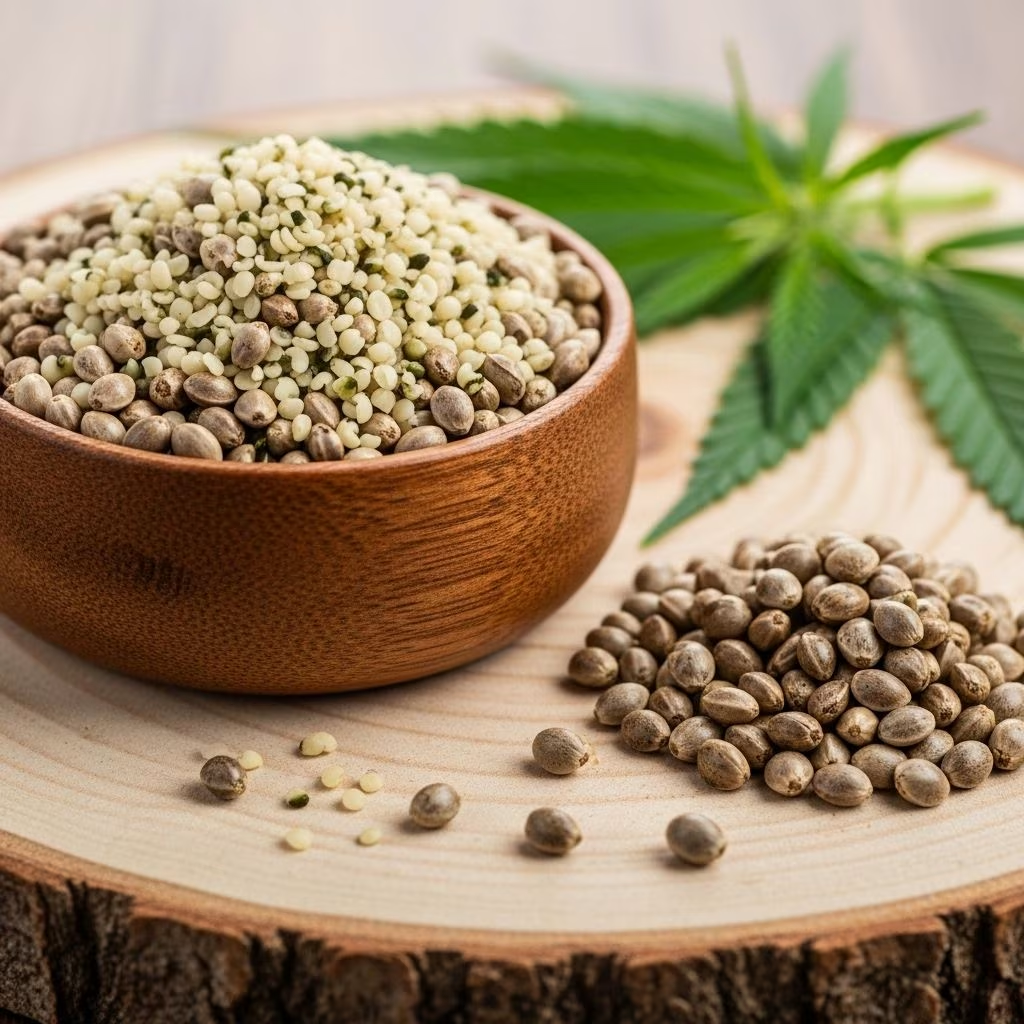
Hemp seeds—sometimes marketed as hemp hearts—are emerging as one of the most nutrient-dense and versatile seeds available in the modern diet. Praised for their exceptional protein content, wealth of healthy fats, and valuable minerals, these tiny seeds also boast antioxidant and anti-inflammatory properties, making them a staple in health-focused kitchens worldwide. This comprehensive article provides an in-depth look at what hemp seeds are, their nutritional makeup, health benefits, common uses, and distinctive taste.
What Are Hemp Seeds?
Hemp seeds are the edible seeds of the Cannabis sativa plant, known commonly as industrial hemp. Unlike marijuana, another variety of Cannabis sativa, hemp seeds contain only trace amounts of tetrahydrocannabinol (THC)—the psychoactive compound found in cannabis—making them non-intoxicating and completely safe for all ages. Technically, hemp seeds are small, brown seeds with a hard shell, but the soft inner seed or “hemp heart” is most commonly consumed.
- Hemp seeds have been cultivated for thousands of years as a nutritional food source.
- The seeds are technically nuts, offering a mild, nutty flavor profile and a soft yet slightly crunchy texture.
- Hemp’s low THC level (less than 0.3%) ensures food-grade hemp seeds do not cause psychoactive effects.
- Hemp is an environmentally friendly crop, supporting sustainable agriculture.
Cannabis sativa: Hemp vs. Marijuana
While both hemp and marijuana originate from the Cannabis sativa species, they differ drastically in their chemical composition and usage. Hemp is cultivated primarily for its seeds and fiber, and is strictly regulated to contain negligible levels of THC. For nutritional purposes, only certified industrial hemp plants are used.
Nutritional Profile of Hemp Seeds
Hemp seeds are often recognized as a superfood, thanks to their exceptional nutrient density. They provide a wide spectrum of protein, healthy fats, vitamins, and minerals, many of which are typically found in animal products, making hemp seeds a unique plant-based nutritional resource.
| Nutrient | Amount | % Daily Value* |
|---|---|---|
| Calories | 166 kcal | ~8% |
| Total Fat | 14.6g | 22% |
| Protein | 9.5g | 19% |
| Carbohydrates | 2.6g | 1% |
| Fiber | 1.2g | 4% |
| Omega-3 (ALA) | 2.5g | – |
| Omega-6 (LA) | 8.2g | – |
| Vitamin E | 1.62mg | 8% |
| Magnesium | 210mg | 50% |
| Phosphorus | 495mg | 71% |
| Iron | 2.4mg | 13% |
| Zinc | 2.8mg | 19% |
*Values are approximate and can vary based on processing and brand.
- Complete protein: Hemp seeds contain all nine essential amino acids, rare in plant foods, making them valuable for vegetarians and vegans.
- Healthy fats: Remarkably rich in omega-3 (alpha-linolenic acid) and omega-6 (linoleic acid) in a ratio close to the ideal 3:1 for human health.
- Key minerals: High levels of magnesium, phosphorus, iron, and zinc support muscular, bone, and immune health.
- Vitamins: Significant vitamin E content acts as an antioxidant, protecting body cells from free radical damage.
- Fiber: While hulled seeds are lower in fiber, whole hemp seeds offer both soluble and insoluble dietary fiber for digestive health.
Health Benefits of Hemp Seeds
Hemp seeds deliver a host of health benefits due to their dense nutritional content, unique fatty acid ratios, and complete proteins. While research is ongoing, evidence suggests that adding hemp seeds to your daily diet supports multiple aspects of health.
- Heart Health:
- High in arginine (an amino acid that produces nitric oxide), hemp seeds help relax blood vessels and reduce blood pressure, supporting cardiovascular function.
- Omega-3 and omega-6 fatty acids, especially gamma-linolenic acid (GLA), can lower cholesterol and total heart disease risk.
- Skin Health:
- Consuming hemp seeds has been linked to improvement in skin conditions such as eczema (atopic dermatitis) by reducing dryness and itchiness.
- Anti-inflammatory fatty acids may help manage chronic skin conditions.
- Plant-Based Protein:
- More than 25% of hemp seed calories come from high-quality protein—higher than chia or flax seeds.
- Contains edestin and albumin, globular proteins that are highly digestible and similar to those in human blood plasma.
- PMS and Menopause Support:
- GLA and other essential fatty acids may alleviate symptoms of premenstrual syndrome (PMS) and menopause by supporting hormonal balance.
- Digestive Health:
- The fiber in whole hemp seeds feeds beneficial gut bacteria and promotes regularity.
- Dietary fiber helps reduce the risk of diabetes, colon cancer, and cardiovascular disease.
- Brain Protection:
- Polyunsaturated fatty acids and plant antioxidants found in hemp seeds may help protect the brain from inflammation and aging.
- Weight Management and Muscle Building:
- The high protein and healthy fat content contribute to prolonged satiety, muscle repair, and maintenance—a valuable asset for weight control and athletes.
Culinary Uses: How to Eat Hemp Seeds
Hemp seeds are prized for their versatility and can be eaten raw, cooked, or roasted. Products derived from hemp seeds include:
- Hulled hemp seeds (hemp hearts): The soft inner portion, sold as a topping or ingredient for dishes.
- Whole hemp seeds: Unprocessed with the hard shell—less common but higher in fiber.
- Hemp seed oil: Cold-pressed oil featuring a nutty taste, ideal for dressings, drizzling, or low-heat cooking.
- Hemp protein powder: Made by grinding defatted seeds—popular in smoothies.
Common ways to incorporate hemp seeds into your diet include:
- Sprinkling on top of yogurt, porridge, salads, or smoothie bowls.
- Blending into smoothies or shakes for extra protein.
- Baking into granola bars, muffins, breads, or energy balls.
- Mixing into homemade pesto, hummus, or nut butters for added nutrition and creaminess.
- Stirring into oatmeal, soups, and stews right before serving.
- Using hemp oil as a salad dressing base or in dips (but avoid high-heat cooking, as it degrades healthy fats).
Taste and Texture of Hemp Seeds
The taste of hemp seeds is often described as pleasantly mild and nutty, reminiscent of sunflower seeds or pine nuts, but without bitterness or overwhelming earthiness.
- Flavor: Subtle, gently sweet, and earthy with a soft nut-like undertone.
- Texture: Tender, slightly chewy with a soft crunch—especially when raw or hulled.
Hemp seeds blend easily into both savory and sweet dishes, complementing everything from salads to desserts. Roasting brings out a toastier, deeper flavor, while raw seeds are delicately crisp and buttery. When ground into a flour or powder, they create a creamy texture in smoothies or baked goods.
Hemp Seeds vs. Other Seeds: A Nutritional Comparison
| Nutrient | Hemp Seeds | Chia Seeds | Flax Seeds |
|---|---|---|---|
| Calories | 166 | 137 | 150 |
| Protein (g) | 9.5 | 4.7 | 5.2 |
| Total Fat (g) | 14.6 | 8.6 | 12 |
| Omega-3 (g) | 2.5 | 5.0 | 6.3 |
| Omega-6 (g) | 8.2 | 1.6 | 1.6 |
| Fiber (g) | 1.2 | 10.6 | 7.6 |
| Iron (mg) | 2.4 | 2.2 | 2.1 |
Hemp seeds stand out for their complete protein content and higher omega-6 fatty acid levels, while chia and flax seeds offer more fiber and omega-3s. All three are excellent for plant-based diets, but hemp is particularly valued for muscle-building and overall balanced nutrition.
Potential Side Effects and Safety Concerns
- THC Content: Hemp seeds used as food are virtually free of psychoactive THC and are safe for all people, including children and pregnant women.
- Allergies: Hemp seed allergies are rare but possible and may cause mild digestive symptoms.
- Antinutrients: Hemp seeds contain low amounts of compounds like phytic acid and tannins, which can reduce mineral absorption if consumed in extremely large quantities—but these are not a concern with normal use.
- Caloric Density: Like all nuts and seeds, hemp seeds are calorie-dense; portion control is wise, especially for weight management.
- Oil Storage: Hemp seed oil is sensitive to light and heat, so it should be stored in a dark, airtight container in the refrigerator.
Frequently Asked Questions (FAQs)
Q: Are hemp seeds legal to eat?
A: Yes. Hemp seeds are legal in most countries, including the United States and Europe, as they contain extremely low levels of THC. Always purchase food-grade, certified hemp products.
Q: Will eating hemp seeds make me fail a drug test?
A: No. Hemp seeds contain negligible traces of THC, not enough to cause psychoactive effects or yield a positive drug test.
Q: Can hemp seeds be eaten raw?
A: Yes. Hulled hemp seeds can be eaten raw, roasted, or cooked. They add nutrition and texture without requiring cooking.
Q: Are hemp seeds safe during pregnancy?
A: Yes. Hemp seeds provide valuable nutrients for pregnancy—including essential fatty acids, protein, and minerals. Consult your healthcare provider as with any supplement.
Q: Is hemp the same as marijuana?
A: No. Hemp is a specific variety of Cannabis sativa grown for fiber, seeds, and nutrition—containing minimal THC and no psychoactive properties.
Q: Do hemp seeds interact with medications?
A: For most people, hemp seeds are safe. Those taking blood thinners or cholesterol medications should consult a doctor due to potential but minimal interaction with fatty acids.
Q: How much hemp seeds should I eat daily?
A: A typical serving is 2–3 tablespoons (about 30g) per day, providing most of the health benefits described. Moderation is advised due to their high caloric content.
Final Thoughts
Hemp seeds are a powerhouse addition to modern diets, offering an unmatched combination of protein, healthy fats, fiber, and micronutrients. Their neutral flavor integrates seamlessly into a wide range of dishes. With benefits spanning heart health, digestion, skin, hormones, and more, hemp seeds are a valuable staple in any balanced and health-focused kitchen.
References
- https://www.healthline.com/nutrition/6-health-benefits-of-hemp-seeds
- https://www.medicalnewstoday.com/articles/323037
- https://health.clevelandclinic.org/hemp-seed-benefits
- https://en.wikipedia.org/wiki/Hemp
- https://pmc.ncbi.nlm.nih.gov/articles/PMC11085560/
- https://www.frontiersin.org/journals/nutrition/articles/10.3389/fnut.2022.1039180/full
- https://foodstruct.com/food/seeds-hempseed-hulled


