


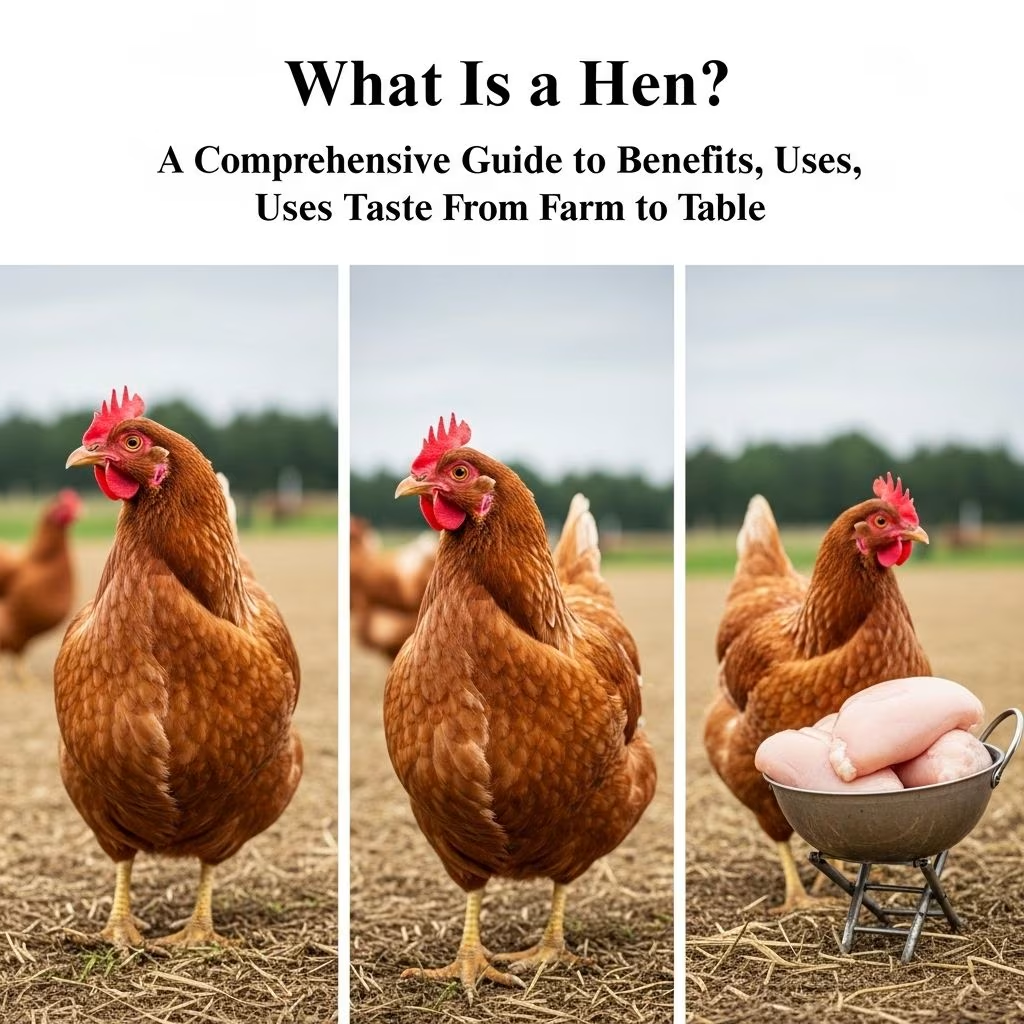
Hens are among the most recognizable and valuable domesticated animals worldwide, beloved for their role in agriculture, cuisine, and even as companions. This in-depth guide explores what a hen is, the many benefits and uses of hens, and how their eggs and meat contribute to culinary culture and nutrition. Whether you’re curious about their biological traits, interested in their agricultural value, or want to know what makes their meat and eggs unique, this article provides an extensive overview for enthusiasts and informed consumers alike.
What Is a Hen?
A hen is the adult female of the species Gallus gallus domesticus, commonly known as the chicken. Hens reach sexual maturity and begin laying eggs typically between 18 to 20 weeks of age, which distinguishes them from pullets (immature females), roosters (mature males), and cockerels (immature males). The term ‘chicken’ refers more generally to the entire species—male or female, young or old.
- Species: Gallus gallus domesticus
- Role: Adult egg-laying female bird
- Distinguishing Feature: Sexual maturity and regular egg production
- Common Names: Hen (female), Rooster (male), Chicken (species)
Anatomy and Physiology of Hens
Hens are designed for survival and prolific egg production, boasting several unique anatomical and physiological features.
- Size: Average length from 30 to 45 cm; weight from 1 to 4 kg, depending on breed.
- Feathers: Cover most of the body, providing insulation and protection against weather. Feathers are absent on certain areas such as the legs and head crests in some breeds.
- Comb and Wattles: The comb (red crest atop the head) and wattles (flaps below the beak) help regulate body temperature and play a role in attracting mates during breeding season.
- Legs and Claws: Scaly and robust, excellent for scratching soil and defending against small predators.
- Beak: Used for foraging, grooming, and defending. Omni-adaptable, enabling the hen to consume grains, insects, and grasses.
- Digestive System: A strong gizzard (muscular part of the stomach) grinds seeds and tough vegetation, enabling hens to thrive on varied diets.
In summary, each physical feature is finely tuned for its agricultural role—whether in foraging, brooding, or social interaction.
Table: Key Anatomical Features of Hens
| Feature | Description |
|---|---|
| Feathers | Insulation and weather protection; aid in communication |
| Comb & Wattles | Thermoregulation and mating display |
| Beak | Foraging, grooming, defense |
| Legs & Claws | Digging, scratching, defense |
| Gizzard | Grinds diverse foods before stomach digestion |
Behavior and Social Structure
Hens are highly social, intelligent birds with a sophisticated social structure. Their behaviors are observationally rich and impactful on flock health and productivity:
- Hierarchy: Every group of hens demonstrates a clear ‘pecking order’—a social hierarchy that ensures flock stability and reduces bullying. The top hen has priority over food and nesting sites.
- Communication: Hens communicate through a variety of vocalizations (clucks, alarm calls, songs) and body language (wing and head movements), essential for signaling danger, contentment, and flock cohesion.
- Nesting Behaviors: Instinctively seek out secure, comfortable spaces for egg laying and brooding.
- Socialization: Chickens are gregarious and thrive in groups, showing learned behaviors, recognition of their names and even forming bonds with humans.
- Defense Mechanisms: Hens fiercely protect eggs and chicks, using their claws, wings, and beaks for defense.
Their social intelligence and complex communication systems contribute significantly to their management and welfare in both backyard and commercial settings.
Benefits of Hens
Hens provide a range of benefits that extend far beyond basic food production. These animals:
- Egg Production: The primary source of eggs, a staple protein worldwide. Eggs from hens can be produced year-round and are highly versatile for cooking.
- Meat Source: Mature hens, though tougher, offer flavorful meat ideal for broths and stews.
- Sustainable Farming: Hens consume food waste and pests, turning them into protein-rich eggs and manure, supporting sustainable agriculture.
- Manure Fertilizer: Chicken manure is an excellent natural fertilizer, rich in nitrogen, phosphorus, and potassium for gardens and crops.
- Pest Control: Forage for insects, weeds, and other agricultural pests, decreasing the need for chemical controls.
- Companionship: Increasingly kept as pets for their engaging personalities and positive effect on garden ecosystems.
The versatility of hens underlines their enduring value in homes, gardens, small farms, and industrial agriculture worldwide.
Common Uses of Hens
The uses of hens are broad, cultural, and deeply engrained in both rural and urban food systems:
- Egg Layer Breeds: Selectively bred to maximize the number and quality of eggs produced per year.
- Meat Production: While specialized meat breeds (broilers) are typically younger and more tender, mature hens are used for heartier dishes requiring slow cooking.
- Backyard Poultry: Many households keep hens for a sustainable, local egg supply and natural pest management.
- Biodiversity: Preservation of heritage breeds ensures genetic diversity and resilience in agricultural stock.
With meat and egg production, environmental control, and cultural and culinary heritage, hens represent a foundational pillar across societies.
Hen Meat vs. Chicken Meat
When distinguishing between hen meat and the typical chicken meat sold in markets (usually from young broiler birds), several notable differences arise:
| Aspect | Hen Meat (Spent Hen) | Broiler Chicken Meat |
|---|---|---|
| Source | Older hens post-laying phase | Young meat-type chickens |
| Texture | Tougher, denser muscle fibers | Softer, more tender |
| Flavor | Richer, deeper chicken flavor | Milder, more delicate |
| Culinary Uses | Best for slow-cooked dishes: stock, stews, soups | Suitable for grilling, frying, roasting |
| Nutritional Content | Higher protein per gram, lower fat | Higher fat, less intense flavor |
Hen meat is prized by chefs and traditional cooks for its robust flavor, especially in slow-cooked applications where its texture softens and its complex taste is released.
Nutritional Value of Hen Eggs and Meat
Hens provide two vital sources of nutrition: eggs and meat. Each offers different health benefits:
Eggs
- Protein: Eggs are considered a “complete protein”—containing all nine essential amino acids.
- Vitamins: High in B-vitamins (especially B12 and riboflavin), vitamin D, and vitamin A.
- Minerals: Excellent source of phosphorus, selenium, and iron.
- Healthy Fats: Yolk contains omega-3 and omega-6 fatty acids.
- Caloric Content: Roughly 70 calories per large egg.
Hen Meat
- Protein Density: Tougher hen meat has slightly higher protein concentration than tender broilers.
- Lower Fat: Mature hens typically have less fat than young broilers, making their meat leaner.
- Micronutrients: Provides B vitamins, zinc, iron, and selenium.
Overall, products derived from hens are highly nutritious, contributing to balanced diets globally.
Taste Profile: What Does Hen Taste Like?
Hen meat offers a unique taste experience, distinctly different from that of young broiler chicken:
- Flavor: More intense and richer, with a pronounced depth sometimes described as “gamey” or “chicken-forward.” The extended lifespan and active living of hens contribute to this deeper flavor profile.
- Texture: Noticeably firmer and chewier, benefiting significantly from long, slow cooking methods.
- Broth and Stock: Hen bones and meat yield especially flavorful stocks and broths, cherished in traditional soups and stews.
Eggs from hens are widely described as having a creamy yolk and a delicate white, ideal for everything from baking to gourmet applications.
Culinary Uses: Cooking with Hens
Both hen eggs and meat hold a celebrated place in international culinary traditions.
Hen Eggs
- Versatility: Consumed boiled, poached, fried, scrambled, or baked.
- Baking: Essential in cakes, breads, and pastries for structure and moisture.
- Emulsions: Key ingredient in mayonnaise, custards, and sauces.
Hen Meat
- Slow-Cooked Dishes: Used in French stews (coq au vin), Asian broths, Latin American soups, and hearty casseroles.
- Stocks and Broths: The preferred base for deeply flavored soups, with slow simmering unlocking the full aroma and taste.
- Shredded for Fillings: Once slow-cooked, hen meat can be shredded and used in pies, sandwiches, wraps, and dumplings.
Clever utilization ensures no part of the hen is wasted, from bones to skin, in time-honored culinary traditions across the globe.
Frequently Asked Questions (FAQs)
What is the difference between a hen and a chicken?
A ‘chicken’ is a general term for the entire species, while a ‘hen’ specifically refers to the sexually mature adult female that lays eggs.
At what age does a chicken become a hen?
Once a female chicken reaches sexual maturity and starts laying eggs, usually at around 18 to 20 weeks, she is called a hen.
What does hen meat taste like compared to regular chicken?
Hen meat is richer and more flavorful, with a firmer texture due to the bird’s maturity. It is ideal for slow-cooking, unlike broiler chicken, which is tender and suitable for quick cooking methods.
Are eggs from hens healthier than eggs from other birds?
Hen eggs are nutritionally complete, providing high-quality protein, vitamins, and minerals. While other bird eggs may have subtle differences, hen eggs are the most widely consumed for their balance of nutrients and culinary versatility.
Can hens be kept as pets?
Yes, hens are increasingly kept as pets for their friendly demeanor, intelligence, and value as producers of eggs and natural garden pest control.
What is a spent hen?
A ‘spent hen’ refers to an older laying hen whose egg production has declined. These hens are typically used for flavorful stocks and stews due to tougher meat.
How do hens contribute to sustainable agriculture?
Hens convert food scraps and pests into eggs and manure, creating closed-loop systems in permaculture and organic farming settings, reducing waste and reliance on synthetic fertilizers.
References
- https://peluche-kingdom.com/en/blogs/tout-savoir-sur-lunivers-des-peluches/la-poule-description-habitat-sommeil-reproduction
- https://animals.howstuffworks.com/birds/chicken-vs-hen.htm
- https://consensus.app/home/blog/what-are-the-differences-between-a-chicken-a-hen-and-a-rooster/
- https://en.wikipedia.org/wiki/Hen
- https://www.merriam-webster.com/dictionary/hen


