Effective Home Remedies and Natural Treatments for Pancreatitis
Pancreatitis—a condition marked by inflammation of the pancreas—can cause debilitating pain and disrupt digestion. Alongside prescribed medical care, certain home remedies, dietary strategies, and natural treatments may help alleviate symptoms, minimize flare-ups, and support long-term pancreatic health. This article reviews science-backed approaches for managing pancreatitis at home.
Understanding Pancreatitis: An Overview
The pancreas is a vital organ responsible for producing digestive enzymes and hormones like insulin. Pancreatitis (inflammation of the pancreas) can be acute (sudden onset) or chronic (long-term, recurring). Symptoms often include:
- Severe abdominal pain radiating to the back
- Nausea and vomiting
- Abdominal distention and tenderness
- Loss of appetite
- Fever and general weakness
Major triggers include gallstones, heavy alcohol intake, certain medications, high triglycerides, infections, or metabolic disorders. Effective management often requires a multifaceted approach.
Home Remedies: Supportive Strategies for Pancreatitis Relief
While medical evaluation is crucial, these home-based strategies may offer relief and promote healing:
1. Dietary Modifications and Nutrition
- Adopt a Low-Fat Diet: Fatty foods tax the pancreas, intensifying inflammation. Focus on low-fat meal options.
- Prioritize Small, Frequent Meals: Consuming modest portions reduces digestive strain.
- Eat Whole Foods: Incorporate fiber-rich fruits, vegetables, and whole grains to support digestive health.
- Limit Processed Foods: Avoid fried items, fast food, rich sauces, and high-sugar snacks.
- Lean Proteins: Choose fish, skinless poultry, tofu, and legumes for protein without excess fat.
Sample Table: Pancreatitis-Friendly vs. Trigger Foods
| Choose These | Avoid These |
|---|---|
| Boiled/steamed vegetables | Fried foods, creamy sauces |
| Steamed fish, skinless chicken breast | Red meats, sausages |
| Oatmeal, brown rice, quinoa | Pastries, white bread |
| Low-fat dairy or alternatives | Full-fat cheese, butter |
| Fresh fruit (except those causing individual discomfort) | Candy, ice cream |
2. Adequate Hydration
- Frequent vomiting or diarrhea increases dehydration risk. Aim for at least 8–10 glasses of water daily.
- Include clear broths, oral rehydration solutions, and avoid sugary sodas or juices.
3. Maintain a Healthy Weight
- Obesity increases pancreatic strain. Adopt gradual, sustainable weight loss strategies if overweight.
- Consult your healthcare provider or a registered dietitian for personalized guidance.
4. Lifestyle Modifications
- Avoid Alcohol Completely: Alcohol directly injures pancreatic tissue. Total abstinence is essential to prevent flare-ups.
- Stop Smoking: Smoking worsens pancreatic inflammation and increases cancer risk.
- Regular Exercise: Gentle activities (walking, swimming, yoga) help maintain weight and overall wellness. Avoid strenuous activity during acute attacks.
5. Rest and Pancreatic Rest
- During acute episodes, fasting for a short period may be advised to allow the pancreas to recover (always under medical supervision).
- Resume bland, low-fat foods in small amounts once symptoms subside.
Natural Supplements and Herbal Approaches
Certain supplements and herbal remedies have shown potential for symptom relief. Always consult your physician before adding supplements, as some may interact with medications or be unsuitable in severe cases.
1. Antioxidant Supplements
- Vitamins A, C, and E, selenium, and beta-carotene may reduce oxidative stress and inflammation associated with pancreatitis. Multivitamin-multimineral supplements are sometimes recommended, especially in chronic cases to address deficiencies.
2. Herbal and Natural Supplements
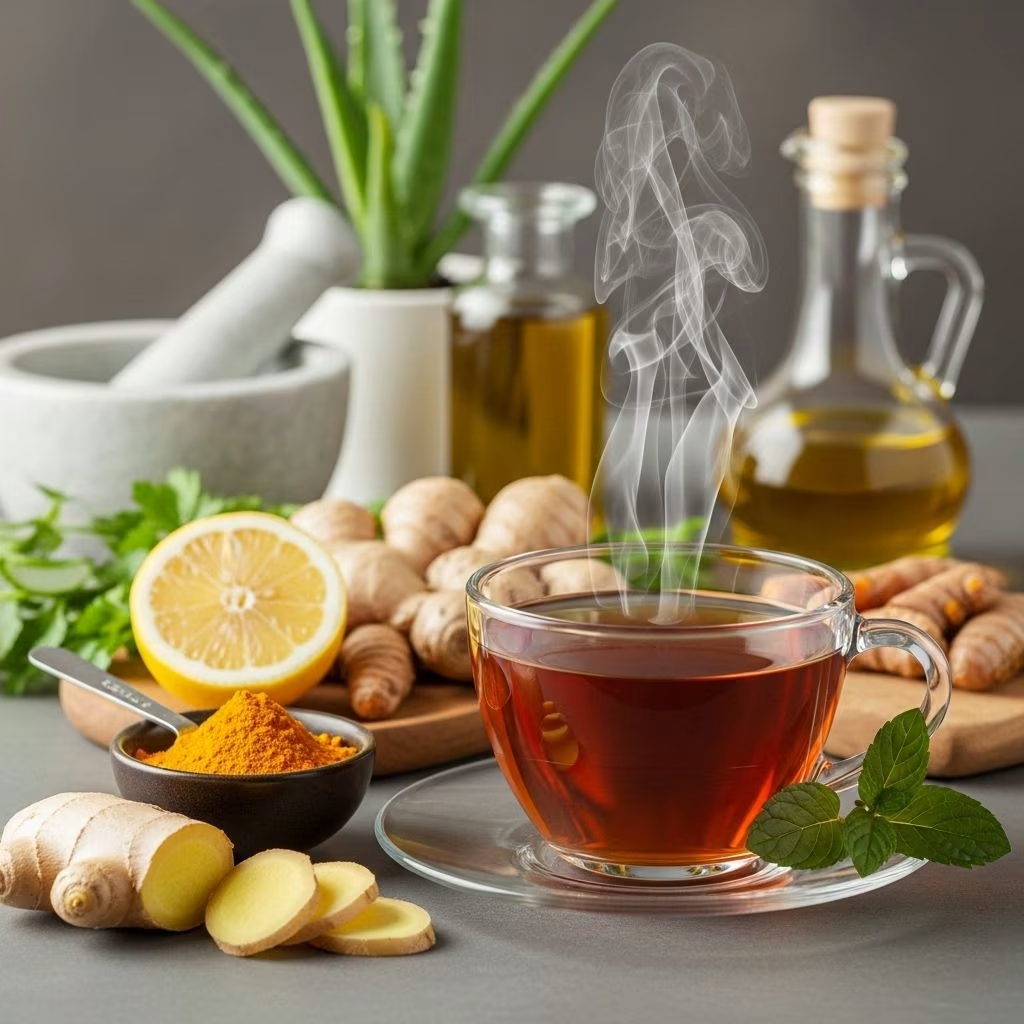
- Turmeric (Curcumin): Contains anti-inflammatory curcuminoids. The recommended dose is 500 to 700 mg per day. Can be mixed into curries, milk, or smoothies.
- Ginger: Rich in antioxidants, ginger may help relieve nausea and reduce inflammation. Brew as tea or add to soups.
- Coconut Oil: Contains medium-chain triglycerides (MCTs) that are easier for the pancreas to digest. Replace regular cooking oils with small amounts of virgin coconut oil.
- Mushrooms (especially Reishi, Shiitake, Maitake): These varieties may exert anti-inflammatory effects and support immune function.
- Omega-3 Fatty Acids: Found in flaxseed, chia, walnuts, or supplements, these may support overall inflammation reduction.
- Milk Thistle: Contains silymarin, used in supporting liver and digestive health.
Table: Common Supplements and Their Potential Roles
| Supplement | Potential Benefit |
|---|---|
| Curcumin (Turmeric) | Anti-inflammatory, antioxidant |
| Ginger | Aids digestion, reduces nausea and inflammation |
| Mushroom Extracts | Anti-inflammatory, supports immune system |
| Omega-3 Fatty Acids | Reduces inflammation |
| Antioxidant Vitamins (A, C, E) | Reduces oxidative damage to tissues |
| Milk Thistle | Digestive/liver support |
3. Digestive Enzyme Supplementation
- For chronic pancreatitis, digestive enzyme supplements can help compensate for pancreatic insufficiency, improving nutrient absorption and reducing digestive symptoms.
- Appropriate enzyme type and dosing should be guided by a gastroenterologist or nutritionist.
4. Acupuncture and Complementary Therapies
- Acupuncture may help relieve pain and nausea in some patients by balancing energy and promoting relaxation.
- Some patients benefit from meditation, mindfulness, or therapeutic yoga for pain and stress reduction.
5. Natural Treatments to Use Cautiously or Avoid
- Probiotics: Although probiotics benefit gut health in many situations, clinical trials show they may increase mortality in severe acute pancreatitis and should generally be avoided without medical advice.
- Always discuss new or alternative therapies with your healthcare provider to avoid adverse effects or interactions.
When to Seek Medical Help
- Sedative abdominal pain unresponsive to over-the-counter medications
- Vomiting, persistent nausea, dehydration
- High fever, jaundice (yellowing of the skin/eyes), or confusion
- Rapid heartbeat, weight loss, changes in stool appearance (pale or oily stools)
- New or severe symptoms always require urgent medical attention
Prevention and Daily Pancreatic Care
- Avoid all alcohol and tobacco products
- Stay physically active and maintain a healthy weight
- Manage underlying metabolic conditions (such as diabetes, high cholesterol, or gallstones)
- Prevent infections and practice good hygiene when preparing food
- Attend regular follow-ups with your healthcare team to monitor progress
Frequently Asked Questions (FAQs)
What are the main triggers of pancreatitis attacks?
Common triggers include heavy alcohol consumption, gallstones, high-fat meals, certain medications, high blood triglyceride levels, and some infections. Identifying and avoiding personal triggers is crucial for effective management.
Are there foods I should completely avoid?
Avoid high-fat and fried foods, processed snacks, full-fat dairy, red meats, and alcohol. Focus on steamed vegetables, whole grains, lean proteins, and adequate hydration.
Can herbal remedies cure pancreatitis?
No herbal remedy can cure pancreatitis, but some may help manage symptoms. Always consult a healthcare professional before using herbal supplements to ensure safety and effectiveness.
Is fasting necessary during an acute attack?
In certain acute cases, fasting (not eating or drinking) is recommended to allow the pancreas to rest, followed by gradual introduction of clear liquids and low-fat foods. This should always be supervised by a physician.
What lifestyle changes are most effective for chronic pancreatitis?
Complete abstinence from alcohol and tobacco, a permanent switch to low-fat eating, regular physical activity, hydration, stress management, and regular medical follow-up are essential for reducing exacerbations and supporting recovery.
Key Points to Remember
- Pancreatitis requires prompt medical attention; do not rely solely on home remedies during acute attacks.
- Long-term management is best achieved by a combination of healthy dietary choices, lifestyle adjustments, and (when appropriate) carefully selected supplements under professional supervision.
- Routine check-ups and personalized advice from your healthcare provider are essential for safe and effective pancreatitis care.
Managing pancreatitis is a lifelong commitment to self-care and prevention. Integrating science-backed home remedies and natural strategies alongside medical treatment can significantly improve quality of life and reduce the risk of complications.
References
- https://www.medanta.org/patient-education-blog/quick-and-effective-relief-acute-pancreatitis-quick-fixes
- https://www.austingastro.com/2021/10/22/natural-treatment-remedies-to-relieve-pancreatitis/
- https://www.ebsco.com/research-starters/biology/natural-treatments-pancreatitis
- https://www.goodrx.com/conditions/pancreatitis/treatment
- https://www.mayoclinic.org/diseases-conditions/pancreatitis/diagnosis-treatment/drc-20360233
- https://www.nhs.uk/conditions/acute-pancreatitis/treatment/
- https://my.clevelandclinic.org/health/diseases/8103-pancreatitis
- https://myhealth.alberta.ca/Health/aftercareinformation/pages/conditions.aspx?hwid=uf7653
- https://columbiasurgery.org/news/ins-and-outs-holistic-nutrition-pancreatic-health