


Introduction
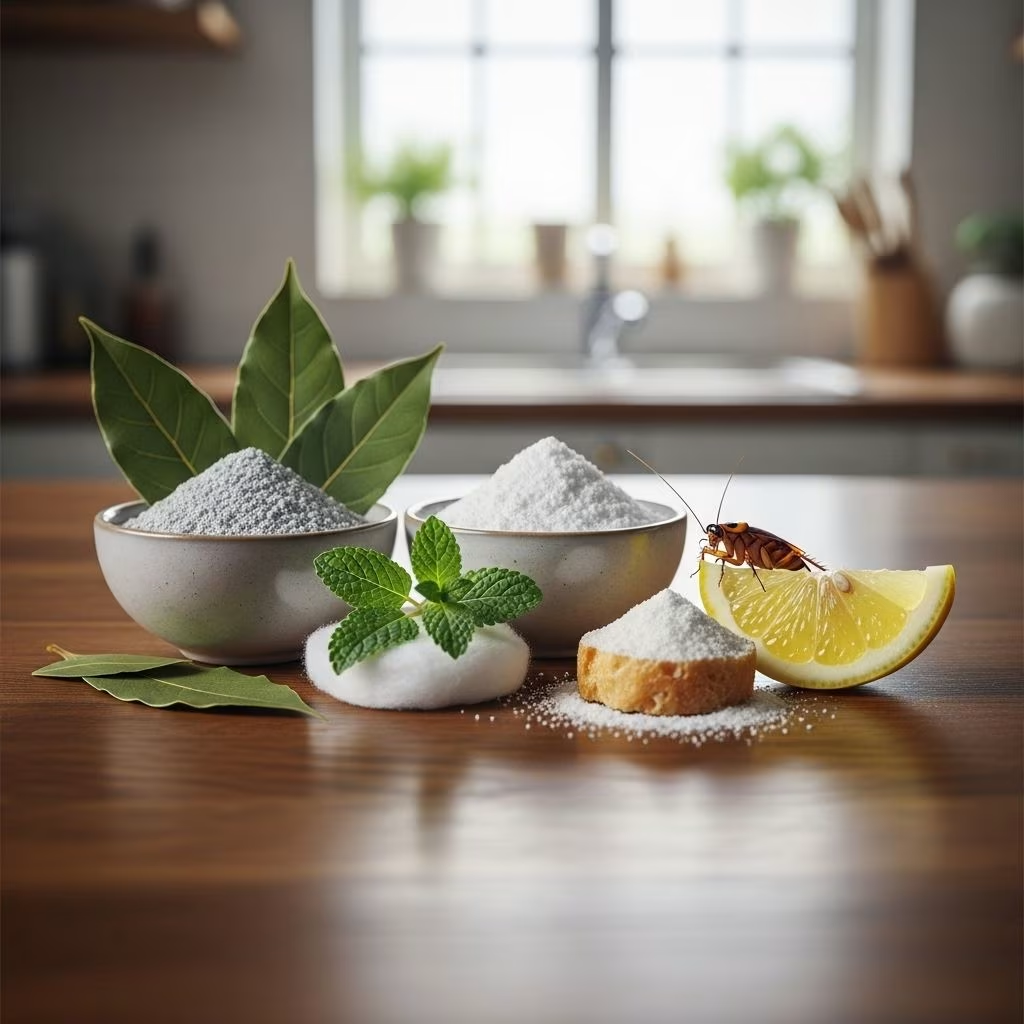
Cockroaches are among the world’s most persistent household pests, notorious for their ability to survive in adverse conditions and spread diseases. While commercial pest control methods are effective, many homeowners seek natural, eco-friendly ways to repel cockroaches without harsh chemicals. This guide presents in-depth research on tried-and-tested home remedies for cockroach control, shedding light on their effectiveness, usage, limitations, and safety for domestic environments.
Understanding Cockroach Behavior
To successfully manage cockroach populations, it is essential to understand their habits and preferences. Cockroaches are nocturnal creatures, actively foraging at night. They thrive in warm, dark, and moist locations, most frequently infesting areas like kitchens and bathrooms. These pests seek out food, water, and shelter, exploiting cracks, cabinets, and appliances for nesting. Knowing where and why cockroaches congregate helps target home remedies more effectively.
Typical attractants include:
- Crumbs and food residues
- Spilled liquids and standing water
- Garbage and cluttered storage areas
- Unsealed pantry products
- Moisture under sinks and appliances
Home Remedies for Cockroach Control
There are several natural methods to reduce and repel cockroach populations. The following remedies are supported by experts and are commonly available in households:
1. Baking Soda and Sugar
Baking soda is lethal to cockroaches when ingested. Mixing it with sugar lures cockroaches to consume the bait, which causes a fatal reaction in their digestive systems.
How to use:
- Mix equal parts baking soda and sugar.
- Place the mixture in shallow containers or sprinkle near cockroach hotspots (under sinks, behind cabinets).
- Repeat as necessary in infested areas.
Effectiveness: Baking soda is fast-acting but works best for minor infestations and visible roaches. It is unlikely to reach hidden colonies or prevent completely re-infestation.
2. Diatomaceous Earth
Diatomaceous earth (DE) is a powder derived from fossilized algae. It works mechanically, dehydrating and killing cockroaches by damaging their exoskeleton.
- Sprinkle food-grade diatomaceous earth in cracks, crevices, and behind appliances.
- Apply in dry locations, as moisture can reduce its effectiveness.
- Wear a mask to avoid inhalation during application as DE can irritate the lungs.
Effectiveness: Safe around humans and pets but requires several applications and does not affect eggs or hidden roaches.
3. Boric Acid
Boric acid is a well-known cockroach killer, working as a stomach poison when ingested by cockroaches. It may also adhere to their bodies and act upon grooming.
- Mix boric acid with peanut butter, flour, or sugar to create bait.
- Lightly dust in strategic locations such as under stoves, refrigerators, baseboards, and cracks.
- Use sparingly and keep away from children and pets.
Effectiveness: Can kill individual roaches but may not reach nest sites; best used for spot treatments.
4. Essential Oils
Certain essential oils—including peppermint, eucalyptus, and tea tree oil—exhibit strong repellent properties against cockroaches.
- Mix several drops of essential oil with water in a spray bottle.
- Spray along baseboards, behind appliances, entry points, and cupboards.
- The oils leave a pleasant scent while deterring pests.
Effectiveness: Best for prevention and as a mild repellent; does not kill roaches.
5. Bay Leaves
Bay leaves emit a scent that repels cockroaches.
- Crush bay leaves and place them in sachets or sprinkle in cabinets and kitchen corners.
- Ideal for use in food storage areas.
Effectiveness: Non-lethal; best as a repellent for preventing initial infestations.
6. Vinegar
White vinegar is used for cleaning and repelling cockroaches due to its strong odor.
- Mix equal parts vinegar and water.
- Wipe down kitchen surfaces, floors, and bathroom counters.
- Eliminates food residues and scent trails.
Effectiveness: Helpful in hygienic maintenance and mild prevention rather than as a direct killer.
7. Catnip
Catnip (contains nepetalactone) naturally repels cockroaches.
- Simmer catnip in water to prepare a spray.
- Apply to infested locations or place sachets of dried catnip.
- Avoid if you own cats, as they are strongly attracted to catnip.
Effectiveness: Safe and highly effective as repellent; does not kill roaches directly.
8. Bleach
Bleach is capable of killing cockroaches but is largely impractical for household use as a targeted remedy.
- Works only if cockroaches are directly doused or ingest bleach.
- Dangerous to use widely as it causes irritation and damages surfaces.
- Best reserved for cleaning surfaces to remove attractants and germs.
Effectiveness: Not recommended as a primary remedy.
Other DIY Methods
- Roach Foggers: Release pesticides but rarely reach roach nests in hidden spaces; generally ineffective for complete control.
- Homemade Traps: Sticky traps or jars baited with food can help monitor activity but have limited impact on established infestations.
Preventive Practices & Household Hygiene
In addition to specific remedies, preventive measures form the backbone of cockroach management. Consistent household hygiene helps lower the risk of infestation and supports the success of natural remedies. Recommended actions include:
- Regularly sweep, mop, and vacuum floors to remove crumbs and spills.
- Take out garbage daily and use tightly sealed containers.
- Repair leaky plumbing and eliminate standing water.
- Store food in airtight containers and minimize food exposure.
- Declutter rooms and seal entry cracks with caulk.
- Clean under appliances and inside cabinets routinely.
Limitations of Home Remedies
While home remedies are useful for mild infestations and prevention, they have inherent limitations:
- Limited reach – Most remedies cannot penetrate walls, deep cracks, or inaccessible nests.
- Not effective against eggs – Roach eggs are resistant to most household treatments.
- Slow results – Natural methods may take several applications and time to show results.
- Partial eradication – Home remedies rarely eradicate full infestations and may require supplementation with professional help.
Safety Considerations
- Read product labels (e.g., boric acid, diatomaceous earth) and use only food-grade versions where applicable.
- Keep all powders, sprays, and baits away from children and pets.
- Wear gloves and masks when handling potent compounds or powders.
- Ventilate rooms after application of repellents, especially essential oils and bleach.
- If allergic reactions occur, discontinue use and consult a professional.
Comparison Table: Home Remedies
| Home Remedy | Method | Effectiveness | Safety | Use Case |
|---|---|---|---|---|
| Baking Soda & Sugar | Bait Trap | Good (minor infestations) | High | Visible roaches/maintenance |
| Diatomaceous Earth | Powder Barrier | Moderate (spot use) | High (food-grade only) | Accessible cracks/crevices |
| Boric Acid | Bait/Light Dust | Strong (individuals only) | Medium | Away from pets/children |
| Essential Oils | Spray | Prevention | High | General repellence |
| Bay Leaves | Crushed/Placed | Repellent (limited) | High | Food storage |
| Vinegar | Cleaning/Wipe | Prevention | High | Hygiene maintenance |
| Catnip | Sachet/Spray | Repellent | High (except for cats) | Non-lethal deterrence |
| Bleach | Cleaning/Spray | Limited/Impractical | Low | Surface cleaning only |
Frequently Asked Questions
Q: How do I use baking soda to kill cockroaches?
A: Mix baking soda with equal parts sugar. Place the mixture on shallow trays near roach-infested areas. The sugar attracts the roaches, and the baking soda causes a lethal reaction when ingested.
Q: Is diatomaceous earth safe around children and pets?
A: Food-grade diatomaceous earth is generally safe when applied correctly. Avoid inhaling the powder and keep it away from direct contact until cleaned up.
Q: Can essential oils really repel cockroaches?
A: Yes, strong scents like peppermint, eucalyptus, and tea tree oil act as mild repellents and can discourage roach presence. They do not kill roaches but can make infested areas less attractive.
Q: Why do home remedies sometimes fail to eliminate cockroaches completely?
A: Home remedies work best for minor infestations and prevention. Cockroaches nesting in inaccessible or hidden areas are unlikely to come into contact with most remedies, and eggs are resistant to many natural substances. Severe infestations usually require professional pest control.
Q: Are foggers recommended for home cockroach control?
A: No. Foggers may kill some exposed roaches but cannot reach nesting sites or hidden colonies, making them largely ineffective for total control.
Q: What’s the best way to keep cockroaches from coming back?
A: Maintaining strict hygiene—cleaning, prompt removal of waste, sealing food, and repairing leaks—prevents attractants and reduces surviving roach populations. Frequent application of natural repellents supplements these efforts.
Conclusion
Natural and DIY home remedies for cockroaches offer safe, accessible, and cost-effective strategies, particularly for minor infestations and prevention. Ingredients like baking soda, diatomaceous earth, essential oils, boric acid, and bay leaves, combined with strong household hygiene practices, can effectively deter and kill cockroaches in many cases. However, their limitations must be recognized; severe or widespread infestations usually warrant the intervention of licensed pest control professionals. For ongoing success, homeowners should incorporate these remedies into routine cleaning and maintenance to keep cockroach populations in check while safeguarding family health and well-being.


