


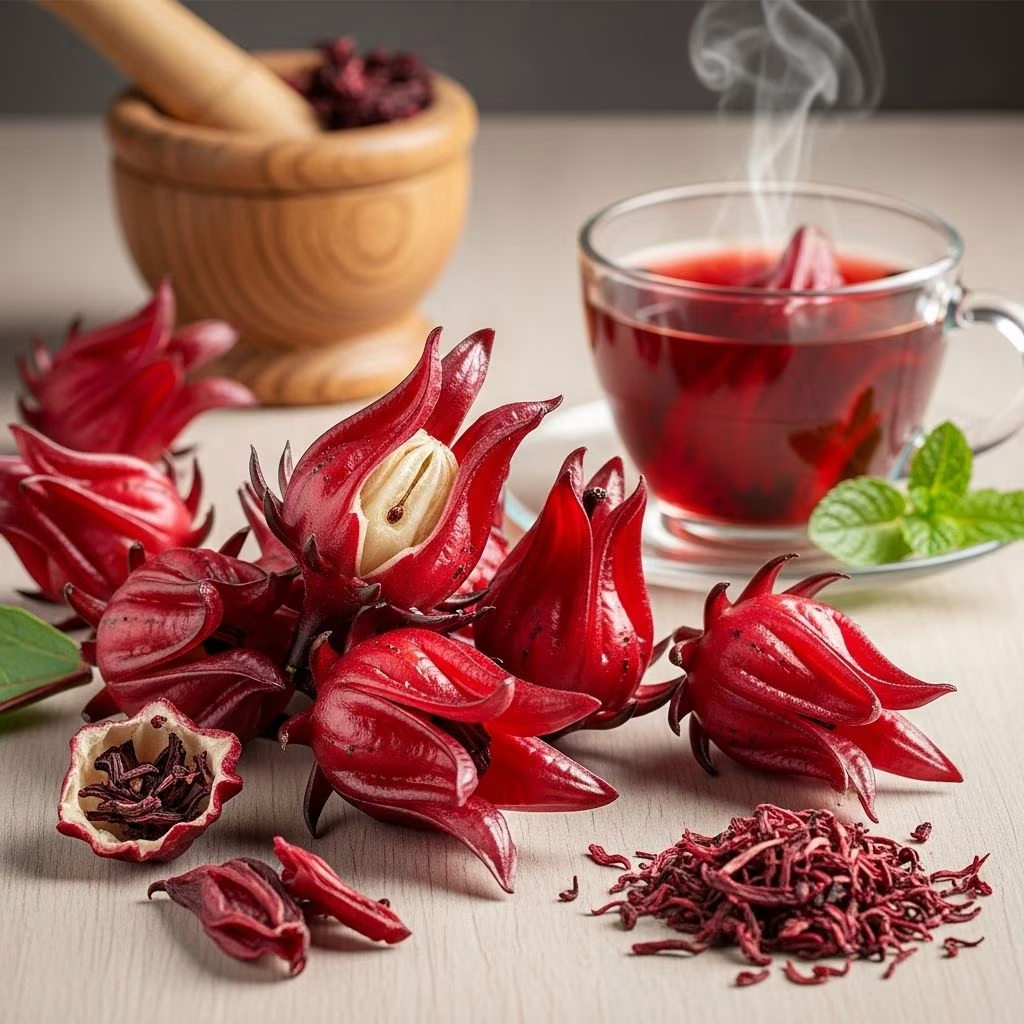
The zobo flower—known botanically as Hibiscus sabdariffa and also called roselle calyx—is a vibrant, tangy plant part that features prominently in the culinary and wellness traditions of tropical regions across Africa, Asia, the Americas, and the Caribbean. Renowned for its deep red hue and refreshing tartness, this remarkable plant offers a spectrum of health benefits, culinary versatility, and a rich cultural history. This detailed guide explores all aspects of zobo flower, from its origins and features to its uses, benefits, and characteristic flavor.
What Is Zobo Flower (Roselle Calyx)?
The term zobo flower primarily refers to the deep red, fleshy calyx of the Hibiscus sabdariffa plant. While the plant is known globally by many names—including roselle (English), karkadé (Arabic), bissap (West Africa), sorrel (Caribbean), and Jamaica (Latin America)—it is especially celebrated in Nigeria as the essential ingredient for zobo drink (a popular herbal beverage).
Unlike the flower petals of most plants, it is the calyx—the thickened, cup-like structure that protects and supports the developing flower and fruit—that is harvested, dried, and used for its color, flavor, and nutrition. The roselle plant is a member of the hibiscus family (Malvaceae), and its calyx is the key raw material in a diverse array of culinary and medicinal applications worldwide.
Botanical Description and Origins
Hibiscus sabdariffa is native to tropical West Africa but has long been cultivated in Southeast Asia, the Caribbean, Central and South America, and other warm climates. The plant is an annual or perennial herbaceous shrub, typically growing 1.5–2.5 meters tall. Its distinctive features include:
- Leaves: Deeply lobed, reddish-green, arranged alternately, often 8–15 cm long.
- Flowers: Yellow or pale pink, measuring 8–10 cm in diameter, with a prominent red spot at the base.
- Calyx: The fleshy, bright red, cup-like structure encasing the plant’s seeds. The calyx swells and turns a vivid crimson as the fruit matures, usually after 5–6 months.
Roselle’s adaptability to low-fertility and low-moisture soils, alongside its relatively fast growth, has made it a valuable and globally cultivated crop.
Traditional and Global Distribution
- Originated in West and Central Africa (notably Sudan, Nigeria, Senegal).
- Spread to the Caribbean, Latin America, Southeast Asia, and India via trade and colonial exchange.
- Famed for centuries as a food, beverage, and medicinal plant in diverse cultures.
Nutritional Profile of Zobo Flower
The zobo flower is valued not just for its bright color but also for its impressive nutritional and phytochemical content. The calyx contains:
- Organic acids: Contains citric acid, hibiscus acid, malic acid, and tartaric acid, contributing to its tart taste.
- Antioxidants: Rich source of phenolic compounds, flavonoids (such as anthocyanins), and vitamin C.
- Minerals: Provides calcium, magnesium, iron, and potassium.
- Low Calories: Virtually no fat and low sugar content in its natural state.
Thanks to these nutrients, zobo flower offers both health-promoting and culinary benefits.
Health Benefits of Zobo Flower
Traditionally and according to recent research, the zobo flower (roselle calyx) confers a wide range of potential health benefits due to its unique nutritional and phytochemical profile. Key benefits include:
- Antioxidant Boost: High in polyphenols and anthocyanins, zobo helps protect cells from oxidative damage, slowing the aging process and lowering the risk of chronic diseases.
- Blood Pressure Management: Various studies and traditional medicine suggest zobo tea (hibiscus tea) can help reduce elevated blood pressure in adults, attributed to its vasodilatory and diuretic effects.
- Cholesterol Regulation: The calyx’s bioactive compounds may help decrease LDL (bad) cholesterol and triglycerides, supporting heart health.
- Anti-inflammatory Effects: Flavonoids suppress inflammation, easing symptoms related to diseases such as arthritis and respiratory conditions.
- Anti-microbial Properties: Extracts of zobo flower exhibit activity against certain bacteria and fungi, contributing to oral and digestive health.
- Liver Support: Animal and in vitro studies indicate hibiscus extracts may bolster liver function by scavenging free radicals.
- Weight Management: Hibiscus tea is often consumed as a calorie-free, appetite-regulating beverage, sometimes incorporated into weight control programs.
- Digestive Aid: The tart acids in roselle can stimulate digestion.
- Potential Anti-Diabetic Activity: Some animal studies suggest extracts may help lower blood glucose levels, although more human data is needed.
Disclaimer: While zobo flower has many traditional and research-backed uses, it is not a substitute for professional medical advice. Consult a healthcare provider before significant dietary changes.
Culinary Uses Around the World
The versatility of the zobo flower is showcased in its diverse culinary applications worldwide. Its intense red color and tart, fruity flavor make it popular in several regions:
- Zobo Drink (Nigeria & West Africa): The calyx is boiled with water and often flavored with ginger, pineapple, cloves, or citrus, producing a refreshing, tangy beverage treasured for its taste and health properties.
- Agua de Jamaica (Latin America): An iced, ruby-colored infusion popular in Mexico and Central America, enjoyed sweetened or unsweetened.
- Sorrel Drink (Caribbean): Served especially at Christmas, often spiked with spices such as cinnamon, cloves, ginger, and sometimes rum.
- Bissap (Senegal & Francophone West Africa): Served cold and sweetened, sometimes with mint or orange blossom water.
- Infusions and Teas: Used worldwide as a caffeine-free, vitamin-rich herbal tea (also known as hibiscus tea or karkadé), either hot or cold.
- Jams, Sauces, and Jellies: The tangy calyx is cooked down with sugar and fruits to produce vibrant spreads and pie fillings, often as a substitute for cranberries.
- Syrups, Cordials, and Punches: Extracts are prepared for mixing into beverages, desserts, or cocktails.
- Culinary Colorant: Used as a natural red coloring agent for foods and drinks.
- Other Uses: Roasted seeds are brewed like coffee or ground into soups (for protein), and the leaves occasionally used as a cooked green or salad ingredient.
Sample Table: Popular Regional Names for Zobo Flower
| Region/Country | Common Name |
|---|---|
| Nigeria (West Africa) | Zobo |
| Senegal | Bissap |
| Caribbean | Sorrel |
| Mexico / Central America | Jamaica (Agua de Jamaica) |
| Egypt, Sudan, Middle East | Karkadé |
| English-speaking countries | Roselle / Hibiscus |
What Does Zobo Flower Taste Like?
Zobo flower is renowned for its tart, cranberry-like flavor. The taste is described as:
- Distinctly tangy and slightly sour.
- Bright, refreshing, and fruity—comparable to cranberry or pomegranate.
- Underlying floral notes, with complexity that can range from intensely sharp (when undiluted) to delicately sweet when blended with other fruits or sweeteners.
- Color and acidity can mimic cranberries in sauces and jams.
This bold, refreshing tang is what sets zobo flower apart and makes it a favorite base for non-alcoholic and celebratory drinks in hot climates. The taste also balances well with spices, ginger, or tropical fruit.
How to Prepare and Use Zobo Flower
Preparing zobo flower at home is straightforward, with dried calyxes widely available. Here are basic preparation tips:
- Rinse thoroughly: Dried calyxes should be rinsed in cool water to remove any dust or residues.
- Boil or steep: Simmer approximately 1 cup dried zobo calyx in 4–5 cups water, optionally adding ginger, pineapple, citrus peel, or cloves for depth.
- Strain and sweeten: Strain the infusion; sweeten with honey or sugar to taste, or blend with fruit juices for added flavor.
- Chill and serve: Enjoy over ice, garnish with citrus or mint, or serve hot as herbal tea.
The dried calyx can also be incorporated into jams, sauces, syrups, or used as a natural food coloring. Roasted seeds and tender leaves offer additional culinary options.
Possible Side Effects and Precautions
- Blood Pressure: Zobo flower’s blood-pressure-lowering effect can interact with antihypertensive drugs—monitor intake if on medication.
- Pregnancy: Some sources advise caution during pregnancy, due to potential uterine stimulation (though clinical evidence is limited).
- Allergies: Rare, but possible, especially with related hibiscus species.
- Kidney Disorders: Those with kidney conditions should consult a physician before frequent consumption, due to oxalate and acid content.
- Sugar Content: Commercial preparations may contain high added sugars.
Always consult a qualified health provider regarding prolonged or high-dose herbal supplementation.
Frequently Asked Questions (FAQs)
Q: What is the difference between zobo flower, hibiscus, and roselle?
A: All three terms refer to the same plant (Hibiscus sabdariffa). ‘Zobo’ is the Nigerian (Yoruba) name, ‘roselle’ is common in English, and ‘hibiscus’ describes the broader genus to which the plant belongs.
Q: Is zobo flower safe for children and pregnant women?
A: Zobo is generally safe for children when prepared as a beverage. Pregnant women should consult their doctor before consuming large quantities, as there is some traditional caution regarding its potential effects.
Q: Can you eat fresh zobo (roselle) calyxes?
A: Yes, fresh calyces can be consumed raw in salads or cooked into jams and sauces. However, most culinary uses involve drying the calyx for later use.
Q: How should zobo flower be stored?
A: Dried calyxes should be stored in a cool, airtight container, away from direct sunlight. They may also be refrigerated or frozen for long-term preservation.
Q: What are creative ways to use zobo flower in the kitchen?
A: Besides traditional drinks and jams, zobo flower can be infused into sorbets, vinaigrettes, baked goods, jellies, and as a striking garnish or natural coloring in both savory and sweet dishes.
Conclusion
The zobo flower (roselle calyx or Hibiscus sabdariffa) is a powerful, time-honored plant with benefits that extend from cardiovascular support to culinary delight. Its vivid red color, crisp tart flavor, and impressive health-promoting compounds make it a standout ingredient in global cuisine and wellness traditions. Whether enjoyed as a cool, tangy drink in Nigeria, a holiday punch in the Caribbean, or a healthful tea worldwide, zobo flower remains a vibrant symbol of natural nutrition and cultural heritage.
References
- https://en.wikipedia.org/wiki/Roselle_(plant)
- https://gardeningsolutions.ifas.ufl.edu/plants/edibles/vegetables/roselle/
- https://www.alveus.eu/blog/hibiscus-roselle-flower
- https://pmc.ncbi.nlm.nih.gov/articles/PMC7277581/
- https://en.wikipedia.org/wiki/Hibiscus_tea
- https://www.growables.org/informationVeg/Hibiscus.htm


