


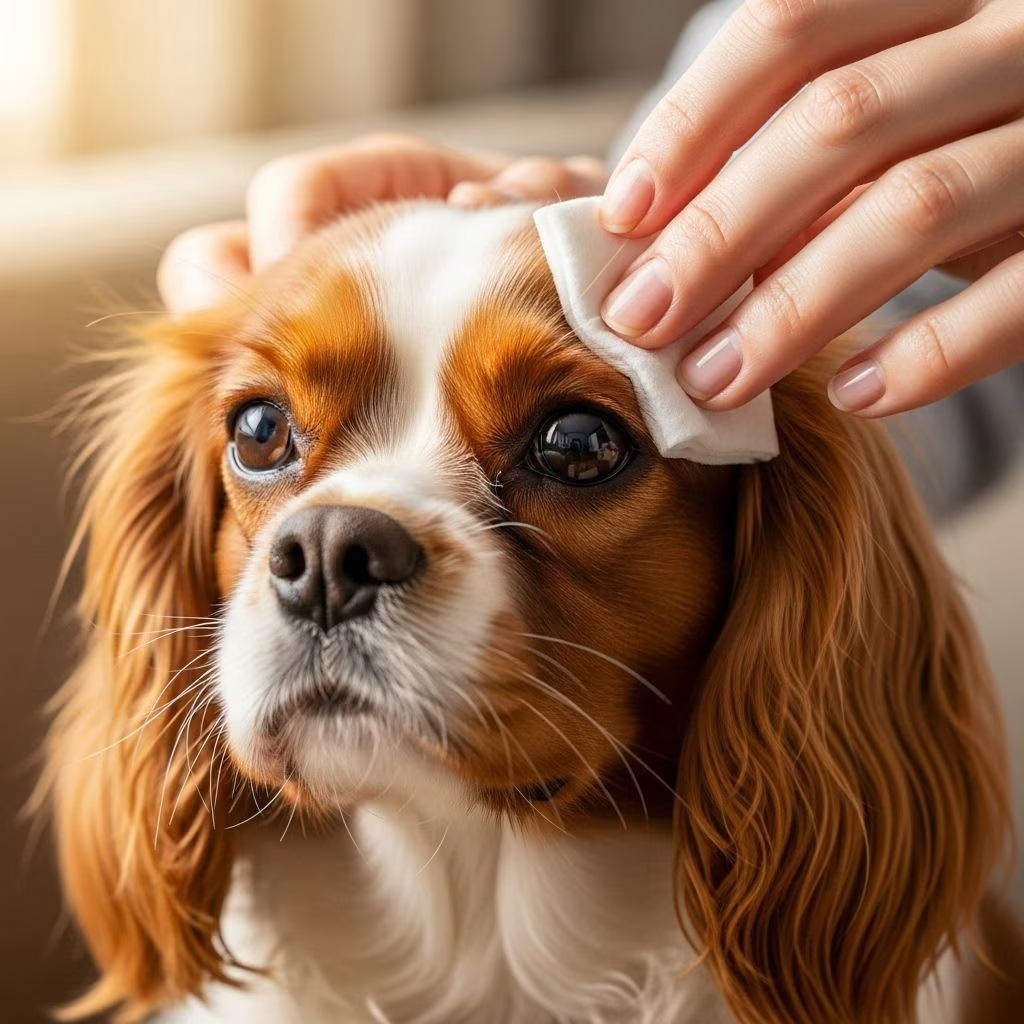
Home Remedies That Can Provide Relief to Your Pet’s Eye Infection
Eye infections in pets like dogs and cats can cause discomfort, redness, discharge, and even long-term issues if left untreated. While professional veterinary attention is essential for severe or persistent cases, certain at-home remedies can offer relief for mild infections and support recovery in conjunction with professional guidance. This article outlines safe, effective ways to care for your pet’s eyes at home, symptoms to watch for, and when to consult a veterinarian.
Recognizing the Signs of Eye Infection in Pets
Before starting any home care, it’s crucial to recognize symptoms that indicate an eye infection in your pet. Typical signs include:
- Redness around the eye or eyelids
- Swelling of the eye or tissues surrounding it
- Yellow, green, or white discharge accumulating in the corners or on the fur
- Excessive tearing or watery eyes
- Squinting or frequent blinking
- Rubbing the eye with paws or against objects
- Crusting around the eye
- Sensitivity to light
- Loss of interest, lethargy, or appetite changes
While mild infections may respond to home treatment, any severe or progressive symptoms should prompt an immediate veterinary visit.
Common Causes of Pet Eye Infections
Understanding the possible causes of your pet’s eye troubles can help you take the right action. Eye infections can result from:
- Bacterial or viral infection, such as conjunctivitis (‘pink eye’)
- Foreign objects or debris irritating the eye
- Allergies to environmental factors like pollen or dust
- Injury or scratches to the eye surface
- Blocked tear ducts
- Underlying systemic illness
Because some of these causes require specific therapies, always monitor your pet’s response to home remedies and be prepared to seek professional advice if needed.
Safe Home Remedies for Relieving Eye Infections in Pets
1. Saline Solution Eye Rinse
Saline solution is a trusted and gentle way to rinse away debris, soothe irritation, and help prevent infection. It is safe for both cats and dogs if prepared correctly.
- Mix 1 cup of boiled, cooled water with 1/2 teaspoon of non-iodized salt.
- Ensure the salt is fully dissolved. Let the solution cool to room temperature.
- Use a clean dropper, sterile syringe (without the needle), or a cotton pad. Gently draw down the lower eyelid and apply 1–3 drops, or use the cotton/gauze pad to wipe carefully from the inner corner outward.
- Repeat this process 2–4 times daily for up to a week, using a fresh solution each day to minimize the risk of bacteria.
- Always wash your hands before and after any eye care procedures.
2. Warm Compress
A warm compress can offer rapid relief by loosening discharge and reducing inflammation.
- Soak a clean, soft cloth or gauze pad in warm (not hot) water.
- Wring out excess water and gently place the compress over your pet’s closed eye for 30–60 seconds.
- This softens dried-up discharge and eases soreness.
- Afterwards, use the compress or a new pad to gently wipe away debris, always working outward from the inner eye corner.
- Apply 3–4 times daily, as needed.
3. Cold Compress for Swelling
When swelling or inflammation is pronounced, a cold compress may help:
- Wrap a few ice cubes in a clean towel or soak a washcloth in cold water (not freezing).
- Gently apply to the closed eyelid for a few minutes, being careful not to freeze or irritate the skin.
- Use sparingly, combining with other remedies for best effect.
4. Chamomile or Herbal Eye Wash
Chamomile tea is known for its soothing, anti-inflammatory, and mild antibacterial effects. Other safe herbs used (with veterinarian approval) include calendula and eyebright (Euphrasia).
- Steep one organic chamomile tea bag, or use a teaspoon of dried chamomile flowers, in one cup of freshly boiled water for 5–10 minutes.
- Allow the liquid to cool completely to a lukewarm temperature.
- Soak a cotton pad or sterile gauze in the cooled tea.
- Gently wipe your pet’s eye, using a fresh pad for each eye to avoid spreading infection.
- Do not pour tea directly into the eye; always apply gently with a pad.
Chamomile and similar herbs should never be applied to pets with known plant allergies. Monitor your pet closely for any new irritation.
5. Coconut Oil and Aloe Vera (For External Use Only)
Organic, virgin coconut oil is a natural antibacterial and anti-inflammatory agent, and pure aloe vera gel can provide soothing relief for mild eye irritation—when used carefully.
- Coconut Oil: With clean hands, apply a tiny amount around the rim of your pet’s eye (never into the eye itself) to help soothe reddish or irritated skin.
- Aloe Vera: Use a pure, additive-free gel on a clean pad to gently wipe the fur around the eye for irritation or mild chafing, but avoid direct contact with the eye surface.
Always ensure products are free from added chemicals, fragrances, or preservatives, and monitor your pet for adverse reactions.
6. Over-the-Counter Eye Ointments (With Veterinary Approval)
For more significant infections, veterinary-prescribed ointments containing antibiotics or steroid combinations (such as Neomycin, Polymyxin, Dexamethasone) may be required. Never use human eye medications on pets unless directed by a veterinarian.
7. Cleaning and Preventative Eye Care
Ongoing hygiene reduces the risk of new infections and helps manage chronic conditions:
- Clean around your pet’s eyes with dampened (sterile) cotton daily or as needed.
- Trim fur around the eyes to prevent debris accumulation (preferably with blunt-tip scissors and ideally under professional grooming supervision).
- Maintain a clean environment—regularly wash bedding and avoid dusty or moldy settings.
- Ensure your pet receives regular checkups to spot early signs of eye issues.
When Should You See the Veterinarian?
While home remedies may ease mild symptoms, certain situations require prompt veterinary attention:
- Signs of severe pain: continual squinting, pawing at the eye, or vocalizing in distress
- Vision loss or persistent cloudiness
- Profuse, colored, or foul-smelling discharge
- A swollen, protruding, or visibly injured eye
- No improvement after 48 hours of home treatment
- Signs of systemic illness: fever, lethargy, appetite loss
Prompt action reduces the chances of lasting damage and ensures appropriate therapy—especially if a corneal ulcer, glaucoma, or infectious disease is suspected.
Frequently Asked Questions (FAQs)
How do I safely clean discharge from my pet’s eyes?
Wash your hands. Use a clean, dampened cotton ball or pad (preferably soaked in saline). Wipe gently from the inner to the outer corner. Use a new pad for each eye and avoid contact with the eyeball itself.
Can I use human eye drops or ointments on my pet?
No. Human eye medications may contain ingredients that are dangerous to pets or at unsuitable concentrations. Always consult your veterinarian before applying any non-veterinary products.
What precautions should I take when treating my pet’s eyes at home?
- Wash and dry your hands before and after each procedure.
- Use clean, sterilized tools and pads to minimize cross-contamination.
- Never reuse solution from a previous day; always prepare a fresh batch.
- Restrain your pet gently to prevent sudden movements that might injure the eye.
When will I see improvement with home remedies?
Mild irritations may show noticeable improvement within 24–48 hours. If there’s no change or worsening, stop home care and contact your vet.
Can home remedies cure major eye infections?
No. While home remedies can moderate mild cases or offer temporary relief, persistent, severe, or recurring infections require professional veterinary diagnosis and prescription treatment.
Preventing Eye Infections in Pets
Prevention is always better than cure. Simple, consistent habits reduce risk:
- Keep your pet’s living space clean and dust-free.
- Regularly groom around the eye area, especially for breeds prone to tear staining or with prominent eyes.
- Minimize exposure to grassy fields, dense shrubs, or areas where plant spores, pollen, or irritants are common.
- Watch for signs of allergies or underlying illness.
- Schedule regular vet exams, especially for pets with chronic eye issues.
Summary Table: Home Remedy Dos and Don’ts
| Remedy | Safe Usage | Instructions | Cautions |
|---|---|---|---|
| Saline Solution | ✓ | Gently rinse or wipe affected eye 2–4 times daily with fresh solution | Prepare new solution daily; avoid contamination |
| Warm Compress | ✓ | Apply warm, damp cotton/gauze for 30–60 seconds, 3–4 times daily | Test temperature to avoid burns |
| Herbal Eye Wash (Chamomile, Calendula) | ✓ (With vet approval) | Apply cooled tea with cotton pad; don’t pour directly in eye | Avoid if pet has herb allergies |
| Coconut Oil, Aloe Vera | ✓ (External use) | Apply sparingly around the eye rim; never inside eye | Monitor for irritation; use pure, chemical-free products |
| Human Eye Medications | ✗ | Never use on pets unless prescribed by a veterinarian | Dangerous ingredients, improper doses |
Final Word: Your Pet’s Eye Health Matters
With prompt assessment, careful hygiene, and the right home remedies, you can often provide meaningful relief to your pet’s mild eye discomfort. Always begin with gentle solutions like saline or warm compresses, and keep a close eye on changes. The most important factor is your vigilance—when in doubt, reach out to your veterinary health professional for the best outcome.
References
- https://www.youtube.com/watch?v=ONp64XkZAQs
- https://www.servicedogtrainingschool.org/blog/eye-infections-in-dogs-home-treatment
- https://paworigins.com/blogs/vet-blogs/effective-home-remedies-to-tackle-dog-eye-discharge
- https://www.youtube.com/watch?v=bkcxPKTjZys
- https://www.wagthedoguk.com/2020/08/26/home-remedies-that-can-provide-relief-to-your-pets-eye-infection/
- https://www.nhvnaturalpetproducts.com/ey-eas-for-dog-eye-problems
- https://www.waggel.co.uk/blog/post/weepy-eyes-in-dogs
- https://tailsntummies.com/blogs/education/dog-eye-infections
- https://wagwalking.com/condition/red-eye


