


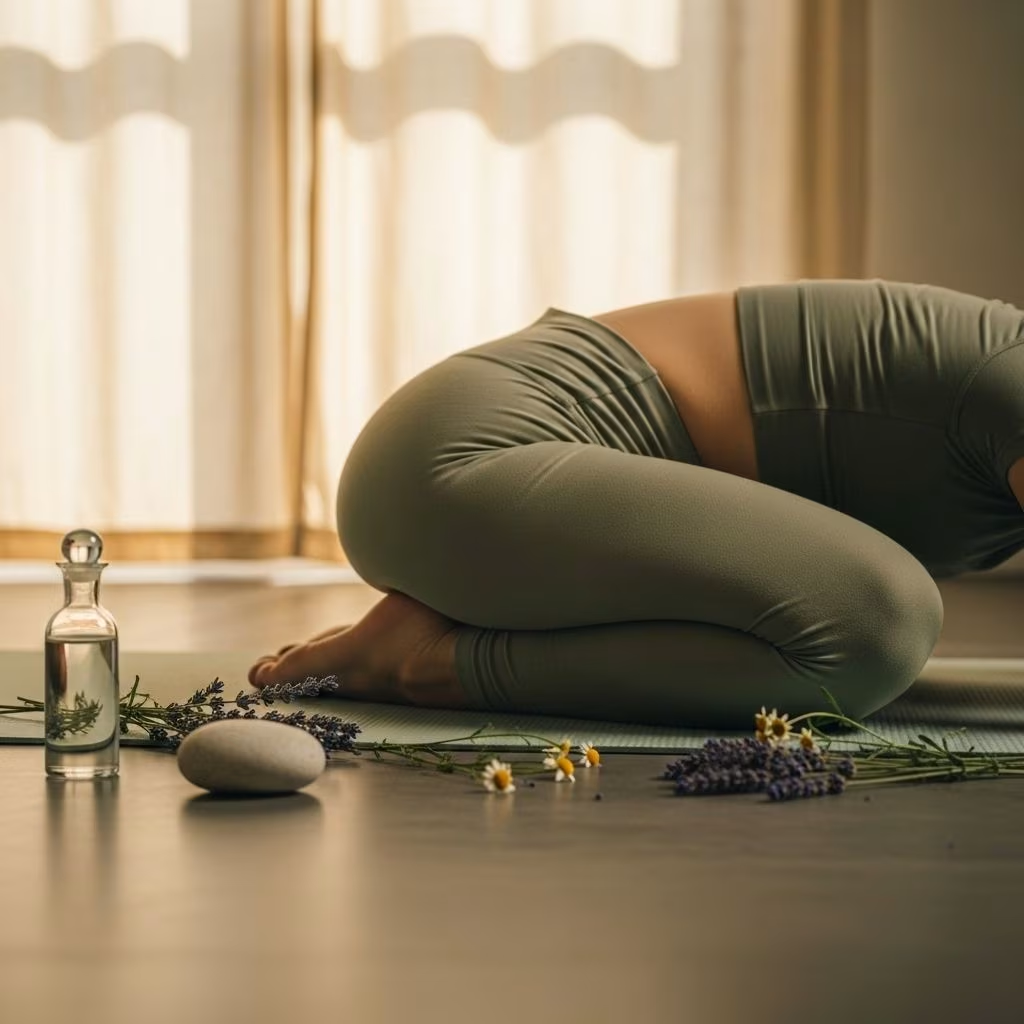
Introduction to Levator Ani Syndrome
Levator Ani Syndrome (LAS) is a condition characterized by chronic pain and discomfort in the pelvic region, specifically affecting the levator ani muscles. These muscles are part of the pelvic floor and play a crucial role in supporting the pelvic organs and maintaining continence. The syndrome is often associated with chronic anorectal pain and can significantly impact quality of life.
Causes and Symptoms
The exact cause of Levator Ani Syndrome remains unclear, but it is believed to be linked to hypertonic or non-relaxing pelvic floor muscles. Symptoms include persistent pain or discomfort in the rectal area, which can be exacerbated by sitting or during bowel movements.
Natural Remedies for Relief
While there is no cure for Levator Ani Syndrome, several natural remedies can provide relief from symptoms:
- Sitz Baths: Soaking the anal region in warm water can help relax the muscles and reduce spasms.
- Non-Steroidal Anti-Inflammatory Drugs (NSAIDs): Over-the-counter pain relievers may help reduce discomfort.
- Sitting on a Pillow: Using a donut-shaped pillow can alleviate pressure on the anus.
- Ayurvedic Herbs:
- Avipattikar Churna: Helps with digestive issues often associated with LAS.
- Yograj Guggul: Known for its muscle-relaxing properties and immune-boosting effects.
- Arogyavardhini Vati: Effective in improving bowel function and reducing pain.
- Navkarshik Churna: Helps reduce pain and strengthen the body.
- Dhanwantaram Oil: Provides analgesic relief and improves circulation around the anal region.
- Ashwagandha Capsules: Enhances muscle strength and circulation, beneficial for LAS.
Physical Therapy and Lifestyle Changes
Physical therapy plays a significant role in managing Levator Ani Syndrome. Techniques include:
- Massage and Biofeedback: Trained therapists can help relax the pelvic floor muscles.
- Trigger Point Injections: May use corticosteroids or Botox to relax the muscles.
- Relaxation Techniques:
- Viparita Karani Pose: A yoga pose that helps relax the pelvic floor muscles.
- Progressive Muscle Relaxation and Breathing Exercises: Useful for reducing muscle tension.
Frequently Asked Questions (FAQs)
Q: What is the primary cause of Levator Ani Syndrome?
A: The exact cause is unclear, but it is associated with hypertonic pelvic floor muscles.
Q: Is Levator Ani Syndrome a chronic condition?
A: Yes, LAS is a chronic condition, but symptoms can be managed effectively with treatment.
Q: Can natural remedies cure Levator Ani Syndrome?
A: While natural remedies can alleviate symptoms, there is no known cure for LAS.
References
- https://my.clevelandclinic.org/health/diseases/levator-ani-syndrome
- https://www.healthline.com/health/levator-ani-syndrome
- https://www.medicalnewstoday.com/articles/318763
- https://www.planetayurveda.com/library/herbal-remedies-for-levator-ani-syndrome/
- https://www.mendwellhealth.com/all-conditions/levator-ani-syndrome
- https://www.theoriginway.com/blog/all-about-levator-ani-syndrome-by-a-pelvic-floor-pt
- https://pmc.ncbi.nlm.nih.gov/articles/PMC2847007/
- https://capitolptdc.com/physical-therapy-treatments-for-levator-ani-syndrome/


