


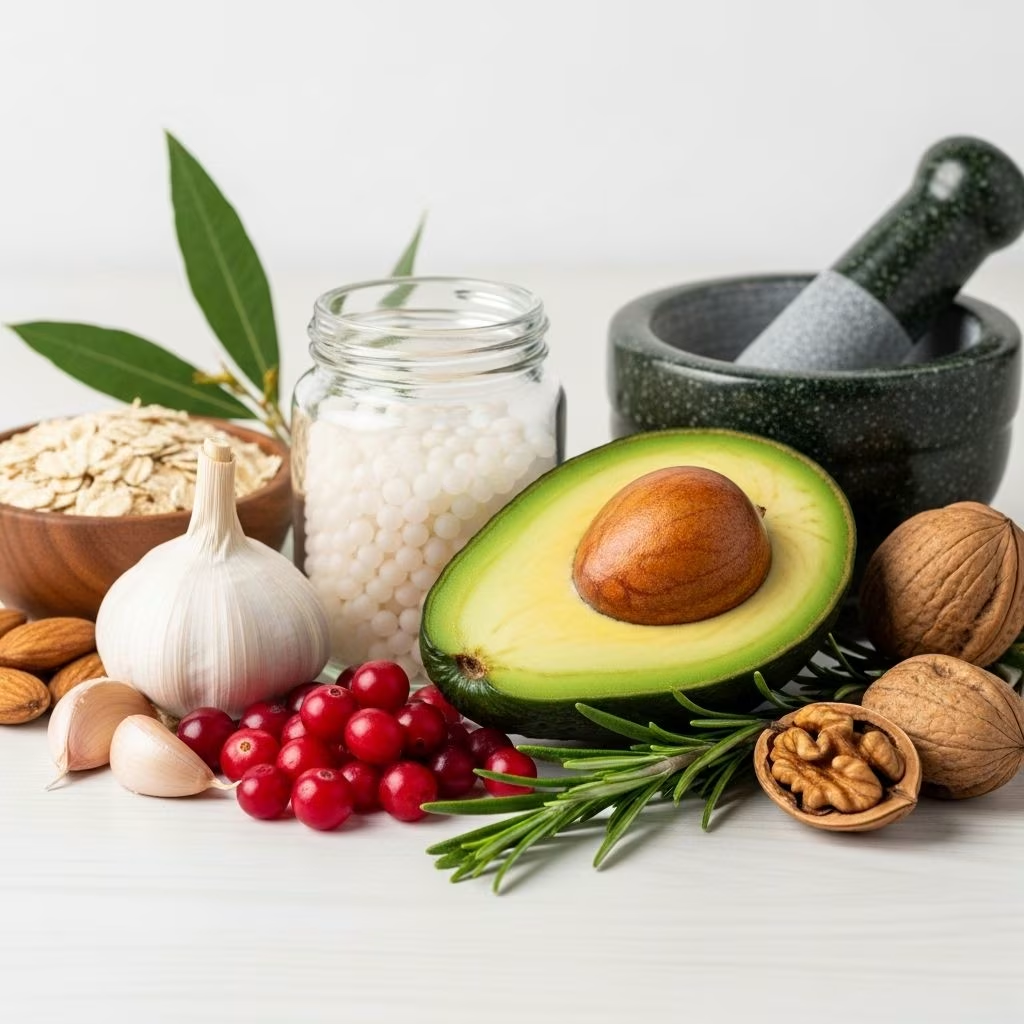
Homeopathic Medicine for Cholesterol: An In-Depth Guide
High cholesterol, known medically as hypercholesterolemia, is a leading risk factor for cardiovascular disease and stroke. While conventional medicine often prescribes statins and other lipid-lowering drugs, growing interest surrounds natural and alternative remedies—including homeopathy—for safe and effective cholesterol management. This guide explores homeopathic medicines, their mechanisms, lifestyle considerations, and practical FAQs to support a holistic approach to heart health.
Understanding Cholesterol and Its Types
Cholesterol is a waxy, fat-like substance found in all cells of the body. It is vital for producing hormones, vitamin D, and substances that help digest food. Cholesterol travels through the bloodstream in particles called lipoproteins, mainly categorized as:
- Low-Density Lipoprotein (LDL): Often dubbed “bad cholesterol,” LDL carries cholesterol to tissues but can build up in arterial walls, increasing the risk of atherosclerosis.
- High-Density Lipoprotein (HDL): Known as “good cholesterol,” HDL helps transport cholesterol away from arteries to the liver, where it is processed out of the body.
- Very Low-Density Lipoprotein (VLDL): Transports triglycerides and is predominantly associated with fat buildup in blood vessels.
- Triglycerides: Another kind of fat in the blood, high levels often accompany elevated cholesterol and further heighten cardiovascular risk.
Why Monitor Cholesterol Levels?
Maintaining balanced cholesterol levels is crucial for heart health. While the body needs cholesterol, excess LDL or triglycerides may contribute to blockages in blood vessels and subsequent heart disease, stroke, or other complications.
Complications of High Cholesterol
Persistently high cholesterol can lead to a range of health problems, primarily by contributing to the development of atherosclerosis (hardening and narrowing of arteries). Major complications include:
- Coronary Heart Disease: Accumulated cholesterol causes plaque formation in coronary arteries, limiting blood supply to the heart muscle and possibly leading to heart attacks.
- Stroke: Blockages in cerebral arteries due to plaque can result in stroke, causing loss of brain function or permanent disability.
- Peripheral Arterial Disease (PAD): Reduced blood flow to limbs, often the legs, can cause pain, numbness, and increased risk of infections and ulcers.
- Other Cardiovascular Disorders: High cholesterol is linked to hypertension, impaired heart valve function, and increased risk of kidney disease.
Early detection and proactive management are key to preventing these complications.
Homeopathic Approach to Cholesterol Management
Homeopathy implements individualized remedies based on the totality of symptoms, addressing not only physical but also emotional components. The focus is on stimulating the body’s self-healing mechanisms, counteracting the root causes of metabolic imbalances.
Principles Guiding Homeopathic Treatment
- Individualization: Each patient’s presentation is evaluated in depth, including lifestyle, emotional state, and medical history.
- Minimum Dose: Remedies are used in the smallest possible quantity, prepared via dilution and succussion (potentization) to minimize side effects and maximize efficacy.
- Holistic Care: Treatment addresses physical symptoms, dietary habits, stress levels, and coexisting health issues.
Studies have indicated beneficial outcomes using certain homeopathic preparations for managing cholesterol and dyslipidemia, with emphasis on safety compared to conventional drugs.
Key Homeopathic Remedies for Cholesterol Management
A range of homeopathic medicines are traditionally used to support healthy cholesterol and lipid profiles. Below are several key remedies, their indications, and scientific findings where available.
1. Crataegus Oxyacantha (Hawthorn)
- Widely used in homeopathy for heart tonification and cholesterol regulation.
- Indications: Weak heart, palpitations, hypertension, mild arteriosclerosis.
- Believed to help improve cardiac muscle function and ease arterial tension.
2. Allium Sativum (Garlic)
- Traditionally used to reduce “bad” LDL cholesterol and triglycerides while raising “good” HDL.
- Useful in preventing fatty accumulations in arteries and overall metabolic health.
3. Fucus Vesiculosus (Bladderwrack Seaweed)
- Indications include hyperlipidemia, obesity, and improper metabolism.
- Recent case series found that patients treated with this remedy showed significant reductions in triglycerides and improvements in overall lipid profiles within a few months.
- Administered primarily as a mother tincture under professional supervision.
4. Cholesterinum
- Indicated for patients with liver dysfunction and disposition to gallstones due to cholesterol deposition.
- Considered when cholesterol is especially elevated with symptoms of hepatic disturbance or biliary colic.
5. Colchicum Autumnale
- Traditionally used for gout and hyperlipidemia.
- Scientific findings: In vitro studies indicate multiple potencies (especially 1M and 200C) may reduce blood cholesterol concentrations up to nearly 20%.
- Frequently considered where high cholesterol accompanies inflammatory joint symptoms or metabolic derangement.
Other Remedies
- Lycopodium Clavatum: For patients with bloating, flatulence, or history of liver/gallbladder problems.
- Phosphorus: For cases with accompanying nervousness, fatigue, or dietary indiscretions.
- Calcarea Carbonica: For overweight individuals with sluggish metabolism who tend to crave eggs and indigestible foods.
- Baryta Muriatica: Especially elderly patients with arterial sclerosis or hypertension.
- Nux Vomica: For symptoms resulting from sedentary lifestyle, overeating, or excessive stimulant use.
Scientific Evidence: A Brief Review
| Remedy | Findings | Reference |
|---|---|---|
| Colchicum autumnale | Up to 19.7% reduction in cholesterol in vitro (1M potency) | Indian J Res Homoeopathy |
| Fucus vesiculosus | Normalization of triglycerides and moderate LDL reduction in case series | Elsevier B.V. Case Series |
| Gautteria gaumeri (Yumel) | Effective management in clinical study of hypercholesterolemia | Int J Adv Med |
While emerging research supports a potential role for certain homeopathic and natural agents in cholesterol management, more robust, large-scale studies are needed before definitive claims can be made.
Diet and Lifestyle for Cholesterol Control
No remedy or drug can substitute for the foundational pillars of cardiovascular health: diet and lifestyle. Homeopathy views these as indispensable partners for optimal results.
Dietary Recommendations
- Increase Fiber: Whole grains (oats, barley), legumes, vegetables, fruits.
- Prefer Healthy Fats: Emphasize unsaturated fats (olive oil, avocados, nuts). Limit saturated and trans fats.
- Avoid Refined Carbohydrates and Sugar: Cut back on sweets, soft drinks, and processed foods.
- Consume Plant Sterols and Stanols: Naturally occurring in many plant-based foods; shown to reduce LDL cholesterol.
- Limit Dietary Cholesterol: Found in red meat, shellfish, egg yolks, and full-fat dairy.
- Incorporate Functional Foods: Garlic, turmeric, ginger, and fermented products add antioxidant and anti-inflammatory benefits.
Lifestyle Measures
- Regular Physical Activity: Aim for 150 minutes of moderate aerobic exercise per week.
- Weight Management: Reducing excess weight can lower LDL and triglycerides while improving HDL.
- Quit Smoking and Limit Alcohol: Both increase the risk of cardiovascular complications.
- Manage Stress: Chronic stress can negatively affect lipid levels and heart health.
These measures, alongside any natural or homeopathic treatment, form the bedrock of comprehensive cholesterol and heart health management.
Frequently Asked Questions (FAQs)
Q: Can homeopathic medicines alone cure high cholesterol?
A: Homeopathic remedies may help normalize lipid metabolism, but they work best in conjunction with a healthy diet, physical activity, and appropriate medical supervision.
Q: Are there any side effects associated with homeopathic remedies for cholesterol?
A: Homeopathic medicines are generally considered safe and well-tolerated due to their high dilution, though inappropriate self-medication or use of mother tinctures without guidance can pose risks.
Q: How long does it take to see improvement with homeopathic remedies?
A: Clinical improvements may be observed within several weeks to a few months, but results vary depending on the individual, the exact remedy, and adherence to lifestyle changes.
Q: Which tests are needed for monitoring cholesterol?
A: A fasting lipid profile (measuring total cholesterol, LDL, HDL, VLDL, and triglycerides) is the standard for diagnosis and monitoring.
Q: Can homeopathic remedies help if I am already on statins or other allopathic drugs?
A: Homeopathic treatment can be complementary but should not replace prescribed medications without supervision. Consult with both your homeopathic and conventional care providers.
Conclusion
High cholesterol poses a silent yet significant risk to cardiovascular health. Homeopathic medicines, guided by individualized principles, may offer support in managing dyslipidemia without the side effects of conventional drugs. The most effective strategy remains holistic—blending homeopathy, nutrition, exercise, and regular monitoring. Always consult qualified practitioners before starting any new medication or supplement, whether natural or conventional.
References
- https://www.nccih.nih.gov/health/providers/digest/high-cholesterol-and-natural-products
- https://www.webmd.com/cholesterol-management/high-cholesterol-alternative-therapies
- https://www.ijrh.org/cgi/viewcontent.cgi?article=1053&context=journal
- https://pubmed.ncbi.nlm.nih.gov/34275704/
- https://www.ijmedicine.com/index.php/ijam/article/download/551/591/2565
- https://www.bhf.org.uk/informationsupport/heart-matters-magazine/medical/cholesterol-lowering-alternatives


