


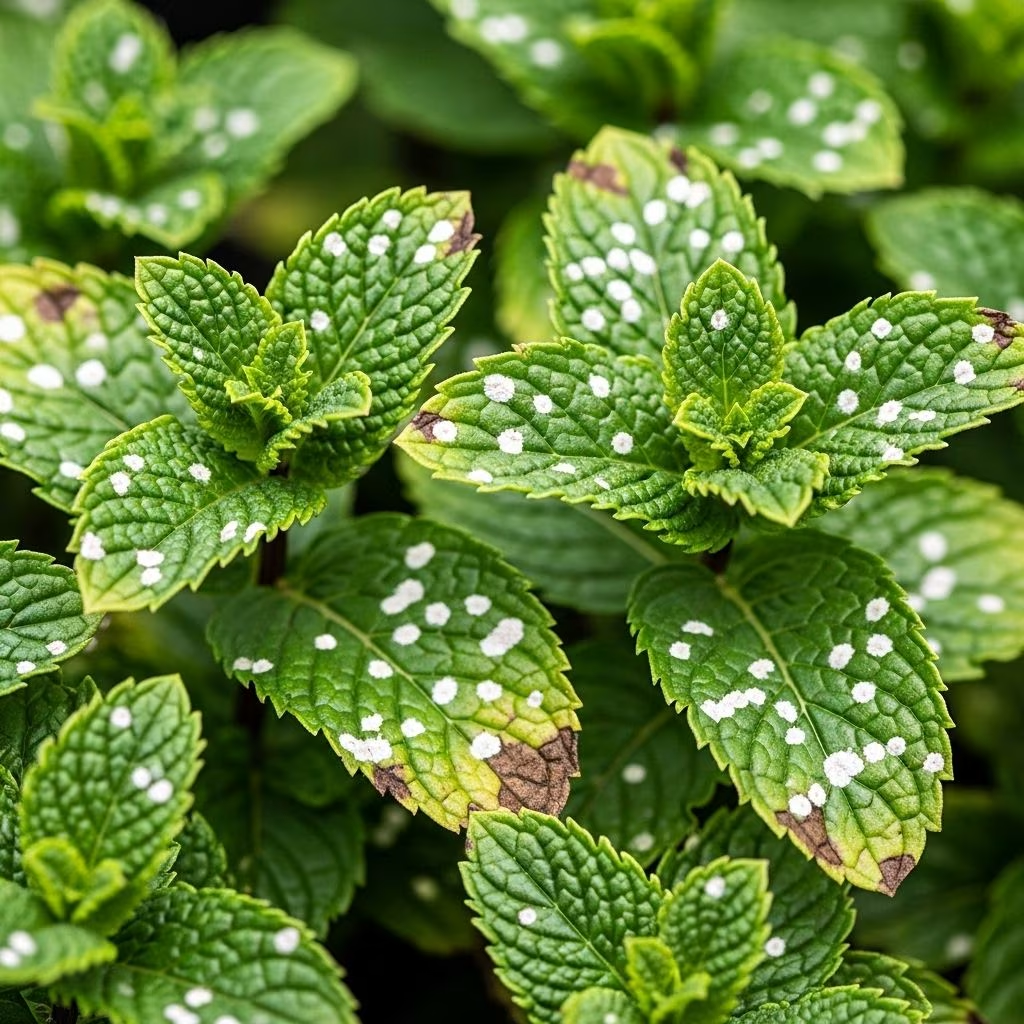
White Spots on Mint Leaves: Causes, Solutions & Prevention
Mint (Mentha) is among the most popular perennial herbs grown in gardens worldwide, cherished for its refreshing aroma, culinary uses, and robust growth. Yet, like many leafy herbs, mint can be affected by a persistent and sometimes alarming problem: white spots on leaves. These spots can reduce plant vigor, aesthetics, and flavor, making it critical for growers to understand their causes, treatment, and prevention.
Understanding White Spots on Mint Leaves
White spots on mint leaves may manifest as dusty patches, speckled areas, or powdery growth on the leaf surface. Spotting them early is essential to mitigate spread and preserve plant health.
Main Causes of White Spots
- Fungal infections, principally powdery mildew and downy mildew
- Pest infestations (such as spider mites, thrips, or whiteflies)
- Nutritional deficiencies or environmental stress
- Physical or chemical damage including sunburn or residue
Symptoms to Watch For
- Round or irregular white spots on upper surfaces of leaves
- Powdery texture or film over the leaves and stems
- Yellowing or browning of heavily infected leaves
- Stunted growth and leaf drop in advanced cases
Primary Causes of White Spots on Mint Leaves
Powdery Mildew
Powdery mildew is the most common fungal disease responsible for white spots on mint. It is caused by fungi such as Podosphaera and Erysiphe species, thriving in warm, dry, and humid conditions. Mildew initially appears as small, white, powdery patches and can quickly expand if untreated, ultimately spreading to cover leaves, stems, and even mint flowers.
Downy Mildew
Downy mildew can also affect mint. This disease prefers cool, damp conditions and is characterized by yellow spots on top of leaves and gray-white fuzz on the undersides. It often strikes when plants are overcrowded or poorly ventilated.
Pest Infestation
Spider mites, thrips, or whiteflies may cause white speckling or patches on mint leaves. Check the undersides of leaves for these tiny pests. Their feeding activity not only creates white spots but can also leave leaves pale and stippled. Other pests piercing and sucking on leaf tissue exacerbate white flecking.
Environmental and Nutritional Factors
Environmental stress (such as sunburn or fluctuating humidity) or nutrient deficiencies (notably magnesium or calcium) may sometimes result in unusual white or pale spots. Less common than biotic causes, these spots tend to be symmetrical or accompanied by leaf deformation.
How to Diagnose the Problem
- Inspect both upper and lower leaf surfaces for powdery growth (fungus) or tiny moving dots (pests).
- Evaluate growing conditions — overcrowding, excess humidity, or water on foliage promotes fungal spread.
- Look for patterns: random patches suggest pests or fungus, while uniform patterns imply nutrient or environmental issues.
- Consider the plant’s recent history: Has it been stressed, repotted, or exposed to new chemicals?
Treatment & Solutions for White Spots on Mint Leaves
Step 1: Isolate the Affected Plant
To prevent the spread of pathogens or pests, move affected mint plants away from others if possible.
Step 2: Remove Infected Leaves
Prune off severely affected leaves with sterile scissors or shears. Regular pruning (at least monthly) reduces disease load and pest populations. Dispose of these clippings away from the garden.
Step 3: Treating Powdery Mildew & Fungal Infections
- Commercial Fungicides: Apply according to package directions for persistent infections.
- Home Remedies:
- Baking soda solution: Mix 1 tablespoon baking soda, a few drops of liquid soap, with 1 gallon water; spray affected areas.
- Vinegar solution: Dilute 1 part vinegar to 3 parts water and spray gently (avoid overuse, as vinegar can burn leaves).
- Neem oil or commercial horticultural oil: Effective as a preventive and curative spray.
- Mouthwash: Some gardeners recommend diluted mouthwash sprays as a fungicidal agent.
- Bleach Solution: In cases of high mildew pressure, a 10% bleach solution can be used, but handle with care to avoid foliage damage.
Step 4: Managing Pests
- Physical removal: Wash leaves gently and allow them to dry.
- Insecticidal soap: Spray as per label instructions to control mites and thrips.
- Neem oil: Apply weekly until infestation subsides.
- Manual removal: Use a plastic knife, soft toothbrush, or butter knife to remove mold or pests from leaf surfaces.
Step 5: Improve Cultural Conditions
- Air circulation: Space mint plants well and avoid dense planting. Good airflow inhibits fungal spore settlement.
- Watering: Water at the soil base, not overhead, to reduce leaf wetness that encourages fungi.
- Moist soil: Mint prefers evenly moist but well-drained soil. Avoid soggy or dry extremes.
Step 6: Nutritional Support
- Test soil if symptoms persist. Apply a balanced fertilizer containing all major macro- and micronutrients if deficiencies are suspected.
- Follow recommended fertilization rates to avoid overfeeding.
Prevention: How to Keep Mint Leaves Spot-Free
- Choose resistant varieties if available; some types of mint are less susceptible to powdery mildew.
- Optimize growing conditions:
- Grow in well-drained, moist soil
- Ensure full sunlight but avoid intense midday heat
- Maintain appropriate spacing for airflow
- Avoid overhead watering; water at the base to prevent excessive moisture on leaves.
- Remove plant debris regularly from the garden to minimize fungal spore carryover.
- Inspect new plants before introduction for any signs of spots or pests.
- Rotate crops or relocate mint every two to three years to break the cycles of soilborne diseases and pests.
- Apply organic preventive sprays (such as neem or baking soda solution) during humid periods.
Table: Common Causes, Symptoms, & Treatments of White Spots on Mint
| Cause | Symptoms on Leaves | Recommended Treatment |
|---|---|---|
| Powdery Mildew (Fungal) | White powdery patches, usually on upper leaf surface | Baking soda/vinegar spray, fungicide, pruning, improve airflow |
| Downy Mildew (Fungal) | Yellow spots on top, gray fuzz underneath | Fungicide, prune, increase ventilation |
| Pest Infestation (Spider mites, thrips) | Small white speckles, network of fine webbing, mottled leaves | Wash leaves, insecticidal soap, neem oil, pest removal |
| Nutrient Deficiency | Evenly distributed pale or white spots, possibly deformed growth | Apply balanced fertilizer, test soil |
| Environmental Stress | Sunburn – white or pale patches in direct sunlight, dry edges | Provide shade, avoid midday sun, adjust watering |
Essential Tips for Healthy Mint Plants
- Check mint plants weekly for new signs of disease or pests.
- Keep leaves free from debris and dust, which can harbor fungal spores.
- Use organic remedies first; reserve chemical controls for persistent cases.
- Harvest mint regularly – vigorous growth prevents fungal build-up.
- Do not compost affected leaves to avoid reintroducing fungus or pests.
Frequently Asked Questions (FAQs)
What causes persistent white spots on mint leaves?
Powdery mildew is most often responsible, but pests such as spider mites, thrips, or whiteflies are also common culprits. Less frequently, spots result from nutrient issues or environmental stress.
Can I eat mint leaves with white spots?
Mint leaves with minor white spots are generally safe after thorough washing; however, severely infected, moldy, or bitter-tasting leaves should be discarded to avoid unpleasant flavors or potential allergens.
Will vinegar or baking soda hurt my mint?
Used correctly, these home remedies are safe, but excessive vinegar or baking soda may burn leaves. Always dilute well and test on a small section before broad application.
How can I prevent fungal diseases in mint?
Ensure good air circulation, avoid overhead watering, prune regularly, and apply preventive organic sprays during humid periods. Remove debris and practice crop rotation for best results.
Are pests easy to spot on mint?
Most are tiny and often found on the undersides of leaves. Use a magnifier and inspect closely for moving dots, fine webbing, or discoloration.
Can I use commercial fungicides on edible mint?
Yes, but always follow application guidelines and waiting periods before consumption. Organic treatments are preferred for culinary herbs.
What if home remedies don’t work?
If problems persist after trying safe home remedies, consider switching to commercial organic fungicides or seek advice from local agricultural extensions.
Conclusion: Robust Mint for Every Garden
White spots on mint leaves are a frequent challenge but are manageable through early diagnosis, proper treatment, and ongoing preventative care. By attending to environmental conditions, spot-checking regularly, and using effective remedies—most of which are available in the kitchen—gardeners can ensure mint plants remain lush, flavorful, and healthy year after year.


