


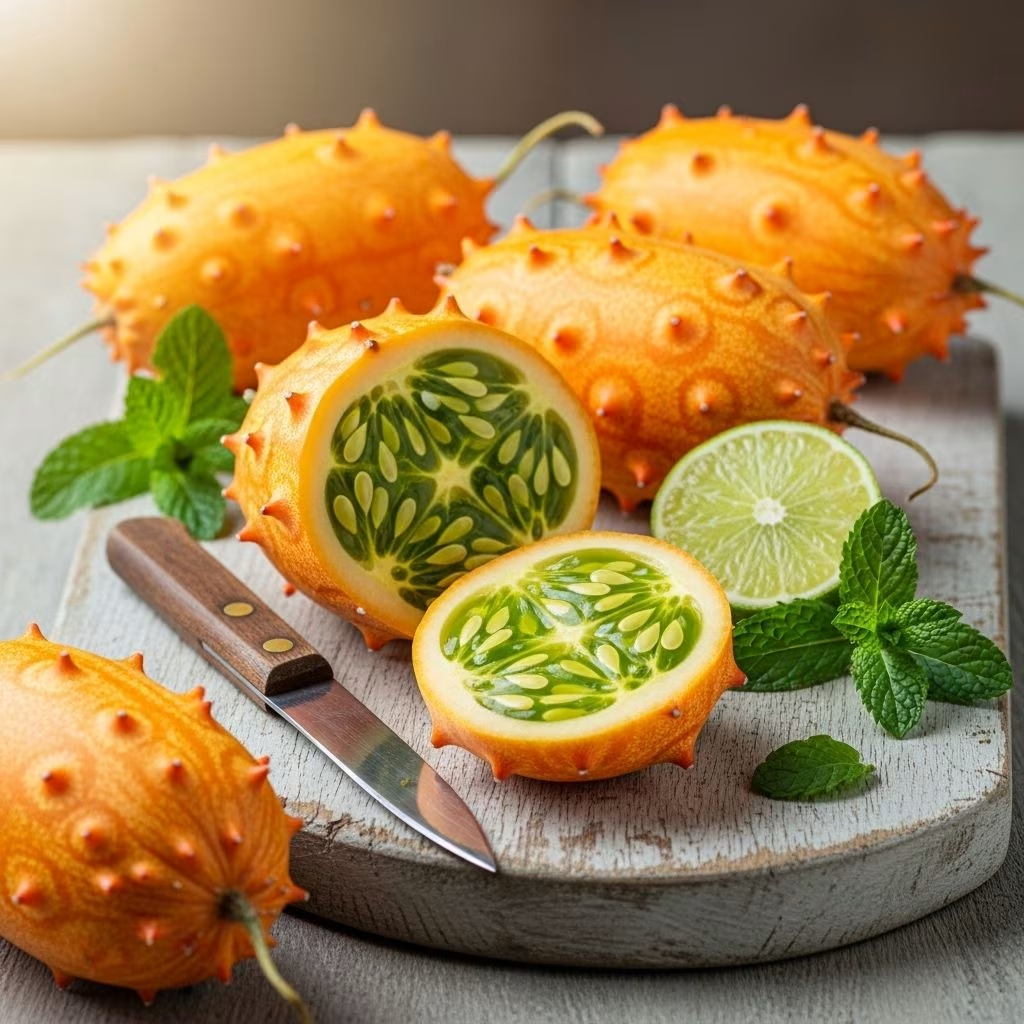
Horned melon, also known as kiwano or African horned cucumber, is a visually remarkable and nutritionally potent fruit native to Sub-Saharan Africa. With its spiky orange exterior and vibrant green, jelly-like flesh, horned melon stands out in both markets and kitchens worldwide. This article explores the horned melon in detail, covering its origins, nutritional value, health benefits, culinary uses, and what makes its flavor so distinct.
Introduction: The Horned Melon
The horned melon (Cucumis metuliferus), commonly referred to as kiwano, is a member of the Cucurbitaceae family—making it a botanical relative of cucumbers, melons, and gourds. Easily recognizable for its bright orange skin decorated with prominent spikes or “horns,” the fruit is prized for its refreshing, hydrating interior and intriguing culinary versatility. It’s celebrated not only for its unique appearance but also for a nutritional profile that supports wellness and preventive health practices.
Origin and Botanical Background
Horned melon is native to much of Southern and Central Africa. Traditionally found in Kenya, Botswana, and South Africa, the fruit is now cultivated in other warm, temperate regions across the globe—including New Zealand, Australia, and parts of the United States. Valuable both as a food source and as a water-rich sustenance in arid climates, the fruit is available primarily in summer months, but global production ensures year-round accessibility.
- Scientific name: Cucumis metuliferus
- Common names: Kiwano, African horned cucumber, jelly melon, hedged gourd, melano, African horned melon.
- Physical characteristics: Orange, spiky rind; bright green gelatinous flesh filled with edible seeds.
- Family: Cucurbitaceae (includes cucumbers and other melons).
Nutritional Profile
Horned melon’s nutrition centers on its high water content—up to 90%—and an array of essential vitamins, minerals, antioxidants, and modest calories. It offers a unique nutritional profile compared to other melons and tropical fruits.
| Nutrient | Approximate Value | Key Functions |
|---|---|---|
| Calories | ~44 kcal | Low energy, suitable for weight management |
| Water | ~90% | Hydration, satiation |
| Protein | ~1.8g | Supports tissue repair; higher than many fruits |
| Fat | ~1.3g | Minimal—healthy, low-fat |
| Carbohydrates | ~7g | Source of quick energy |
| Fiber | 2-3g | Digestive support; fullness |
| Vitamin C | ~5.3mg | Immunity, antioxidant action, collagen synthesis |
| Vitamin A (Beta-carotene) | ~340 IU | Eye health, immunity |
| Vitamin E (Tocopherols) | Seen in seeds | Muscle and nerve protection; antioxidant |
| Magnesium | ~40mg | Heart health, bone strength |
| Iron | ~1.1mg | Prevents anemia; oxygen transport |
| Zinc | ~0.3mg | Immunity, wound healing |
| Potassium | ~120mg | Blood pressure regulation |
| Lutein, Lycopene | Present | Eye health; antioxidant |
Key Nutritional Highlights
- High water content: Excellent for hydration and low calorie diets.
- Rich in antioxidants: Vitamin C, E, beta-carotene, lutein, and lycopene help neutralize free radicals.
- Good source of minerals: Magnesium, iron, zinc, and potassium support metabolic processes and overall wellness.
- Low glycemic index: Diabetics can consume without spikes in blood sugar.
Health Benefits
Horned melon’s blend of nutrients and bioactives delivers a range of evidence-supported health benefits. Several peer-reviewed studies and expert sources emphasize these top wellness impacts:
- Hydration and Electrolyte Balance
Kiwano’s approximately 90% water and moderate electrolytes (potassium, magnesium) make it ideal for hydration—especially in hot climates or after exercise. - Supports Immune System
Vitamin C, zinc, and beta-carotene enhance immune cell function, protect against infections, and support overall immunity. - Antioxidant Defense
Vitamin C, E, lutein, lycopene, and beta-carotene counteract oxidative damage, lowering disease risk and slowing cellular aging. - Heart Health
Magnesium and potassium help regulate blood pressure and support cardiovascular function. Antioxidants further protect blood vessels from damage. - Digestive Wellness
Dietary fiber and water encourage regularity, help prevent constipation, and promote gut health. Some research indicates possible prebiotic benefits—enhancing beneficial gut bacteria. - Prevents Iron Deficiency
Iron content supports red blood cell function and oxygen transport, decreasing the risk of anemia. - Vision Protection
Vitamin A, lutein, and zinc lower risk for macular degeneration and other age-related vision issues. - Mood and Cognitive Support
Magnesium and zinc contribute to better mental health; regular consumption may help with mood stability. - Bone Strength
Magnesium and vitamin C support bone density and resilience, important in aging populations. - Skin Health
Antioxidants promote collagen formation, youthful skin, and accelerated wound healing.
Culinary Uses
Horned melon’s intriguing appearance and versatile flavor allow for creative culinary applications. Its mild, refreshing taste and texture lend it to a variety of uses:
- Fresh Eating: Sliced; seeds and jelly-like flesh scooped out and eaten raw.
- Fruit Salads: Adds color, texture, and hydration to mixed fruit bowls.
- Smoothies & Juices: Blends well with pineapple, mango, citrus, and leafy greens for a nutrient boost.
- Desserts: Used in sorbets, gelato, jams, or as a topping over yogurt and ice cream.
- Savory Dishes: Paired with seafood, chicken, or tossed in salsas and salads for a tropical twist.
- Beverages: Makes a visually enticing garnish in cocktails and mocktails.
- Garnish: The spiky rind is often used as an edible bowl or decoration in gourmet presentations.
How to Eat and Prepare Horned Melon
Eating horned melon is straightforward, though its appearance can be intimidating to newcomers. Follow these simple steps for optimal enjoyment:
- Wash the fruit thoroughly before cutting.
- Slice crosswise (or lengthwise) to expose the jelly-like green pulp.
- Scoop out the flesh and seeds with a spoon; both are edible and enjoyable raw.
- The peel is not typically consumed, but may be used for presentation.
Recipe Tips:
- Sprinkle with a pinch of salt, lime juice, or sugar to enhance the flavor.
- Mix with other fruits or yogurt for an energizing breakfast.
- Blend with leafy greens and tropical fruits for a hydrating smoothie.
Taste and Flavor Profile
Horned melon offers a unique and delicate taste. The jelly-like interior combines notes of banana, cucumber, lime, and kiwi. The flavor is mildly sweet, slightly tart, and refreshingly crisp, with a cooling aftertaste—the seeds, suspended in the gelatinous pulp, provide an interesting crunch. When fully ripe, the sweetness intensifies slightly and acidity mellows.
| Fruit | Similarities | Differences |
|---|---|---|
| Kiwi | Green flesh, seed texture | Milder sweetness, less tart |
| Cucumber | Refreshing, cool flavor | Slightly sweeter, more tropical aroma |
| Banana | Hint of banana-like aroma | Jelly texture, no starchiness |
| Lime | Subtle acidity | Softer, non-citrusy tartness |
Where to Buy and How to Store
- Where to Buy: Available at specialty greengrocers, select supermarkets, farmer’s markets, and online tropical fruit retailers.
- Selection Tips: Choose fruits with bright, orange (not green) skin and firm horns; avoid cuts or soft spots.
- Storage: Keep unrefrigerated until ripe. Store in the fridge once ripe to prolong freshness (up to two weeks).
Potential Side Effects and Considerations
Horned melon is generally safe for most individuals when consumed as food. However, there are some considerations to note:
- Allergic Reactions: Extremely rare, but may occur in those with sensitivity to cucurbits.
- Unripe Fruit: Unripe horned melon may taste bitter; excessive consumption could cause digestive discomfort.
- Edible Seeds: Seeds pose no risk and are fully digestible.
- Medication Interactions: Always consult a healthcare professional when introducing new foods into special diets.
Frequently Asked Questions (FAQ)
Q: What is the best way to eat horned melon?
A: Slice it open, scoop out the bright green jelly and seeds with a spoon, and eat raw. Enhancing with lime, salt, or sugar is recommended for extra flavor.
Q: Is horned melon good for diabetics?
A: Yes. Its low glycemic index and high water content mean consuming horned melon will not spike blood sugar levels significantly, making it an appropriate choice for diabetics.
Q: Can the skin or rind be eaten?
A: No, the spiky outer rind is not typically edible and may be tough or bitter. It is used primarily as a vessel or garnish.
Q: What are the most important health benefits?
A: Hydration, antioxidant defense, digestion support, iron and magnesium provision, immunity boost, and possible prebiotic effects for gut health.
Q: Does horned melon need to be refrigerated?
A: Store at room temperature until ripe, then refrigerate to extend shelf life. Eat within two weeks of ripening.
Q: What does horned melon taste best with?
A: Pairs well with citrus, berries, yogurt, pineapple, mango, and mild greens; its delicate flavor blends well in both sweet and savory dishes.
Conclusion
Horned melon, with its unmistakable spiky orange appearance and hydrating, nutrient-rich interior, is more than an exotic curiosity. It delivers an array of vitamins, minerals, and antioxidants with tangible benefits for hydration, heart health, digestion, immunity, and beyond. Whether enjoyed by spooning its jelly-like flesh, blending into smoothies, or featuring in gourmet presentations, horned melon offers health, taste, and culinary adventure in one distinctive package.
References
- https://www.tropicalbox.co.uk/our-fruit-blog/horned-melon
- https://www.clinikally.com/blogs/news/exploring-kiwano-nutritional-secrets-and-health-boosts
- https://www.medicinenet.com/8_benefits_of_kiwano_horned_melon_and_how_to_eat/article.htm
- https://www.webmd.com/diet/health-benefits-kiwano
- https://www.thewellnesscorner.com/blog/horn-melon-nutrition-facts-health-benefits


