


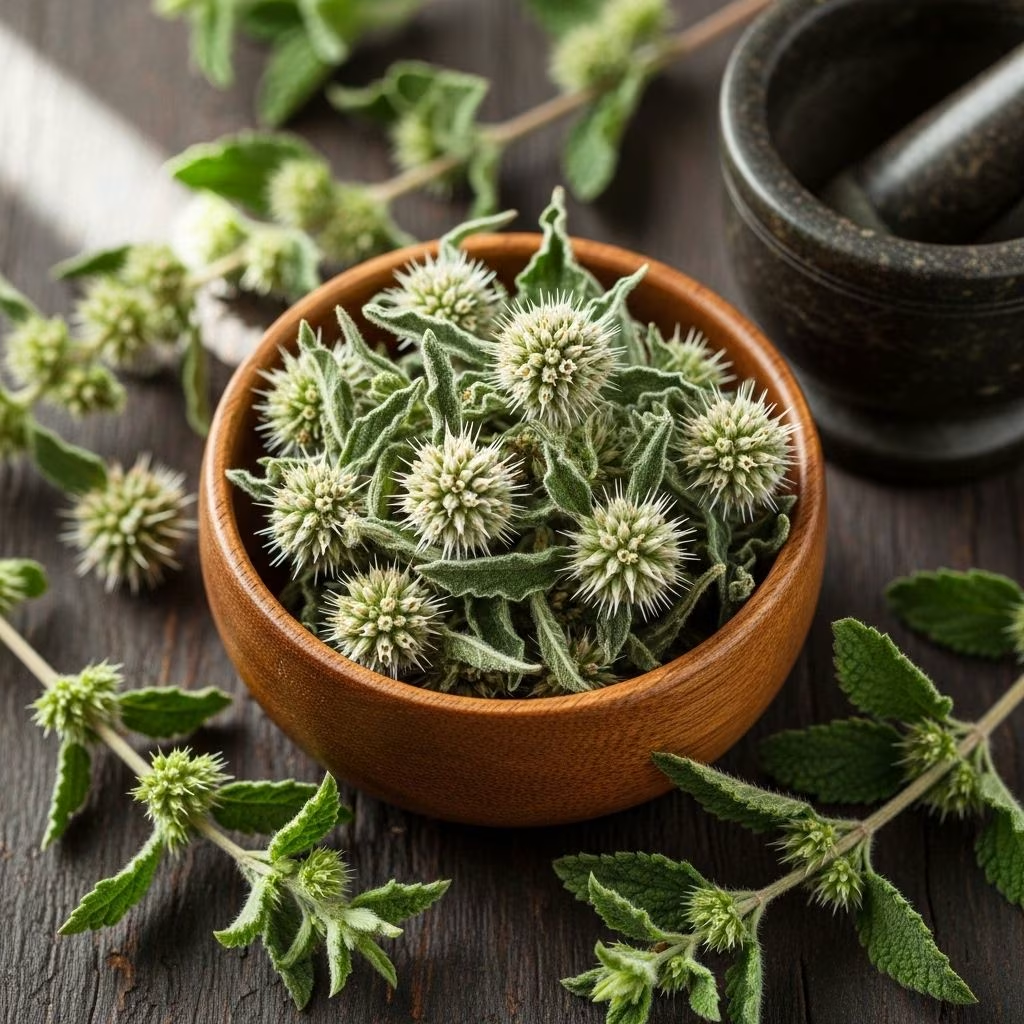
Horehound is a resilient, bitter herb with a long-standing reputation in traditional medicine for its efficacy in treating respiratory and digestive ailments. Known for its distinctive flavor and versatility, horehound continues to be valued in herbal remedies, candies, and teas. This comprehensive guide explores its origins, potential health benefits, common uses, and characteristic taste profile.
Introduction to Horehound
Horehound, scientifically named Marrubium vulgare, is an herbaceous perennial plant belonging to the mint family (Lamiaceae). It is commonly referred to as “white horehound” to distinguish it from its relative, black horehound (Ballota nigra). For centuries, horehound has been integral to traditional remedies for coughs, sore throats, and digestive issues, serving both medicinal and culinary roles across Europe, Asia, and North Africa.
Other names include:
- Houndsbane
- Marrubium
- Bulls’ blood
- Eye of the star
Botanical Profile and History
Origins and Botanical Description
White horehound originates in southern Europe, central and western Asia, and northern Africa. Over centuries, it spread to North and South America, Australia, and New Zealand, adapting well to temperate climates.
- Plant Type: Perennial herb
- Height: 30 60 cm
- Leaves: Grey-green, wrinkled, covered in fine white hairs
- Flowers: Small, white, clustered at leaf axils
Historical records trace horehound’s use as far back as Roman and ancient Egyptian times, where it was prized for respiratory complaints, and its mention in folk medicine spans multiple continents.
Active Compounds and Nutritional Content
The efficacy of horehound as a medicinal plant arises from its diverse phytochemical profile, consisting of:
- Marrubiin: A bitter lactone contributing to expectorant properties
- Flavonoids: Including apigenin, luteolin, and quercetin derivatives
- Essential oils: Monoterpenes and diterpenes
- Tannins, saponins, and alkaloids
- Ascorbic acid (vitamin C)
- Sterols
These compounds are believed to underlie horehounds reputed effects as an expectorant, antimicrobial, anti-inflammatory, and digestive aid.
Potential Health Benefits of Horehound
For centuries, horehound has been employed in herbal medicine for a range of ailments. While its traditional applications are well documented, clinical research is limited. The primary potential benefits include:
Cough and Respiratory Relief
Horehound’s most enduring use is as a natural expectorant, helping to loosen phlegm and ease persistent, productive coughs. It is commonly included in cough drops, lozenges, and syrups. Studies suggest antispasmodic and pain-relieving properties may also contribute to soothing inflamed throats.
- Helps relieve cough, bronchitis, whooping cough, and asthma symptoms
- Promotes mucus expulsion in the respiratory tract
Digestive Health
Known as a bitter herb, horehound stimulates appetite and facilitates digestion.
- Used to address indigestion, bloating, gas, and loss of appetite
- Employed for intestinal disorders such as constipation and diarrhea
- Bitter compounds may support bile secretion and overall digestive efficiency
Anti-inflammatory and Antimicrobial Effects
Laboratory studies show horehound extracts possess antibacterial and antifungal effects and may inhibit the growth of certain pathogens.
- Potentially reduces inflammation
- Promotes healing in minor wounds when applied externally
Other Reported Uses
- Employed by some women to ease painful menstrual cramps
- Used in traditional medicine to treat jaundice and expel parasitic worms
- Sometimes used as a mild diuretic to promote sweating and urine production
- Topical applications include poultices for ulcers and skin wounds
- Studies suggest possible effects on blood sugar, blood pressure, pain relief, and smooth-muscle relaxation; however, robust clinical evidence is lacking
Traditional and Modern Uses of Horehound
From the Mediterranean coastlines to global apothecaries, horehound has remained a folk staple:
- Featured in teas, syrups, and tonics for cough and sore throat support
- Incorporated into cough drops, lozenges, and herbal candies (e.g., Ricola)
- Added to digestive bitters blends to stimulate appetite
- Used in herbal medicine for menstrual complaints and liver and gallbladder health
- Applied externally in poultices or compresses
Despite the broad range of traditional applications, modern scientific validation is limited; most evidence comes from anecdotal experience and historical records.
How to Use Horehound
Horehound’s versatility is reflected in its many herbal preparations. Typical consumption methods include:
- Dried Herb Tea: Prepared with 1–2 grams of the dried leaves steeped in hot water. Used for coughs and digestive support.
- Syrups and Tinctures: Concentrated extracts, sometimes combined with honey or other herbs.
- Pressed Juice: Dosages of 2–6 tablespoons daily have been referenced in traditional texts.
- Candies and Lozenges: Sweetened preparations delivering the bitter flavor in palatable form.
- Topical Applications: Horehound-infused oils or salves for minor wounds.
Recommended Dosage
| Preparation | Typical Dosage |
|---|---|
| Dried Herb (tea) | 1.5 grams, 3x daily |
| Pressed Juice | 2–6 tablespoons daily |
*Always consult a qualified healthcare provider for guidance on use, especially if you have underlying health conditions or are taking medications.
Taste Profile and Culinary Applications
One of the most recognizable features of horehound is its bitter, minty taste:
- Strongly bitter and slightly earthy, with subtle mint undertones
- Less pungent than black horehound, but still acquired for many palates
- Commonly balanced with sugar in candies and syrups
In culinary use, horehound is most famous as an ingredient in old-fashioned candy drops, which became popular in the 19th century as both sweet treats and remedies.
Culinary applications:
- Horehound candy and lozenges, often used for cough relief
- Added sparingly to bitters and liqueurs
- Occasionally infused in tea blends for digestive support
Because of its intense bitterness, horehound is rarely used as a culinary herb in savory dishes; recipes usually dilute its flavor with sweeteners.
Safety, Side Effects, and Precautions
Horehound is generally considered safe for short-term, moderate use, but certain individuals should exercise caution.
- Pregnancy and Nursing: Not recommended, as safety data are lacking
- Pre-existing Conditions: Should be avoided by those with severe liver or kidney conditions
- Drug Interactions: May interact with diabetes medications (can lower blood sugar)
- Side Effects: Overconsumption may cause diarrhea, nausea, heart palpitations, or sweating
- Topical Use: Rarely, may cause skin irritation
Always consult your healthcare practitioner before starting any new herbal remedy, especially if you are pregnant, breastfeeding, or managing chronic health conditions.
Frequently Asked Questions (FAQs)
What is the difference between white and black horehound?
White horehound (Marrubium vulgare) is used medicinally for coughs and digestive complaints, and has a bitter, menthol-like flavor. Black horehound (Ballota nigra) is more pungent, has a strong, foul scent, and is less commonly used.
Is horehound safe for children?
Horehound in small doses (such as candy or lozenges) has traditionally been used for children’s coughs. However, because of insufficient research and potential risks in high doses, consult a pediatrician before use.
Can horehound help regulate blood sugar?
Some traditional uses and limited studies suggest horehound may lower blood sugar, but robust clinical evidence is lacking. People taking diabetes medications should avoid horehound or consult their doctor due to possible interactions.
What does horehound candy taste like?
Horehound candy is bittersweet, with herbal and slightly minty undertones. Many find the flavor unique and reminiscent of old-fashioned remedies.
Are there any modern studies confirming horehound’s benefits?
While laboratory studies indicate potential antimicrobial, antifungal, and anti-inflammatory activity, there is limited clinical research to support most traditional health claims. Most evidence remains anecdotal or based on folk use.
References
- EBSCO Research Starters – Horehound’s therapeutic uses
- Dr. Axe – Horehound: The 5 Health Benefits of This Mint Family Plant
- WebMD – White Horehound – Uses, Side Effects, and More
- American Pharmacists Association – Horehound: Ever heard of it?
References
- https://www.ebsco.com/research-starters/complementary-and-alternative-medicine/horehounds-therapeutic-uses
- https://draxe.com/nutrition/horehound/
- https://www.webmd.com/vitamins/ai/ingredientmono-886/white-horehound
- https://www.pharmacist.com/Blogs/CEO-Blog/horehound-ever-heard-of-it
- https://truetreatscandy.com/blogs/article/the-medicinal-uses-of-horehound-through-history
- https://pmc.ncbi.nlm.nih.gov/articles/PMC7355696/
- https://wilddispensary.co.nz/blogs/news/horehound-benefits


