


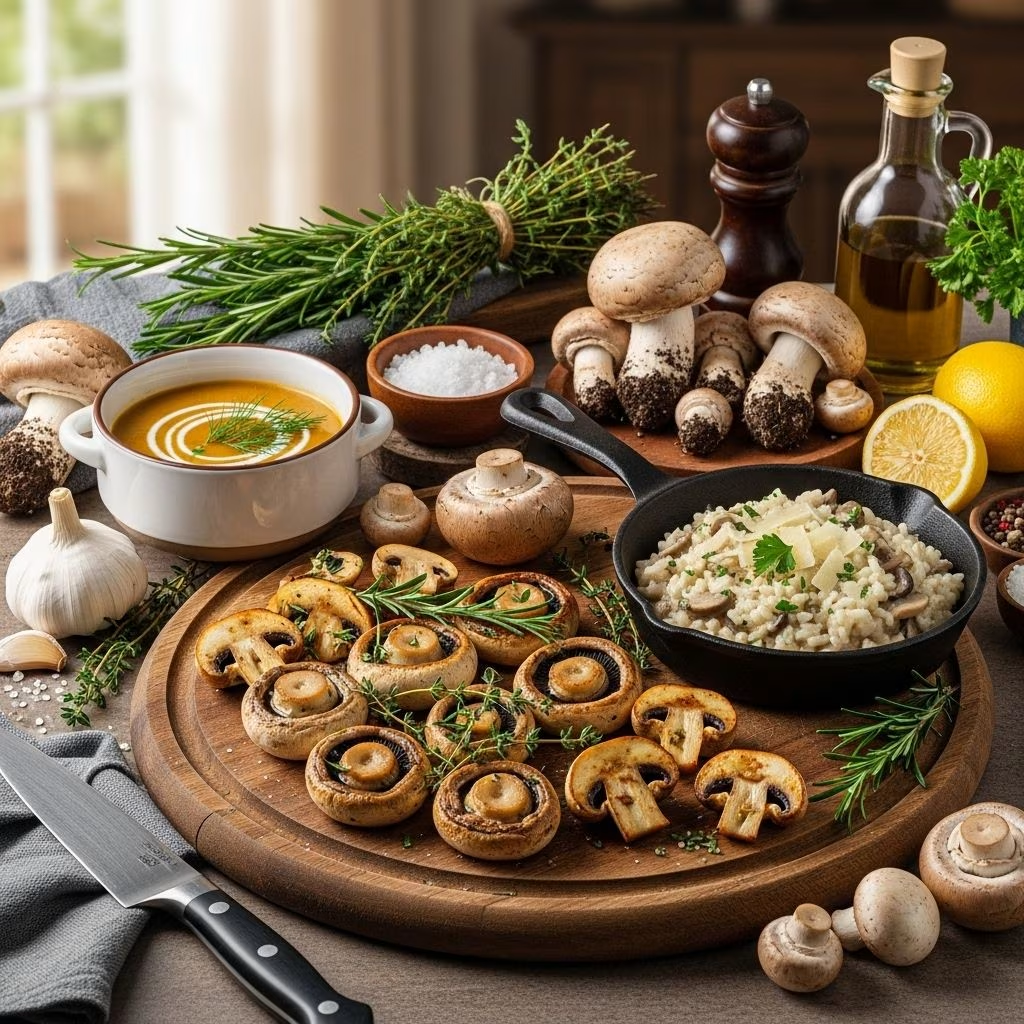
Horse mushrooms (Agaricus arvensis) are highly prized by foragers and gourmet chefs for their robust flavor, meaty texture, and versatility in the kitchen. Whether you come across them at a local market or harvest them yourself from pastureland, learning the best ways to prepare horse mushrooms ensures remarkable flavor in every dish. In this guide, we’ll explore not only award-winning horse mushroom recipes, but also key steps to perfect cooking and preparation, health benefits, and answers to common questions about this wild culinary gem.
Introduction to Horse Mushrooms
Horse mushrooms, known botanically as Agaricus arvensis, are a highly sought-after edible wild mushroom found across Europe, North America, and select parts of Asia. Distinguished by their large white caps and delightful anise scent, they appear during summer and autumn in meadows and pastures. Often enjoyed for their mild, sweet, and nutty flavor notes, horse mushrooms are a perfect ingredient for rustic mains, refined starters, and hearty vegetarian dishes.
Features & Identification
- Cap: White to cream, often expansive (up to 20 cm or more), with a slightly domed shape.
- Gills: Pale yellow or white when young, turning grayish-pink and finally chocolate-brown with maturity.
- Stipe (Stem): Thick, often with a “horse hoof” appearance and a prominent ring.
- Smell: Notably reminiscent of aniseed or almonds.
- Habitat: Pastures, grassy roadsides, churchyards, lawns, and meadows; not found in dense woodland.
- Warning: Do not confuse with poisonous lookalikes like yellow-staining Agaricus species.
Cleaning & Preparation Tips
Wild mushrooms demand careful cleaning to ensure safety and flavor. Horse mushrooms are renowned for their absorbent texture, so avoid submerging them in water.
- Use a soft brush or damp cloth to gently remove dirt and debris.
- Trim away muddy base and any damaged areas with a sharp knife.
- Minimal rinsing may be done for visible soil, but dry quickly with a kitchen towel.
- If mushrooms are very fresh and young, peeling may not be necessary; for mature specimens, consider peeling the outer skin if tough.
How to Cook Horse Mushrooms Perfectly
Horse mushrooms are versatile and delicious when properly cooked, either as a standalone vegetable or incorporated into various dishes. Understanding their characteristics ensures the ideal texture and flavor.
- Slice evenly: For pan-frying or sautéing, cut mushrooms into uniform slices or chunks for even cooking.
- Sautéing: Gently fry mushrooms over medium heat in butter or olive oil; watch for them to release moisture, reduce, and caramelize after 5–7 minutes .
- Seasoning: Salt, pepper, garlic, thyme, and fresh herbs pair exceptionally well and enhance the natural savory flavors.
- Stuffing & Baking: Caps are ideal for stuffing with cheeses, herbs, onion, and breadcrumbs—bake at 180–200°C until golden and bubbling .
- Grilling or Roasting: Large caps can be grilled or roasted, developing a meaty texture and deep umami.
- Stewing/Saucing: Sliced mushrooms readily absorb creamy or wine-based sauces in risottos, pasta, or gratins.
General Steps for Pan-Fried Horse Mushrooms
- Heat a frying pan over medium heat, add a tablespoon of oil or butter.
- Add sliced horse mushrooms and stir occasionally for 5-7 minutes.
- Season during cooking; add other vegetables, onions, or garlic as desired .
- Cook until golden brown and tender. Serve as a side, topping, or on toast.
| Method | Pros | Cons |
|---|---|---|
| Sautéed | Quick, retains natural flavor, ideal for breakfast or side. | Needs careful attention to avoid sogginess. |
| Baked/Stuffed | Impressive presentation, can incorporate various fillings. | Requires longer preparation; some loss of moisture. |
| Grilled | Meaty texture, smoky notes, minimal fat. | May dry out if overcooked. |
| Pasta/Sauces | Absorbs flavors, creamy, hearty main dish. | Can dominate sauce if overused. |
Top Horse Mushroom Recipes
1. Stuffed and Baked Horse Mushrooms
This classic recipe features generous horse mushroom caps filled with a savory blend of cheese, breadcrumbs, onions, and fresh herbs—perfect as a starter or elegant vegetarian main .
- 2 large horse mushrooms, round and firm
- Half a red onion, finely chopped
- 1 tablespoon butter
- 1 tablespoon Stilton or blue cheese (try cream cheese or goat cheese for variety)
- 1 tablespoon breadcrumbs
- Olive oil, salt, and black pepper
- Small bunch of mixed fresh herbs (parsley, chives, thyme, dill, coriander)
Instructions:
- Preheat oven to 200°C.
- Clean mushrooms, trim stalks, and set caps gill side up on a baking tray.
- Place butter in each cap, season with salt, pepper, and a sprig of thyme.
- Bake for 10 minutes.
- Fry chopped onion and reserved stalks in olive oil until soft.
- Stir in chopped herbs; fill baked caps with mixture.
- Top with crumbled Stilton and breadcrumbs, drizzle with more oil.
- Bake for another 5 minutes, until cheese bubbles.
- Serve topped with remaining fresh herbs.
2. Creamy Horse Mushroom Pasta
- 450g horse mushrooms, cleaned and sliced
- 225g linguine or fettuccine
- 2 tablespoons olive oil
- 4 cloves garlic, minced
- 1 small onion, finely chopped
- 240ml double cream
- 120g Parmesan cheese, grated
- Fresh parsley, chopped
- Salt and pepper
- Cook pasta according to package; drain and set aside.
- Sauté garlic and onion in olive oil until translucent.
- Add sliced mushrooms, cook for 5 minutes until browned.
- Pour in double cream, simmer 5 minutes to thicken.
- Stir in Parmesan, cook 2 more minutes.
- Add pasta, toss to coat evenly.
- Season, sprinkle with parsley, and serve hot.
3. Horse Mushroom Pâté
A rustic mushroom spread—the result is earthy, creamy, and perfect for crusty bread or as a canape base .
- 400g horse mushrooms, cleaned and chopped
- 2 chopped onions
- 3 cloves garlic, crushed
- Thyme or lemon thyme (optional)
- Butter or olive oil for cooking
- Salt and black pepper
- Optional: dash of cream, lemon juice, fresh herbs
- Sauté onions in butter, add horse mushrooms and thyme, cook for 10 minutes until moisture evaporates and mushrooms caramelize.
- Add garlic, cook for 1–2 minutes.
- Let mixture cool slightly, then blitz in a food processor with salt, pepper, and optional cream or lemon juice until smooth.
- Chill and serve with toasted bread.
4. Stuffed Horse Mushrooms with Sweet Cicely and Cream Cheese
Blending sweet cicely’s aniseed flavors with wild mushrooms and cream cheese delivers a stunning appetizer or light supper .
- 2 large horse mushrooms (pale, rounded)
- 2 shallots, diced
- Handful of sweet cicely leaves (or substitute tarragon)
- 2 tablespoons cream cheese
- Selection of garden herbs and edible flowers for garnish
- 2 slices of sourdough bread
- Remove stipes, chop finely; sauté with shallots in butter for 4 minutes.
- Shred sweet cicely, combine with stems/shallots and cream cheese, season.
- Stuff caps, bake at 180°C for 10 minutes.
- Toast sourdough, assemble: toast, mushrooms, garnish with herbs and flowers.
5. Baked Horse Mushroom Stuffed with Tapenade
Elevate earthy flavors with an olive and mushroom tapenade stuffing.
- Horse mushroom caps, cleaned and trimmed
- Tapenade: chopped olives, garlic, herbs, small mushrooms
- Olive oil and black pepper
- Preheat oven to 180°C; rub oil onto baking tray.
- Place caps gill side up, drizzle with oil and pepper.
- Sauté tapenade ingredients, stuff caps, bake until golden.
Nutrition & Health Benefits
- Low in calories: Horse mushrooms are low in fat and sugar.
- High in protein and fiber: Excellent for vegetarian and vegan diets.
- Rich in vitamins: Vitamins D, B2 (riboflavin), niacin, and pantothenic acid.
- Mineral content: Potassium, zinc, selenium, copper.
- Antioxidants: Support immune function and cell health.
- Prebiotics: Natural compounds that support gut-friendly bacteria.
Chef’s Tips for Horse Mushrooms
- Always cook horse mushrooms before eating; raw wild mushrooms can upset sensitive stomachs.
- Pairing horse mushrooms with onion, garlic, mild cheese, and cream balances flavor and texture.
- Fresh herbs (parsley, thyme, tarragon) add brightness and enhance savory notes.
- Cut mushrooms larger for roasting, smaller for stuffing and sauces.
- Avoid overcooking, as horse mushrooms can become rubbery or dry.
- Do not refrigerate fresh horse mushrooms for long; best used within two days for optimal taste.
Frequently Asked Questions
Q: How do I store fresh horse mushrooms if I can’t cook them immediately?
Store in a paper bag or on a plate covered with a clean cloth in the vegetable drawer; avoid plastic, which traps moisture and causes spoilage. Use wild mushrooms within two days.
Q: Can horse mushrooms be frozen or dried?
Horse mushrooms can be dried and rehydrated for winter use, retaining flavor. Freezing is possible after initial sautéing, but can affect texture; use within three months for best results.
Q: Are there poisonous mushrooms that look like horse mushrooms?
Yes. Beware the yellow-staining Agaricus species and toxic Amanitas; always check for the aniseed aroma and consult reliable guides when foraging.
Q: What wines pair best with horse mushroom dishes?
Earthy, creamy pasta or baked dishes pair nicely with unoaked Chardonnay, Pinot Grigio, or even farmhouse cider for a rustic twist.
Q: Can I substitute other mushrooms if horse mushrooms are unavailable?
Yes. Field mushrooms, portobellos, and young puffballs are great alternatives, though flavors may vary.
In Summary
Horse mushrooms are a culinary treasure, bringing a field-fresh, nutty, and savory profile to a variety of dishes. Master the basics—cleaning, slicing, sautéing, and baking—to unlock their full potential. The recipes above, from stuffed variations to creamy pasta and aromatic pâté, showcase the breadth of possibilities. With a little care and imagination, horse mushrooms will quickly become a hallmark of your seasonal kitchen repertoire.
References
- https://www.wildfoodie.co.uk/post/stuffed-and-baked-horse-mushrooms
- https://gallowaywildfoods.com/1746-2/
- https://www.youtube.com/watch?v=vPd7dTFGaH4
- https://jpwaldron.wordpress.com/baked-horse-mushroom-stuffed-with-mushroomy-tapenade/
- https://www.youtube.com/watch?v=ZifgYq_0HtY
- https://www.mushroom-appreciation.com/horse-mushroom.html


