


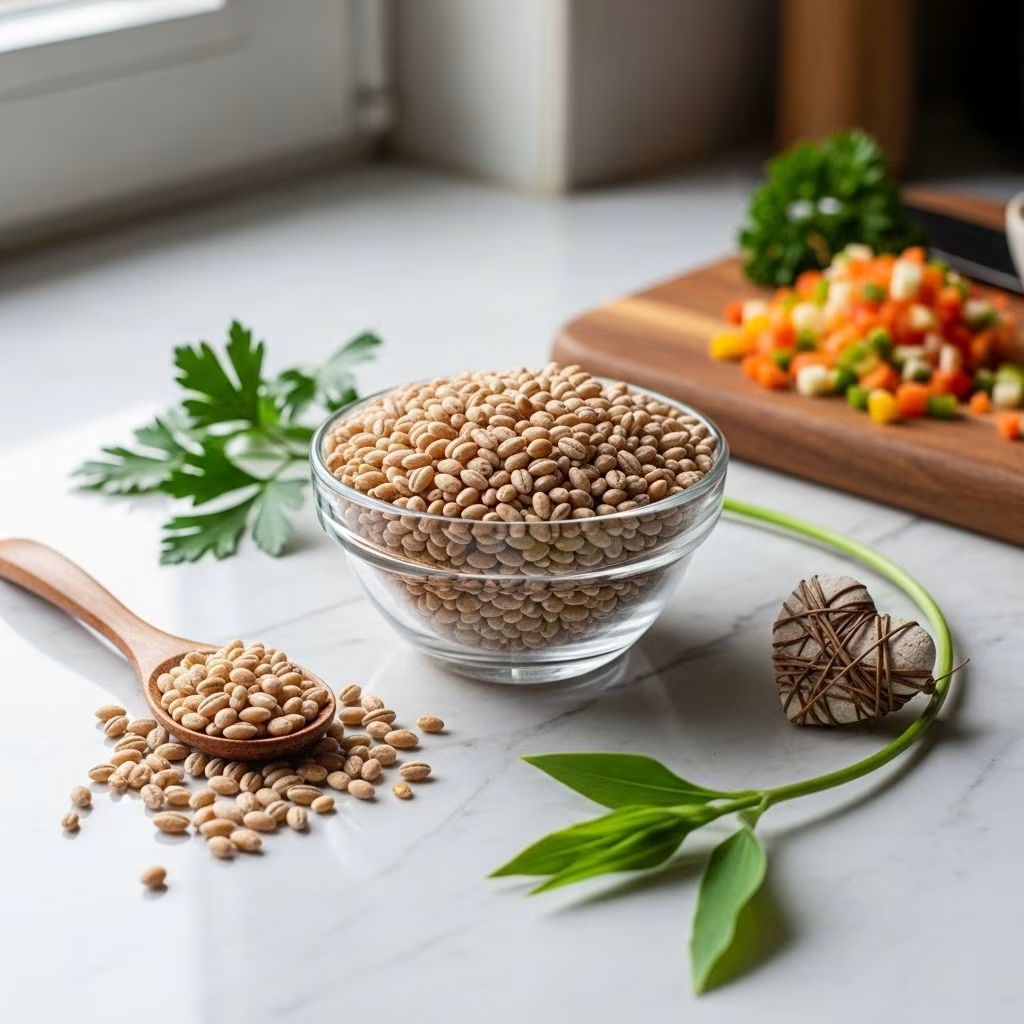
Introduction to Hulled Barley
Barley is one of humanity’s oldest cultivated grains, valued for thousands of years in cuisines across the globe. Most modern kitchens encounter barley in soups and hearty stews, but the grain’s versatility and impressive nutrition profile make it an excellent choice for a wide range of dishes. Among the different forms of barley available, hulled barley stands out for its status as a true whole grain—fully packed with its natural fiber, vitamins, and minerals.
This guide explores hulled barley in depth, covering its definition, health benefits, comparisons with more commonly used pearl barley, its culinary uses, taste profile, cooking methods, and considerations for buyers. Whether you’re a home cook, nutrition enthusiast, or simply seeking healthier grains, hulled barley is a grain worth exploring.
What Is Hulled Barley?
Hulled barley, also known as barley groats, refers to barley grains that have had only their tough, inedible outer hull removed. The process retains both the bran and germ layers, making it a genuine whole grain and the least processed form of barley you can buy.
- Whole grain: Retains bran and germ; only the outer hull is removed.
- Appearance: Brownish, slightly rough grain shape.
- Other names: Barley groats.
- Processing: Minimal—outer hull removed, nothing else.
This contrasts with “hulless barley”, a different variety where the hull is loosely attached and generally detaches during harvesting, but both retain bran and germ, which is key for full nutritional value.
Nutritional Benefits of Hulled Barley
Barley, especially in its hulled form, is packed with essential nutrients. Being a whole grain, it is richer in fiber, vitamins, and minerals than its processed counterparts.
Main Nutrients in Hulled Barley
- Dietary Fiber: Roughly 6g per cooked cup; mostly insoluble, promoting gut health and lowering cholesterol.
- Protein: About 5g per cooked cup—higher than many grains.
- B Vitamins: Notably B1 (thiamin), B3 (niacin), and B6, important for metabolism and energy production.
- Minerals: Iron, magnesium, phosphorus—each crucial for blood, bone, and cellular health.
- Low fat & sodium: Suitable for heart-healthy diets.
Health Benefits Attributed to Whole Grains
- Digestive health: High fiber content regulates digestion and promotes a healthy gut microbiome.
- Cardiovascular protection: Soluble fibers help reduce cholesterol.
- Blood sugar control: Steady-release carbohydrates and fiber support glycemic control.
- Weight management: High fiber helps with satiety, making it useful in calorie-controlled diets.
- Cancer prevention: Several phytochemicals in whole grains may help reduce cancer risk, notably colon cancer.
Whole barley is especially valued for its nutrient density compared to polished or refined grains.
Hulled Barley vs Pearl Barley
| Feature | Hulled Barley | Pearl Barley |
|---|---|---|
| Processing | Only hull removed; bran & germ intact | Hull, bran, & sometimes germ removed (polished) |
| Classification | Whole grain | Refined grain |
| Appearance | Brown, rough, chewy | Pale, smooth, softer |
| Cooking Time | 45–60 min | 30–45 min |
| Flavor & Texture | Nutty, hearty, chewy | Mild, soft, creamy |
| Nutrition (fiber/protein) | Higher fiber & protein | Slightly lower fiber & protein |
| Availability & Cost | Less common, more expensive | Widely available, affordable |
| Best Uses | Soups, salads, pilafs, baking | Risottos, soups, casseroles |
Summary: Hulled barley is nutritionally superior and chewier, but takes longer to cook and can be harder to find. Pearl barley is softer, cooks faster, and is more widely used, but loses the bran and germ layer—reducing its nutritional punch.
Culinary Uses of Hulled Barley
Hulled barley’s dense, chewy texture and wholesome flavor lend themselves to a wide variety of dishes. Its ability to maintain grain integrity even with extended cooking makes it particularly valuable for recipes where mouthfeel matters.
Popular Uses for Hulled Barley
- Soups & Stews: Adds body, nutrition, and texture to broths, vegetable soups, and stews. Grains stay distinct, reducing sogginess upon reheating.
- Salads: Nutritious whole grain base for cold or room temperature salads, paired with vegetables, beans, or herbs.
- Pilafs: Excellent for pilaf-style grain dishes, cooked with stock and aromatics.
- Baking: Can be milled into flour for use in bread, muffins, or as an addition to baked goods for extra fiber.
- Casseroles: Adds heartiness to baked dishes, especially vegetarian casseroles.
- Breakfast Grain Bowls: Used as a warming porridge, often with milk, honey, and fruit.
- Stuffing: His chewy nature makes it competitive for stuffing vegetables or poultry.
Many recipes can substitute hulled barley for other grains BUT the longer cooking time and hearty texture must be considered.
Taste and Texture of Hulled Barley
Hulled barley is favored for its distinctive flavor and texture. It imparts a nutty, slightly earthy taste and a hearty, chewy mouthfeel—qualities that elevate simple grain dishes.
- Taste: Mildly nutty, earthy, robust grain flavor.
- Texture: Chewy, distinct grains that do not lose integrity easily, even after extended cooking or reheating.
These characteristics make hulled barley popular among those seeking more complex textures and flavors than those offered by refined grains or softer grains like rice. For risottos, pearl barley is typically preferred due to its creamy texture; for grain salads and soups, hulled barley excels owing to its chewy bite.
How to Cook Hulled Barley
Because of the bran layer, hulled barley takes longer to cook than pearl barley and may require some planning.
Basic Cooking Method
- Soak for several hours or overnight to shorten cooking time (optional).
- Rinse thoroughly before cooking to remove dust or residue.
- Use a ratio of 3 cups liquid to 1 cup barley.
- Bring liquid to a boil, add barley, then reduce to a gentle simmer.
- Cover and simmer for 45–60 minutes—or until tender but still chewy.
- Drain excess liquid, fluff with a fork, and serve.
Culinary Tips
- Dishes benefit from pre-soaking if time permits.
- Well suited for slow-cooker or pressure cooking.
- Flavor absorbs well, so cooking in stock, or with aromatics enhances taste.
Buying and Storing Hulled Barley
Hulled barley can be less common on store shelves compared to pearl barley. Look for labels specifying “hulled,” “whole barley,” or “barley groats.”
- Available in health food shops, specialty grocers, and online sources.
- Usually found near whole grains and rice sections.
- If product label does not specify, assume it is pearl barley.
For storage:
- Keep in an airtight container in a cool, dark place.
- Can store for months due to low fat content; refrigerate to prolong shelf life even more.
Potential Drawbacks and Considerations
- Cooking Time: Hulled barley takes substantially longer to cook than pearl barley.
- Cost & Availability: Typically more expensive and less widely available than pearl barley.
- Gluten Content: Contains gluten; unsafe for people with celiac disease or gluten intolerance.
- Texture Preference: Some may prefer the softer, creamier texture of pearl barley.
Despite these drawbacks, hulled barley’s nutritional advantages and culinary versatility often outweigh its inconveniences for those seeking whole-food options.
Frequently Asked Questions (FAQs)
Q: What is the main difference between hulled barley and pearl barley?
A: Hulled barley retains the bran and germ, making it a whole grain with higher fiber and protein; pearl barley is polished, losing these layers, so is less nutritious.
Q: Can I substitute hulled barley for pearl barley in recipes?
A: Yes, but allow for a longer cooking time and expect a chewier texture. Ideal for grain salads, pilafs, and hearty soups, not creamy dishes like risotto.
Q: Does hulled barley contain gluten?
A: Yes. Like all typical forms of barley, hulled barley contains gluten, making it unsuitable for those with celiac disease or gluten sensitivity.
Q: How should hulled barley be stored?
A: Keep hulled barley in a cool, dry location in an airtight container. For longer storage, refrigeration is recommended.
Q: Is hulled barley suitable for vegan and vegetarian diets?
A: Absolutely—hulled barley is plant-based, high in protein, and supplies essential minerals and vitamins that fit vegetarian and vegan meal plans.
Q: How does hulled barley’s taste compare to other grains?
A: Hulled barley offers a nuttier and chewier bite than rice or wheat berries—making it a choice grain for adding interest and nutrition to meals.
Summary
Hulled barley is an ancient whole grain with outstanding nutritional and culinary merits. Its robust fiber, protein and mineral content, paired with a hearty texture and nutty flavor, make it a versatile powerhouse in whole grain diets. Though cooking takes a bit more time and sourcing can be challenging, its benefits for health and cuisine are undeniable. Embracing hulled barley is a step toward healthier, more flavorful meals—and a return to wholesome heritage grains.
References
- https://be-still-farms.com/blogs/healthy-organic-living-blog/difference-between-hulled-barley-vs-pearl-barley
- https://www.topcropmanager.com/hulless-barley-challenges-and-prospects-11268/
- https://motherwouldknow.com/difference-between-pearl-and-hulled-barley/
- https://extension.illinois.edu/blogs/simply-nutritious-quick-and-delicious/2024-03-29-barley-versatile-and-gratifying-grain
- https://blogs.ifas.ufl.edu/marionco/2019/03/01/barley-hulled-or-hulless/
- https://agresearch.montana.edu/wtarc/producerinfo/barley.html
- https://en.wikipedia.org/wiki/Barley


