


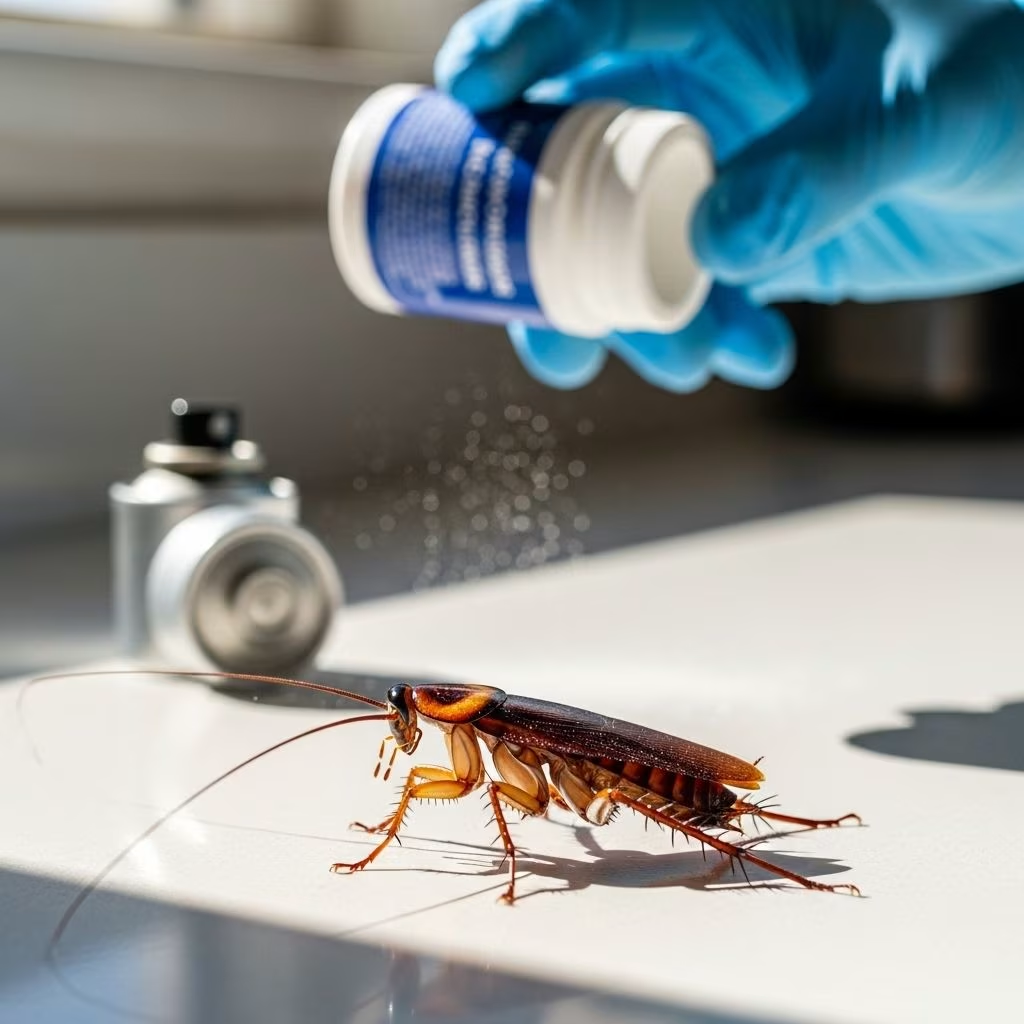
Introduction to American Cockroaches
American cockroaches, also known as Periplaneta americana, are one of the largest and most common roach species found in U.S. homes. While they typically live outdoors in moist, warm environments, they readily infest homes—especially those with moisture or sanitation issues—in search of food and shelter. Left unchecked, American cockroaches can become a persistent nuisance, potentially contaminating food and spreading bacteria.
Identifying American Cockroaches
Adult American cockroaches are reddish-brown with a pale margin on their thorax and can grow up to 2 inches long, including the wings. Nymphs are smaller, wingless, and gray-brown. You may spot them in basements, kitchens, bathrooms, and utility rooms, as well as in sewers and drainage pipes.
Understanding Their Habitat and Behavior
American cockroaches are attracted to food debris, moisture, and clutter. They prefer dark, warm, and humid environments and often hide during the day, emerging at night to forage. Common harborage sites include crawl spaces, basements, ceiling voids, utility closets, and around pipes or appliances. They can also enter homes through openings as small as a quarter-inch.
Signs of an American Cockroach Infestation
- Live or dead roaches: Spotting roaches, especially at night or in damp areas.
- Oothecae (egg cases): Dark, ridged cases about 5/8 inch long containing eggs, often found in hidden areas.
- Droppings: Small, dark, grainy deposits resembling coffee grounds.
- Musty odor: A noticeable, unpleasant smell in infested areas.
- Shed skins: Empty nymph skins left behind as they grow.
Effective Strategies to Get Rid of American Cockroaches
Prevention and Sanitation
Preventing entry and eliminating attractants are essential first steps:
- Seal entry points: Caulk cracks around doors, windows, pipes, and baseboards. Seal gaps in exterior walls and foundation.
- Install screens: Cover vents, windows, and floor drains with fine mesh to block entry.
- Reduce moisture: Fix leaky pipes, insulate sweating pipes, and repair broken sewer lines. Use dehumidifiers in damp areas.
- Clean thoroughly: Keep kitchens, bathrooms, and utility areas free of food debris and grease. Clean under appliances and inside cabinets regularly.
- Store food properly: Keep food in sealed containers. Remove pet food and water bowls overnight.
- Declutter: Eliminate hiding spots by removing piles of papers, cardboard, and unnecessary clutter.
- Garbage management: Use trash cans with tight-fitting lids and take out garbage regularly.
Exclusion Techniques
Make your home less inviting by removing harborage sites and food sources:
- Remove outdoor harborage: Store firewood and other materials away from your home’s foundation and off the ground.
- Clear yard debris: Rake leaves and clear gutters to reduce damp, shady areas near the house.
- Inspect drains: Ensure drains are well-sealed and free of debris where roaches might hide.
Treatment Options
If roaches are already present, active treatment is necessary:
| Method | How to Use | Pros | Cons |
|---|---|---|---|
| Bait Stations | Place in roach hotspots (kitchens, bathrooms, around appliances) | Low hazard to humans, effective for ongoing control | Visible, requires precise placement |
| Gel Baits | Apply small dots in cracks and crevices | Highly effective, minimal mess, odourless | Requires reapplication, slower kill |
| Insecticide Dusts (Boric Acid, Diatomaceous Earth) | Apply very lightly with a duster to cracks, voids, under appliances | Long-lasting, effective for hard-to-reach areas, low cost | Visible dust, pet/kid safety concerns, less effective if wet |
| Residual Sprays (Pyrethroids, IGRs) | Spray around entry points, baseboards, pipes | Fast knockdown, long residual activity | Chemical odour, safety precautions needed, may require reapplication |
| Sticky Traps | Place along walls, under appliances, in closets | Non-toxic, monitors population, easy to use | Only captures some roaches, not a standalone solution |
Application Tips
- Target harborage and pathways: Focus on spaces where roaches hide and travel, not on open surfaces.
- Dust application: Use a hand duster for thin, invisible layers, especially in wall voids and under appliances.
- Spot treat with sprays: Avoid spraying entire rooms; apply only to cracks, crevices, and harborage sites.
- Use baits and IGRs together: Combine insect growth regulators (IGRs) with baits for better long-term control.
When to Call a Professional
If infestations are severe, persistent, or occur in multi-unit dwellings, it may be necessary to hire a licensed pest control professional. They have access to more potent products and can perform comprehensive, targeted treatments to eliminate infestations at the source.
Health Risks and Safety Concerns
American cockroaches can trigger allergies and asthma, especially in children. Their droppings, shed skins, and saliva contain allergens. Additionally, roaches can carry bacteria (e.g., Salmonella, E. coli) on their bodies and contaminate surfaces and food.
When using pesticides, always follow label instructions and safety precautions. Keep products away from children and pets, and consider non-chemical methods (e.g., traps, exclusion) in sensitive areas.
Long-Term Prevention
- Regular inspections: Routinely check for signs of roaches, especially in high-risk areas.
- Maintain sanitation: Keep kitchen and bathrooms clean, and avoid leaving food out.
- Repair structural issues: Fix leaks, cracks, and gaps as soon as they are noticed.
- Monitor with traps: Use sticky traps to detect new activity early.
- Educate household members: Encourage everyone to follow prevention practices.
Frequently Asked Questions (FAQs)
How do I separate American cockroaches from other roach species?
American cockroaches are much larger than German or brown-banded roaches, with a reddish-brown color and a pale margin on the thorax. They are also more commonly found in damp, warm areas rather than in kitchen cabinets.
Are natural remedies effective against American cockroaches?
Boric acid and diatomaceous earth are effective natural options when applied as very thin dusts in hidden areas. However, these are usually part of a broader treatment plan and may not eliminate severe infestations alone.
How long does it take to get rid of an American cockroach infestation?
With thorough sanitation, exclusion, and proper treatment, you should see a significant reduction within a few weeks. Complete elimination may take longer, especially in multi-unit buildings or with recurring outside entry.
Do American cockroaches carry diseases?
They can pick up and spread bacteria, but do not transmit disease directly like mosquitoes. Their presence increases sanitation concerns and allergy risks.
What should I do if the infestation returns?
Reassess your prevention measures, re-treat with baits or dusts, and consider consulting a professional if the problem persists.
Summary Table: American Cockroach Control Strategies
| Strategy | Targeted Action | Effectiveness |
|---|---|---|
| Sanitation | Eliminate food, water, clutter | Essential for all infestations |
| Exclusion | Seal entry points, install screens | Critical for long-term prevention |
| Bait Stations | Place in roach activity sites | Highly effective, safe for ongoing use |
| Insecticide Dusts | Apply to cracks, voids | Effective for hidden infestations |
| Residual Sprays | Spot treat harborage areas | Fast results, residual protection |
Conclusion
Eliminating American cockroaches requires a combination of prevention, sanitation, exclusion, and targeted treatment. By sealing entry points, reducing attractants, and using appropriate baits and dusts, homeowners can effectively control and prevent infestations. For persistent or severe problems, professional pest control services offer additional expertise and resources to ensure a roach-free home. Regular monitoring and maintenance are key to keeping American cockroaches out for good.
References
- https://diypestcontrol.com/american.htm
- https://entomology.mgcafe.uky.edu/ef614
- https://www.canr.msu.edu/resources/american-cockroach
- https://ortho.com/en-us/insect-control/how-to-get-rid-of-american-cockroaches.html
- https://www.youtube.com/shorts/NFnYGcX6dZ8
- https://www.combatbugs.com/tips-and-strategies/how-to-exterminate-american-cockroaches.html
- http://www.idph.state.il.us/envhealth/pcsaferoach.htm


