


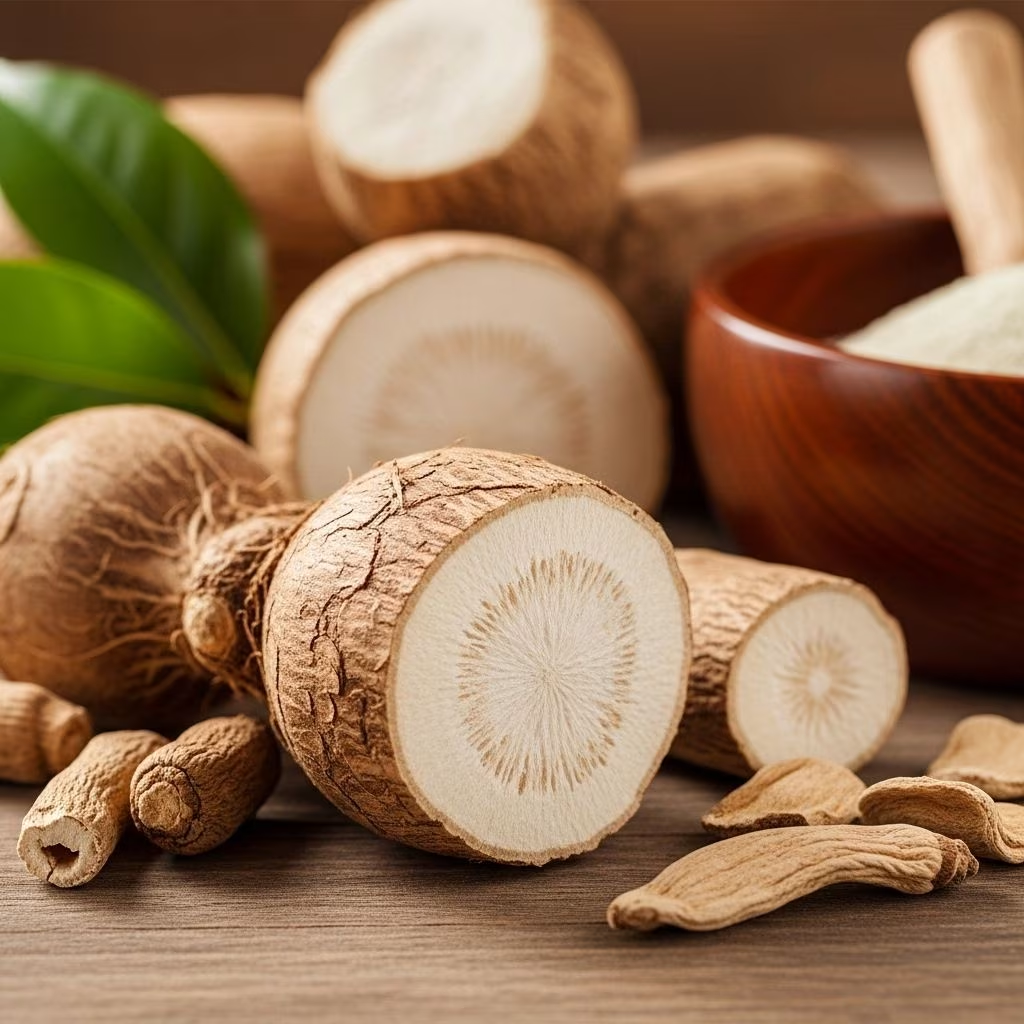
Kava root—often called “kava kava”—has emerged as a natural remedy gaining global interest, yet it remains shrouded in mystery for many outside the South Pacific. For centuries, kava has provided Pacific Islanders not just with a means to unwind, but also a profound tool for social bonding, ritual, and healing. Today, its calming effects and health-promoting properties are drawing worldwide attention.
Introduction to Kava Root
Kava root is the underground part of the Piper methysticum plant, a tropical evergreen shrub native to the South Pacific islands, including places like Fiji, Vanuatu, Tonga, and Samoa. This culturally significant plant has influenced the rituals, social interactions, and pharmacopoeia of these communities for centuries. The word “kava” means “bitter” in many Oceanic languages—aptly describing its flavor and character.
Modern interest in kava stems from its perceived ability to promote relaxation, combat anxiety, and facilitate social connection. As both a traditional drink and a modern supplement, kava is now consumed worldwide for its calming effects.
Kava in Traditional Culture
Kava plays a central role in Pacific Islander societies, not only as a recreational beverage but as a ceremonial and spiritual tool. Traditional uses include:
- Ceremonial purposes: Used in rituals to welcome guests, celebrate milestones, or mediate disputes.
- Symbol of peace: Sharing kava is an expression of friendship and communal harmony.
- Medicinal utility: Valued as a remedy for stress, tension, and insomnia.
Preparation was historically performed by chewing or grinding the root and mixing it with water. The resulting drink would be consumed communally, promoting bonding and creating a shared sense of tranquility.
Botanical Profile and Active Compounds
Latin name: Piper methysticum (‘intoxicating pepper’) belongs to the pepper family, which includes black pepper (Piper nigrum).
- The shrub features heart-shaped leaves, woody stems, and a distinctive starchy rootstock.
- The medicinal value lies in the root, which contains bioactive chemicals called kavalactones (also called kavapyrones).
Kavalactones account for 3%–20% of the dry root’s weight.
| Kavalactone | Reported Effect |
|---|---|
| Yangonin | Calming, possible interaction with endocannabinoid system |
| Desmethoxyyangonin | Mood stabilization |
| Dihydrokavain | Anxiolytic (anxiety relief), muscle relaxant |
| Methysticin | Sedative, cognitive support |
| Kavain | Anxiolytic, euphoria |
Kavalactones interact with neurotransmitters in the brain, particularly gamma-aminobutyric acid (GABA) receptors, which are central to the calming and anti-anxiety properties of kava. Unlike benzodiazepines (such as Xanax), kava binds to different GABA receptors, which may affect its risk of dependence and withdrawal.
Methods of Preparation and Consumption
There are several ways to enjoy or utilize kava root, reflecting both tradition and modern trends:
- Traditional beverage: Roots are ground, pounded, or chewed, then steeped in cool water; the cloudy liquid is strained and consumed as a communal drink.
- Instant kava drinks: Pre-mixed powders or extracts are stirred into water or juice for convenience.
- Supplements: Encapsulated kava root or standardized extracts are available as over-the-counter herbal supplements.
- Tinctures and concentrates: Alcohol- or glycerin-based extracts offer a concentrated form for precise dosing.
- Kava bars: Dedicated venues in Australia, the US, and Europe serve kava drinks as social alternatives to alcohol.
Key tip: It is safest to use preparations made exclusively from the root, as stems and leaves may contain compounds associated with liver risk.
Science-Backed Benefits of Kava Root
Kava’s most celebrated effects are its anxiety-reducing, relaxation-promoting, and mood-enhancing properties. Here’s what research and tradition reveal:
- Anxiety relief: Multiple studies support kava’s use as a short-term remedy for mild to moderate anxiety, often outperforming placebo and sometimes rivaling pharmaceutical approaches.
- Improved sleep: Kava may help people fall asleep more quickly and increase deep sleep, likely due to its calming and muscle-relaxing effects.
- Pain relief: Traditionally used to numb pain or promote physical comfort, kava’s influence on nerve transmission contributes to a sense of ease and reduced discomfort.
- Neuroprotective potential: Early studies in animal models present evidence that kava compounds might help protect nerve cells from age- and stress-related damage, though human data are limited.
- Anti-inflammatory and anticancer research: Modern in vitro and animal studies suggest kava and kavalactones show promise as anti-inflammatory agents and may reduce the risk or growth of certain cancers; however, these claims have not been validated in humans.
Importantly, evidence supports kava’s use for short-term anxiety and situational stress, especially with acute triggers or social discomforts. Its efficacy for generalized, chronic anxiety is less clear, and more research is warranted.
How Does Kava Work?
Kava’s key kavalactones appear to:
- Enhance the binding of GABA to its receptors, promoting calmness and reduced nerve activity.
- Alter neurotransmitter levels (dopamine, norepinephrine) to boost mood and decrease excitability.
- Inhibit certain enzymes linked to emotional and stress responses.
The result is a natural sense of relaxation, reduced racing thoughts, and muscle tranquility.
Potential Uses of Kava Root
Kava’s perceived benefits have expanded its use beyond traditional settings. Common contemporary uses include:
- Stress management: Used by individuals coping with workplace pressures, exams, or interpersonal conflict.
- Alternative for social drinking: In kava bars and social clubs, kava is enjoyed as a less intoxicating, non-alcoholic way to relax and connect.
- Herbal support for menopausal symptoms: Some women use kava to ease anxiety and mood swings during menopause.
- Complementary therapy: Used alongside (but not as a replacement for) other treatments for sleep disturbances or mild pain.
Kava Root Taste Profile
The taste of kava is distinctive and, for many, an acquired one. It is frequently described as:
- Earthy
- Bitter
- Peppery or spicy (pungent)
- Muddy or woody
Traditional kava drinks are cloudy and thick, with a mouth-numbing effect (from the kavalactones), followed by a mellow, calming sensation. The aftertaste is often compared to raw potato, raw cocoa, or even soap. Modern preparations may improve palatability by mixing kava with juices or coconut milk, but the strong flavor remains central to the experience.
Side Effects and Safety Considerations
Kava is generally safe for short-term, moderate use with preparation from dried roots.
- Common side effects: Mouth numbness, mild drowsiness, headache, dizziness, and stomach upset.
- Rare effects: Allergic skin reactions or exacerbation of skin rashes in sensitive people.
- Long-term risks: Heavy or chronic use may lead to apathy, weight loss, malnutrition, and—most seriously—potential liver damage (hepatotoxicity).
Some cases of liver injury, including hepatitis and liver failure, have been associated with kava use, particularly with extracts using stems or leaves instead of pure root. These events are rare but have prompted regulatory warnings in several countries.
Do not combine kava with alcohol, sedatives, or certain medications (especially those affecting the liver or central nervous system). Pregnant and breastfeeding women, and those with liver disease, should avoid kava. Always consult a healthcare provider before using kava if taking prescription medications.
Legal Status and Regulation
Kava’s legal status varies by country due to potential safety concerns, especially for liver health:
- Australia: Recently relaxed import restrictions for personal and commercial use, with some regional variations still in place.
- United States: Legal as a dietary supplement, commonly available in health stores and herbal bars.
- United Kingdom, Canada, Germany: Banned or restricted following high-profile reports of liver toxicity.
- Pacific Islands: Widely available and used traditionally.
Ongoing scientific review and quality control initiatives seek to improve kava safety, especially by promoting root-only products and standardizing extraction methods.
Frequently Asked Questions (FAQs)
Q: What does kava feel like?
A: After moderate consumption, most people feel a sense of calm, mild euphoria, relaxed muscles, and sometimes gentle sleepiness. Higher doses can intensify drowsiness and numb sensations in the mouth and limbs.
Q: Is kava addictive?
A: Kava is not considered physically addictive. However, regular users may develop a habit, and abrupt cessation in heavy users can produce withdrawal-like symptoms, though milder than those linked to alcohol or benzodiazepines.
Q: Can kava get you high?
A: Kava does not produce a “high” in the sense of intoxication or hallucination. Its effects are more subtle—characterized by enhanced calm and reduced anxiety rather than psychoactive euphoria or altered perception.
Q: What is the safest way to use kava?
A: Use water-based preparations from root-only sources, at moderate doses, and for limited periods. Avoid combining kava with alcohol, sedatives, or hepatotoxic drugs.
Q: Are all kava supplements created equal?
A: No. Quality, concentration, and safety can vary widely. Choose products that specify root-only sources, standardized kavalactone content, and responsible manufacturing practices.
Conclusion
Kava root is far more than just a plant—it’s a pillar of Pacific tradition and a modern emblem of natural stress relief. With growing scientific support for its benefits and mounting awareness of its risks, responsible use and quality sourcing are essential. Whether imbibed ritually or chosen for its calming touch, kava invites us to experience a unique blend of cultural history, botanical intrigue, and natural tranquility.
References
- https://www.healthline.com/nutrition/kava-kava
- https://www.goodrx.com/well-being/supplements-herbs/kava-use-benefits-side-effects
- https://www.betterhealth.vic.gov.au/health/healthyliving/kava
- https://www.uclahealth.org/news/article/ask-the-doctors-what-are-the-risks-and-benefits-of-kava
- https://pmc.ncbi.nlm.nih.gov/articles/PMC7600512/
- https://www.nccih.nih.gov/health/kava
- https://adf.org.au/drug-facts/kava/
- https://www.mskcc.org/cancer-care/integrative-medicine/herbs/kava
- https://www.webmd.com/vitamins/ai/ingredientmono-872/kava


