


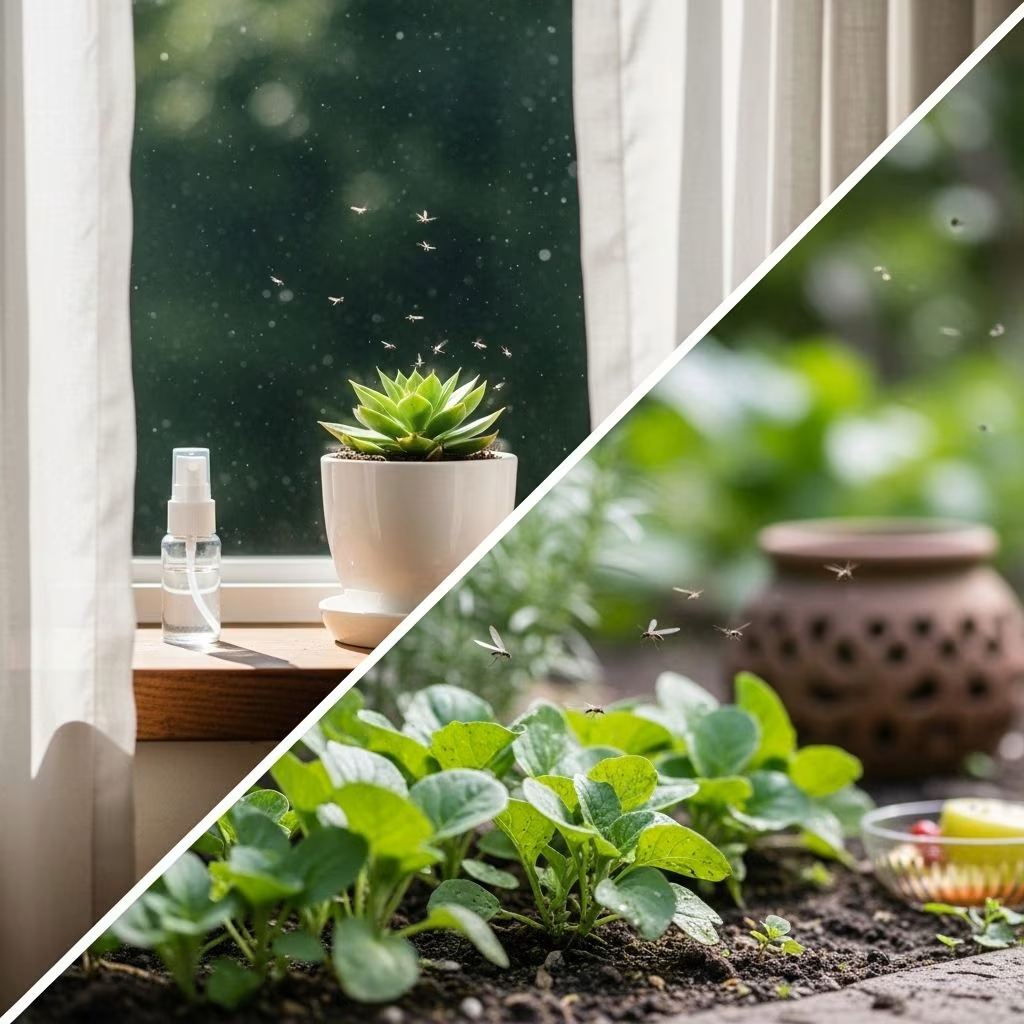
Gnats—tiny, flying insects that seem to appear out of nowhere—can quickly become a nuisance inside your home and in your garden. Whether you’re battling fruit flies in the kitchen, fungus gnats near your houseplants, or drain gnats in the bathroom, understanding home remedies to get rid of gnats empowers you to reclaim your space without harsh chemicals. This in-depth guide explores a full array of natural, practical, and cost-effective solutions for gnat infestations, along with proactive steps to prevent their return.
Understanding Gnats: Types & Behaviors
Before selecting a remedy, it helps to pinpoint the type of gnat you’re dealing with. The term “gnat” is used for several different pest species, including:
- Fruit flies: Attracted to fermenting or decaying fruits, vegetables, and sugary substances.
- Fungus gnats: Thrive in moist houseplant soil and decomposing organic matter.
- Drain flies (moth flies): Breed in decaying organic material inside drains.
- Phorid flies: Often found near decaying organic matter and garbage.
Identifying the gnat type narrows down both the source and the most effective remedy.
Top Home Remedies for Getting Rid of Gnats
Most household gnat infestations can be treated with ingredients you already have at home, ensuring safety around children and pets. Here are the best home remedies for immediate and long-term results:
1. Apple Cider Vinegar Trap
One of the most popular and effective DIY gnat traps uses the attraction power of apple cider vinegar:
- Pour apple cider vinegar into a shallow bowl until it’s about one-third full.
- Add a few drops of dish soap. This breaks the surface tension and causes gnats to sink and drown.
- Cover the bowl with plastic wrap and poke small holes in the plastic. Gnats enter for the vinegar but can’t escape.
- Place the trap near the source of gnats (kitchen counters, fruit bowl, potted plants, etc.). Change the mixture every few days until gnats are gone.
2. Baking Soda and Vinegar Drain Cleaner
For drain flies and gnats breeding in sinks or garbage disposals, this classic combination works wonders:
- Pour half a cup of baking soda down the infested drain.
- Follow with a cup of vinegar. The fizzing reaction breaks up organic debris and suffocates gnats.
- Let the solution sit for 30 minutes before flushing with hot water.
- Repeat every few days to break the breeding cycle.
3. Homemade Gnat Spray
To target gnats in flight or resting on surfaces, prepare a non-toxic spray:
- Mix water with a few drops of dish soap, a splash of vinegar, and a teaspoon of baking soda in a spray bottle.
- Shake thoroughly and spray directly onto visible gnats or problem areas (edges of sink, plant soil, etc.).
- Wipe surfaces clean to remove dead gnats and residue.
4. Boiling Water for Drains
Pouring boiling water directly down drains can quickly kill gnat larvae and remove some of their breeding habitat.
5. Sticky Traps
Sticky traps are a chemical-free option, especially for fungus gnats and fruit flies:
- Make your own trap by coating yellow or blue index cards with petroleum jelly or adhesive glue.
- Place traps near plants, kitchen sinks, or wherever gnats are visible.
- Replace traps when covered in trapped insects.
6. Beer and Wine Traps
Gnats are attracted to the smell of fermentation. To use alcohol as bait:
- Pour leftover beer or red wine into a shallow container.
- Add a couple drops of dish soap and leave the trap uncovered near the gnat hotspot.
7. Fruit Trap for Kitchen Gnats
- Place a piece of overripe fruit in a jar with a narrow neck.
- Cover the jar with plastic wrap, secure with a rubber band, and poke holes in the top.
- Gnats attracted by the scent will enter but struggle to get out.
DIY Traps: Attract and Catch Gnats
Homemade traps are fast, non-toxic, and can be adapted depending on your situation. Here’s a quick summary table of popular methods:
| Trap Type | Main Ingredients | Best For |
|---|---|---|
| Apple Cider Vinegar Trap | Apple cider vinegar, dish soap, plastic wrap | Fruit flies, fungus gnats |
| Beer/Wine Trap | Beer or wine, dish soap | Fruit flies, general gnats |
| Fruit Trap | Overripe fruit, jar, plastic wrap | Fruit flies in kitchens |
| Sticky Trap | Yellow/blue card, petroleum jelly/glue | Fungus gnats, fruit flies |
Natural Sprays & Solutions
Aside from DIY traps, natural sprays help tackle gnats instantly and when combined with traps, maximize effectiveness.
Homemade Vinegar-Based Spray
- Combine 1 cup of water, 2 tablespoons of apple cider vinegar, 1 tablespoon of baking soda, and a few drops of dish soap in a spray bottle.
- Spray affected surfaces, plant leaves, and gnat breeding grounds.
Hydrogen Peroxide Soil Drench (for Fungus Gnats)
- Mix one part 3% hydrogen peroxide with four parts water.
- Water plants with this mixture; it kills fungus gnat larvae in the soil but is safe for most houseplants.
- Use sparingly—once per infestation cycle is sufficient.
Essential Oil Repellents
- Gnats dislike the scents of peppermint, tea tree, eucalyptus, and lemongrass oils.
- Add a few drops to water in a spray bottle and mist problem areas.
- Refreshing the spray regularly keeps gnats away naturally.
Eco-Friendly and Plant-Based Controls
Many plant-based remedies offer dual benefits: controlling gnats and beautifying your living spaces.
Carnivorous Plants
- Venus Flytrap, Sundew, or Pitcher Plants consume flying insects like gnats. Place these plants near windows or on patios for natural gnat control.
Potato Chunks for Soil Pests
- Place raw potato slices on the surface of plant soil. Gnat larvae are attracted to the potato, which can then be discarded after several days and replaced with a fresh piece.
Bacillus thuringiensis israelensis (BTI)
- Also called ‘Gnatrol,’ BTI is a naturally-occurring bacterium toxic to gnat larvae but safe for humans and pets. It can be purchased and sprinkled on plant soils as directed.
Elimination and Prevention Strategies
For sustainable relief, pair home remedies with these preventative actions:
- Remove attractants: Store fruit in the refrigerator or in sealed containers. Dispose of overripe produce and food waste quickly.
- Keep sinks and drains clean: Regularly pour boiling water and/or baking soda and vinegar solution down drains.
- Reduce moisture: Avoid overwatering plants. Use pots with drainage and empty saucers beneath them.
- Take out trash regularly: Garbage can be a breeding ground. Empty it daily and clean pails frequently.
- Seal entry points: Check screens and weather stripping to prevent gnats from entering.
- Monitor humidity: Use a dehumidifier if humidity levels are high, since gnats thrive in moist conditions.
Professional and Electronic Options
- Bug zappers: Plug-in UV light traps attract and kill flying gnats quickly. They are safe for indoor use if placed near gnat hotspots.
- Commercial sticky traps: Available at garden stores, these can supplement your home traps for more severe infestations.
Frequently Asked Questions (FAQs)
Q: What causes gnats to appear indoors?
A: Gnats are drawn indoors by moisture, decaying organic material, and fermenting food. Common sources include ripened fruit, unclean drains, damp potting soil, and food waste.
Q: Are these home remedies safe for pets and children?
A: Most remedies here use non-toxic household ingredients and are considered safe. Avoid using essential oil sprays close to pets (especially cats), and do not let children play with homemade traps.
Q: How long does it take to get rid of gnats?
A: Small infestations can often be eliminated within a week if traps and cleaning routines are used consistently. Severe infestations may take several cycles of treatment and prevention.
Q: My gnats keep coming back. What should I do?
A: Persistent gnat issues usually indicate a hidden food or moisture source. Check behind appliances, under sinks, and in potted plants. Continue prevention steps and rotate different traps and remedies.
Q: Do plants help get rid of gnats?
A: Certain carnivorous plants feed on gnats, and healthy plants with properly-cared-for soil are less likely to harbor infestations. Keep plant areas clean and use soil drenches if necessary.
Conclusion
With the right combination of home remedies, DIY gnat traps, and household changes, most gnat problems can be controlled naturally and quickly. Consistency is key—regularly empty traps, clean breeding sites, and use prevention strategies to reclaim your home from these pesky insects.
References
- https://www.michepestcontrol.com/blog/2023/february/how-to-get-rid-of-gnats/
- https://www.goodhousekeeping.com/home/a46626/how-to-get-rid-of-gnats/
- https://www.medicinenet.com/what_is_the_fastest_way_to_get_rid_of_gnats/article.htm
- https://www.homedepot.com/c/ab/how-to-get-rid-of-gnats/9ba683603be9fa5395fab902b0dba6a
- https://fgsdurham.com/general/helpful-tips-for-fungus-gnats/
- https://www.youtube.com/watch?v=sfJDemMjSUo
- https://joshuaspestcontrol.com/blog/how-to-get-rid-of-gnats-outside/
- https://www.countryliving.com/home-maintenance/g27683756/how-to-get-rid-of-gnats/


