


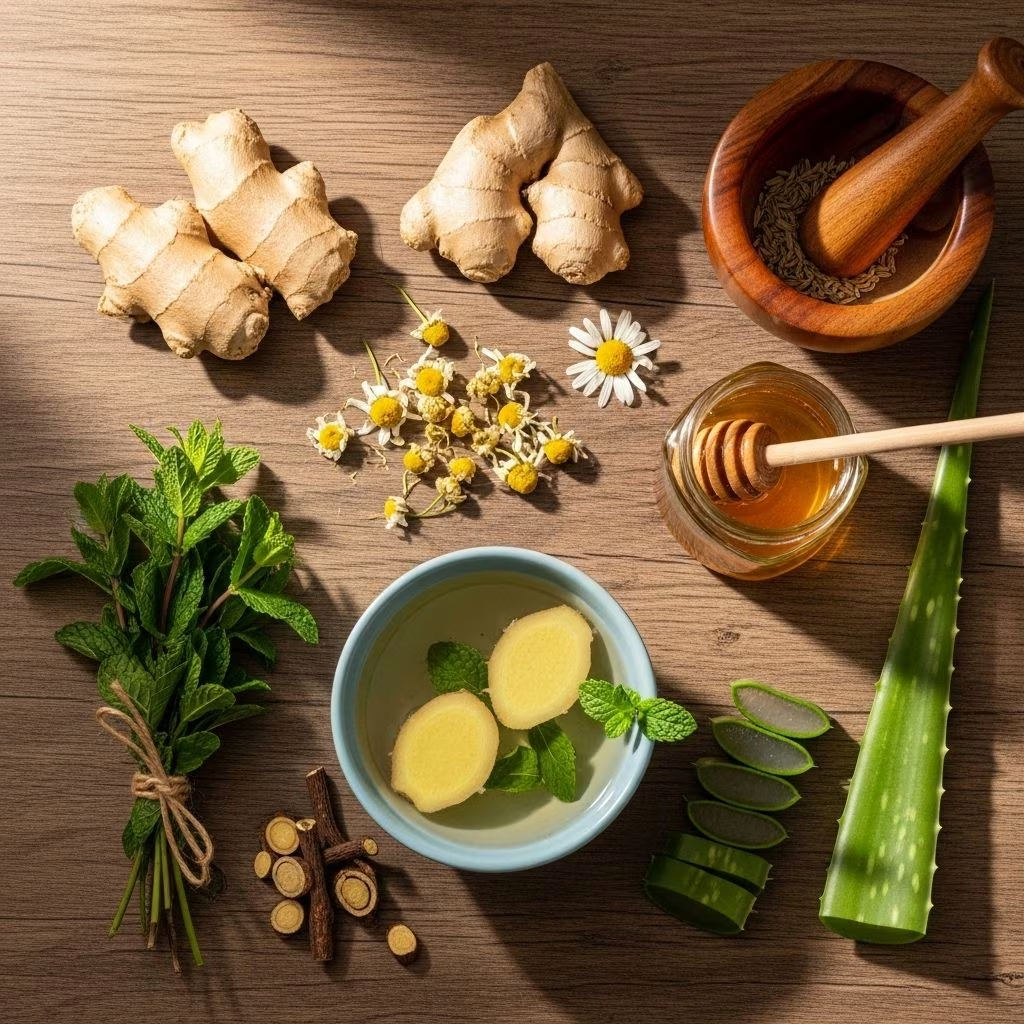
Natural Remedies for Gastritis: Practical Tips for Soothing Symptoms
Gastritis refers to the inflammation of the stomach lining, which can cause symptoms such as abdominal pain, nausea, bloating, and indigestion. While conventional medical treatments such as medications and dietary modifications are standard, many people seek natural remedies to help soothe symptoms and support long-term digestive health. This comprehensive guide covers evidence-backed home remedies, dietary and lifestyle approaches, and practical tips to manage and prevent gastritis naturally.
Understanding Gastritis: Causes and Symptoms
Gastritis occurs when the mucous membrane lining the stomach becomes inflamed. The most common causes include:
- Helicobacter pylori infection (a common stomach bacterium)
- Overuse of nonsteroidal anti-inflammatory drugs (NSAIDs)
- Excessive alcohol consumption
- Chronic stress
- Certain autoimmune conditions
- Bile reflux
Typical symptoms associated with gastritis can include:
- Gnawing or burning stomach pain
- Nausea or vomiting
- Loss of appetite
- Bloating or feeling of fullness after eating
- Indigestion
- Dark stools (possible sign of bleeding — seek medical attention if present)
Identifying and addressing the underlying causes are essential for lasting relief. However, a holistic management plan often combines medical advice with gentle, symptom-soothing home remedies.
Anti-Inflammatory Diet: A Foundation for Gastritis Relief
Diet plays a central role in both aggravating and alleviating gastritis symptoms. Key dietary strategies include:
- Emphasize anti-inflammatory foods such as leafy greens, broccoli sprouts, blueberries, and other fruits/vegetables high in bioflavonoids.
- Avoid trigger foods which often include:
- Heavily processed and preserved foods
- Foods high in sugar
- Dairy products (if sensitive)
- Acidic foods like citrus and tomatoes
- High-gluten foods (especially if gluten-sensitive)
- Spicy and fried foods
- Excessive caffeine or alcohol
- Keep a food journal to track personal triggers, as individuals may react differently to various foods.
- Eat regular, smaller meals to minimize stomach stress.
Research highlights positive effects from certain foods, such as broccoli sprouts, which help inhibit Helicobacter pylori, a common cause of chronic gastritis.
Sample Anti-Inflammatory Foods Table
| Recommended Foods | Foods to Limit/Avoid |
|---|---|
|
|
Proven Natural Remedies and Home Treatments
A variety of herbal teas, juices, and supplements may help soothe the stomach lining and ease gastritis symptoms. Many are gentle, accessible, and can be incorporated into daily routines. Below are some of the most evidence-backed natural remedies:
1. Garlic Extract
Studies indicate that garlic extract may help reduce Helicobacter pylori levels in the digestive tract, particularly when gastritis is due to this common bacterium. You can use aged garlic extract supplements or consume fresh, crushed garlic (in moderation). Garlic is also noted for its anti-inflammatory and antioxidant effects.
- If consuming raw garlic, start with small amounts to ensure your stomach tolerates it.
- Consult your doctor if you’re on blood thinners or have digestive sensitivities.
2. Probiotics
Probiotics are live bacteria that promote healthy digestion and may enhance the effectiveness of antibiotics against H. pylori. They are found in foods like yogurt (choose non-sugary, non-dairy options if needed), kefir, sauerkraut, kimchi, and in supplement form. Probiotics support a healthy gut microbiota, which may be particularly beneficial for those with gastritis linked to bacterial imbalance.
3. Banana and Pear Juice
The combination of banana and pear juice provides gentle fiber and pectin, which support healthy digestion and reduce acid contact with the stomach lining. Both fruits are easy to digest, and this juice can help relieve inflammation and promote regularity.
How to make: Blend 1 peeled banana and 1 peeled pear with 1 cup of water (add ice as desired). Drink when symptoms appear or as a daily digestive tonic.
4. Brazilian Peppertree Tea (Aroeira Tea)
Aroeira (Brazilian peppertree) tea is rich in anti-inflammatory and analgesic properties, shown in some studies to be as effective as standard medications like omeprazole for reducing stomach acidity and combating H. pylori.
Basic preparation: Simmer 3–4 small pieces of Brazilian peppertree bark in 1 liter of water for 10 minutes. Let cool, then strain and drink up to three tablespoons daily.
Note: Discontinue use if laxative effects develop; avoid during pregnancy.
5. Chard Tea
Chard tea is abundant in vitamins and minerals, especially A, C, and K, as well as potassium, magnesium, and iron. Its natural anti-inflammatory and antioxidant properties help reduce gastritis symptoms and support overall digestive health.
How to prepare: Simmer 50 g of chard leaves in 1 liter of water for 10 minutes. Drink after cooling, up to three times a day.
Avoid if you have kidney stones or are on anticoagulants.
6. Cabbage Juice With Papaya and Melon
Cabbage juice is a traditional remedy with proven benefits for gastric ulcers and gastritis, thanks to compounds like kaempferol and glucosinolates. Papaya and melon supplement the juice with natural enzymes that aid digestion and ease inflammation.
Recipe: In a blender, combine six cabbage leaves (with stalk), half a papaya, two cups of cubed melon, and two cups of water. Blend until smooth; drink three or four times per day.
7. Pear Juice
Pear juice is high in flavonoids and fiber, supporting healthy digestion and reducing inflammation of the stomach lining. It’s a gentle option for those with sensitive stomachs.
Preparation: Blend one ripe pear (cored and cubed) with 100 ml of water and ice. Drink twice daily.
8. Fennel Tea
Fennel tea contains bioactive compounds (tannins, anethole, saponins, flavonoids) known for their anti-inflammatory and digestive benefits. It can relieve stomach pain and promote motility, helping to manage bloating and cramps related to gastritis.
Preparation: Steep one teaspoon (about 5–7 g) of fresh fennel seeds or leaves in 200 ml boiling water for 10 minutes. Allow to cool, strain, and drink up to three cups per day.
Other Herbal, Nutritional, and Lifestyle Support
- Aloe Vera: Has soothing and anti-inflammatory effects on the digestive tract. Opt for pure, inner-leaf juice products designed for internal use.
- Bioflavonoids: Found in many fruits and vegetables; may inhibit H. pylori and reduce mucosal inflammation.
- Licorice Root (Deglycyrrhizinated Licorice or DGL): Offers gentle mucosal protection, but should be used cautiously and in consultation with a physician, especially if you have high blood pressure.
- Slippery Elm and Marshmallow Root: Form protective mucilage over the stomach lining, reducing irritation.
- Vitamin C, Vitamin A, Selenium, and Zinc: Support immune function and mucosal healing (consider professional guidance before use).
Not all herbal remedies are suitable for everyone; consult your healthcare provider before starting new supplements, especially if you have pre-existing conditions or take medications.
Precautions and Potential Risks With Natural Remedies
- Some natural herbs and supplements may interact with prescribed medications (e.g., anticoagulants, antacids, blood pressure drugs).
- Certain herbal teas (like Brazilian peppertree) should be avoided during pregnancy or with gastrointestinal disorders involving diarrhea.
- Excessive use of garlic or high-fiber juices could aggravate symptoms if you have a sensitive stomach.
- Always seek professional evaluation if you have gastrointestinal bleeding, severe pain, weight loss, or if symptoms persist despite dietary and lifestyle changes.
General Lifestyle Tips for Managing Gastritis
- Quit smoking and limit alcohol intake.
- Practice stress management with mindfulness, yoga, or meditation.
- Avoid eating late at night.
- Maintain a healthy weight and a balanced, nutrient-dense diet.
- Wash hands thoroughly and ensure food safety to limit H. pylori risk.
- Get regular physical activity to promote digestion and reduce stress.
When to See a Doctor
While many mild cases of gastritis respond well to home and natural remedies, you should consult a healthcare professional if you experience:
- Severe or persistent abdominal pain
- Vomiting blood or dark, tarry stools
- Unexplained weight loss
- Symptoms lasting more than a few days despite home care
Proper diagnosis is essential to rule out infections, ulcers, or more serious gastrointestinal diseases.
Frequently Asked Questions (FAQ)
Q: What foods should I avoid if I have gastritis?
A: Avoid highly processed foods, spicy or fried dishes, acidic foods, excessive dairy, and caffeinated or alcoholic beverages, as these are common triggers for gastritis flares.
Q: Can stress make gastritis worse?
A: Yes, chronic stress can elevate stomach acid production and worsen inflammation, potentially intensifying gastritis symptoms. Stress management is advised.
Q: Are probiotics helpful for gastritis?
A: Probiotics may be beneficial, especially if gastritis is related to H. pylori infection or after antibiotic therapy, as they support healthy gut bacteria balance.
Q: How long does it take for natural remedies to work?
A: Some people notice symptom improvement within days, but healing can take weeks. Consistency in diet and natural therapies, alongside medical advice, is key for lasting relief.
Q: Can I use herbal teas alongside prescribed medications?
A: Some herbal teas are safe, but certain herbs may interact with medications. Always check with your healthcare provider before combining herbal remedies with prescriptions.
Key Takeaways
- Gastritis can often be soothed and managed with natural remedies focused on anti-inflammatory foods, specific herbal teas, and lifestyle strategies.
- Identify and avoid individual trigger foods to minimize irritation to the stomach lining.
- Consult a healthcare provider for persistent symptoms, before starting new supplements, or if you notice signs of gastrointestinal bleeding.
- Integrate home remedies for gentle, ongoing digestive support, but always ground your approach in accurate diagnosis and medical guidance.
References
- https://www.medicalnewstoday.com/articles/321138
- https://www.healthline.com/health/home-remedies-for-gastritis
- https://www.mayoclinic.org/diseases-conditions/gastritis/diagnosis-treatment/drc-20355813
- https://www.ebsco.com/research-starters/complementary-and-alternative-medicine/natural-treatments-gastritis
- https://mfm.au/digestive-health/gastritis/
- https://www.buzzrx.com/blog/how-to-cure-gastritis-permanently
- https://www.tuasaude.com/en/home-remedies-for-gastritis/
- https://pmc.ncbi.nlm.nih.gov/articles/PMC10537303/
- https://naturemed.org/natural-gastritis-treatment/
- https://my.clevelandclinic.org/health/diseases/10349-gastritis


