


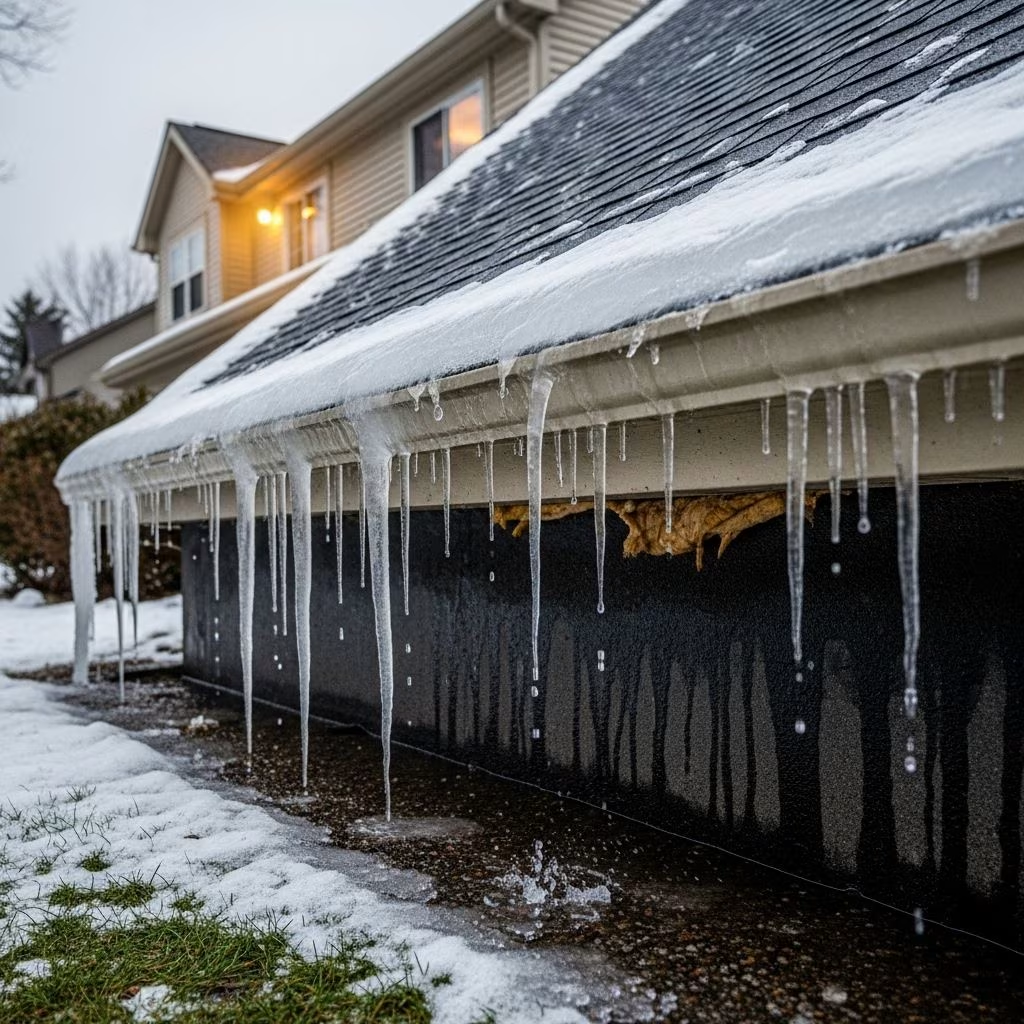
How to Get Rid of Ice Dams: Prevention and Remedies
Ice dams can pose a serious threat to the integrity of your roof and the comfort of your home during the winter months. When left unaddressed, ice dams may cause water leaks, roof damage, and even health hazards inside your living space. This article offers a comprehensive guide to understanding, preventing, and dealing with ice dams, so you can safeguard your property when freezing weather strikes.
What Are Ice Dams?
An ice dam is a ridge of ice that forms at the edge of a roof and prevents melting snow from draining off. The water that backs up behind the dam can leak into the home under the shingles, leading to potential damage of walls, ceilings, insulation, and other areas.
Why Do Ice Dams Form?
The primary cause of ice dam formation is the uneven temperature on the roof surface. When the upper part of the roof is warm enough to melt snow while the eaves and lower edges remain cold, melted water runs down and refreezes at the coldest point, typically the eaves, forming a blockage of ice.
- Poor attic insulation and inadequate ventilation allow heat to escape from the living spaces below to the attic, warming the roof and melting the snow above.
- Cold weather freezes the water again at the eaves, starting the ice dam cycle.
- Successive snowmelt and freezing cycles make the dam larger over time.
Signs That You Have an Ice Dam
Identifying an ice dam early can prevent significant structural damage. Watch for:
- Large icicles hanging from the roof’s edge, especially along gutters.
- Ice accumulating along the eaves or gutter line.
- Water stains on ceilings or walls inside your home, indicating leaks.
- Peeling paint or bubbling plaster along exterior walls.
- Mold growth or musty odors, especially near the roofline.
How Ice Dams Can Damage Your Home
Ice dams are not merely an exterior nuisance—they can wreak havoc on the structure and safety of your home:
- Leaks and water damage: Trapped water can seep under shingles, ruining insulation, drywall, and causing ceiling or wall leaks.
- Structural problems: Persistent water intrusion may lead to rot in the roof deck, rafters, and framing.
- Mold and mildew: Moisture entering attics or living spaces can foster hazardous mold growth, jeopardizing indoor air quality.
- Exterior hazards: Ice dam weight can damage gutters, downspouts, and even cause shingles to peel or break off.
- Slip and fall risks: Icicles and runoff water may create dangerous ice patches on driveways or walkways below.
How to Prevent Ice Dams
While it’s difficult to guarantee that ice dams will not occur, a combination of proactive steps can greatly reduce the risks. Prevention focuses on maintaining a cold roof surface and minimizing heat loss from your living spaces into the attic.
1. Seal Air Leaks
Air leakage from living areas into the attic is the single most important factor contributing to ice dams.
- Seal gaps and cracks around light fixtures, pipes, chimneys, and vents with caulk or spray foam.
- Add weatherstripping to attic hatches to minimize warm air escape.
- Inspect and seal ductwork seams and joints passing through attic space.
2. Increase Attic Insulation
Boosting attic insulation prevents heat from rising into the attic and warms the living space instead.
- Upgrade insulation to recommended R-values—R-38 or higher for colder climates is ideal.
- Add additional layers of roll or blown-in insulation as necessary.
- Ensure evenly distributed insulation, especially over the top plates of exterior walls.
3. Ensure Adequate Attic Ventilation
Effective ventilation promotes even roof temperature and reduces the likelihood of snow melt and ice formation.
- Install soffit (intake) and ridge (exhaust) vents to allow cold air circulation under the roof deck.
- Keep all vents clear of insulation and debris.
- Air pathway baffles help maintain airflow from eaves upward.
- Sizing guideline: At least 1 square foot of vent opening per 300 square feet of attic floor space.
4. Exhaust Vents to the Outside
Make sure all bathroom, kitchen, and dryer vents discharge outdoors, never into the attic or soffit spaces, to prevent condensation and ice buildup.
5. Clean Gutters and Downspouts
Remove leaves, sticks, and debris from gutters and downspouts before winter to enable proper water drainage and avoid ice blockage.
6. Proactive Snow Removal
After heavy snowfall, consider removing snow from the roof before it melts and refreezes:
- Use a long-handled roof rake to clear snow while standing safely on the ground.
- Never use metal tools or climb onto an icy roof, as this can cause injury or damage to shingles.
7. Professional Evaluation
For homes with recurring ice dam problems, consult a weatherization or energy professional for a whole-house assessment:
- Blower door testing and infrared scans reveal heat leaks and insulation gaps.
- Contractors can recommend permanent remedies tailored to your home’s structure.
Quick Comparison: Prevention Strategies
| Prevention Method | Effectiveness | DIY Feasibility |
|---|---|---|
| Air Sealing | High | Moderate (some tasks require expertise) |
| Attic Insulation | High | Possible with proper equipment |
| Attic Ventilation | High | Contractor recommended |
| Snow Removal | Medium | Safe from ground with roof rake |
| Gutter Cleaning | Medium | Easy (before winter) |
| Professional Assessment | High (for persistent problems) | No (professional only) |
How to Remove Ice Dams Safely
If ice dams have already formed, act cautiously to remove them and minimize further damage. Never use sharp objects, salt, or direct fires/heat sources on your roof, as these can cause significant harm to the roofing material and structure.
1. Remove Excess Roof Snow
- Use a telescoping roof rake with a plastic blade to gently skim off excess snow from the roof’s edge immediately after heavy storms.
- Clear 3-4 feet above the eaves to prevent further meltwater from forming dams.
- Stay on the ground for your safety; never climb onto an icy or snowy roof.
2. Melting Channels in the Ice Dam
- Fill an old nylon stocking or pantyhose with calcium chloride ice melt and lay it perpendicular to the dam so it crosses the ice.
- The constant release of ice melt will create a channel in the dam, allowing water to escape over the eaves.
- Avoid using rock salt, which can damage plants and corrode metal gutters.
3. Professional Ice Dam Removal
- When dams are substantial or inaccessible, hire a licensed professional to remove ice using steam or specialized tools.
- Professionals can safely address the blockage without damaging your roof.
4. Manage Interior Water Leaks
If leaking has begun, prompt steps will minimize immediate damage:
- Use buckets to catch water from ceiling leaks.
- Move or cover valuables and furnishings beneath the leak zone.
- Ventilate and dry out damp areas quickly to prevent mold and mildew growth.
- Do not attempt permanent repairs until water intrusion is controlled and all areas are thoroughly dry.
Dangers and What to Avoid
- Don’t chip or chop ice with pickaxes or shovels—this can puncture shingles or gutters.
- Don’t use open flames or hot water on your roof; these methods are hazardous and ineffective.
- Don’t climb onto your roof in snowy or icy conditions due to fall risk.
- Never use common rock salt directly on shingles, as it may cause corrosion and roofing material deterioration.
Long-Term Solutions for Ice Dam Prevention
For properties with chronic ice dam formation, consider these long-term solutions during renovations or re-roofing projects:
- Install a self-adhering ice and water barrier membrane under new shingles for added leak protection at the eaves and valleys.
- Consider improved roof designs allowing for more uniform ventilation and insulation.
- Upgrade attic ventilation systems to meet or exceed current code requirements.
Frequently Asked Questions (FAQs)
Q: Are icicles always a sign of ice damming?
A: Not always. While large or excessive icicles hanging from the eaves can indicate underlying ice dam issues, smaller icicles are sometimes simply a result of normal freeze-thaw cycles. Still, they warrant further inspection, especially if you notice other signs of ice dams like indoor leaks or water stains.
Q: Do roof heat cables work to prevent ice dams?
A: Heat cables can provide short-term relief by melting channels through ice dams, allowing some water to drain. However, they do not address the root cause—usually attic heat loss—and are not a replacement for proper air sealing, insulation, and ventilation upgrades.
Q: Should I remove all snow from my roof?
A: Removing heavy snow loads from the edge of the roof (about 3-4 feet above eaves) can reduce the chance of developing ice dams. Full removal is generally unnecessary and may risk shingle or roof damage if done improperly.
Q: How do I know if my attic insulation or ventilation is adequate?
A: Signs of inadequate attic insulation or ventilation include uneven snow melting on the roof, persistent ice dams, and unusually high utility bills during winter. Consulting an insulation or roofing specialist for an inspection and energy assessment is recommended.
Q: How quickly should I address a roof ice dam leak?
A: Immediately. Even small leaks can lead to major water and mold damage. Begin by controlling interior water flow, drying affected areas, and implementing temporary exterior dams or melting channels while arranging for lasting repairs and improvements.
Q: Can ice dams occur on metal roofs?
A: Yes. While metal roofs may shed snow more efficiently, ice dams can still form at the eaves if underlying attic heat and ventilation issues persist. Proper attic insulation, ventilation, and air sealing remain essential with any roofing material.
Summary: Safeguard Your Home from Ice Dams
Ice dams are a pervasive wintertime risk, capable of inflicting serious and costly damage if not prevented or addressed properly. Comprehensive prevention—including air sealing, increased attic insulation, and improved ventilation—remains the most effective long-term defense. When ice dams form, prioritize safe removal, prompt leak management, and professional help as needed. By understanding the causes and remedies detailed above, you can keep your home dry, comfortable, and secure, no matter how severe the winter.
References
- https://extension.umn.edu/protecting-home-rain-and-ice/dealing-and-preventing-ice-dams
- https://www.weather.gov/grr/roofIceDams
- https://mn.gov/commerce/energy/conserving-energy/energy-tips/index.jsp?id=17-373292
- https://www.ahfc.us/blog/posts/protecting-your-home-ice-dams
- https://www.grangeinsurance.com/tips/4-ways-to-prevent-ice-dams
- https://www.decra.com/pro/understanding-ice-dams-causes-and-prevention
- https://www.michigan.gov/miready/be-informed/winter-prep/preventing-roof-ice-dams


