How To Get Rid Of Skunk Smell: The Ultimate Guide
Skunk spray is infamous for its pungency and staying power. Whether you, your pet, or your property has fallen victim to this natural defense mechanism, acting quickly and using the right approach is essential for effective skunk odor removal. This guide explains how to get rid of skunk smell on humans, pets, clothes, cars, and indoor or outdoor spaces, combining scientific insights and practical solutions.
Understanding Skunk Spray
Skunk spray is primarily composed of volatile sulfur-containing chemicals known as thiols. These thiols are highly odorous and can stick to surfaces, skin, and fabrics, making the smell difficult to eliminate. Immediate treatment is critical, as the longer the spray sits, the harder it is to remove.
- Skunk odor can linger for weeks if untreated.
- Oil-based nature of the spray allows it to penetrate deeply into porous surfaces.
- Direct contact can also cause eye and skin irritation for humans and animals.
Immediate Actions After Getting Skunked
If you, your pet, or your belongings have been sprayed:
- Avoid touching your face or eyes to prevent irritation.
- Address the odor as soon as possible; speed is your best weapon.
- If someone is showing signs of irritation (red eyes, sneezing), rinse the affected areas with cool water immediately.
How To Remove Skunk Smell From Your Body
For humans, the immediate priority should be a thorough wash with products that can break down oils and neutralize odors. Here’s a step-by-step protocol:
- Bathe promptly. Use a dishwashing detergent or a strong, fragrant body soap to scrub skin and hair. Dish soap is especially effective due to its grease-cutting power, which helps strip away the oily skunk residue.
- For hair, use a clarifying or oil-control shampoo to thoroughly cleanse the scalp and strands.
- Baking soda bath: Because of its proven odor-absorbing capability, baking soda can assist in neutralizing the scent.
| Step | Instructions |
|---|---|
| Baking Soda Bath | Mix 3-4 cups baking soda in a bucket of hot water. Rinse yourself thoroughly, repeating as needed. Finish with a clean-water rinse to remove any residue. |
| Deodorizer | Commercial or homemade deodorizers can be used for further odor elimination. Make sure to follow the product instructions. |
Scientific Note: A Waste Management study found that 50g of baking soda per 8L reduced decomposing waste odors by around 70%. Excessive baking soda, however, can cause high pH and ammonia release, so avoid overuse.
How To Get Rid Of Skunk Smell On Pets
Skunked pets (especially dogs) need fast, careful treatment. Do NOT let your pet inside before initial decontamination. The most effective at-home formula to remove odor, developed by chemist Paul Krebaum, is as follows:
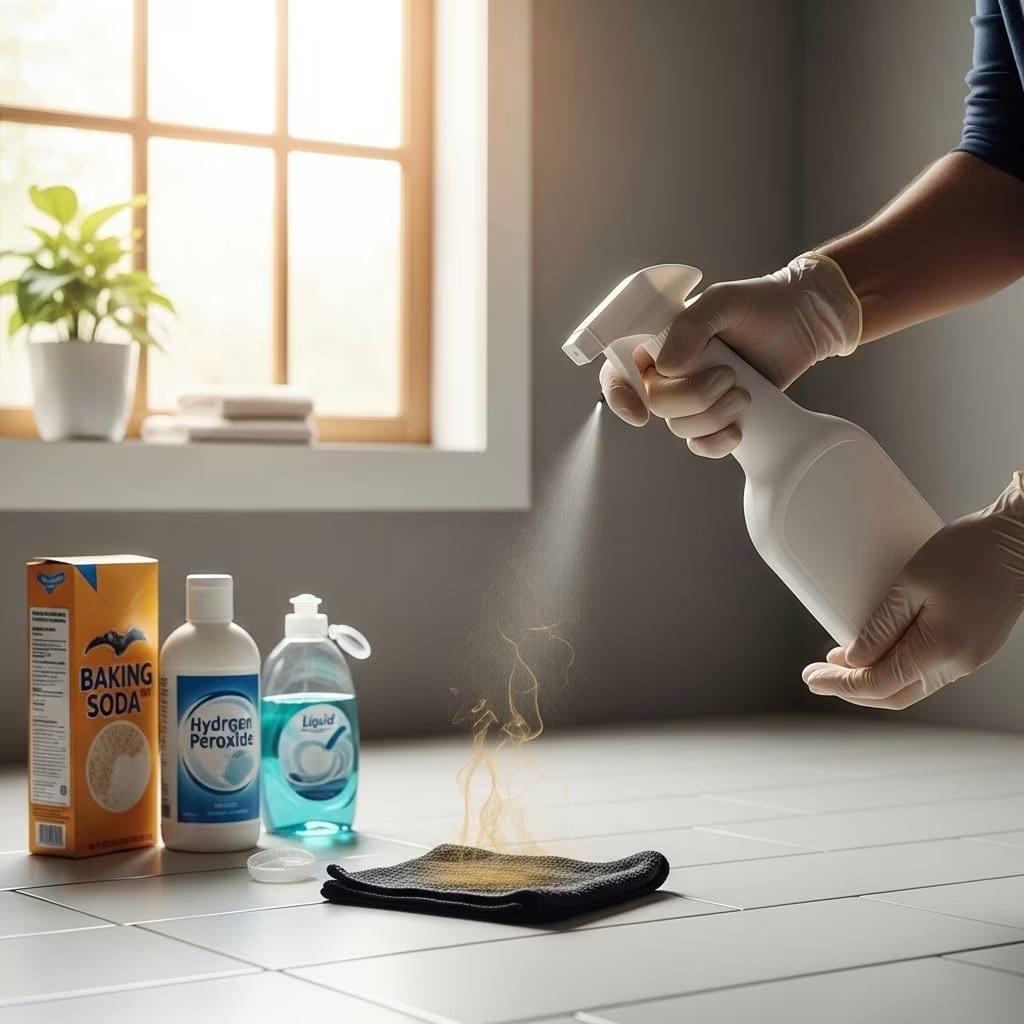
- 1 quart (approx. 950mL) of 3% hydrogen peroxide
- 1/4 cup baking soda
- 1-2 teaspoons liquid dishwashing detergent
Instructions for Use
- Mix all ingredients in an open container. Never store in a closed container! Oxygen can build up and potentially cause an explosion.
- Lather the solution into your pet’s fur. Avoid eyes, ears, and mouth.
- Let sit for 5 minutes (max). Hydrogen peroxide can bleach fur if left longer.
- Rinse thoroughly with water. Repeat if necessary.
Precautions:
- Do not allow any of the mixture into your pet’s eyes. Rinse eyes carefully with cool water if exposed.
- Do not pre-mix or store leftover solution. Discard any remains safely after a single use.
- Hydrogen peroxide may lighten some dark-colored fur after repeated or prolonged use.
Commercial pet deodorizers are available if preferred, including:
- Skunk-Off®
- Odormute
- Nature’s Miracle Skunk Odor Remover
Follow label instructions specifically and perform a patch test on fur before full-body application.
How To Remove Skunk Smell From Clothes
Clothing and fabrics trap skunk odor easily. Depending on the severity, some items may need to be discarded. For salvageable fabrics:
- Remove clothing immediately and keep outside to avoid contaminating the home.
- Presoak washable fabrics in a mixture of one part vinegar and four parts water for 1-2 hours before laundering.
- Launder with the hottest water safe for the fabric, using a strong detergent and ½ cup baking soda in the wash cycle.
- Air dry items outdoors; never use a dryer until you’re certain the odor is gone, as heat can set the smell permanently.
- Repeat the process for stubborn odors.
- Heavily sprayed items may not be fully salvageable; consider disposal if stench remains after multiple attempts.
How To Remove Skunk Smell From Cars
Cars with skunk odor quickly become unbearable. Ventilation and thorough cleaning are required:
- Immediately open all windows and doors to let the car air out.
- Interiors: Mix water, hydrogen peroxide, and baby shampoo. Wipe upholstery, carpets, and mats with the solution, using a damp cloth rather than soaking surfaces.
- Alternatively, mix one part bleach with nine parts water (1:9 ratio) and spot-clean hard, non-fabric surfaces (test on a hidden area first, as bleach can discolor fabrics).
- Clean exterior and tires using water and car-wash detergent.
- Use commercial odor removers (e.g., Skunk-Off® or Odormute) for stubborn odors inside and on air conditioning system intakes.
- Place open containers of vinegar or activated charcoal inside the car for several hours to absorb lingering smells.
Do not operate your vehicle until the odor is tolerable; lingering fumes can irritate eyes and respiration.
How To Eliminate Skunk Smell Indoors
When skunk smell invades your home, targeted and broad approaches are needed for full removal:
- Ventilate rooms thoroughly: Open all windows and use fans to direct air flow outwards.
- Clean affected areas immediately: Hard surfaces can be wiped down with vinegar-water solutions (50:50 mix). Rugs, curtains, and upholstered furniture should be steam-cleaned if possible.
- Use bowls of white vinegar placed around the rooms to absorb airborne odor molecules.
- Launder all contaminated linens and soft goods as soon as possible, following the clothing protocol above.
- Clean air ducts and replace HVAC filters if the odor has entered your ventilation system.
- Air purifiers with activated carbon filters can help capture residual odor from the air.
- If needed, use commercial skunk odor removers per manufacturer instructions.
How To Remove Skunk Odor Outdoors
Outdoor skunk odor often dissipates over time, but you can accelerate removal:
- Spray contaminated areas (porches, decks, walkways) with a 50:50 mix of vinegar and water.
- Rinse with water after allowing it to soak for 10–15 minutes.
- Shovel, rake, or remove contaminated soil or debris in extreme cases.
- Let sunlight and fresh air do their work; UV rays can help break down odorous compounds.
Natural Remedies and DIY Odor-Fighting Solutions
Many households prefer natural alternatives to harsh chemicals. Here are a few time-tested skunk smell removers:
- White vinegar: Breaks down skunk oil and absorbs odor. Use diluted or place bowls in affected rooms.
- Baking soda: Effective as a bath for people, mixed into pet deodorizers, or sprinkled onto carpets before vacuuming.
- Lemon juice: Mild acid that can help neutralize odors on skin or fabrics.
- Essential oils: Not an odor neutralizer, but can mask residual odors; use sparingly and avoid applying directly to pet fur or sensitive skin.
- Activated charcoal: Absorbs odor from the air; use sachets or open containers in rooms or cars.
Commercial Skunk Odor Removers
Severe or persistent odors may require commercial products designed specifically for skunk spray removal. Popular options include:
- Skunk-Off®
- Odormute
- Nature’s Miracle Skunk Odor Remover
- BioKleen Bac-Out
Always follow manufacturer directions. Some products are specialized for use on fabrics, others are safe for pets—check labels accordingly.
Skunk Prevention and Odor Avoidance Tips
- Remove food attractants: Secure garbage cans, keep pet food inside, and clear fallen fruit from yards.
- Block skunk access: Seal crawl spaces, decks, and sheds where skunks might burrow or shelter.
- Install motion-activated lights or sprinklers to deter night visits.
- Keep pets on leashes at night to prevent encounters.
- Use natural repellents (like predator urine, citrus peels, or commercial deterrents) to discourage skunks from entering your property.
DIY Skunk Odor Removers vs. Commercial Products
| Method | Best For | Advantages | Limitations |
|---|---|---|---|
| DIY Peroxide-Baking Soda Mixture | Pets, some fabrics | Cheap, accessible, customizable | May bleach fur/fabric, not storable |
| Vinegar-Water Solution | Surfaces, air, fabrics | Natural, effective deodorizer, widely safe | Strong initial vinegar odor |
| Commercial Odor Remover | Severe or persistent cases | Targeted, tested, easy to use | More expensive, may have harsh chemicals |
Frequently Asked Questions (FAQs)
How long does skunk smell last if untreated?
Skunk odor can linger from three weeks to several months if not properly treated, particularly on porous materials and inside homes.
Can tomato juice remove skunk odor?
No scientific evidence supports the effectiveness of tomato juice for breaking down skunk thiols. Its use is merely to mask, not neutralize, the smell.
What if my pet gets “skunked” in the face?
If your pet’s face is sprayed, rinse with plenty of cool water and apply the de-skunking solution carefully, avoiding the eyes. For eye exposure, flush with sterile saline or cool water and consult a veterinarian if irritation persists.
Are skunk sprays harmful to health?
Generally, skunk sprays are not toxic to humans or pets, but they can cause temporary eye, skin, or respiratory irritation. Prolonged or repeated exposure should be avoided.
What’s the best way to eliminate skunk odor from inside a house?
Combine thorough cleaning (especially contaminated fabrics and hard surfaces) with ventilation, vinegar bowls, and air purifiers. Repeat as necessary until the odor vanishes.
Summary Tips for Effective Skunk Smell Removal
- Act fast to break down and neutralize the odor before it sets in.
- Use correct products and mixtures for the appropriate surfaces and materials.
- Ventilate affected spaces well during and after cleaning.
- Repeat the process for persistent smells.
- Prevent future incidents through property management and pet safety.
Getting rid of skunk odor takes diligence, the right supplies, and often several rounds of effort. However, with quick action, patience, and these proven remedies, you can restore your home, pets, and belongings to their fresh, odor-free state.
References
- https://www.homesandgardens.com/gardens/how-to-get-rid-of-skunk-smell
- https://www.stylecraze.com/articles/how-to-get-rid-of-skunk-smell/
- https://advertiser-tribune.com/news/631386/getting-rid-of-skunk-odors/
- https://www.masterclass.com/articles/how-to-get-rid-of-skunk-smell-on-dog
- https://www.sciencebuddies.org/science-fair-projects/project-ideas/Chem_p104/chemistry/how-to-remove-skunk-odor