


How to Treat Chigger Bites: 17+ Remedies and Prevention Tips
If you’ve ever experienced the relentless itch of a chigger bite, you know just how desperate the search for relief can be. Chiggers, also known as harvest mites, are tiny arachnids whose bites can trigger intense itching, red welts, and discomfort lasting for days. Fortunately, a range of reliable remedies and preventive steps can help lessen symptoms and prevent future bites. In this guide, you’ll learn how to immediately address chigger bites, discover over 17 proven at-home remedies, and pick up essential tips for keeping chiggers away in the future.
Understanding Chiggers and Their Bites
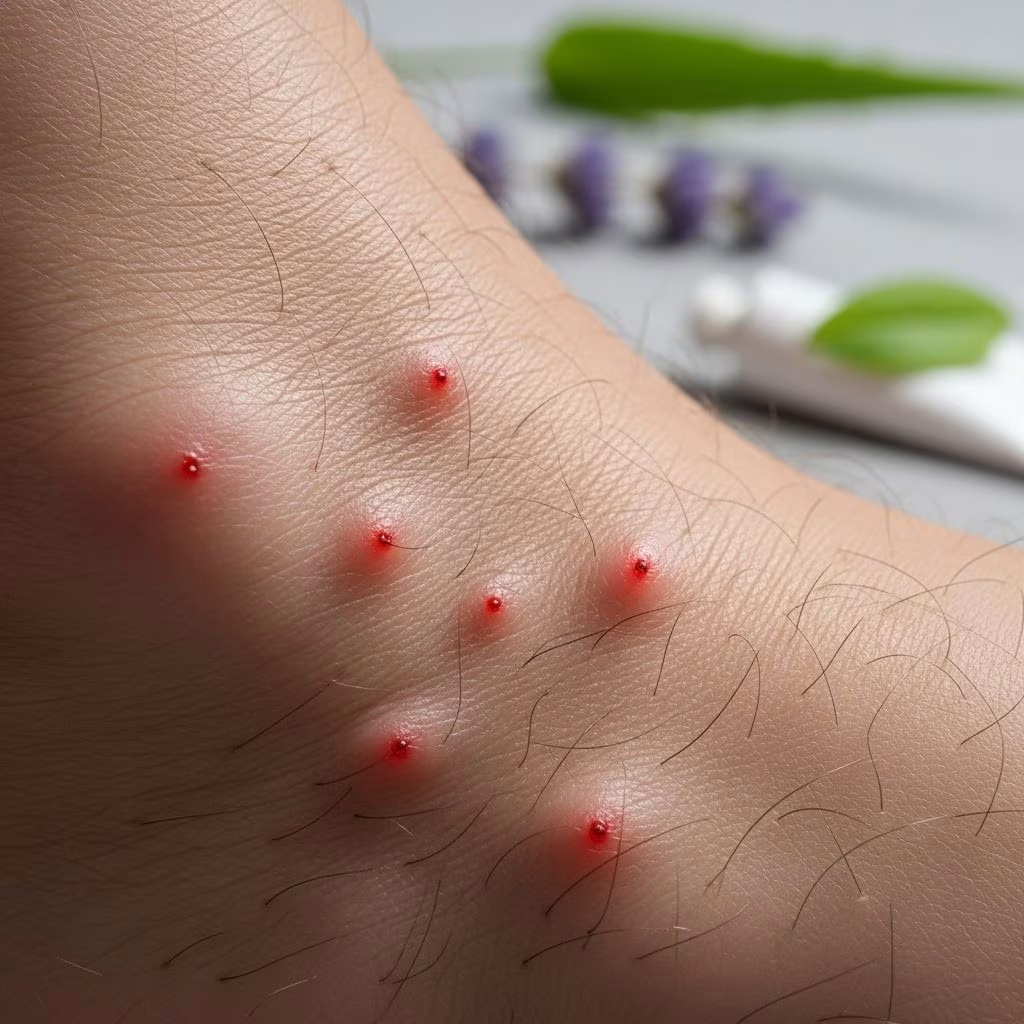
Chiggers are the larval form of tiny mites found in grassy and wooded areas, particularly in late spring and summer. These near-microscopic arachnids attach to your skin and feed on the outer layer, injecting enzymes that cause the tell-tale itching, swelling, and redness. The bites often manifest as clusters of small, red bumps, sometimes with a bright red center and surrounding inflammation. While chigger bites are not dangerous or contagious, the resulting scratching can lead to skin irritation or infection.
Immediate Steps After Chigger Exposure
Quick response can help reduce the severity of chigger bites and prevent further irritation.
- Bathe Immediately: As soon as you suspect chigger exposure, take a hot, soapy shower. Use a washcloth to vigorously scrub all areas—this removes any lingering chiggers from your skin before they finish feeding and detaches remaining larvae.
- Wash Clothing and Gear: Launder all clothing, shoes, blankets, or towels that were in chigger-infested areas using hot water and detergent. This kills any lingering chiggers on fabrics.
- Avoid Scratching: Try not to scratch the affected area to reduce the risk of secondary skin infection.
17+ Remedies for Treating Chigger Bites
With the chiggers washed away, focus on relief, healing, and avoiding infection. The following expert-backed treatments are safe and effective for most people. Always check with a healthcare provider if you have allergies, pre-existing conditions, or if you notice any signs of infection.
1. Antihistamines
- Oral Antihistamines: Medications like diphenhydramine (Benadryl), loratadine (Claritin), cetirizine (Zyrtec), and fexofenadine (Allegra) can relieve itching and reduce swelling. Non-sedating options are best for daytime use, while Benadryl may be taken before bed if itchiness disrupts sleep.
2. Topical Anti-Itch Creams and Lotions
- Hydrocortisone Cream (1%): An over-the-counter corticosteroid that helps combat redness, swelling, and itching. Prescription-strength creams are available for severe cases—avoid overuse to prevent skin thinning.
- Calamine Lotion: A classic solution for relieving itching and drying oozing bites. Apply a thin layer to affected skin as needed.
- Menthol, Camphor, and Phenol Creams: Found in products like Sarna Anti-Itch Lotion and Chigarid, these compounds create a cooling sensation, temporarily relieving itchiness.
- Pramoxine-Containing Lotions: Pramoxine is a local anesthetic found in some anti-itch topical products, offering temporary numbing.
- Petroleum Jelly or Cold Cream: These can create a barrier on the skin and offer mild soothing (though they won’t suffocate chiggers, as explained later).
3. Colloidal Oatmeal Baths
- Soothing Bath: Adding colloidal oatmeal (available at most pharmacies) to a warm bath can reduce itch and inflammation, hydrate skin, and encourage healing. Soak for 15–20 minutes and pat skin dry.
4. Cold Compresses and Ice Packs
- Apply Cold Compress: A chilled, damp towel or an ice pack wrapped in soft fabric numbs the skin, reduces swelling, and soothes the urge to scratch. Apply for 10–15 minutes several times a day.
5. Over-the-Counter Pain Relievers
- Ibuprofen (Advil) and Acetaminophen (Tylenol): These medications can relieve general pain, reduce inflammation, and ease discomfort from severe chigger bites.
6. Essential Oils (with Caution)
- Soothing Oils: Diluted tea tree, lavender, camphor, basil, or rosemary essential oil may help reduce itch due to their natural anti-inflammatory properties. Always dilute essential oils with a carrier oil and avoid using them on broken skin or near eyes.
- Chigger Repellency: Some essential oils, like clove and eucalyptus globulus, have been shown to repel chiggers in scientific studies.
7. Antiseptic Ointments
- Prevents Infection: Applying a topical antiseptic (e.g., Neosporin) after scratching can reduce the risk of bacterial infection in broken or irritated skin.
8. Baking Soda Paste
- DIY Relief: Mix baking soda with a small amount of water into a thick paste. Apply to bites for 10–15 minutes. Rinse gently. This can reduce itch and irritation.
9. Aloe Vera Gel
- Natural Soothing: Fresh aloe or over-the-counter aloe gel cools the skin, reduces redness, and helps with healing. Lightly massage into the affected area several times daily.
10. Apple Cider Vinegar
- Traditional Remedy: Dab full-strength apple cider vinegar onto bites using a cotton ball. Its acetic acid content may aid mild disinfection and light itch relief (avoid on abraded skin).
11. Witch Hazel
- Astringent Action: Dabbing witch hazel to the site can reduce itching and inflammation via its natural astringency.
12. Epsom Salts Bath
- Mineral Soak: Dissolve Epsom salts in a warm bath to help decrease swelling and provide skin comfort.
13. Honey
- Antibacterial Relief: Dab a small amount of raw honey on bites. Honey is a natural antibacterial and can potentially prevent infection while soothing inflamed skin.
14. Over-the-Counter Bug Bite Sticks
- Convenient Relief: Products containing ammonia, menthol, or benzocaine offer targeted relief in a handy applicator.
15. Hydration and Skin Moisturizing
- Prevent Dryness: Keep skin moisturized to support healing and minimize secondary irritation. Use fragrance-free lotions after bathing.
16. Keep Fingernails Trimmed
- Hygiene: Short nails decrease the risk of breaking the skin when scratching, reducing infection risk.
17. Wear Loose, Soft Clothing
- Comfort: Tight or synthetic fabrics can irritate bites and make itching worse. Wear loose, breathable cotton whenever possible while healing.
18. Let the Bites Heal
- Time: Uncomplicated chigger bites almost always improve and disappear within several days to a couple of weeks, provided scratching is avoided and the area is kept clean.
How to Prevent Chigger Bites
Avoiding chigger bites in the first place is far easier than having to treat them. Here’s how to protect yourself during chigger season:
- Dress Defensively: Wear long-sleeved shirts, full-length pants (tucked into boots or socks), a hat, and closed shoes when venturing into tall grass, brush, or wooded areas.
- Use Chigger Repellents: Apply insect repellents containing DEET (at least 20%) or permethrin to clothing and exposed skin according to product instructions.
- Avoid Tall Grasses: Stick to maintained trails, avoiding tall grass, weedy patches, and brushy edges where chiggers thrive.
- Yard Maintenance: Regularly mow lawns and clear brush around your home to reduce suitable chigger habitats.
- Shower and Change Quickly: After outdoor adventures, shower promptly and wash exposed clothes in hot soapy water.
Common Myths and What Not to Do
| Myth | Reality |
|---|---|
| You can suffocate chiggers after bites by applying nail polish, gasoline, or petroleum jelly. | This doesn’t work—by the time the itching starts, chiggers are usually gone. These home remedies are not recommended and may cause skin irritation. |
| Chiggers burrow under your skin. | They do not burrow; they insert feeding tubes into the top layers of your skin, which causes the itching reaction. |
| Oral anti-parasite drugs are needed to treat chiggers. | Anti-parasite drugs (like ivermectin) are for other parasites, not chiggers. Chigger bites almost always resolve with supportive care. |
When to See a Doctor
- Severe Reactions: If you experience swelling of the face or throat, difficulty breathing, or rapidly spreading rash, seek emergency care.
- Signs of Infection: Look for increased redness, warmth, pus, or severe pain at the bite site. If present, make an appointment for medical evaluation. Oral or topical antibiotics may be necessary.
- Persistent Itch or Rash: If the itching continues for more than 2 weeks, or the rash becomes widespread or is accompanied by other symptoms, contact your doctor for further advice.
Frequently Asked Questions (FAQs)
Q: What do chigger bites look like?
A: Chigger bites typically appear as clusters of small, red, itchy bumps—sometimes with a red center. They are often found in areas where clothing fits tightly, such as around waistbands, ankles, or behind knees.
Q: How long do chigger bites last?
A: Most chigger bites heal within 1–2 weeks, as long as you avoid excessive scratching and keep the area clean.
Q: Can chiggers infest pets?
A: Yes, pets can get chigger bites, though symptoms may include scratching, redness, or small skin sores. Consult your veterinarian for pet-safe treatment options.
Q: Are chiggers contagious?
A: Chiggers are not contagious. Once removed from clothing and skin, they cannot be transferred to others.
Q: Will chigger bites spread if I scratch them?
A: The bites themselves do not spread, but scratching may open the skin and lead to secondary infections, making the rash worse.
Q: Is it necessary to see a doctor for every chigger bite?
A: Most cases do not require medical attention, but see a healthcare provider if symptoms worsen, do not improve after 2 weeks, or signs of infection develop.
References
- https://www.healthline.com/health/home-remedies-for-chigger-bites
- https://health.students.vcu.edu/media/student-affairs-sites/ushs/docs/CHIGGERS.pdf
- https://www.afcurgentcare.com/blog/6-home-remedies-for-chigger-bites-for-fast-relief/
- https://www.baptisthealth.com/blog/family-health/what-you-need-to-know-about-chigger-bites
- https://www.webmd.com/skin-problems-and-treatments/prevent-treat-chigger-bites
- https://kidshealth.org/en/parents/chiggers.html
- https://agrilifetoday.tamu.edu/2024/05/24/chigger-season-tips-to-beat-the-itch/
- https://extension.msstate.edu/blogs/extension-for-real-life/chiggers-step-away-the-nail-polish


