


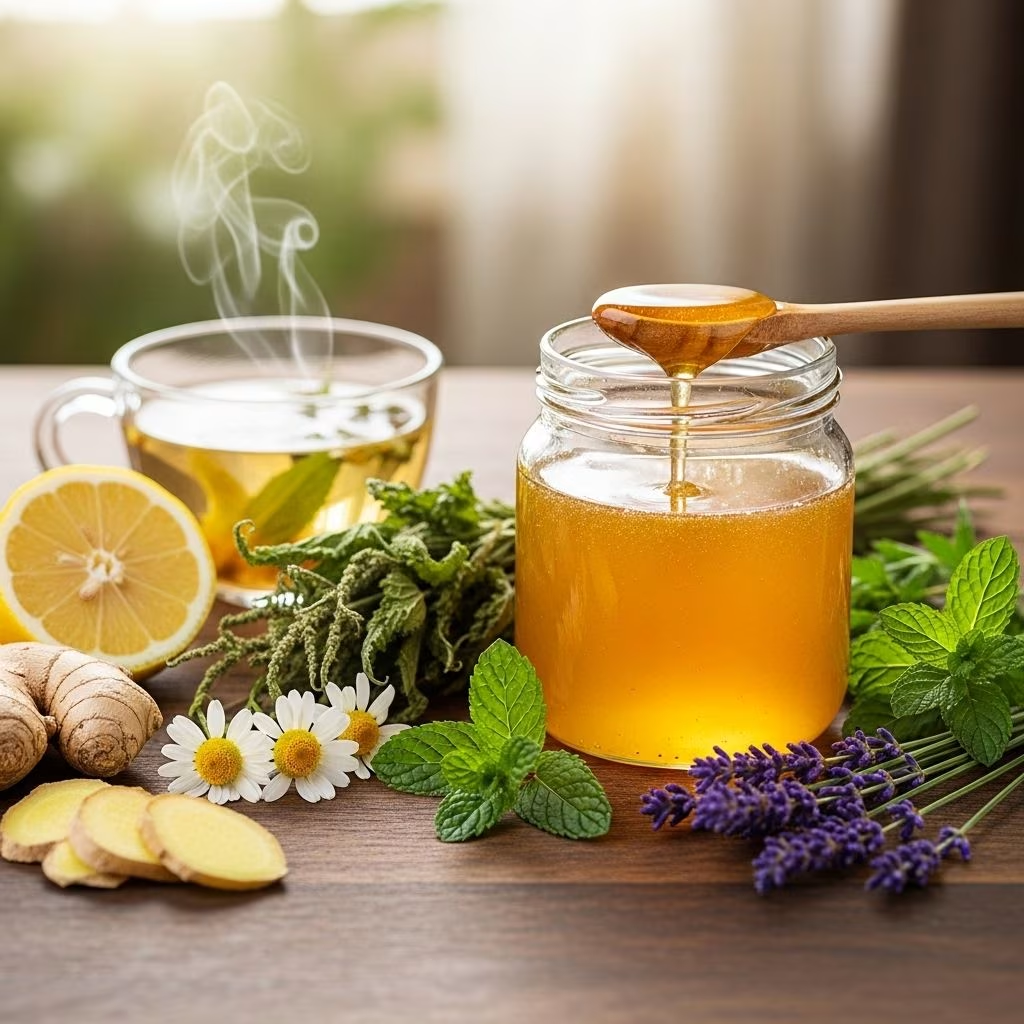
Introduction to Seasonal Allergies
Seasonal allergies, often referred to as hay fever or allergic rhinitis, occur when your body reacts to airborne substances like pollen or mold. Symptoms can range from mild irritation to severe discomfort and include sneezing, congestion, itchy eyes, and skin irritation. While over-the-counter and prescription medications are available, many people seek natural remedies for relief.
Understanding Seasonal Allergens
Seasonal allergies are primarily caused by pollen from trees, grasses, and weeds. The symptoms are most prevalent during spring, summer, and fall when pollen counts are high. Mold is another common allergen that can exacerbate symptoms. To manage allergies, it’s crucial to know when pollen counts are highest and take steps to minimize exposure.
Natural Remedies for Seasonal Allergies
Here are some natural remedies that can help alleviate symptoms:
Saline Nasal Irrigation
Saline nasal irrigation involves flushing your nasal passages with a saline solution to remove allergens and reduce inflammation. This practice is effective in reducing nasal symptoms such as congestion and sneezing.
Butterbur (Petasites hybridus)
Butterbur is a herbal remedy that may help improve nasal symptoms and congestion. However, its effectiveness compared to antihistamines is still under investigation.
Bromelain
Bromelain, found in papaya and pineapple, is a digestive enzyme that may reduce inflammation and improve breathing.
Acupuncture
Acupuncture has been shown to have positive short- and long-term effects on allergic rhinitis with minimal side effects. However, more research is needed to fully understand its benefits.
Perilla (Perilla frutescens)
Perilla is an herbal remedy that can help alleviate nasal congestion, sinusitis, allergic asthma, and eye irritation. It also has antidepressant properties and can boost serotonin levels.
Sea Buckthorn (Hippophae rhamnoides)
Sea buckthorn is rich in nutrients and can improve respiratory health. It is beneficial for people suffering from allergic rhinitis and asthma.
Quercetin and Vitamin C
Quercetin and vitamin C have natural antihistamine properties and can help reduce allergic responses.
Honey and Steam Therapy
Local raw honey may help desensitize the body to pollen, while steam inhalation can relieve sinus congestion. Adding essential oils like eucalyptus or peppermint can enhance these effects.
Home Remedies for Quick Relief
Besides herbal and dietary remedies, there are several home remedies that can provide quick relief:
- Neti Pots: Use a neti pot to rinse your nasal passages with saline solution.
- HEPA Filters: Install HEPA filters in your home to reduce airborne allergens.
- Herbal Infusions: Drink infusions made from herbs like nettle, peppermint, and chamomile to soothe symptoms.
- Essential Oils: Use essential oils like eucalyptus and peppermint in steam inhalation for decongestant effects.
Prevention and Lifestyle Changes
To minimize allergy symptoms, consider the following lifestyle adjustments:
- Monitor Pollen Counts: Check pollen forecasts to plan your day accordingly.
- Avoid Outdoor Activities During Peak Pollen Hours: Stay indoors between 5:00 AM and 10:00 AM when pollen counts are highest.
- Keep Your Home Clean: Regularly clean your home, especially areas where allergens accumulate.
- Use Air Conditioning: Keep windows closed and use air conditioning to filter out pollen.
Frequently Asked Questions (FAQs)
Q: How do I know if I have seasonal allergies?
A: Seasonal allergies are characterized by symptoms like sneezing, runny nose, itchy eyes, and congestion that occur during specific times of the year.
Q: What is the difference between seasonal allergies and a cold?
A: Seasonal allergies cause persistent symptoms that last as long as you are exposed to the allergen, whereas cold symptoms typically resolve in a few days.
Q: Are natural remedies effective for everyone?
A: While natural remedies can provide relief for many people, their effectiveness may vary. It’s important to consult a healthcare provider before starting any new treatments.
Conclusion
Natural remedies offer a valuable approach to managing seasonal allergy symptoms. By incorporating these remedies into your routine, you can reduce your reliance on conventional medications and improve your quality of life.
References
- https://www.dedicated.care/articles/best-natural-remedies-seasonal-allergies
- https://www.mayoclinic.org/diseases-conditions/hay-fever/in-depth/seasonal-allergies/art-20048343
- https://www.healthline.com/health/home-remedies-for-allergies
- https://thrive-peds.com/natural-remedies-for-seasonal-allergies/
- https://www.cigna.com/knowledge-center/natural-remedies-for-seasonal-allergies
- https://www.sinusandallergywellnesscenter.com/blog/allergic-rhinitis-6-herbal-remedies-to-try-sinus-allergy-wellness-clinic
- https://www.franciscanhealth.org/community/blog/spring-into-action-coping-with-pollen-allergies
- https://www.youtube.com/watch?v=H2DIcKgpKoE
- https://www.beckerentandallergy.com/blog/allergy-home-remedies


