


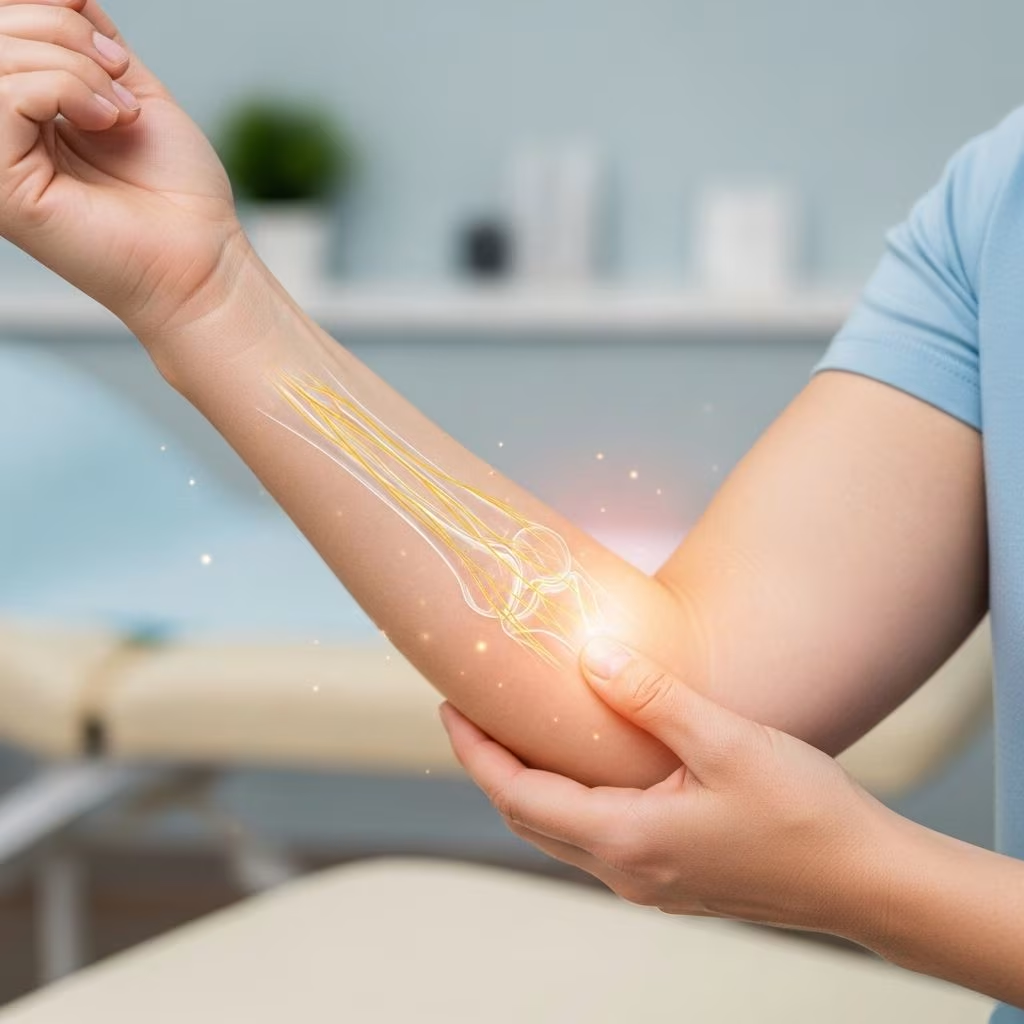
How to Treat Cubital Tunnel Syndrome Without Surgery
Cubital tunnel syndrome is a common nerve compression condition, caused by pressure or stretching of the ulnar nerve as it passes through the tunnel on the inside part of your elbow. It can lead to pain, numbness, tingling, and weakness in your hand or fingers. Non-surgical interventions are often effective, especially when symptoms are recognized and addressed early. This guide presents the most evidence-based, practical non-surgical treatment strategies for cubital tunnel syndrome, including lifestyle modifications, physical therapy, splinting, medication use, and more.
Understanding Cubital Tunnel Syndrome
Cubital tunnel syndrome results from compression or irritation of the ulnar nerve at the elbow. This condition often manifests as:
- Numbness and tingling—typically in the ring and little fingers.
- Pain—on the inner side of the elbow or forearm.
- Weakness—especially in grip strength and fine motor tasks.
Without proper management, these symptoms can progress, potentially resulting in muscle wasting and permanent nerve damage. Thus, early intervention with non-surgical methods is essential.
Non-Surgical Treatment Approaches
The primary goal of non-surgical management is to reduce pressure on the ulnar nerve, alleviate symptoms, and preserve hand function. The following approaches are supported by clinical research and expert consensus:
1. Activity Modification
Changing your daily habits can substantially decrease stress on the nerve and support healing:
- Avoid prolonged elbow flexion: Keep your elbow as straight as possible, especially when sleeping or talking on the phone. Positions where your elbow is highly bent—such as resting your chin on your hand or tucking your arm behind your head—significantly increase nerve pressure.
- Take regular breaks: If your occupation or hobbies require repetitive elbow movement or pressure, pause periodically to straighten your arm and stretch gently.
- Elbow positioning: Try not to rest your elbows on hard surfaces.
- Workplace ergonomics: Adjust your work environment with ergonomic chairs, properly positioned computer monitors, and keyboards to facilitate a neutral elbow position.
- Use elbow pads: For extra protection during repetitive tasks or activities prone to elbow bumps.
Simple adjustments, such as sleeping with your arm outstretched or using a headset instead of holding a phone, can significantly decrease symptoms for many patients.
2. Splinting and Bracing
Immobilizing the elbow—especially at night—can prevent aggravating movements and decrease nerve compression:
- Night splints: Specially designed braces keep the elbow straight while you sleep, reducing unintentional flexion that may worsen symptoms.
- Daytime braces or elbow pads: These devices are helpful during activities likely to trigger symptoms—such as typing or manual labor—by cushioning the ulnar nerve and restricting excessive movement.
Modern splints are often comfortable, lightweight, and easy to use, improving adherence for most patients.
3. Physical Therapy
Targeted physical therapy is a cornerstone of non-surgical management. The main components include:
- Nerve gliding exercises: These gentle movements are designed to enhance the ulnar nerve’s mobility through the cubital tunnel, reducing adhesion and irritation. Regularly performing these exercises may improve symptoms and prevent recurrence.
- Strengthening exercises: Focus on strengthening the muscles of the forearm and elbow, supporting the joint, and reducing compressive forces on the nerve.
- Modalities: Physical therapists may incorporate electrical stimulation, ultrasound, and ice or heat therapy to manage inflammation and alleviate pain.
- Range-of-motion training: Encourages flexibility and normal function, helping to counteract any stiffness resulting from splinting or prolonged inactivity.
A physiotherapist will develop a customized regimen based on your unique needs and the stage of your symptoms.
4. Medication
Pharmacologic management can be a useful adjunct for symptom relief in acute or moderate stages:
- Nonsteroidal anti-inflammatory drugs (NSAIDs): Over-the-counter options such as ibuprofen or naproxen can help control pain and inflammation.
- Topical anti-inflammatories: Creams and gels containing NSAIDs are sometimes used for targeted relief.
- Corticosteroid injections: In select cases, an experienced clinician may recommend steroid injections to decrease inflammation around the nerve. However, these are less commonly used for cubital tunnel syndrome due to the risk of additional nerve damage.
Always consult a healthcare provider before starting or changing medication.
5. Ergonomic Workstation Setup
Adapting your workspace is a practical way to reduce strain on the ulnar nerve, particularly if you work at a computer or desk job. Consider:
- Chair height and arm rests: Adjust so your elbows stay close to a 90-degree angle and are supported without compression.
- Keyboard and mouse placement: Both tools should be at the same height as your elbows to avoid overextension or excessive bending.
- Frequent posture checks: Remind yourself to maintain relaxed shoulders, wrists, and elbows.
This approach maximizes recovery rates and prevents recurrence.
6. Combining Approaches for Best Results
A multi-modal, personalized treatment plan is most likely to yield positive results:
- Integrate lifestyle modifications (activity changes, ergonomic adjustments) with splinting and targeted therapy for optimal effect.
- Medications can offer short-term relief, while consistent therapy and nerve gliding exercises help address the root causes.
- Consultation with a specialist ensures that interventions are right for your stage and severity.
Most patients notice a significant reduction in numbness, pain, and weakness within a few weeks to months of dedicated non-surgical care.
What About Surgery?
While most people benefit from conservative management, surgery may be considered in the following situations:
- Symptoms are severe or worsening, with clear evidence of muscle loss (atrophy) or persistent weakness.
- Non-surgical interventions have failed to provide significant relief over several months.
- There is direct evidence of significant or irreversible nerve damage on clinical examination or electrodiagnostic testing.
In such cases, procedures like ulnar nerve decompression or transposition are performed by orthopedic or hand surgeons. However, these are reserved for minority cases where comprehensive non-surgical treatment is ineffective or when nerve health is clearly deteriorating.
Main Non-Surgical Treatments for Cubital Tunnel Syndrome at a Glance
| Treatment Method | Purpose | When to Use |
|---|---|---|
| Activity Modification | Reduces daily elbow stress | First line, always recommended |
| Splinting/Bracing | Keeps elbow straight | Mostly at night, during risk activities |
| Physical Therapy | Improves nerve mobility, strengthens muscles | As prescribed by therapist |
| NSAIDs | Controls pain/inflammation | As needed for symptoms |
| Ergonomic Adjustments | Prevents recurrence, aids healing | Essential in work/home settings |
| Corticosteroid Injections | Reduces swelling, pain (select cases) | Rarely, under clinical supervision |
Frequently Asked Questions (FAQs)
Q: How long does it take for cubital tunnel syndrome to improve with non-surgical treatment?
A: Many patients start noticing symptom relief within a few weeks to several months. Improvement depends on the severity of symptoms, your adherence to modifications and therapy, and any underlying health conditions. Early intervention leads to the best outcomes.
Q: Can I continue sports or manual work during recovery?
A: Mild to moderate activity is usually safe if adjusted for ergonomics and without heavy elbow strain. Take regular breaks, avoid direct pressure on the elbow, and consult a therapist about returning to higher-impact activities.
Q: Are cortisone injections recommended for all patients?
A: No; while corticosteroid injections can reduce inflammation in select cases, they are not first-line therapy for cubital tunnel syndrome and carry a small risk of nerve injury. Use only under the direction of a specialist.
Q: When should I see a doctor?
A: If you experience persistent or worsening numbness, tingling, weakness, or any muscle loss in your hand—especially without improvement from conservative care—seek prompt evaluation by a medical professional.
Q: Will I eventually need surgery for cubital tunnel syndrome?
A: Most patients experience significant relief and avoid surgery with dedicated non-surgical treatment. Surgery is reserved for severe, unresponsive, or progressive cases with evidence of nerve damage.
Summary of Non-Surgical Treatment Principles
- Early recognition and activity modification can significantly decrease the likelihood of symptoms becoming chronic.
- Splinting—especially at night—helps prevent aggravating positions.
- Physical therapy plays a key role in symptom control and nerve function restoration.
- Medication offers symptomatic relief, but must be used thoughtfully and under medical advice.
- Combining treatment approaches increases the chance for a full and lasting recovery.
- Surgical intervention is rarely required if early and comprehensive conservative strategies are used.
References
This article synthesizes expert consensus and evidence-based recommendations from leading orthopedic, neurologic, and rehabilitation sources to provide a clear and comprehensive overview of non-surgical cubital tunnel syndrome management.
References
- https://rothmanortho.com/stories/blog/success-with-non-surgical-approaches-to-cubital-tunnel-syndrome
- https://pmc.ncbi.nlm.nih.gov/articles/PMC10382899/
- https://regionalhand.com/7-proactive-ways-to-effectively-treat-cubital-tunnel-syndrome/
- https://www.orthovirginia.com/non-operative-cubital-tunnel-syndrome-treatment/
- https://www.orthopedicsportsdoctor.com/blog/how-to-treat-cubital-tunnel-syndrome
- https://my.clevelandclinic.org/health/diseases/21997-cubital-tunnel-syndrome
- https://www.youtube.com/watch?v=a9BX5ifBowg
- https://www.hss.edu/health-library/conditions-and-treatments/cubital-tunnel-syndrome
- https://www.youtube.com/watch?v=sfVIl4uHrnQ


