


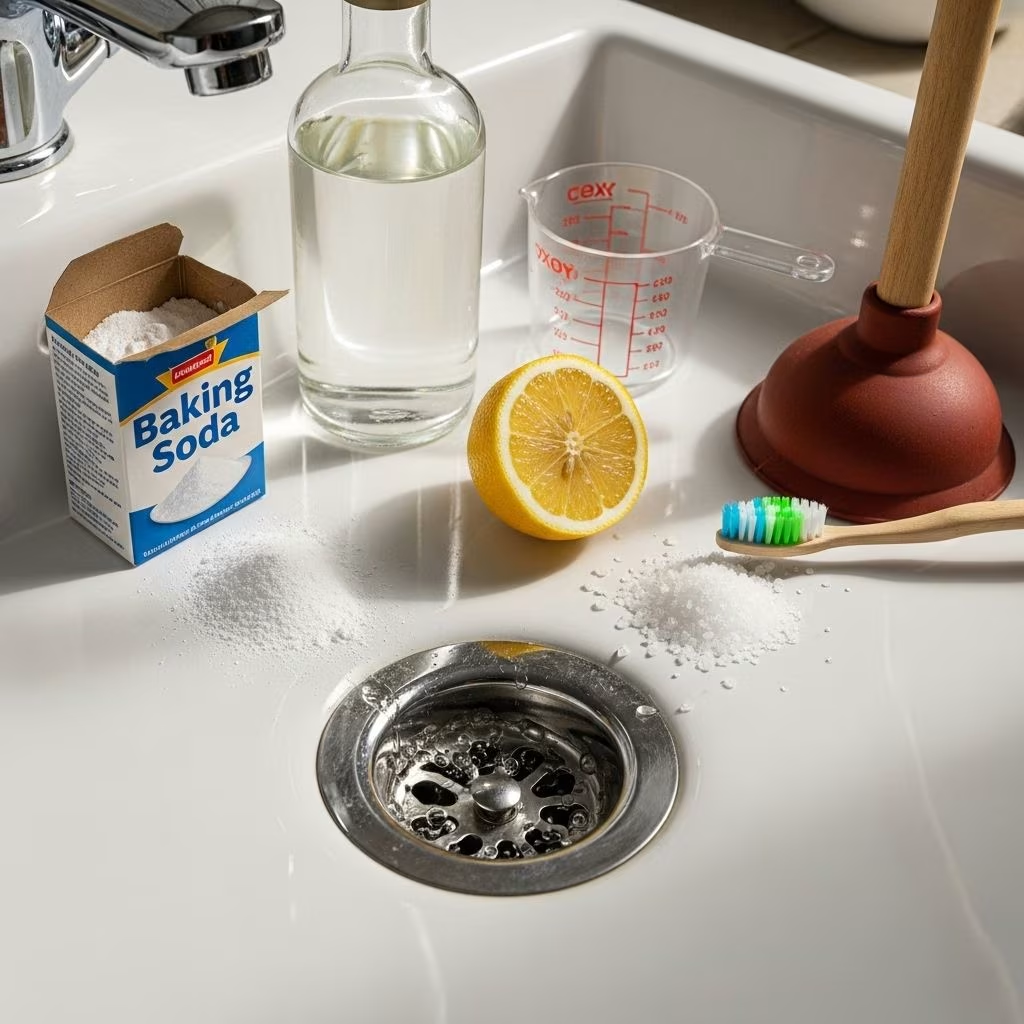
Clogged drains are a common household nuisance that can disrupt daily routines and lead to costly plumbing repairs if left unaddressed. Fortunately, many effective home remedies can tackle blockages without relying on harsh chemicals. These solutions are not only cost-friendly and convenient but also environmentally safe and easy on your plumbing system. This comprehensive guide explores proven methods, expert tips, and frequently asked questions to help you confidently tackle clogged drains with items you likely already have at home.
Why Choose Natural Home Remedies Over Chemical Drain Cleaners?
Chemical drain cleaners may offer swift results, but their use comes with several drawbacks:
- Pipe Damage: Corrosive chemicals eat away not only at the clog but also at your pipes, shortening their lifespan and risking leaks.
- Health Hazards: Fumes from chemical cleaners can be harmful if inhaled, causing respiratory distress and skin irritation.
- Environmental Impact: Chemicals flushed down the drain ultimately reach water systems, harming aquatic life and the broader ecosystem.
- Cost: Frequent use of store-bought cleaners adds ongoing expense for basic maintenance.
In contrast, natural remedies use common household ingredients, are generally safer for children and pets, and protect both your pipes and the environment.
Common Causes of Clogged Drains
Understanding the main culprits behind drain blockages helps you choose the best remedy and adopt good habits for prevention. Typical causes include:
- Grease and Fat Buildup: Lipids from cooking can solidify inside pipes, especially after cooling.
- Hair: Hair collects in shower, tub, and bathroom sink drains, binding with soap to create persistent clogs.
- Soap Scum: Soap residue gradually narrows pipe diameter and collects other particles.
- Food Debris: Bits of food and coffee grounds accumulate in kitchen sinks, causing slow drainage.
- Mineral Deposits: Hard water leaves scale that restricts water flow.
- Foreign Objects: Accidental drops of small items can form immediate blockages.
Effective Home Remedies to Unclog Drains
1. Hot Water and Dish Soap
This method is especially effective for grease blockages:
- Bring about two liters (half a gallon) of water to a near-boil.
- Add two to four tablespoons of liquid dish soap.
- Slowly pour the mixture down the drain in stages, allowing it to work through the clog.
- Repeat once or twice as needed, flushing with plain hot water at the end.
How it works: The soap breaks down and lubricates greasy residues, while the heat melts fat accumulations. This is ideal for kitchen sinks where oil and fat collect.
2. Baking Soda and Vinegar
The classic reaction between baking soda (sodium bicarbonate) and vinegar (acetic acid) produces carbon dioxide bubbles and a fizzy reaction that scours pipe interiors.
Instructions:
- Pour 1/2 to 1 cup of baking soda directly into the drain.
- Follow with 1/2 to 1 cup of white vinegar.
- Plug the drain (using a stopper or covering with a rag) to keep the reaction inside the pipe and let it sit for 30 minutes to 1 hour.
- Bring a large pot of water to a boil, then pour it down the drain to flush out loosened material.
- Repeat as needed for tough or persistent clogs.
This technique works well for organic build-up (such as hair, food debris, and soap scum), is environmentally friendly, and safe for most pipes.
3. Salt, Borax, and Vinegar
This multi-ingredient approach is recommended when other remedies fall short:
- Mix 1/4 cup each of salt and Borax, add 1/2 cup vinegar.
- Pour this mixture into the affected drain.
- Flush with a pot of boiling water.
- Let it sit for an hour or more, then rinse with hot tap water.
Each ingredient targets a different aspect of the clog: salt scours; borax disinfects and deodorizes; vinegar dissolves mineral and organic build-up.
4. Baking Soda and Salt
For stubborn clogs:
- Combine 1/2 cup each of baking soda and table salt.
- Pour into the drain and let it sit for a minimum of 30 minutes, but overnight offers better results.
- Flush thoroughly with boiling water.
The higher the severity of the clog, the longer you should allow this mixture to act before flushing.
5. Mechanical Methods: Plungers, Hangers, Snakes
- Plunger: Suitable for sinks and tubs, especially where food or hair is lodged beyond easy reach. Fill the sink/tub partially with water, use a flat-bottomed sink plunger, and plunge vigorously to create suction that dislodges debris.
- Wire Coat Hanger: Straighten a metal hanger, leaving the hook intact. Carefully push it down the drain and twist or scoop up debris (especially hair clogs). Dispose of waste and flush with hot water.
- Drain Snake: A longer, flexible tool (manual or powered) is designed to reach deeper blockages and is highly effective for tough obstructions.
6. Other Natural Home Remedies
- Lemon Juice: The citric acid can help dissolve minor buildups, and it leaves a pleasant scent. Add lemon juice after baking soda in the baking soda & vinegar method for extra cleaning power.
- Boiling Water Alone: Especially helpful for minor, early-stage clogs and can be used regularly as preventive maintenance.
| Method | Best For | How Often | Pipe Safety |
|---|---|---|---|
| Hot Water & Dish Soap | Grease, fresh blockages | Weekly or as needed | Safe for all pipes |
| Baking Soda & Vinegar | Organic clogs, odors | Monthly | Safe for most pipes |
| Baking Soda & Salt | Stubborn clogs | As needed | Safe |
| Plunger | Physical blockages | As required | Safe, but ensure proper use |
| Wire Hanger / Drain Snake | Hair, deep debris | As needed | Use gently to avoid scratching pipes |
DIY Tools and Equipment for Clearing Drains
- Sink Plunger: Always choose a flat-bottomed plunger for sinks, not flanged (toilet) plungers.
- Drain Snake (Auger): A flexible coil that reaches further down the drain than a hanger, excellent for compact or deep clogs.
- Bottle Brush: Can be used to physically scrub or pull out grime near the surface of the drain.
- Rubber Gloves: Protect your hands and allow a better grip when removing visible debris.
- Pipe Brush or Toothbrush: Helpful for scrubbing drain covers and the upper reaches of a clogged pipe.
Tips for Preventing Future Drain Clogs
- Never pour fat, oil, or grease down the kitchen sink. Instead, collect these materials in a can or jar and dispose of them in the trash.
- Install drain screens or guards to catch food bits, hair, and other debris before they go down the drain.
- Clean drains regularly with boiling water, followed by baking soda and vinegar once a month.
- Brush hair before showering to minimize the amount that ends up in bathroom drains.
- Avoid putting coffee grounds, eggshells, fibrous vegetables, or starchy foods (like pasta and rice) in kitchen drains. Compost or dispose of these in the trash instead.
- Run cold water for several seconds after using the garbage disposal. This helps flush any debris through instead of allowing it to collect.
Frequently Asked Questions (FAQs)
Q: How often should I use these home remedies to keep my drains clear?
A: For preventive care, flush kitchen and bathroom drains with boiling water weekly and use a baking soda/vinegar routine monthly. Increase frequency if you notice slower drainage.
Q: Is it safe to use these remedies on septic systems?
A: Yes, baking soda, vinegar, hot water, and even small amounts of dish soap are safe for septic systems. Avoid harsh chemicals that can kill beneficial bacteria in your septic tank.
Q: What if the clog persists after several attempts?
A: Stubborn clogs may indicate a deeper or more complex blockage (such as tree roots or pipe collapse). If multiple rounds of home remedies, plunging, and snaking do not clear the drain, it’s time to call a professional plumber.
Q: Can I use these methods for unclogging toilets?
A: While dish soap and hot water can sometimes help with minor toilet clogs, use a flange-style toilet plunger or an auger. Avoid pouring boiling water into toilets as it may crack the porcelain. For kitchen and bathroom sinks, the above remedies are ideal.
Q: Are there any drains I should not use these remedies on?
A: Avoid pouring boiling water into very old or sensitive plastic pipes, as high heat may cause warping. Also, if you already use a commercial chemical drain cleaner, avoid mixing with vinegar or baking soda—flush thoroughly with water first.
When Should You Call a Professional Plumber?
Though most household blockages can be handled with patience and these DIY methods, seek professional help in cases of:
- Recurring or severe clogs that resist multiple rounds of treatment
- Water backing up in multiple locations simultaneously (may indicate a main line clog)
- Foul odors that do not resolve after cleaning
- Frequent slowdowns despite regular prevention
- Visible leaks or signs of water damage
Conclusion: Clean Drains, Safe Homes, Peace of Mind
Simple, non-toxic remedies can resolve most drain clogs and keep your pipes flowing freely. By sticking to natural cleaners, regular maintenance, and smart prevention, you protect your plumbing, your family, and the environment—all while saving money. Keep these remedies at hand, and you’ll rarely need to reach for a chemical bottle or call in expensive repairs. For the rare stubborn clog that defeats even the best home efforts, don’t hesitate to reach out to a plumbing professional for safe and complete drain cleaning.
References
- https://www.assuredcomfort.com/blog/2021/december/6-natural-homemade-drain-cleaners-that-actually-/
- https://www.liquidplumr.com/diy-plumbing-tips/how-baking-soda-and-vinegar-cleans-drains/
- https://www.valiantenergy.com/blog/getting-unstuck-5-solutions-for-your-clogged-drain-pipe/
- https://www.youtube.com/watch?v=9YtlkgHzH6Y
- https://www.youtube.com/watch?v=s6ShAopUJ-M
- https://davidsuzuki.org/living-green/how-to-unclog-a-drain/
- https://www.homedepot.com/c/ah/how-to-unclog-a-bathroom-sink/9ba683603be9fa5395fab901d6e40444


