


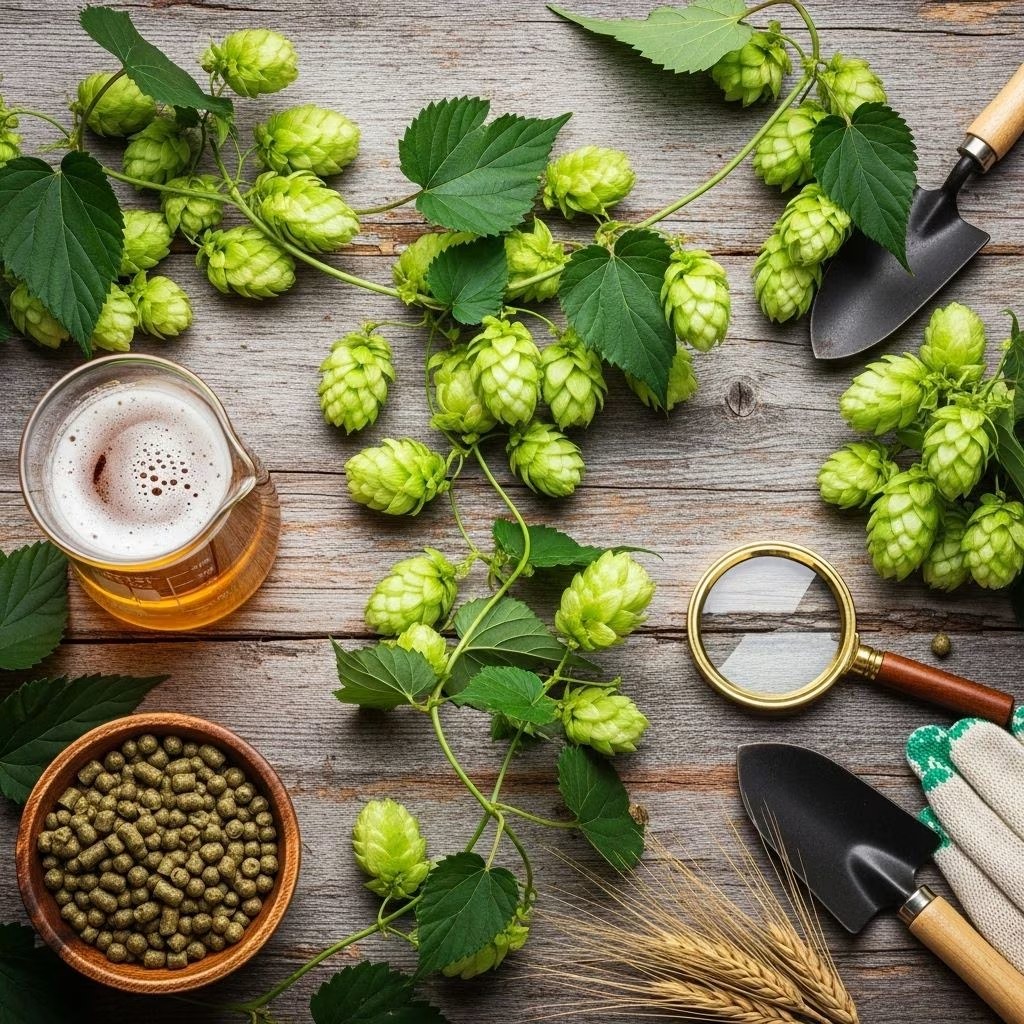
Hops have occupied a crucial place in the world of brewing, gardening, and herbal medicine for over a millennium. These unique plants, scientifically known as Humulus lupulus, are renowned for their role in flavoring beer, their botanical charm in gardens, and their diverse range of practical benefits. This guide explores the botany, history, uses, potential health benefits, flavors, and frequently asked questions about hops, offering a deep dive for brewers, gardeners, and the curious alike.
Botanical Overview of Hops
The hop plant (Humulus lupulus) belongs to the Cannabaceae family, which also includes hemp (Cannabis sativa). It is a vigorous, perennial, herbaceous climber grown for its unique seed cones, known as hop cones or strobiles. These cones impart the characteristic bitterness and aroma to beer and are essential in many herbal preparations.
- Growth Habit: Hops are climbing bines (not vines), using stiff downward-facing hairs on their stems for support. Mature plants can grow up to 18–26 feet (5–8 meters) in a season.
- Dioecious Nature: Hops have male and female plants; only the female plants produce cones used in brewing and commercial applications.
- Lifespan: Hops are perennial, regrowing each spring from an extensive root system that can penetrate the soil as deep as 16 feet (5 meters).
- Native Range: They are indigenous to temperate regions of North America, Eurasia, and South America.
Key Botanical Features
| Feature | Description |
|---|---|
| Scientific Name | Humulus lupulus |
| Family | Cannabaceae |
| Plant Type | Perennial, herbaceous climbing bine |
| Main Use | Female cones for brewing, herbal medicine |
| Growth | 18–26 ft per season; supported on trellises |
| Native Regions | Temperate North America, Eurasia, South America |
The History and Cultural Relevance of Hops
Hops have a documented history dating back to the 9th century. Before their widespread adoption in brewing, other bitter herbs (“gruit”)—such as dandelion, marigold, and heather—were used to flavor and preserve beer. The superior preservation and bitterness imparted by hops gradually replaced these traditional herbs.
- Early References: Hops gardens have appeared in wills and legal codes as early as the reign of Pepin the Short (8th century).
- Brewing Tradition: Hildegard of Bingen (12th century) is often cited for formalizing hops use in beer.
- Spread and Influence: Hops became central to beer brewing across Europe, Asia, and the Americas, significantly shaping global brewing traditions.
Primary Uses in Brewing
Hops are indispensable in beer production. The dried female cones are prized for their ability to balance sweetness, impart flavor, and resist spoilage. They add bitterness, aroma, and complexity to beer styles, making the beverage distinct and extending shelf life.
- Bittering Agent: Hops counteract the sweetness of malt, providing the essential bitter character to beer.
- Flavor and Aroma: Hops contribute floral, spicy, fruity, and herbal notes, essential for the identity of many beer genres (e.g., Pale Ales, India Pale Ales).
- Preservative Effect: Hop compounds (especially iso-alpha acids) possess antimicrobial properties that inhibit spoilage-causing microorganisms, allowing beer to remain fresh longer.
- Brewing Process: Hops are added at various stages—bittering hops during the boil and aroma hops at later stages or as dry hops—to achieve desired bitterness, flavor, and aroma profiles.
Major World Hop Producers
- Germany
- United States
- Czech Republic
- China
- England
Culinary, Herbal, and Other Applications
While brewing is the most prominent use, hops serve a variety of additional purposes:
- Herbal Medicine: Hops are used in traditional remedies for their purported relaxing, sedative, and digestive properties.
- Culinary: Cones are sometimes used for bittering teas and soft drinks; hop shoots are eaten as a spring delicacy in some cultures.
- Gardening: With vigorous climbing habits, hops provide attractive, quick-growing screens and trellised plant decor.
Health Benefits of Hops
Hops contain bitter resins, essential oils, and polyphenols that contribute not just to brewing, but also to their traditional use in herbal medicine and modern research into health benefits. Though more scientific studies are needed, some recognized benefits include:
Potential Health Effects
- Relaxation and Sedation: Hops are widely used in herbal teas and supplements for their mild sedative actions, believed to aid sleep and reduce anxiety.
- Anti-inflammatory Properties: The polyphenols in hops may help combat inflammation, and research is ongoing.
- Antibacterial Action: Hop acids inhibit certain bacteria, a property put to use in brewing and studied for food preservation and health.
- Digestive Aid: Traditional herbalists have used hops to stimulate appetite and aid digestion.
- Potential Antioxidant Effects: Polyphenols and other compounds may help neutralize free radicals, though clinical evidence remains limited.
Cautions and Safety
Hops supplements may interact with sedative medications or cause allergic reactions in sensitive individuals. Always consult a healthcare provider before using hops medicinally.
Flavor and Aroma Profiles of Hops
The diversity of hop varieties leads to a range of flavors, aromas, and bitterness levels in beer and other beverages. Hop character is determined by resins, essential oils, and genetics.
Main Flavor Profiles
- Bitterness: Iso-alpha acids produced during boiling impart the characteristic bitterness of beer.
- Aroma: Numerous hop varieties offer aromas described as floral, fruity (citrus, stone fruit), herbal, earthy, or piney.
- Flavor Balance: Hops balance malt sweetness, creating complexity and drinkability.
| Hop Variety | Main Flavors/Aromas | Best Used For |
|---|---|---|
| Cascade | Floral, citrus, grapefruit | Pale ales, IPAs |
| Saaz | Earthy, spicy | Lagers, pilsners |
| Fuggle | Woody, mild spice | Bitters, English ales |
| Citra | Intense citrus, tropical fruit | IPAs, pale ales |
| Hallertau | Herbal, mild | Lagers, German beers |
How Hops Impact Taste in Beer
- Bitterness level depends on alpha acid content and brewing technique.
- Aroma and flavor are affected by variety, processing, and timing of addition in the brewing process.
- Higher hop concentrations lead to more intense bitterness and aroma, prominent in IPAs and modern craft beers.
Growing and Harvesting Hops
Interest in home or commercial hops cultivation is growing, especially among beer enthusiasts and gardeners. Hops thrive in regions with long summer days and rich, well-drained soils.
- Climate Requirements: Best grown between USDA zones 4–8, with optimal growth above 35° latitude. Day length and sunlight are critical for healthy flowering.
- Trellising: Mature plants can grow up to 25 feet in one season, requiring sturdy supports.
- Harvesting: Cones are harvested in late summer to early fall when mature and are typically dried before use in brewing.
- Soil and Water: Hops prefer rich, well-drained soils; irrigation is favored in drier regions such as the US Pacific Northwest.
Frequently Asked Questions (FAQs)
Q: What are hops made of?
A: Hops are the dried, seedless cones of the Humulus lupulus plant, composed of resins, essential oils, and polyphenols that contribute bitterness, flavor, and aroma.
Q: Are hops only used in beer?
A: While hops are most famous for brewing, they are also used in herbal medicine, teas, soft drinks, and occasionally in culinary settings. Hop shoots are edible and considered a delicacy in some regions.
Q: What do hops taste like?
A: Depending on variety and use, hops can taste bitter, citrusy, floral, herbal, or spicy. The bitterness is the dominant sensation in beer.
Q: Are hops healthy?
A: Hops contain antioxidants, possess antibacterial properties, and are traditionally used for mild sedative effects. Modern science continues to explore their potential health benefits, though more research is needed.
Q: Can I grow hops at home?
A: Yes, with proper climate, soil, and sunlight, hops can be grown in home gardens. They make attractive climbing plants and require trellising due to their rapid, vigorous growth.
Conclusion
Hops are celebrated well beyond their use in beer. Their fascinating history, diverse varieties, practical benefits, and unique flavors have cemented their place in brewing, herbal medicine, and gardening. Whether you are a brewer, gardener, or simply an enthusiast, understanding hops – from their botany and growing habits to their culinary applications and health potential – can enrich your appreciation for this extraordinary plant.
References
- https://gardeningsolutions.ifas.ufl.edu/plants/edibles/vegetables/hops/
- https://www.britannica.com/plant/hop
- https://academics.hamilton.edu/foodforthought/Our_Research_files/hops.pdf
- https://en.wikipedia.org/wiki/Hops
- https://www.chicagobotanic.org/plantinfo/plant_profiles/hops
- https://www.wsetglobal.com/knowledge-centre/blog/2025/how-much-do-you-know-about-hops
- https://sierranevada.com/blog/our-beer/what-are-hops
- https://www.ahpa.org/herbs_in_history_hops
- https://www.missouribotanicalgarden.org/PlantFinder/PlantFinderDetails.aspx?kempercode=f191


