


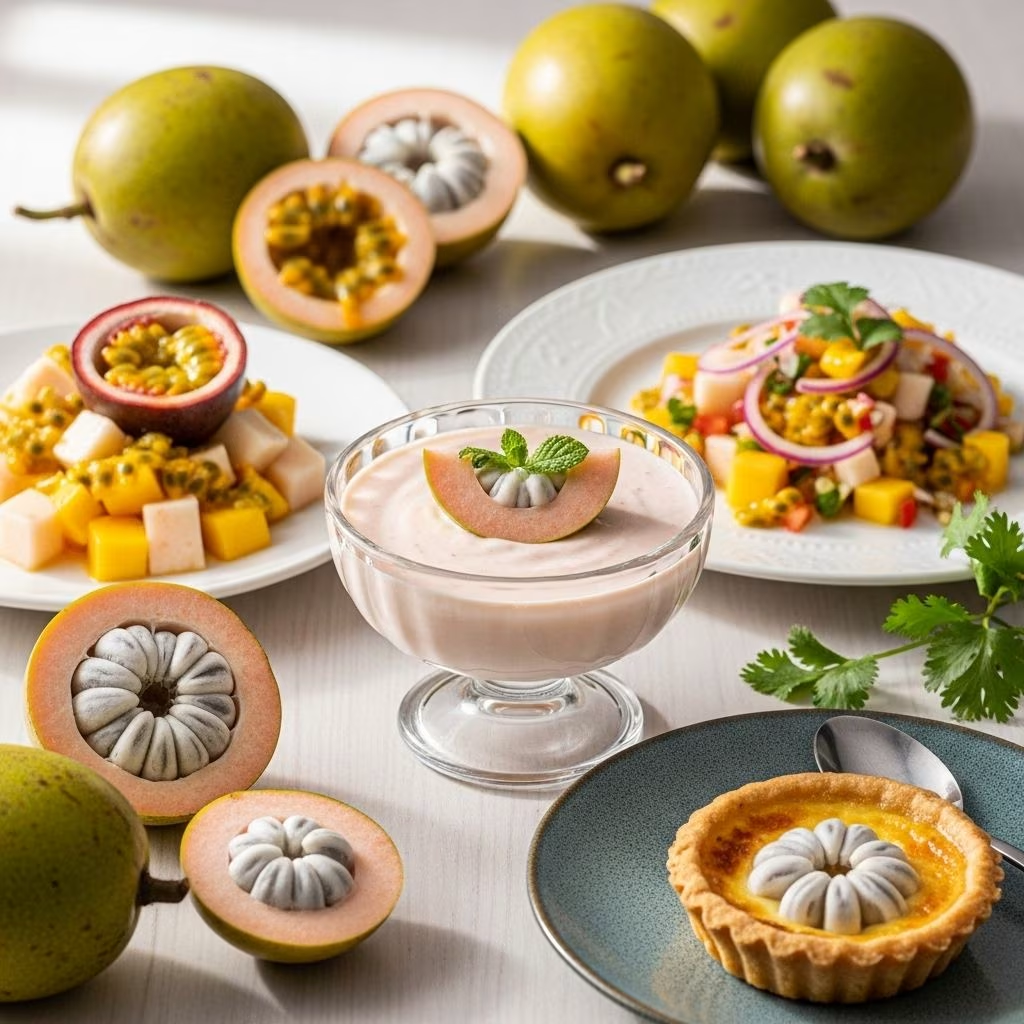
Ilama fruit—an exotic gem from Central America—surprises and delights with its custard-like texture, complex flavors, and nutritional benefits. If you’ve ever wanted to unlock the secrets of this rare fruit in the kitchen, dive into the absolute best ilama fruit recipes, expert preparation tips, nutritional profiles, and serving suggestions to bring out its unforgettable taste.
What Is Ilama Fruit?
Ilama (Annona diversifolia) is a tropical fruit native to Mexico and Central America, celebrated for its cone, heart, or oval shape, thick skin ranging from light green to rich pink or purple, and flesh that can be white or rose-colored.
The green-skinned ilama is sweet, the pink-skinned variety offers a tangier flavor profile, and both deliver a mix of custard, berry, and tropical notes. Sometimes confused with cherimoya or custard apple due to superficial similarities, ilama boasts a unique complexity, especially its creamy and sometimes subtly tangy taste and custard-like texture.
| Attribute | Description |
|---|---|
| Scientific Name | Annona diversifolia |
| Origin | Central America (especially Mexico, Guatemala) |
| Flesh Color | White (sweet) or Rose/Pink (tangy) |
| Texture | Creamy, custard-like, juicy |
| Flavor | Sweet, berry-like, hints of citrus and spice |
Selecting and Preparing Ilama Fruit
Proper selection and preparation are key to experiencing the ilama’s full flavor and texture. Here’s how to do it right:
- Harvest When Ready: Ilama must not be picked too early or it may fail to ripen; ideal picking is just after the fruit shows signs of skin cracking but before it drops to the ground. The ripening period after harvest is usually 3–4 days.
- Checking Ripeness: Ripe ilamas yield to gentle pressure, exhibit a fragrant, sweet aroma, and the flesh under the skin feels slightly soft.
- Preparation:
- Wash the fruit under running water.
- Slice lengthwise in half (the flesh should be fragrant and yield easily).
- Scoop out the creamy inner flesh with a spoon.
- Remove the black seeds embedded within the flesh (inedible).
Expert Tips for The Perfect Ilama Experience
- Chilling the fruit before eating enhances its cooling, custard-like effect.
- Avoid using metal utensils, which can impart a metallic taste.
- For presentation, serve in the natural shell for a tropical touch.
Ilama Fruit Nutritional Benefits
Ilama is not just a treat for the taste buds but is rich in nutrients and health-boosting compounds:
- High in Moisture: Over 70% water content keeps you hydrated in hot climates.
- Low in Fat and Calories: Ideal for light, healthy desserts.
- Essential Minerals: Notably high in phosphorus and calcium, supporting bone strength.
- Vitamins: Includes vitamin C (ascorbic acid), B vitamins (thiamine, riboflavin, niacin), and carotene for immune and metabolic health.
- Fiber and Protein: Modest amounts aid digestion and provide satiety.
| Nutrient (per 100g) | Amount |
|---|---|
| Protein | 0.45g |
| Fiber | 0.16g |
| Vitamin C | 13.6mg |
| Calcium | 31.6mg |
| Phosphorus | 51.7mg |
| Iron | 0.7mg |
The antioxidants and micronutrients in ilama are linked to enhanced immunity and general wellness.
Classic Ilama Serving Ideas
Ilama’s delicate flavors can easily be masked, so purists love it fresh, scooped, and enjoyed simply. Here are time-honored methods:
- Fresh: Spoon the flesh straight from the shell—perfect for savoring the nuanced flavor and custardy texture.
- Chilled with Lime or Lemon: Add a squeeze to intensify tart notes and brighten natural sweetness.
- With Cream and Sugar: For a decadent dessert, mash the flesh and blend with a dash of cream and sugar.
- Mix into Smoothies: Blend with other tropical fruits (e.g., banana, pineapple) for rich, exotic flavor.
Top Ilama Fruit Recipes
1. Simple Chilled Ilama Delight
Highlight natural ilama, perfectly chilled and fresh.
- Ingredients: 1 ripe ilama, 1–2 tsp fresh lime or lemon juice, 1 tsp sugar (optional)
- Method:
- Slice and scoop out the ripe ilama flesh.
- Chill in the refrigerator for one hour.
- Just before serving, drizzle with citrus juice and sprinkle with sugar if desired.
- Enjoy directly from the shell or present in a glass bowl.
- Tip: Pink ilama with lime accentuates berry notes; white ilama with sugar brings out custard sweetness.
2. Ilama Tropical Parfait
Layer creamy ilama with tropical fruits and light cream for an unforgettable parfait.
- Ingredients: 1 ripe ilama, 1/2 cup diced mango, 1/2 cup cubed pineapple, 1 tbsp honey or agave, 1/4 cup lightly whipped cream or yogurt, toasted coconut (optional)
- Method:
- Scoop out ilama flesh and lightly mash with honey or agave.
- Layer ilama, mango, and pineapple in a tall glass.
- Top with whipped cream or yogurt and a sprinkle of toasted coconut.
- Tip: For vegan, use coconut yogurt or silken tofu cream.
3. Ilama Creamy Smoothie
- Ingredients: 1 cup ripe ilama flesh, 1/2 banana, 1/2 cup coconut water, juice of 1/2 lime, ice cubes
- Method:
- Blend ilama flesh, banana, coconut water, lime juice, and ice until smooth.
- Pour into a chilled glass. Add mint leaf garnish if desired.
- Tip: Balance sweetness by adjusting banana quantity or adding a dash of honey.
4. Ilama Sorbet
- Ingredients: 2 cups ilama flesh, 1/2 cup sugar, 2 tbsp lime juice, 1/2 cup water
- Method:
- Mix sugar, water, and lime juice to dissolve the sugar.
- Puree ilama flesh and simple syrup until velvety.
- Freeze in an ice cream maker or pan, stirring every 45 minutes until frozen and scoopable.
- Tip: Add a swirl of passionfruit or raspberry puree for a flavor boost.
5. Ilama Fruit Salad
- Ingredients: 1 ilama, 1 papaya, 1 mango, 1/2 pineapple, mint leaves, juice from 1 orange
- Method:
- Cube the mango, papaya, pineapple; scoop ilama into bite-size chunks.
- Mix fruits gently, add orange juice, and top with mint leaves.
- Tip: Serve chilled for a refreshing tropical treat.
6. Creamy Ilama & Coconut Pudding
- Ingredients: 1 cup ripe ilama flesh, 1 cup coconut milk, 2 tbsp chia seeds, 1 tsp vanilla, 2 tbsp maple syrup
- Method:
- Combine all ingredients in a bowl, stirring well.
- Refrigerate at least 4 hours or overnight, until thickened.
- Serve with shredded coconut or diced pineapple.
Perfect Cooking Techniques for Ilama
Generally, ilama is best enjoyed raw to preserve its fresh, floral flavors. However, it can be gently incorporated into chilled or lightly cooked recipes:
- No High-Heat Cooking: Avoid baking or pan-frying, which can destroy the delicate aroma and turn texture grainy.
- Mix Gently: To preserve texture, fold ilama flesh in at the last moment in fruit salads or desserts.
- Purees and Creams: For cold soups or puddings, blend slowly for a creamy, custard-like result.
- Chilling is Key: Most ilama recipes benefit from plenty of chill time before serving.
Storing, Pairing, and Presentation Tips
- Storage: Whole, unripe ilama can be kept at room temperature. Once ripe or cut, refrigerate and consume within 1–2 days for optimal freshness.
- Pairing: Ilama works beautifully with:
- Citrus (lime, orange, passionfruit)
- Coconut (fresh, cream, or yogurt)
- Berries (strawberry, raspberry)
- Banana, papaya, pineapple
- Delicate tropical herbs, such as mint or lemongrass
- Presentation: Serve chilled in the shell, glass desserts, parfait jars, or fruit salad bowls for maximum visual appeal.
Frequently Asked Questions (FAQs)
Q: Can you eat ilama seeds?
A: No, the seeds are inedible and should be removed before eating the flesh.
Q: How do I know if an ilama is ripe?
A: Ripe ilama will have a slight give to gentle pressure, develop a sweet aroma, and may have fine cracks on the skin. It should be soft but not mushy.
Q: Are there any known side effects from eating ilama?
A: No adverse side effects are recorded, but as with any new fruit, try a small portion first, and consult a professional if you have specific dietary restrictions.
Q: What is the best way to serve ilama to guests?
A: For a show-stopping dessert, serve chilled ilama halves on crushed ice with a drizzle of citrus and a side bowl of cream and sugar. Parfaits and sorbets are also guest favorites.
Q: Can ilama be cooked?
A: Ilama’s flavor and texture are best preserved without cooking. Limit use of heat; use in chilled desserts, parfaíts, smoothies, and sorbet for ideal results.
Q: How does ilama taste compared to cherimoya or atemoya?
A: While similar in creamy texture, ilama’s flavor profile is brighter, with pronounced berry and citrus notes, and less of the vanilla or banana overtone found in cherimoya.
Summary
Ilama fruit is a rare tropical treat that shines when served fresh, simply chilled, or in light creative desserts that preserve its natural custard flavor. Follow the above tips for selecting, preparing, and storing ilama, and experiment with the recipes to savor its unique taste. Whether enjoyed on its own, turned into a refreshing parfait, or blended into tropical smoothies, ilama can transform any dessert table into a celebration of exotic flavor.


