


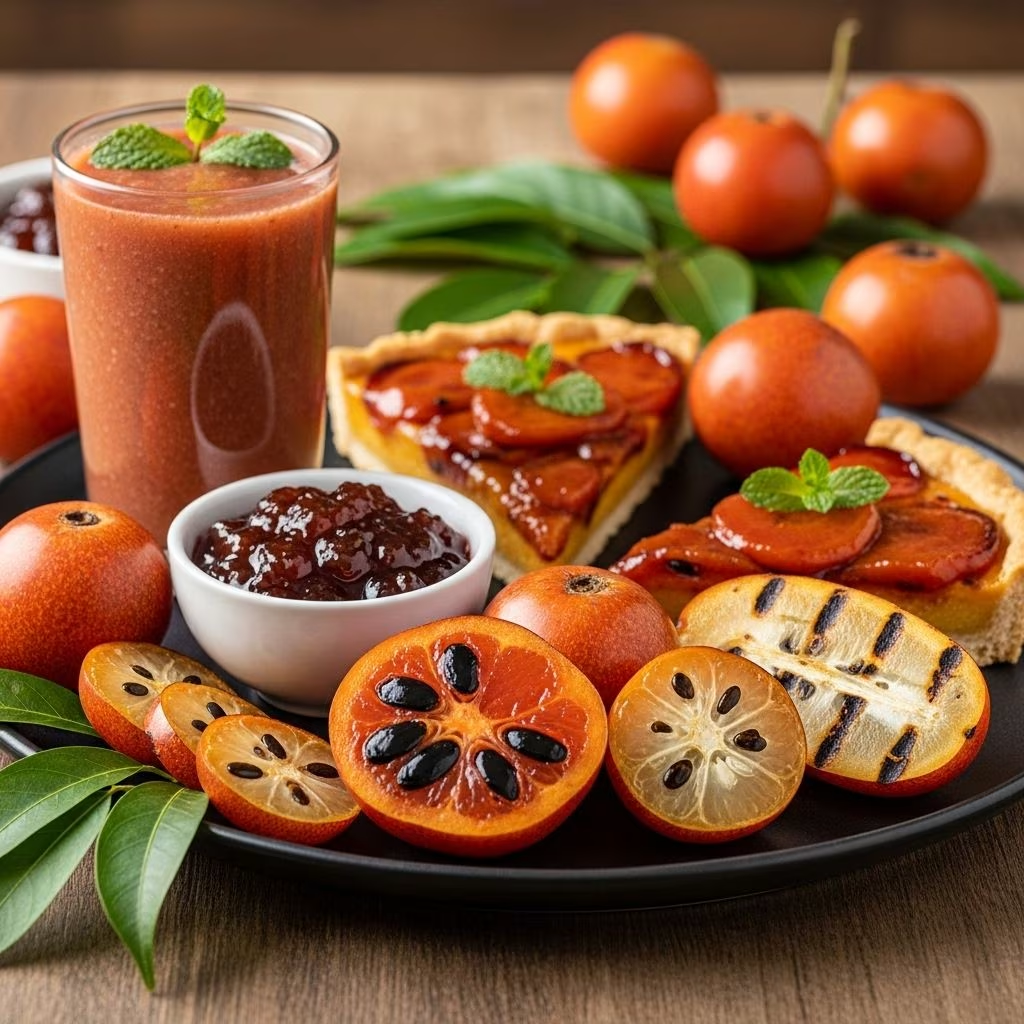
Imbe fruit, known botanically as Garcinia livingstonei, is a vibrant, sweet-tart tropical fruit native to Africa. Still underappreciated outside its home region, imbe is gaining recognition for its unique flavor, nutritional value, and culinary versatility. This comprehensive guide explores the best imbe fruit recipes, nutritional facts, and research-backed tips on cooking imbe perfectly – whether you want to prepare jams, desserts, beverages, or use it in savory dishes.
About Imbe Fruit
Imbe fruit is a small, orange-red, berry-like fruit found in tropical regions of Africa. Also known as African mangosteen or wild mango, the fruit is botanically described as Garcinia livingstonei. The mature fruit’s skin is thin and soft, protecting a juicy, acid-sweet pulp and a large seed. Its flavor is refreshing, blending tartness and gentle sweetness, similar to apricot with mild citrus undertones.
Imbe is commonly consumed fresh but is also used in a range of traditional African foods – from jams and jellies to porridges and desserts. The plant not only provides nutritious fruit but also plays a role in local medicine and agriculture.
Imbe Nutritional Benefits
Imbe fruit isn’t just delicious – it’s a nutritional powerhouse. Here are its main health benefits:
- Rich in dietary fiber: 100g supplies about 13% of daily fiber needs, supporting digestive health and satiety.
- Excellent source of Vitamin C: Helps boost immunity and acts as a potent antioxidant, protecting cells from free radicals and supporting faster recovery from viral illnesses.
- Contains B-complex vitamins: Moderate levels of thiamine, folate, and niacin play a key role in metabolizing proteins and carbohydrates.
- Provides essential minerals: Notably potassium (to regulate blood pressure and heart rate), manganese, copper, and magnesium.
- Low calorie, fat-free: About 62 calories per 100g; contains no saturated fat or cholesterol.
Imbe’s makeup makes it a smart choice for those seeking a low-calorie, nutrient-dense fruit for snacks or recipes focused on wellness and nutrition.
How to Select, Store, and Prepare Imbe Fruit
Selecting Imbe
- Choose ripe fruits: Imbe fruits are ripe when they turn orange to deep red, feel slightly soft, and are fragrant.
- Avoid underripe or overripe fruits: Unripe ones are hard and excessively tart, while overripe imbes may be mushy or have brown spots.
Storing Imbe
- Fresh imbe: Store at room temperature if you intend to eat them within 2 days, or refrigerate to extend shelf life for up to a week.
- Freezing: Imbe pulp can be frozen after deseeding for several months; ideal for smoothies or recipes out of season.
Preparing Imbe
Preparation is simple yet key to perfect results:
- Rinse fruits in cool water to remove any debris.
- Make a gentle cut around the fruit, twist to split, and remove the relatively large seed.
- Scoop out or slice the pulp. Use immediately or process as desired.
Cooking Methods for Imbe: How to Cook Perfectly
While imbe can be eaten raw, cooking it enhances flavor, aroma, and versatility. Here are the best methods:
| Method | Description | Applications |
|---|---|---|
| Poaching | Simmer deseeded imbe pulp in water or fruit juice with sugar, spices, or citrus zest until tender and syrupy. | Compotes, dessert sauces, jam base |
| Quick Stewing | Gently stew pulp with small amounts of sugar and lemon/lime juice for 10–20 minutes, stirring regularly. | Porridge topping, fillings, preserves |
| Baking | Add chunks of imbe to cake, muffin, or tart batters, or scatter over crumbles before baking. | Muffins, cakes, fruit bars |
| Pulping (Raw or Cooked) | Blend the pulp for smoothies, ice creams, fruit leathers, sauces, or sorbets. | Drinks, desserts, dressings |
| Jams/Jellies | Cook imbe pulp with sugar, citrus juice, and sometimes pectin until thickened and set. | Spreads, fillings, gifts |
Cooking Tips:
- Imbe cooks quickly – check texture after 10 minutes when stewing or poaching.
- If making jam or jelly, use a wide, heavy-bottomed pan and simmer uncovered to evaporate excess water.
- Balance its tartness with sweeteners like honey, cane sugar, or maple syrup, or blend with other sweet fruits.
- Pair with spices such as ginger, cinnamon, or vanilla, or herbs like mint for added dimension.
Best Imbe Fruit Recipes
Below is an expertly curated collection of the most popular and versatile imbe recipes, blending traditional African uses and innovative twists:
Imbe Jam
A spreadable preserve that highlights imbe’s sweet-acid balance. Ideal for bread, pastries, or gifting.
- Ingredients: 500g ripe imbe fruit (about 2 cups pulp), 1 cup sugar, juice of 1 lemon, optional: 1/2 tsp ginger or cinnamon.
- Instructions:
- Halve imbe fruits, remove seeds, and scoop out pulp.
- In a saucepan, combine pulp, sugar, and lemon juice.
- Bring to a gentle boil over medium heat, stirring frequently.
- Add spices if desired. Reduce heat and simmer uncovered for 25–35 minutes, stirring often, until the mixture thickens.
- Test by placing a small spoonful on a cold plate – it should gel slightly.
- Pour into sterilized jars, seal, and cool. Refrigerate after opening.
Imbe Fruit Leather
A healthy, portable snack made by drying sweetened imbe puree.
- Ingredients: 4 cups imbe pulp, 1/3 cup honey or sugar (to taste), optional: a squeeze of lime.
- Instructions:
- Blend imbe pulp with sweetener and lime until smooth.
- Spread thinly onto parchment-lined baking sheets or dehydrator trays.
- Dry at 140°F (60°C) in a dehydrator or a very low oven for 4–6 hours, until leathery but not sticky.
- Let cool, cut into strips, and roll. Store in an airtight container.
Imbe & Coconut Porridge
An energizing, vitamin-rich breakfast popular in parts of East Africa.
- Ingredients: 1 cup cooked millet or oats, ½ cup fresh imbe pulp, ½ cup coconut milk, pinch salt, 1 tbsp honey or sugar.
- Instructions:
- In a saucepan, bring coconut milk to a simmer.
- Stir in cooked millet or oats, imbe pulp, salt, and honey.
- Cook over low heat for 3–5 minutes, stirring gently until warm and thickened.
- Serve topped with more fresh imbe or toasted coconut flakes.
Imbe-Infused Smoothie
Harness imbe’s tropical tang for a vibrant, immune-boosting drink.
- Ingredients: Pulp of 10 imbe fruits, ½ banana, juice of ½ orange, ½ cup yogurt (or coconut yogurt for vegan), honey to taste, a few ice cubes.
- Instructions: Blend all ingredients until silky smooth. Adjust sweetness and thickness as desired.
Imbe Ice Cream
Churned perfection, highlighting imbe’s fragrant tartness.
- Ingredients: 2 cups imbe pulp (strained), 1 cup cream, ½ cup milk, ½ cup sugar, 1 tsp vanilla.
- Instructions:
- Warm cream and sugar in a saucepan, stirring to dissolve sugar. Do not boil.
- Let cool, then mix with imbe pulp and vanilla.
- Freeze mixture in an ice cream maker as per manufacturer’s instructions, or in a freezer-proof dish, stirring every 40 minutes until set.
- Serve topped with fresh fruit.
Imbe Marmalade (with Citrus)
Pairing imbe and orange for a breakfast spread bursting with vitamin C.
- Ingredients: 1 cup imbe pulp, 1 medium orange (peeled and chopped), juice of 1 lemon, ¾ cup sugar.
- Instructions:
- Combine imbe pulp, orange, and lemon juice in a pot. Add sugar and bring to boil.
- Simmer for 35–40 minutes, stirring often, until thick and syrupy.
- Transfer to jars, cool, and refrigerate.
Creative Ways to Use Imbe in Everyday Cooking
- Milkshakes: Blend imbe pulp with milk (dairy or plant-based) and sweetener for a refreshing, tangy shake.
- Baking: Fold imbe pulp into muffin or pancake batters for bright color and zesty flavor.
- Salads: Scatter fresh imbe arils over green salads, pairing with mint, toasted seeds, and mild cheeses.
- Fruit Salsas: Dice imbe pulp and mix with diced mango, chili, and lime for a tropical salsa, perfect for fish or chicken.
- Savory sauces: Simmer imbe with onions, ginger, and chili to make a relish or chutney for grilled meats or roasted veggies.
Frequently Asked Questions (FAQs)
Q: What does imbe fruit taste like?
A: Imbe is generally described as sweet-and-tart, with a flavor hinting at apricot, mango, and citrus, though the acidity can be sharp if underripe.
Q: Can you eat imbe raw?
A: Yes, imbe is delicious fresh. Simply halve, deseed, and eat the soft pulp as a snack or in salads.
Q: Is imbe suitable for people on a diet or with diabetes?
A: With its low calorie count and high fiber, imbe can be suitable in moderation, but as with any fruit, those with diabetes should monitor intake due to natural sugars. Consult your healthcare provider for personalized advice.
Q: Can imbe fruit be used in preserves like traditional jam fruits?
A: Absolutely. Thanks to its pectin content and flavorful pulp, imbe is an excellent candidate for jams, jellies, and marmalades.
Q: Are there any notable traditional African dishes using imbe?
A: In several African countries, imbe is used in porridges, fruit stews, and sauces, as well as fermented beverages and simple desserts blending local grains and coconut.
Q: Does imbe need to be cooked for safety?
A: No, imbe is safe to eat fresh, though cooking amplifies its aroma and flavor. Wash well before consumption or processing.
Conclusion
The imbe fruit offers a world of culinary potential, from classic jams and fruit leathers to inventive smoothies and savory sauces. As a nutritional superfruit native to Africa, imbe combines remarkable health benefits with a spirited, adaptable taste profile. By following the techniques and recipes above, you can savor imbe cooked perfectly in a variety of dishes — whether for breakfast, dessert, or any creative meal.
References
- https://flavorsofdiaspora.com/2015/12/01/quince-jam-maajun-sfarjel-moraba-ye-beh/
- https://www.herbs2000.com/herbs/herbs_imbe.htm
- https://savorthesouthwest.blog/2020/11/09/quince-having-fun-with-an-old-fruit/
- https://edible-leeds.blogspot.com/2020/10/japanese-quince-is-one-of-my-autumn.html
- http://www.mypersiankitchen.com/quince-seeds-persians-remedy-to-soar-throat-and-cough/
- https://therawadvantage.com/exotic-fruit-the-mangosteen-berry-imbe-fruit/
- https://www.youtube.com/watch?v=uJgilm2EaCc


