


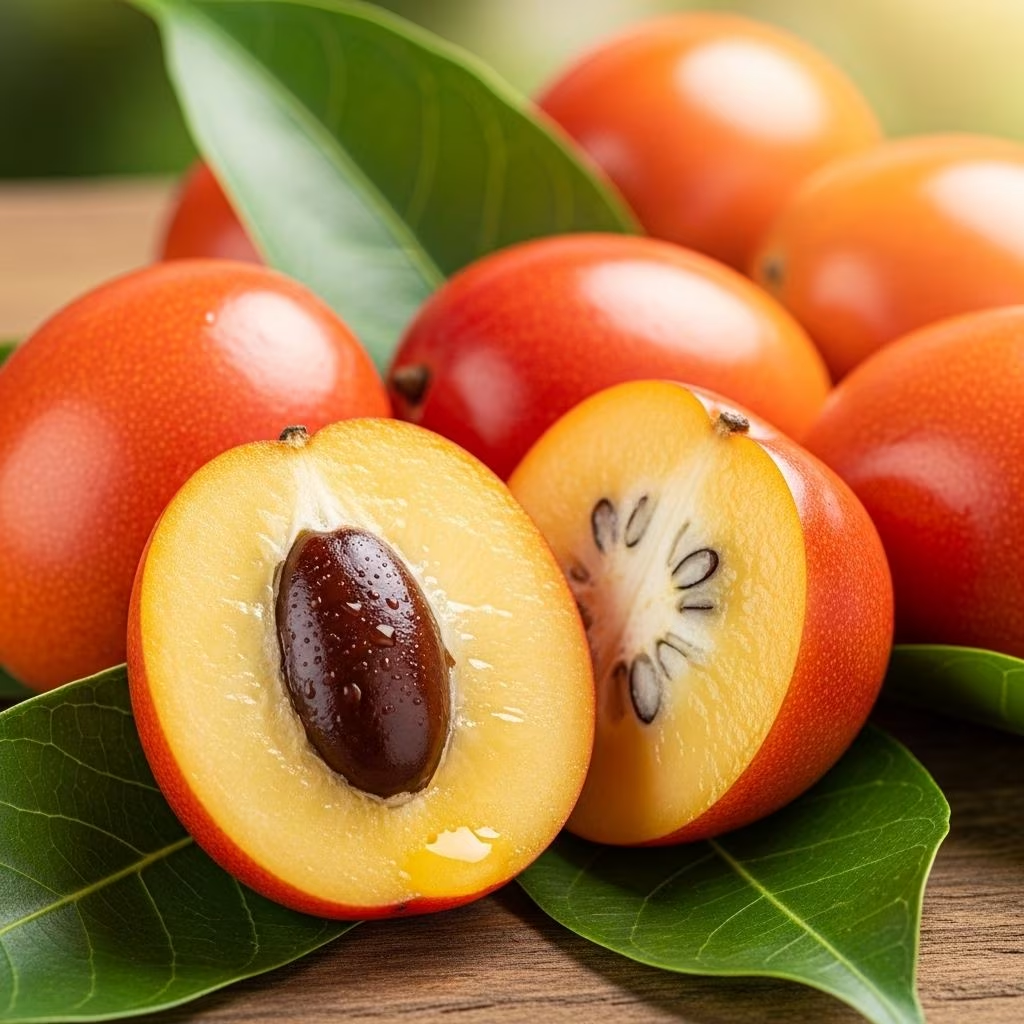
The imbe fruit (Garcinia livingstonei) is a lesser-known tropical delight native to Africa, cherished both for its enticing flavor and its potential nutritional and medicinal benefits. This article provides a comprehensive guide to imbe, exploring its origins, health benefits, culinary versatility, and unique taste profile. Whether you are a fruit enthusiast, nutrition explorer, or just curious about exotic fruits, dive in to discover what makes imbe a standout gem among African fruits.
Overview: What Is Imbe?
Imbe, also known as African Mangosteen, Lowveld Mangosteen, or Livingstone’s Garcinia, is the fruit of the Garcinia livingstonei tree. Originating across vast regions of tropical and Southern Africa, imbe is recognized for its vivid orange color, sweet-and-tart flavor, and unique culinary potential.
- Family: Garcinia
- Scientific Name: Garcinia livingstonei
- Common Names: Imbe, African Mangosteen, Lowveld Mangosteen
- Native Range: From Côte d’Ivoire in the west, across to Somalia in the east, and southwards to South Africa
This fruit is a small, bright orange, berry-like drupe with a thin, tender skin and a single large seed. Though not widely known internationally, it is a traditional food plant in many African communities and is gaining recognition for its distinctive qualities and health-promoting properties.
Botanical Profile and Habitat
Imbe trees are slow-growing evergreens, capable of reaching heights between 5 and 18 meters (16–60 feet), though more commonly found between 6 and 10 meters. The tree displays a dense, sometimes conical or spreading crown. Its main trunk is often short and twisted, giving way to thick branches that hold the fruit close to the ground—an appealing feature for both cultivation and landscaping.
- Leaves: Simple, leathery, usually lanceolate to oval in shape, arranged in opposite pairs or whorls of 3–4; blue-green color; 6–11 cm long
- Flowers: Small, grouped in clusters along the stems
- Fruit Size: 1–4 cm in diameter (1.5–2 inches long, 1–2 inches wide)
- Skin: Thin, tender, bright orange when ripe
- Seed: Large, solitary, taking up much of the fruit’s volume
Imbe’s natural habitat includes deep sandy soils but the tree can also tolerate saline soils, making it hardy in environments near coasts and resistant to some challenging conditions. The tree is drought tolerant, though needs regular water for fruiting success.
Nutritional and Health Benefits
The nutritional profile of imbe underpins its value as both a traditional food and a health supplement. These berry-like fruits contain a notable range of vitamins, minerals, and other phytonutrients beneficial to human health.
| Nutrient | Per 100g | Key Benefits |
|---|---|---|
| Calories | 62 kcal | Low calorie, suitable for weight management |
| Dietary Fiber | 13% of RDA | Digestive health, promotes satiety |
| Vitamin C | High | Immunity, antioxidant activity |
| B-Complex Vitamins | Present (thiamine, folate, niacin) | Energy metabolism, supports nervous system |
| Potassium | Present | Blood pressure and heart health |
| Manganese, Copper, Magnesium | Moderate | Bone and metabolic health |
| Cholesterol & Saturated Fats | 0 | Heart healthy |
- Antioxidant Power: Imbe is rich in vitamin C and other phytonutrients, which help neutralize free radicals, decrease oxidative stress, and may reduce the risk of chronic diseases.
- Immunity Boost: Vitamin C enhances resistance to viral illnesses and supports immune system function.
- Digestive Health: Its dietary fiber helps regulate digestion, prevent constipation, and promote gut health.
- Cardiovascular Support: Rich in potassium and low in cholesterol, imbe helps maintain healthy blood pressure and heart function.
- Metabolic Support: The presence of B-complex vitamins aids in metabolizing carbohydrates, fats, and proteins.
Traditional Uses and Medicinal Applications
Beyond its nutritional value, the imbe tree has a history of medicinal uses in African traditional medicine.
- Antibacterial Properties: Imbe leaves have demonstrated antibacterial activity, making them useful for treating wounds and infections.
- Bark and Root Remedies: Extracts from the bark and root are used in traditional remedies for meningitis, tuberculosis, and even cancer.
- Aphrodisiac: Roots may act as natural aphrodisiacs in folk medicine.
- Antibiotic Applications: Leaf and flower extracts have been valued for their antibiotic qualities.
While these traditional remedies are an important part of local cultures, it is important to note that scientific validation through rigorous clinical studies remains limited, and imbe’s therapeutic potential warrants further exploration.
Culinary Uses: Imbe in Food and Drink
Imbe’s captivating sweet-tart flavor lends itself to diverse culinary applications, both in its native regions and among adventurous cooks worldwide.
- Fresh Consumption: The fruit is often eaten raw, relished for its juicy, refreshing, and acid-sweet pulp.
- Jams and Jellies: Imbe’s pulp can be cooked into brilliantly colored preserves.
- Desserts: The fruit is added to milkshakes, ice creams, fruit leathers, and even porridge.
- Beverages: Imbes can be crushed into fruity drinks or fermented into a distinctive purplish wine.
- Liqueurs: By soaking the fruit in alcohol and mixing with syrup, a flavorful liqueur is created.
- Dried Fruits: The fruit can also be seeded and dried for later consumption.
Imbe’s tender skin and high moisture content, however, make it difficult to transport over long distances, so it is typically enjoyed close to where it is harvested.
Taste Profile and Eating Experience
Imbe’s taste is regarded as one of its most alluring characteristics. The pulp is:
- Sweet, yet pleasingly acidic—many compare it to an apricot, but with stronger notes of orange and a tangy citrus finish.
- Juicy and refreshing—its watery pulp makes it a perfect thirst quencher.
- Rich sweetness, balanced by tartness—making it enjoyable for those who relish bold, robust fruit flavors.
- Thin, edible skin—though some prefer to peel it due to its stickiness and the presence of latex.
The central seed occupies much of the fruit, so the edible flesh is a layer around it—much like mango or apricot. Its vibrant color and complex aroma further tempt the senses. In short, imbe provides a unique taste experience, standing out even among the vast array of tropical fruits.
Growing and Harvesting Imbe
Imbe trees are well-suited for tropical and subtropical regions, thriving in USDA zones 9 and above. Here is what makes them notable as cultivated plants:
- Landscaping Use: Imbe’s evergreen foliage, attractive form, and distinctive fruit make it a popular ornamental in gardens and public spaces.
- Growth Rate: Trees are slow-growing, ultimately reaching up to 15–20 feet (sometimes higher in old specimens).
- Soil Preference: Prefers deep sandy soils but tolerates salinity; suitable for regions near the ocean.
- Water Needs: Drought tolerant, but needs consistent watering to ensure fruiting.
- Flowering and Fruiting: Generally fruits between July and August. Once ripe, the fruits are bright orange and will fall off the tree within a two-week period.
- Pest Vulnerability: The wood is susceptible to borers and insect larvae, requiring periodic inspection when cultivated.
Given its resilience and landscape appeal, imbe is a valuable addition for gardeners eager to explore uncommon, hardy fruit trees. Its main limitation is the tenderness of the fruit, which makes it unsuitable for broad commercial shipping.
Imbe in African Culture and Rural Development
Imbe is more than a fruit: it is closely woven into the fabric of rural African life. Its traditional significance is evidenced by:
- Food Security: As a conventional, hardy food plant, imbe has the potential to improve nutrition and food availability in rural African communities.
- Sustainable Land Use: Imbe’s ability to grow on marginal and saline soils makes it an attractive option for sustainable agroforestry.
- Rural Development: Cultivation and use of imbe can support local economies and promote food self-reliance.
- Cultural Landscapes: Imbe trees are commonly found in iconic African locations, such as the capital of Mozambique and near Victoria Falls in Zambia and Zimbabwe.
Frequently Asked Questions (FAQs)
Q: What does imbe fruit taste like?
A: Imbe tastes sweet with a pleasing tartness and is often compared to an apricot with pronounced orange and citrus notes.
Q: How is imbe typically consumed?
A: It can be eaten fresh, cooked into jams or desserts, blended into milkshakes, or fermented into wine or liqueur. The fruit is too delicate for long-distance shipping and is best enjoyed locally.
Q: Is imbe fruit healthy?
A: Yes, imbe is low in calories and fat, high in fiber and vitamin C, and a good source of essential minerals. Its antioxidants may support immunity and overall health.
Q: Can I grow imbe outside of Africa?
A: Imbe can thrive in tropical and subtropical climates, such as South Florida and regions with similar temperature ranges (USDA zones 9+). It prefers sandy, well-drained soils.
Q: Are there any risks or side effects to eating imbe?
A: There are no widely recognized adverse effects when consumed as food. However, traditional medicinal uses should be treated with caution until backed by clinical research.
Conclusion: Why Imbe Deserves Attention
Imbe combines vibrant flavor, impressive nutritional benefits, sustainability, and deep cultural roots. As more attention turns toward underutilized fruits from around the world, imbe offers both a delicious discovery for adventurous palates and a resource for communities seeking nutrition and food innovation. Whether enjoyed raw, in drinks, or as an ornamental tree, imbe’s journey from African forests to tables across the globe is just beginning to unfold.
References
- https://plantogram.com/blog/plantogram/imbe-fruit/
- https://www.herbs2000.com/herbs/herbs_imbe.htm
- https://rarefruitclub.au/wp/fruit-trees/garcinia-livingstonei/
- https://miamifruit.org/products/imbe-african-mangosteen
- http://www.richardlyonsnursery.com/imbe-the-queen-of-fruits/
- https://en.wikipedia.org/wiki/Garcinia_livingstonei
- https://www.growables.org/information/TropicalFruit/ImbeGeneJoynerPalmBeachExtension.htm
- https://miamifruit.org/blogs/news/imbe-african-mangosteen
- https://www.daleysfruit.com.au/Imbe-Garcinia-livingstonia.htm


