


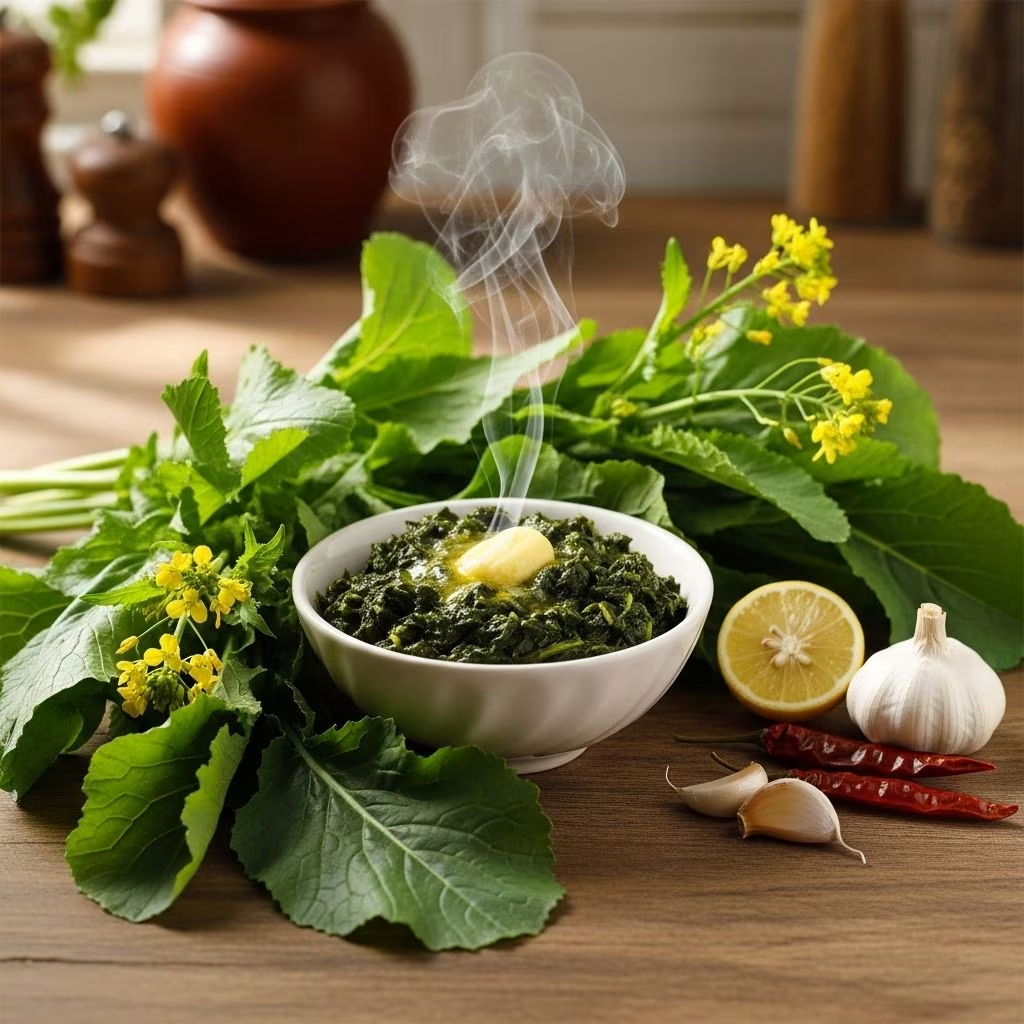
What Are Indian Mustard Greens?
Indian mustard greens, known locally as sarson ka saag or simply sarson, are leafy vegetables belonging to the Brassica family, closely related to cabbage, kale, and broccoli. These greens are a staple in North Indian cuisine, especially in Punjab, where they are celebrated for their robust flavor and versatility. Mustard greens grow abundantly in winter, making them a seasonal favorite in Indian households.
The plant’s leaves are broad, dark green, and sometimes have a slightly serrated edge. They are typically harvested young for the most tender texture, but mature leaves are also widely used, especially in slow-cooked dishes. In addition to the leaves, the seeds of the mustard plant are a key ingredient in Indian cooking, used whole, ground into powder, or pressed for oil.
Mustard greens are not just limited to India; they are enjoyed in various forms across Asia, Africa, and the southern United States. However, Indian mustard greens have a distinctive pungency and texture that set them apart from other varieties.
Flavor Profile
Indian mustard greens have a bold, peppery, and slightly bitter flavor that intensifies when cooked. The taste is more pronounced than other leafy greens like spinach or kale, and the leaves can range from mildly spicy to sharply pungent, depending on their maturity and how they are prepared.
When raw, the leaves have a crisp texture and a sharp, mustard-like bite—reminiscent of wasabi or horseradish. Cooking mellows their bitterness and spiciness, bringing out a more complex, earthy flavor. The greens pair especially well with fats like ghee (clarified butter), which help balance their pungency, and with spices such as cumin, coriander, turmeric, and garam masala.
Some varieties of Indian mustard greens (especially the red-stemmed ones) can be even more bitter, so they are often mixed with milder greens like spinach or bathua (Chenopodium album) in traditional dishes.
Culinary Uses
Indian mustard greens are incredibly versatile in the kitchen. They can be enjoyed raw, steamed, sautéed, stir-fried, or slow-cooked into stews and curries.
- Fresh and Raw: Young, tender leaves can be added to salads for a peppery kick. They are especially good paired with sweet, citrusy, or creamy dressings to balance their bitterness.
- Blanched or Steamed: Blanching reduces bitterness and makes the greens more palatable for those new to their flavor. Steamed mustard greens can be served as a simple side dish or pureed into soups.
- Sautéed or Stir-Fried: Sautéing with garlic, ginger, onions, and spices is a quick way to prepare mustard greens. They can be paired with paneer (Indian cottage cheese), tofu, or meat for a complete meal.
- Slow-Cooked Dishes: The most iconic use is in sarson ka saag, a traditional Punjabi dish where mustard greens are slow-cooked with other greens, spices, and finished with a generous dollop of butter or ghee.
- Pickled Greens: Pickled mustard greens, known as sarson ka achar, are also popular in some regions. The pickling process mellows their bitterness and adds a tangy, fermented flavor.
Mustard greens are not just limited to savory dishes. In some cultures, they are used in fermented foods and condiments, adding depth to sauces and relishes.
Traditional Indian Recipes Featuring Mustard Greens
Indian cuisine boasts several classic dishes that showcase mustard greens as the star ingredient:
- Sarson Ka Saag: A Punjabi delicacy made by slow-cooking mustard greens with spinach, bathua, and spices. It is traditionally served with makki di roti (cornmeal flatbread) and a dollop of white butter.
- Aloo Sarson: Mustard greens cooked with potatoes, garlic, and spices, offering a comforting and hearty side dish.
- Dal with Mustard Greens: Lentils cooked with mustard greens, tempered with cumin, mustard seeds, and asafoetida.
- Mustard Greens Stir-Fry: A quick dish with mustard greens, garlic, chilies, and a touch of lemon juice.
- Mustard Greens Chutney: A spicy condiment made by blending mustard greens with garlic, green chilies, and yogurt or coconut.
These recipes highlight the adaptability of mustard greens and their ability to absorb and complement a wide variety of flavors.
Nutritional Benefits
Mustard greens are a nutritional powerhouse, packing a wide array of vitamins, minerals, and antioxidants into very few calories.
| Nutrient | Amount per 1 Cup (Raw) | % Daily Value |
|---|---|---|
| Calories | 15 | — |
| Protein | 2g | — |
| Fiber | 2g | — |
| Vitamin A | 9% | 9% |
| Vitamin C | 44% | 44% |
| Vitamin K | 120% | 120% |
| Calcium | 4–5% | 4–5% |
| Iron | 4–5% | 4–5% |
Cooked mustard greens are even richer in certain nutrients, especially vitamins A and K. These greens also contain folate, magnesium, potassium, copper, and small amounts of zinc, selenium, and phosphorus.
Health Benefits:
- Bone Health: High in vitamin K, mustard greens support bone mineralization and may help prevent osteoporosis.
- Immune Support: Loaded with vitamin C, they boost immune function and protect against infections.
- Eye and Skin Health: Abundant vitamin A and antioxidants support vision, skin elasticity, and overall skin health.
- Heart Health: The fiber, vitamin C, flavonoids, and glucosinolates in mustard greens help lower cholesterol, reduce inflammation, and protect against cardiovascular disease.
- Cancer Prevention: Glucosinolates, unique to cruciferous vegetables, may help protect against certain cancers by preventing DNA damage and inhibiting tumor growth.
- Brain Function: Antioxidants like lutein may support cognitive health and reduce the risk of mental decline.
Regular consumption of mustard greens is associated with reduced risk of chronic diseases, improved digestion, and enhanced overall vitality.
How to Prepare Mustard Greens
Preparing mustard greens is straightforward, but a few tips can help you make the most of their unique flavor and texture.
- Washing: Rinse the leaves thoroughly under running water to remove any dirt or grit. Soak in a bowl of water if necessary, then drain and pat dry.
- Trimming: Remove any tough stems, especially from mature leaves. Young leaves can be used whole.
- Blanching: To reduce bitterness, blanch the greens in boiling water for 1–2 minutes, then plunge into ice water to preserve color and texture.
- Chopping: Chop the leaves coarsely or finely, depending on the recipe. For dishes like saag, finely chopped or pureed greens are traditional.
- Cooking Methods: Mustard greens can be steamed, sautéed, stir-fried, or slow-cooked. Pairing them with fats and spices enhances their flavor.
Storage Tips
- Refrigeration: Store fresh mustard greens in a plastic bag in the refrigerator crisper. They typically stay fresh for 3–5 days.
- Freezing: Blanch the greens for 2 minutes, cool, drain, and freeze in airtight containers for up to 6 months.
- Pickling: For longer storage, consider pickling mustard greens. The fermentation process also develops new flavors.
Easy Substitutes for Indian Mustard Greens
If Indian mustard greens are unavailable, several other leafy greens can stand in, though the flavor profile will differ.
| Substitute | Flavor Profile | Best Used In |
|---|---|---|
| Spinach | Mild, slightly sweet | Saag, stir-fries, salads (add a pinch of mustard powder for heat) |
| Kale | Earthy, slightly bitter | Stews, soups, saag (mix with spinach for better texture) |
| Collard Greens | Mildly bitter, sturdy | Slow-cooked dishes, saag, stir-fries |
| Turnip Greens | Peppery, bitter | Saag, soups, stir-fries |
| Bok Choy | Mild, crisp | Stir-fries, soups (add mustard seeds or powder for heat) |
For the closest match, mix spinach with a small amount of arugula or watercress to mimic the peppery bite of mustard greens. Adding a pinch of ground mustard or mustard oil can also help replicate the characteristic flavor in dishes like sarson ka saag.
Frequently Asked Questions
Are Indian mustard greens and regular mustard greens the same?
Indian mustard greens (Brassica juncea) are a specific variety known for their pungent flavor and are a staple in North Indian cuisine. Other mustard greens (like Southern U.S. varieties) may be milder, but all belong to the Brassica family.
Can I eat mustard greens raw?
Yes, young and tender mustard greens can be eaten raw in salads. Mature leaves are quite bitter and are best cooked.
How do I reduce the bitterness of mustard greens?
Blanching, cooking with fats (like ghee or butter), or mixing with milder greens (spinach, bathua) can help reduce bitterness.
What are the health benefits of eating mustard greens?
Mustard greens are rich in vitamins A, C, and K, fiber, and antioxidants. They support bone health, immunity, heart health, and may reduce the risk of chronic diseases.
Can I substitute spinach for mustard greens in Indian recipes?
Yes, spinach is a common substitute. For a more authentic flavor, mix spinach with a bit of arugula or add mustard powder/oil.
How should I store mustard greens?
Refrigerate fresh greens in a plastic bag for up to 5 days. For longer storage, blanch and freeze them.
Are pickled mustard greens as nutritious as fresh?
Pickling can reduce some water-soluble vitamins like vitamin C, but retains many antioxidants and provides beneficial probiotics.
Can mustard greens help with digestion?
The high fiber content aids digestion and promotes gut health. Compounds in mustard greens may also help bind bile acids, supporting healthy cholesterol levels.
Are mustard greens suitable for pregnant women?
Mustard greens are rich in folate and vitamin K, both important for pregnancy, but always consult a healthcare provider for dietary advice during pregnancy.
Indian mustard greens are a vibrant, nutritious, and flavorful addition to any kitchen. Whether you seek their health benefits, bold taste, or cultural significance, these greens offer endless culinary possibilities. Next time you’re at the market, pick up a bunch and explore the world of sarson ka saag—or try a creative substitute to bring a bit of North India to your table.
References
- https://draxe.com/nutrition/mustard-greens-nutrition/
- https://www.healthline.com/nutrition/mustard-greens-nutrition
- https://www.webmd.com/diet/health-benefits-mustard-greens
- https://www.medicinenet.com/mustard_greens_nutrition_facts_health_benefits/article.htm
- https://blog.sigonas.com/2013/02/25/heath-benefits-of-nutrient-packed-wild-mustard-greens/
- https://ackermancancercenter.com/all-about-mustard-greens/
- https://cleanplates.com/nutrition/mustard-greens-the-new-kale/
- https://nutrivore.com/foods/mustard-green-nutrients/


