


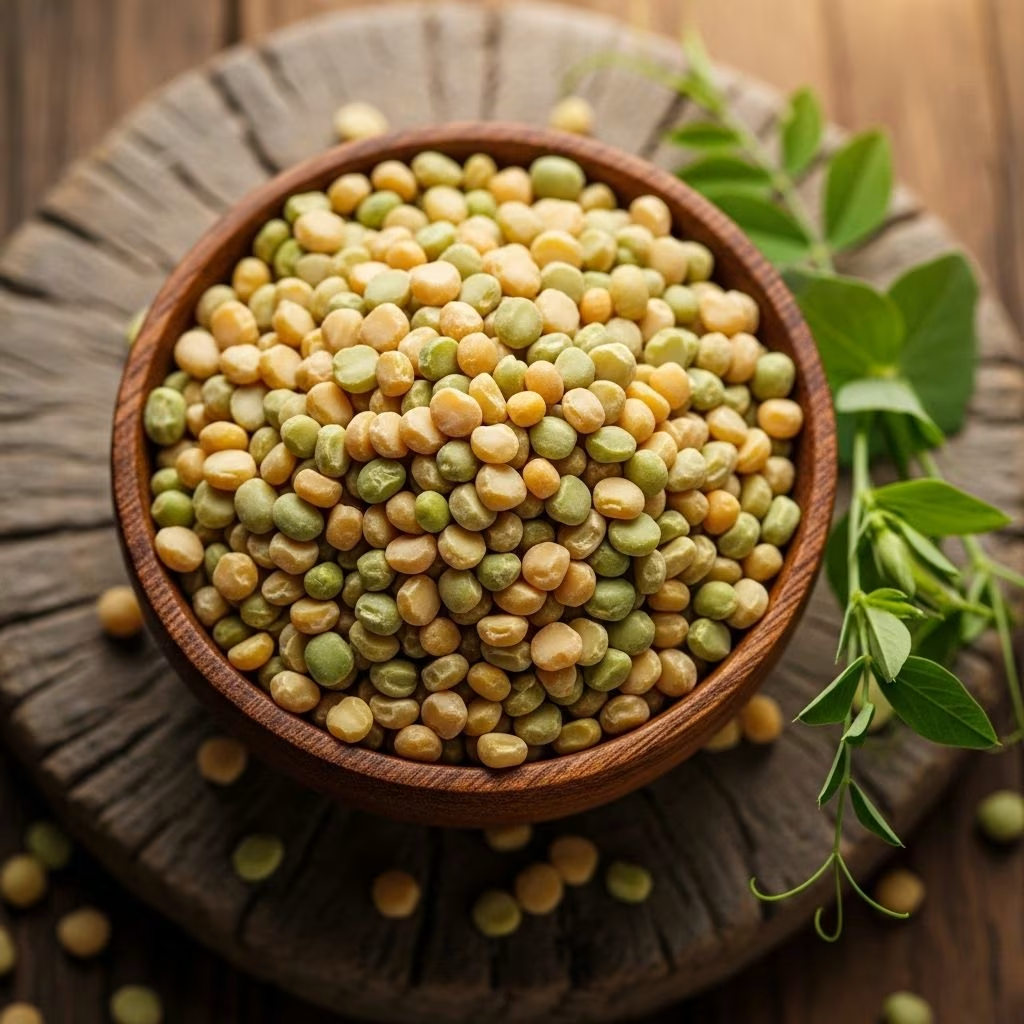
Indian pea, also known as grass pea or khesari, is a hardy legume widely consumed in parts of South Asia, Africa, and the Mediterranean. Despite its controversial reputation due to health concerns tied to overconsumption, Indian pea remains central to food cultures facing drought and poor soils. This comprehensive guide delves into the essential facts, benefits, culinary uses, taste, safety, and cultural significance of this unique legume.
Introduction to Indian Pea (Grass Pea, Khesari)
Indian pea (Lathyrus sativus), known commonly as grass pea, khesari dal, or lakh dal, has a long history of cultivation and consumption across the Indian subcontinent, Ethiopia, southern Europe, and parts of Asia. The plant is bushy and robust, capable of thriving in arid, marginal, and drought-prone soils where other crops often fail.
Common names in different regions include:
- Khesari (Hindi, Bengali, Chhattisgarhi)
- Lakh/Lakhdi (Gujarati)
- Grass pea or chickling vetch (English)
- Kalai (Bengali, sometimes used for similar legumes)
Grass pea seeds are small, angular, and typically cream or pale green in color. Their resilience and low cultivation costs make them a vital food for subsistence farmers, especially during famines or dry seasons.
Nutrition Profile of Indian Pea
Indian peas—like other pulses—are rich in essential macronutrients and micronutrients, making them an important protein source in plant-based diets. Here is a nutritional breakdown per 100 grams (uncooked):
| Nutrient | Amount (per 100g) |
|---|---|
| Calories | ~320 kcal |
| Protein | 22–28 g |
| Carbohydrates | 55–60 g |
| Dietary Fiber | ~15 g |
| Fat | 1–2 g |
| Calcium | ~50 mg |
| Iron | ~5–7 mg |
| Thiamin (Vitamin B1) | ~0.4 mg |
| Folate (Vitamin B9) | ~160 mcg |
| Other Minerals | Zinc, Magnesium, Phosphorus |
Note: Exact values may vary depending on the variety, soil, and growing conditions.
Major attributes include:
- High protein content, suitable for vegetarian and vegan diets
- Complex carbohydrates with a low to medium glycemic index
- Rich in dietary fiber for gut and heart health
- Micronutrients such as folate, iron, calcium, and magnesium
- Polyphenols and antioxidants beneficial for health
Health Benefits of Indian Pea
When properly prepared and consumed in moderation, Indian pea offers multiple health advantages. Its nutritional density supports well-being in diverse ways:
- Protein for muscle and tissue maintenance: With 22–28 g protein per 100g, it is a key sustenance legume for populations with limited animal food access.
- High fiber for digestion: Fiber supports healthy digestion, prevents constipation, and helps feed beneficial gut microbes, which can improve immunity and reduce inflammation.
- Blood sugar balance: Its complex carbohydrates and moderate glycemic index help maintain steady glucose levels, supporting diabetes management.
- Rich in iron and folate: Vital for making healthy red blood cells and preventing anemia, particularly in women and children.
- Cardiovascular support: Dietary fiber and antioxidants contribute to reduced cholesterol and better vascular health.
Other potential benefits include being naturally gluten-free, making khesari a suitable protein alternative for people with celiac disease or gluten intolerance.
Potential Functional Food and Bioactive Compounds
Indian pea contains phenolic compounds, flavonoids, and other phytochemicals with antioxidant and anti-inflammatory effects. Modern research highlights their role in the prevention of cancer, metabolic syndrome, and cardiovascular diseases. Its protein isolates and peptides are being explored for nutraceutical applications.
Malnutrition Rescue During Drought
The key advantage of Indian pea lies in its resilience to drought and poor soils. In regions where other crops fail, it becomes a crucial safety net, preventing starvation during famine conditions—even though reliance on this legume alone is discouraged due to safety reasons (discussed below).
Culinary Uses and Traditional Dishes
In many cultures, grass pea has a valued place in traditional foods and everyday cooking. Popular in rural India, parts of Bangladesh, Nepal, Ethiopia, and southern Europe, it is known both for its affordability and culinary versatility.
How Indian Pea Is Cooked and Eaten
- Khesari Dal Curry: Similar to other dals, grass pea is soaked, boiled, and slow-cooked with onions, garlic, tomatoes, turmeric, and warming spices. The result is a hearty, earthy-flavored dal often paired with rice or roti.
- Flour-based Dishes: In some regions, grass pea flour is mixed with wheat or other flours to prepare unleavened flatbreads such as roti, or used to thicken stews and make savory pancakes (cheelas).
- Ethiopian Shiro: In Ethiopia, roasted and ground grass pea flour is blended with spices to make shiro, a popular and protein-rich dip or stew.
- Snacks and Fritters: The split peas may be used in pakoras, vadas, and savory pancakes.
Since the raw legume contains natural toxins, traditional cooking practices typically involve soaking, boiling, and discarding the water to reduce toxicity.
Innovative and Modern Uses
- Protein fortification in baked goods and noodles
- Use in ready-to-eat snacks, protein bars, and plant-based protein powders
- Fermentation to enhance nutrient bioavailability and reduce antinutrients
Sample Recipe: Rustic Khesari Dal
Ingredients: Split grass pea, chopped onions, tomatoes, garlic, ginger, turmeric, cumin, coriander, oil, salt, and fresh coriander leaves for garnish.
Method:
- Soak the split pea overnight. Discard water, rinse thoroughly.
- Boil the dal with turmeric and salt until soft.
- Sauté onions, garlic, and spices in oil, add the dal and tomatoes, simmer for flavor melding.
- Garnish with coriander and serve with rice or bread.
Taste and Flavor Profile
Grass pea’s flavor is usually described as nutty, earthy, and somewhat sweet, with subtle bitterness when undercooked. The cooked legume has a hearty texture similar to chana dal or yellow split peas. Its mild taste readily absorbs the flavors of onions, garlic, and spices, making it well-suited for dals, stews, and thick soups.
The flour made from Indian pea maintains a distinct earthiness and is often blended with other flours to soften its flavor and texture. Seasoning the cooked dal with aromatic ‘tadka’ (fried spices) elevates its appeal in Indian cuisine.
Risks and Safety Considerations
Despite its benefits, Indian pea poses health risks when consumed as a primary food source for long periods. The seeds contain a neurotoxin, β-N-oxalyl-L- α, β-diaminopropionic acid (ODAP). Excessive intake can lead to a neurological disorder called lathyrism, characterized by muscle weakness or paralysis, primarily affecting the lower limbs.
Key safety facts:
- The risk of lathyrism is significantly heightened when the diet lacks essential nutrients, especially methionine and other amino acids.
- Traditional methods of soaking, boiling, and fermenting reduce toxic ODAP by removing water-soluble toxins. Never eat grass pea raw or in very large quantities as a staple.
- Varietal improvement is ongoing—some modern cultivars have considerably lower ODAP content, enhancing food safety.
National and international health authorities recommend caution in regular or exclusive consumption and advise dietary diversity to minimize risks.
Agricultural Significance
Indian pea is termed a ‘life-saving crop’ due to its ability to withstand drought, poor soil, and flooding. Its root system fixes atmospheric nitrogen, replenishing soil fertility for subsequent crops. It serves as an essential rotation crop, controlling pests, and providing animal fodder.
Major cultivation areas: Chhattisgarh, Bihar, Madhya Pradesh, Bengal (India); Ethiopia; Nepal; southern European Mediterranean rim. Smallholders rely on it as a marginal lands crop that thrives without synthetic fertilizers.
Challenges and Prospects
- Main challenge: ODAP toxicity and resulting bans or restrictions in some regions
- Genetic research aims to breed low-toxin (low-ODAP) varieties
- Potential for aiding food security during climate change, provided safety measures are followed
Frequently Asked Questions (FAQs)
Q1: What is the main difference between Indian pea and other dal varieties?
Indian pea (grass pea, khesari) is uniquely drought-resistant and can thrive in poor soils, unlike more commonly consumed pulses like mung or masoor dal. Its ODAP neurotoxin risk distinguishes it from safer legumes, necessitating careful preparation and moderation.
Q2: Is it safe to eat khesari dal every day?
No. While occasional, small servings prepared after proper soaking and cooking are safe for healthy adults, exclusive or long-term consumption—especially among malnourished populations—may lead to irreversible paralysis (lathyrism). Dietary rotation is strongly encouraged.
Q3: How can the toxicity of Indian pea be reduced?
Soak the seeds overnight and discard the water, boil thoroughly, and avoid using raw or lightly cooked seeds. Fermentation and using the seeds as part of a varied diet also lower risk. Selecting low-ODAP cultivars further enhances safety.
Q4: What traditional dishes feature grass pea?
Khesari dal curry, mixed-flour rotis, shiro (Ethiopian stew), and various fritters and snacks across India, Bangladesh, and East Africa commonly feature grass pea.
Q5: Is khesari dal banned in India?
Khesari dal was temporarily banned in some Indian states due to health concerns but is available in regions where safety practices and low-toxin varieties are promoted. Regulations may vary locally; always check relevant food safety advisories.
References
- Peer-reviewed research on nutrient composition and health benefits of legumes.
- Traditional Indian and Ethiopian culinary sources.
- Public health guidelines regarding grass pea and khesari dal safety.
- International agricultural research on legume sustainability and toxicity reduction.
References
- https://www.apollo247.com/health-topics/general-medical-consultation/pigeon-pea-benefits
- https://pmc.ncbi.nlm.nih.gov/articles/PMC10341148/
- https://www.healthline.com/nutrition/black-eyed-peas-nutrition
- https://www.webmd.com/diet/health-benefits-peas
- https://www.1mg.com/ayurveda/peas-139
- https://draxe.com/nutrition/green-peas/
- https://pmc.ncbi.nlm.nih.gov/articles/PMC8803422/
- https://www.careinsurance.com/blog/health-insurance-articles/benefits-of-peas-nutrition-weight-loss-beauty-and-health-you-must-know


