


Is Hair Alive? Understanding the Science and Spirit of Your Strands
The desire for healthy, beautiful hair raises an age-old question: Is hair alive? This curiosity doesn’t just reflect a biological discussion—it’s at the heart of our daily rituals, self-image, and holistic approach to wellness. In this article, we explore the structure and vitality of hair, delve into what ‘living hair’ really means, and share a comprehensive guide to holistic haircare remedies that honor both the science and soul of your strands.
What Is Hair? A Brief Anatomical Overview
To truly care for your hair, it’s vital to understand its anatomy. Each hair is made up of two main parts:
- Hair Follicle: The living portion found beneath the scalp. This bulb-like structure anchors each hair, producing its growth via rapid cell division and is supplied with nutrients through a tiny blood vessel called a papilla.
- Hair Shaft: The visible, external part—the strand you see and style. It is composed entirely of dead, keratinized cells, making it technically not alive.
So, while the hair follicles are indeed living, the hair you comb, curl, or cut is not.
Is Hair Alive? Clarifying the Myth
The confusion around hair’s life force stems from its surprising resilience and complex structure. Here’s the reality:
- The hair shaft is not alive. These cells are dead, hardened by keratin and do not regenerate when damaged.
- The follicle at the base is the only living part, actively producing new hair cells.
- Nails share a similar structure—living roots producing a non-living, protective extension.
Despite being non-living, the health of your hair depends on the well-being of its root and scalp environment.
Harmonizing Science and Holistic Wisdom in Hair Health
Holistic haircare doesn’t stop at external treatments—it views “hair health” as a reflection of your whole self. This comprehensive approach considers physical, mental, and environmental factors to nurture both scalp and strands. It means:
- Focusing on diet, lifestyle, and stress alongside external care
- Favoring natural and non-toxic routines over harsh, synthetic treatments
- Honoring the connection between mind, body, and hair vitality
The Holistic Haircare Philosophy
What sets holistic haircare apart? It’s rooted in the principle that true beauty and strength flow from the inside out, and that nurturing your inner health will reveal itself in your hair’s outward appearance.
- Internal Balance: Healthy hair emerges when the body’s systems—nutrition, hormones, and digestion—are balanced.
- Natural Ingredients: Choosing plant-based, organic products supports not just your health, but planetary well-being.
- Lifestyle Practices: Stress management and mindful living promote resilient hair growth.
- Compassionate Rituals: Being gentle and intentional with your hair fosters both physical and emotional self-care.
Is Holistic Haircare for Everyone?
Holistic routines suit all ages, hair types, and lifestyles, offering lasting benefits for those seeking healthier strands, reduced hair loss, or sustainable personal care.
Main Causes of Hair Damage and Dullness
Understanding the main contributors to hair problems empowers more mindful choices:
- Excessive Heat Styling: Regular use of blow dryers, straighteners, and curling irons leads to moisture loss and breakage.
- Chemical Treatments: Coloring, bleaching, and perms impact the cuticle, leaving hair dry and vulnerable.
- Synthetic Product Overload: Sulfates, parabens, and silicones can strip away natural oils and disrupt scalp health.
- Poor Nutrition: Lack of essential nutrients impairs follicle strength and hair growth.
- Stress: Physical and emotional stress can disrupt hair cycles and trigger shedding.
- Environmental Exposure: Pollution, UV rays, and hard water weaken the hair structure over time.
Holistic Remedies for Healthy Hair
A truly holistic approach incorporates nourishment from within as well as mindful routines for scalp and hair care. Below, discover actionable steps and natural remedies for cultivating vibrant hair.
1. Nutrition: Feed Your Follicles
Your diet is the foundation of healthy hair. Strong follicles rely on a spectrum of nutrients:
- Protein: Hair is mostly keratin—a protein. Include eggs, fish, lean meats, nuts, seeds, and legumes.
- Iron & Zinc: Deficiencies are common culprits for hair loss. Sources include leafy greens, beans, poultry, and pumpkin seeds.
- Biotin: Supports cellular growth; found in eggs, almonds, and sweet potatoes.
- Omega-3 Fatty Acids: Promote scalp hydration and shine—enjoy chia seeds, flaxseeds, walnuts, and salmon.
- Vitamins A, C, and E: Aid in sebum production, collagen synthesis, and cellular repair, respectively.
2. Mindful Hydration
Hydration is essential for elasticity and luster. Drink adequate water and use hydrating hair products featuring aloe vera and glycerin for extra moisture support.
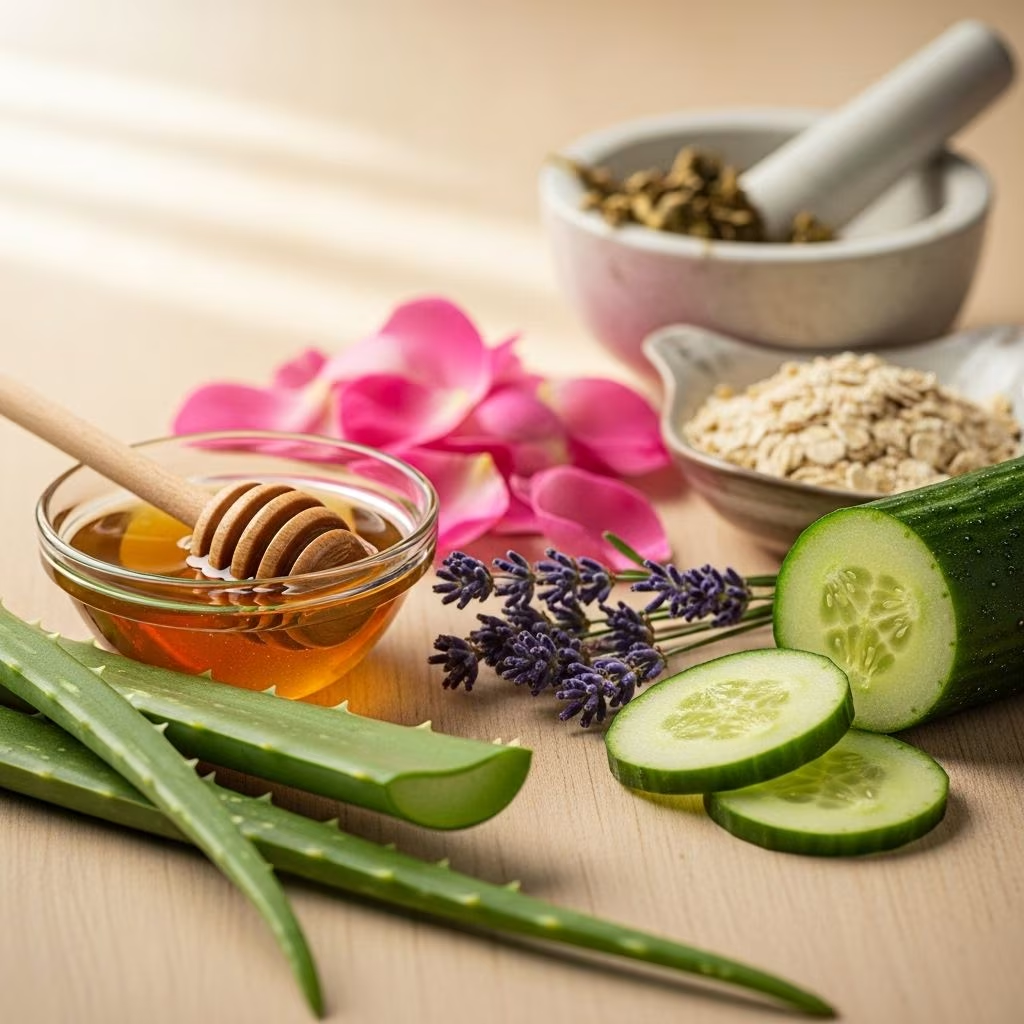
3. Nature-Derived Ingredients & DIY Treatments
Natural products harness the wisdom of plants, oils, and minerals. Holistic haircare routines often feature:
- Coconut Oil or Argan Oil: Deeply nourish and condition, protecting against damage.
- Henna, Amla, Shikakai: Ayurvedic botanicals that cleanse, strengthen, and add body and shine.
- Aloe Vera: Soothes the scalp and adds moisture to dry strands.
- Herbal Infusions: Rinses with chamomile, rosemary, or nettle encourage growth and a healthy scalp.
4. Gentle Cleansing and Conditioning
- Swap harsh, sulfate-based shampoos for sulfate-free, natural cleansers that won’t disrupt your scalp’s microbiome.
- Use silicone-free conditioners that lock in moisture without weighing hair down.
- Limit shampooing to prevent excessive oil stripping—most people benefit from washing 2-3 times per week.
5. Scalp Care Rituals
Consider your scalp the “soil” from which your hair grows—nurture it for optimal health:
- Perform gentle, regular scalp massages with natural oils to boost circulation and relax tension.
- Use an exfoliating scalp scrub once per week to remove dead skin and product buildup.
- Apply natural, restorative masks with ingredients like clay, honey, or yogurt for deep cleansing and nourishment.
6. Minimize Toxins and Support the Planet
- Select organic, cruelty-free haircare products to limit your exposure to potentially harmful chemicals and reduce environmental impact.
- Support brands with sustainable packaging and eco-friendly production practices.
- Choose waterless options like shampoo bars to reduce waste.
7. Mind-Body Practices for Hair Resilience
Your mental and emotional health profoundly affects your body—including your hair:
- Practice daily stress relief (meditation, yoga, mindful breathing) to calm your nervous system and support healthy hair cycles.
- Prioritize quality sleep, which is when the body repairs itself and promotes cell regeneration—including hair follicles.
8. Embrace Gentle Styling and Balanced Routines
- Avoid tight hairstyles and frequent heat styling, allowing for more air-drying and natural textures.
- Use wide-tooth combs, silk pillowcases, and minimal chemical styling products.
The Case for Natural and Organic Haircare Products
Choosing natural haircare over conventional products holds benefits for your hair, body, and environment:
- Free from Harsh Chemicals: Organic formulas are made without sulfates, parabens, and synthetic fragrances.
- Rich in Plant Nutrients: Packed with vitamins, proteins, and botanical oils to nurture the scalp and strands.
- Gentle for Sensitive Scalps: Less likely to trigger irritation or allergic reactions.
- Suitable for All Hair Types: Versatile formulations cater to every texture and condition.
- Eco-Conscious: These products promote sustainable agriculture, cruelty-free practices, and reduced waste.
| Aspect | Natural/Organic Haircare | Conventional Haircare |
|---|---|---|
| Key Ingredients | Plant oils, herbal extracts, essential oils, vitamins | Sulfates, parabens, silicones, synthetic fragrances |
| Scalp Health | Supports microbiome, gentle, less irritation | Can strip natural oils, trigger irritation/allergies |
| Sustainability | Eco-friendly, biodegradable, cruelty-free | Often non-sustainable, environmentally harmful |
| Results | Long-term nourishment, improved strength | Quick fixes, potential long-term damage |
Holistic Haircare Essentials: A Daily Routine
Integrate the best of holistic wisdom into your daily habits for lasting hair health:
- Begin with a gentle, plant-based cleanser suited to your hair type
- Follow with a nourishing conditioner—infused with botanical oils and extracts
- Once a week, treat your hair to a DIY mask using ingredients like banana, yogurt, honey, or egg
- Massage the scalp regularly with a few drops of essential oil diluted in carrier oil
- Eat a colorful, whole-foods based diet that supports all body systems
- Welcome stress-reducing practices to maintain inner-harmony
Frequently Asked Questions (FAQ)
Q: Can you ‘revive’ dead hair?
A: No product or routine can restore life to the dead hair shaft, but you can make hair look healthier and prolong its strength by nourishing the living follicle and preventing further damage to the strand.
Q: What if I have a sensitive scalp?
A: Choose gentle, fragrance-free, and natural formulas. Herbal infusions like chamomile or calendula are especially soothing.
Q: How often should I wash my hair for optimal health?
A: For most people, 2-3 times per week is sufficient, though frequency depends on your scalp’s oil production and lifestyle.
Q: Do natural remedies really work?
A: When used consistently and combined with internal wellness, natural remedies can significantly improve hair health and appearance over time.
Q: Are holistic haircare routines suitable for color-treated or textured hair?
A: Absolutely—look for color-safe, sulfate-free natural products, and choose heavier oils or butters for thick, curly, or coiled textures.
Summary: Embrace Living Beauty with Holistic Haircare
While hair itself may not be alive, the journey to beautiful, strong hair is about supporting the living roots, scalp, and whole body. A mindful, holistic approach—blending science, nature, and self-care—will help your hair thrive in both appearance and true health for years to come.
References
- https://www.rev-320.com/blogs/hair-care-blogs/the-benefits-of-switching-to-natural-hair-care-products
- https://itsherbalmagic.com/blogs/news/top-10-must-known-enefits-of-organic-hair-products
- https://www.holistichairstudio.com/blog/top-10-benefits-of-organic-hair-care-products
- https://www.truubynature.ca/post/guide-and-solutions-for-healthier-hair-naturally
- https://www.100percentpure.com/blogs/feed/haircare-revolution-unlock-the-benefits-of-natural-hair-products-for-all-hair-types
- https://us.amperna.com/blogs/news/holistic-hair-care
- https://pmc.ncbi.nlm.nih.gov/articles/PMC10685248/


