


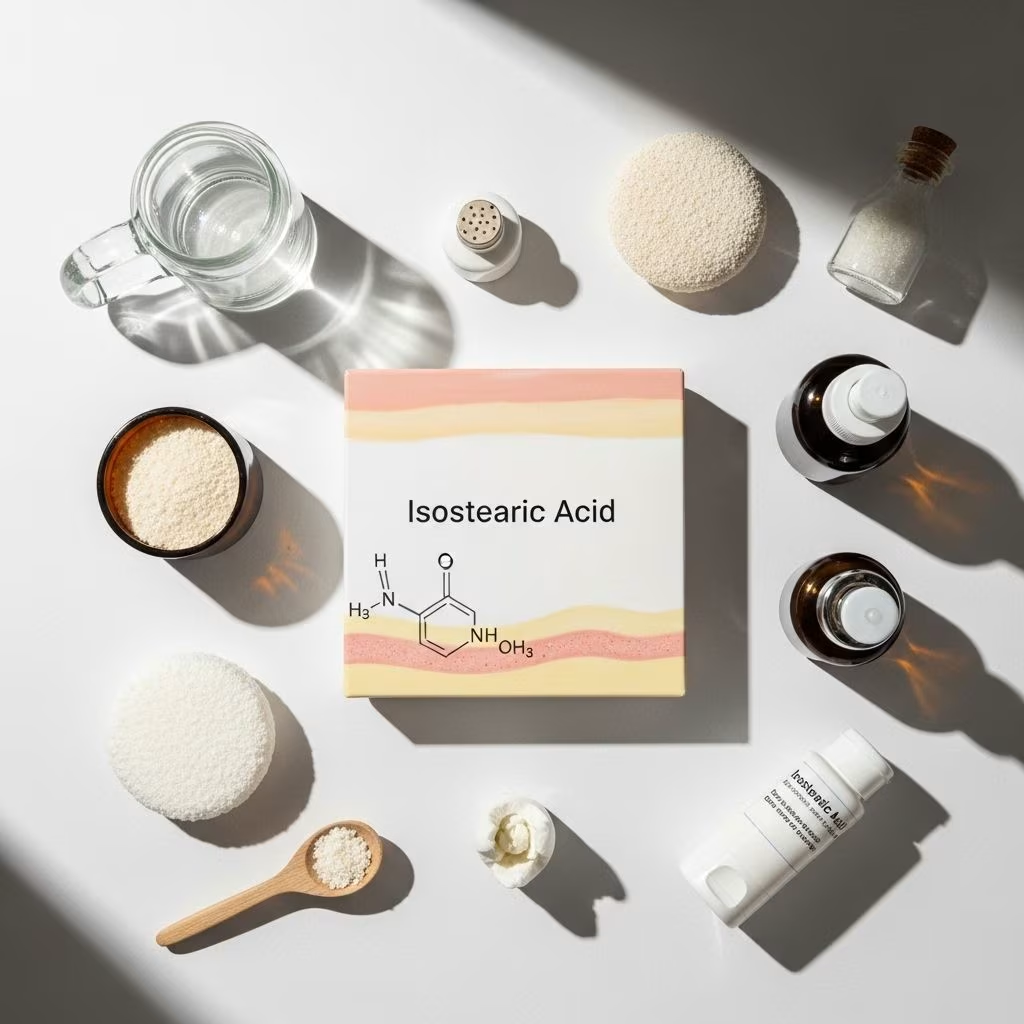
What Is Isostearic Acid?
Isostearic Acid is a branched-chain fatty acid widely used in cosmetics and skincare for its unique emollient, emulsifying, and skin-conditioning properties. Its molecular structure sets it apart from traditional straight-chain fatty acids, offering enhanced stability, spreadability, and compatibility with various skin types. Primarily derived from plant-based sources such as palm, soybean, olive, or coconut oil, Isostearic Acid undergoes a process called isomerization after hydrogenation, transforming it into a versatile ingredient for modern skincare formulations.
Chemical Properties and Origin
Isostearic Acid belongs to the family of fatty acids, characterized by a methyl group attached at the 16th position, which gives it a branched structure. This branching is responsible for its resistance to oxidation and superior stability compared to linear-chain acids, making it ideal for products requiring long shelf life. The acid is typically synthesized through the hydrogenation and isomerization of stearic acid derived from vegetable oils or animal fats. The process involves saturating double bonds and rearranging the molecular structure to create the branched form.
How Isostearic Acid Works on Skin
On application, Isostearic Acid forms a lightweight, protective barrier on the skin’s surface. This barrier helps to lock in moisture, preventing transepidermal water loss and maintaining hydration throughout the day. Unlike some heavier emollients, it delivers deep hydration without a greasy residue, leaving the skin soft and smooth. Additionally, Isostearic Acid enhances the absorption of other active ingredients, allowing serums, moisturizers, and treatments to penetrate more effectively and deliver better results. Its non-comedogenic nature means it does not clog pores, making it suitable even for oily or acne-prone skin.
Skin Benefits
- Deep Hydration: Isostearic Acid acts as a natural emollient, restoring moisture to dry skin and preventing further dehydration. Its lightweight texture ensures hydration without heaviness or greasiness.
- Antioxidant Protection: Rich in antioxidant properties, it helps shield the skin from environmental damage caused by free radicals, pollution, and UV radiation. This contributes to a reduction in visible signs of aging, such as fine lines and wrinkles.
- Anti-Inflammatory Action: The acid soothes irritated and inflamed skin, making it beneficial for those with sensitive or reactive skin. It calms redness and discomfort without disrupting the skin’s natural barrier.
- Strengthens Skin Barrier: By reinforcing the skin’s natural defensive layer, Isostearic Acid helps protect against external aggressors and maintains skin health over time.
- Improves Skin Texture: Regular use can lead to smoother, softer, and more supple skin with a healthy glow.
Common Uses in Skincare Products
Isostearic Acid is a versatile ingredient found in a wide array of skincare products:
- Cleansers: Incorporated into cleansing balms and washes, it helps remove impurities without stripping the skin of natural oils, making it suitable for all skin types, including dry and sensitive skin.
- Moisturizers: Creams and lotions featuring Isostearic Acid provide intense, long-lasting hydration and improve skin texture. They are especially beneficial for mature or dehydrated skin.
- Serums and Masks: As a penetration enhancer, Isostearic Acid ensures active ingredients in serums and masks are delivered more effectively, addressing specific concerns like brightening, firming, or soothing.
- Hair Care: Used in conditioners and styling products, it softens hair, adds shine, and protects against environmental stressors.


