


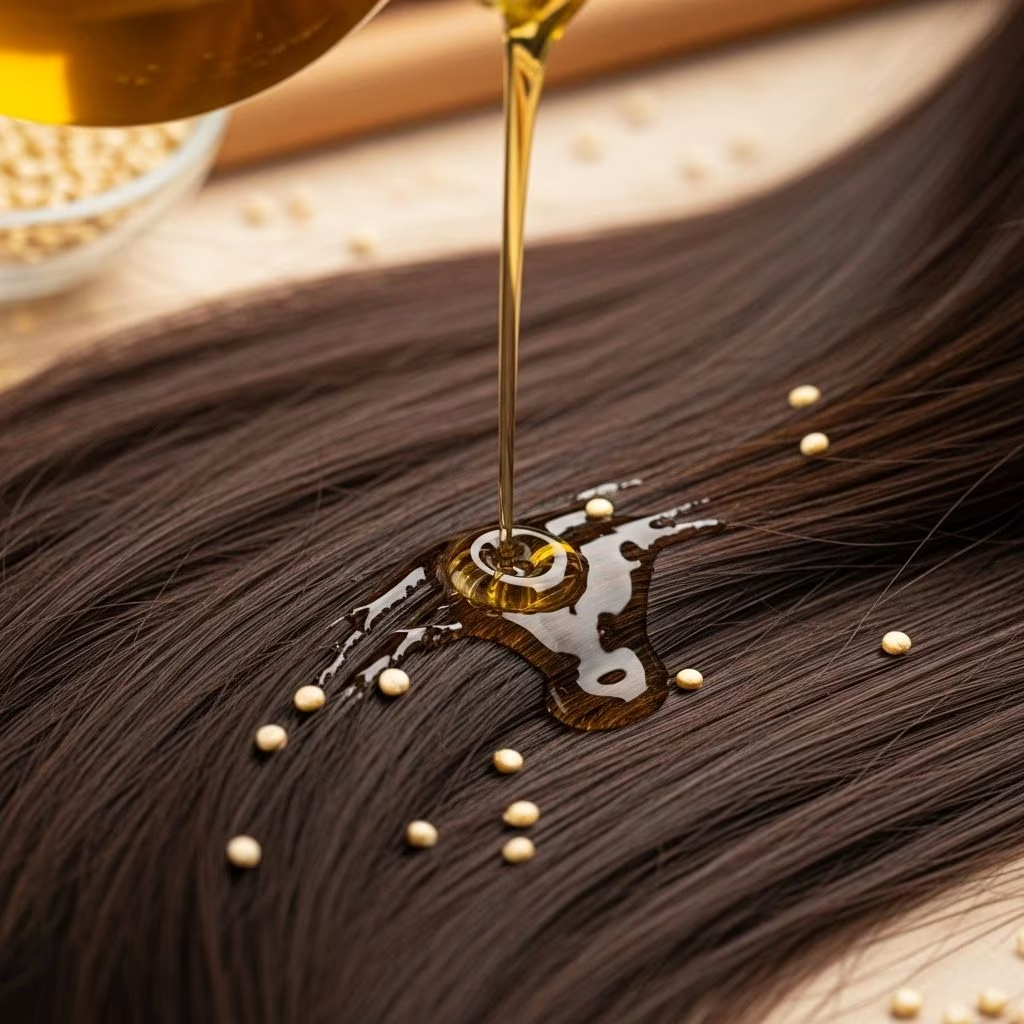
Quinoa oil, derived from the seeds of the Chenopodium quinoa plant, has surged in popularity as a natural ingredient for holistic hair care. Rich in complete proteins, vitamins, antioxidants, and essential fatty acids, quinoa oil delivers deep nourishment, strengthens hair fibers, and offers a host of protective properties. In this comprehensive guide, discover why quinoa oil is a prized hair elixir, its benefits for hair health, scientifically-informed usage, and actionable tips for every hair type.
What Is Quinoa Oil?
Quinoa oil is extracted mainly from the seeds of the quinoa plant, traditionally grown in the Andes. The seeds are cold-pressed to retain their natural nutrients, producing a lightweight yet nutrient-dense oil suitable for cosmetic and dietary use. Quinoa itself is a complete protein, containing all essential amino acids needed by the human body, making its oil a potent source of hair-loving nutrients, including:
- Amino acids: For protein synthesis and hair structure
- Vitamin E: For antioxidant protection
- B vitamins (especially B1, B2, B6): For scalp nourishment and hair growth
- Minerals (iron, zinc, magnesium): To promote healthy follicles and circulation
- Essential fatty acids: For improved elasticity and barrier protection
Why Is Quinoa Considered a Superfood for Hair?
Quinoa has earned its reputation as a superfood not only for nutrition but also for its potent effects on hair health. Scientific research and anecdotal observation suggest quinoa’s unique blend of proteins, antioxidants, minerals, and vitamins—many of which are crucial for strong, resilient hair.
- Complete protein profile: Quinoa contains all nine essential amino acids, crucial for synthesizing keratin, the structural protein in hair.
- Hydration and moisture retention: Carbohydrates in quinoa help seal moisture inside the hair shaft, reducing frizz and dryness.
- Rich in antioxidants and vitamins: Loads hair and scalp with vitamin E and B vitamins, which support repair and guard against oxidative stress.
- Minerals like zinc and iron: These contribute to robust follicle function and can help minimize shedding.
- Anti-inflammatory properties: Beneficial for soothing irritated or sensitive scalps and reducing issues like dandruff.
Key Benefits of Quinoa Oil for Hair
Quinoa oil benefits a wide variety of hair types and concerns. Below is a detailed breakdown of its key effects on hair health:
Strengthens Hair Structure
The amino acid-rich content of quinoa oil promotes the formation and repair of keratin bonds, strengthening individual hair shafts. This leads to less breakage, fewer split ends, and improved resilience, especially in hair damaged by heat, coloring, or environmental factors.
Boosts Hair Growth and Thickness
B vitamins and minerals such as iron increase oxygen and nutrient delivery to follicles, which may enhance hair growth and promote thicker, fuller strands. Improved scalp circulation creates a healthier environment for new hair to flourish.
Repairs Damaged Hair and Enhances Elasticity
Quinoa oil’s blend of proteins and fatty acids helps repair the cuticle layer, restoring elasticity and making hair less susceptible to damage from styling and chemical treatments. Regular use can revitalize lifeless, brittle, or overprocessed hair.
Hydrates and Locks in Moisture
The oil penetrates the hair shaft and scalp, delivering hydration where it’s needed most. Quinoa oil’s unique molecular structure allows it to lock in moisture, reducing frizz, making hair more manageable, and imparting a smoother look.
Soothes Scalp Irritation and Reduces Dandruff
With its anti-inflammatory effects, quinoa oil can calm dry, irritated, and flaky scalps. This supports a healthy foundation for hair growth and minimizes discomfort associated with common scalp conditions.
Protects Against Environmental Damage
Powerful antioxidants and natural saponins in quinoa oil shield hair from UV rays, pollution, and harsh weather. This not only preserves natural color (for dyed hair) but also enhances overall hair vitality.
Improves Shine and Luster
By smoothing the cuticle and sealing in hydration, quinoa oil imparts a noticeable sheen that reflects light. This creates a radiant, healthy appearance—an especially desired effect for dry, dull hair.
Controls Frizz and Static
Thanks to its hydrating, smoothing, and anti-static properties, quinoa oil helps tame frizz and flyaways, resulting in sleeker, more manageable hair across curly, wavy, or straight textures.
| Benefit | Description |
|---|---|
| Strengthens Hair | Reinforces keratin, reduces breakage |
| Boosts Growth | Delivers nutrients, enhances follicle activity |
| Repairs Damage | Restores elasticity, repairs cuticle |
| Hydrates | Locks in moisture, reduces frizz and dryness |
| Soothes Scalp | Calms irritation, helps dandruff |
| Protects from Damage | Guards against UV, pollution, oxidative stress |
| Enhances Shine | Smooths cuticle, reflects light |
| Controls Frizz | Improves manageability, tames static |
How to Use Quinoa Oil for Hair
Quinoa oil is gentle and versatile. It can be incorporated into various parts of your hair care routine depending on your specific needs.
Pre-Shampoo (Pre-Poo) Treatment
- Apply 1–2 tablespoons of quinoa oil to dry hair and scalp.
- Massage gently, ensuring full coverage.
- Leave on for 20–60 minutes; for deeper nourishment, cover with a towel and leave for several hours or overnight.
- Shampoo and condition as usual.
Leave-In Serum or Oil
- Dispense a few drops of quinoa oil into your palms.
- Rub hands together and distribute lightly through towel-dried or dry hair, focusing on mid-lengths and ends.
- Style as desired. Avoid applying excess product directly to the scalp unless addressing dryness or flaking.
As a Scalp Treatment
- Gently warm a small amount of quinoa oil between your hands.
- Massage into the scalp, using circular motions.
- Leave in for at least 30 minutes before cleansing; for persistent dryness or irritation, use 2–3 times per week.
In DIY Hair Masks
- Combine 1–2 teaspoons of quinoa oil with carriers like coconut oil, olive oil, or with mashed avocado, yogurt, or honey for enhanced hydration and nourishment.
- Apply the mask from root to tip; leave on for 30–60 minutes and rinse thoroughly.
In Commercial Products
- Look for shampoos, conditioners, and styling products with hydrolyzed quinoa protein or quinoa oil high in the ingredient list for optimal results.
- Use consistently—at least once or twice weekly—for cumulative benefits.
Tips for Maximizing Quinoa Oil’s Hair Benefits
- Always start with a small amount to avoid weighing hair down, especially if you have fine or oily hair.
- For damaged or color-treated hair, combine quinoa oil with other strengthening treatments (like protein masks or conditioners).
- Consider using a scalp massager or a wide-tooth comb after applying oil for more even distribution and enhanced absorption.
- Perform a patch test before use if you have sensitive skin or scalp to check for allergic reactions.
- Keep a regular schedule—using quinoa oil 1–3 times per week is usually sufficient for most hair types.
- Store quinoa oil in a cool, dark place to maintain freshness and nutritional potency.
- For added conditioning, wrap hair in a warm towel after application to help the oil penetrate more deeply.
Quinoa Oil vs. Other Popular Natural Oils
| Oil | Main Benefits | Best For |
|---|---|---|
| Quinoa Oil | Complete protein, strong antioxidant, lightweight hydration, strengthens, shine, soothes scalp | All hair types, especially damaged, dyed, or frizzy hair |
| Coconut Oil | Deep moisture, scalp antimicrobial, penetrates hair shaft well | Dry, thick, or curly hair; less suitable for fine hair |
| Argan Oil | Vitamin E, lightweight smoothing, tames frizz | All hair types, especially for shine and smoothness |
| Olive Oil | Deep nourishment, helps repair, rich in fatty acids | Very dry, damaged, or coarse hair; can be heavy |
| Jojoba Oil | Balances scalp oil production, non-comedogenic | Oily scalp, sensitive or balanced hair |
Compared to alternatives, quinoa oil offers a unique combination of both protein-based repair and lightweight moisture, making it a versatile option for diverse hair care needs.
Potential Side Effects and Safety
- Quinoa oil is generally regarded as safe for topical use for most hair and scalp types. Allergic reactions are rare but possible—always patch test before extended use.
- If you have allergies to plants in the Amaranthaceae family, consult a healthcare professional before use.
- Avoid excessive application, especially near the scalp for those with oil-prone or fine hair, as this may cause greasiness or buildup.
- If irritation, itching, or rash occurs, discontinue use immediately and seek medical advice.
Frequently Asked Questions (FAQs)
Q: Is quinoa oil safe for color-treated or chemically processed hair?
A: Yes, quinoa oil’s protective proteins and antioxidants can help repair and strengthen hair fibers, prolonging color vibrancy and reducing damage from chemical treatments.
Q: How often can I use quinoa oil on my hair?
A: Most hair types benefit from 1–3 applications per week, but very dry or damaged hair may require more frequent use.
Q: Will quinoa oil make my hair greasy?
A: When used sparingly and primarily on mid-lengths and ends, quinoa oil is lightweight and unlikely to cause greasiness. Adjust the amount based on your hair thickness and texture.
Q: Can quinoa oil help with dandruff or scalp issues?
A: Its anti-inflammatory and moisturizing properties make it effective for soothing flaky, irritated scalps and supporting overall scalp health.
Q: Can quinoa oil aid in hair growth?
A: By delivering essential amino acids, vitamins, and improving scalp circulation, quinoa oil creates a nourishing environment that can enhance hair growth when used consistently with other healthy hair practices.
Q: Is there a difference between quinoa oil and hydrolyzed quinoa protein in hair products?
A: Hydrolyzed quinoa protein is a water-soluble extract often used in shampoos and conditioners for its deep-penetrating strengthening effects, while quinoa oil focuses on hydration, shine, and protection. Both ingredients are beneficial and can complement each other in a hair care regimen.
Final Thoughts
Embracing quinoa oil in your hair care routine unlocks a wealth of benefits, from fortifying fragile strands to preserving shine and moisture. Backed by its complete nutritional profile and ease of use, quinoa oil stands out among natural oils for its ability to nourish, repair, and protect diverse hair types. Whether used as a stand-alone hair oil or as part of a targeted product regimen, quinoa oil offers the potential for hair that is not only beautiful but vibrantly healthy.
References
- https://www.janellebeauty.com/post/superfoods-and-their-role-in-hair-health
- https://biotopworld.us/blogs/bio-blog/the-wonders-of-quinoa
- https://idealofmed.com/guides/hair-superfoods-10-reasons-why-you-should-eat-quinoa/
- https://www.clinikally.com/blogs/news/quinoa-protein-the-natural-elixir-for-hair-resilience-and-radiance
- https://pmc.ncbi.nlm.nih.gov/articles/PMC4957693/
- https://www.ijsdr.org/papers/IJSDR1905079.pdf
- https://caringsunshine.com/relationships/relationship-hair-and-quinoa-protein/
- https://www.birdsofparadyes.com/blogs/blog/7-benefits-of-flax-seed-quinoa-protein-for-your-hair


