


Jambolan (Jamun): Origins, Benefits, Culinary Uses, and Flavor Profile
Jamun, also known as jambolan, java plum, jambul, or Syzygium cumini, is a tropical fruit celebrated for its nutritional value, medicinal properties, and distinctive taste. Native to the Indian subcontinent, jamun holds a significant place in traditional diets, folklore, and medicine throughout South and Southeast Asia.
Introduction
Jambolan (Jamun) is a fruit-bearing tree from the Myrtaceae family, often found in India, Bangladesh, Nepal, Sri Lanka, Indonesia, and tropical regions worldwide. Its fruits, with dark purple to black hues, have long been utilized for eating, medicine, and religious rituals.
Origin and Botanical Overview
Jamun trees are botanically named Syzygium cumini. They are native to the Indian subcontinent and thrive in tropical and subtropical climates. The tree can grow up to 30 meters tall and live over 100 years. In southern Asia, jamun is venerated by Buddhists and Hindus, frequently planted near temples and revered for centuries for both its fruit and wood.
- Lifespan: Can live over a century.
- Height: Up to 30 meters tall.
- Family: Myrtaceae.
- Distribution: Native to India, Burma, Ceylon; naturalized in Southeast Asia and parts of Africa.
Physical Appearance and Characteristics
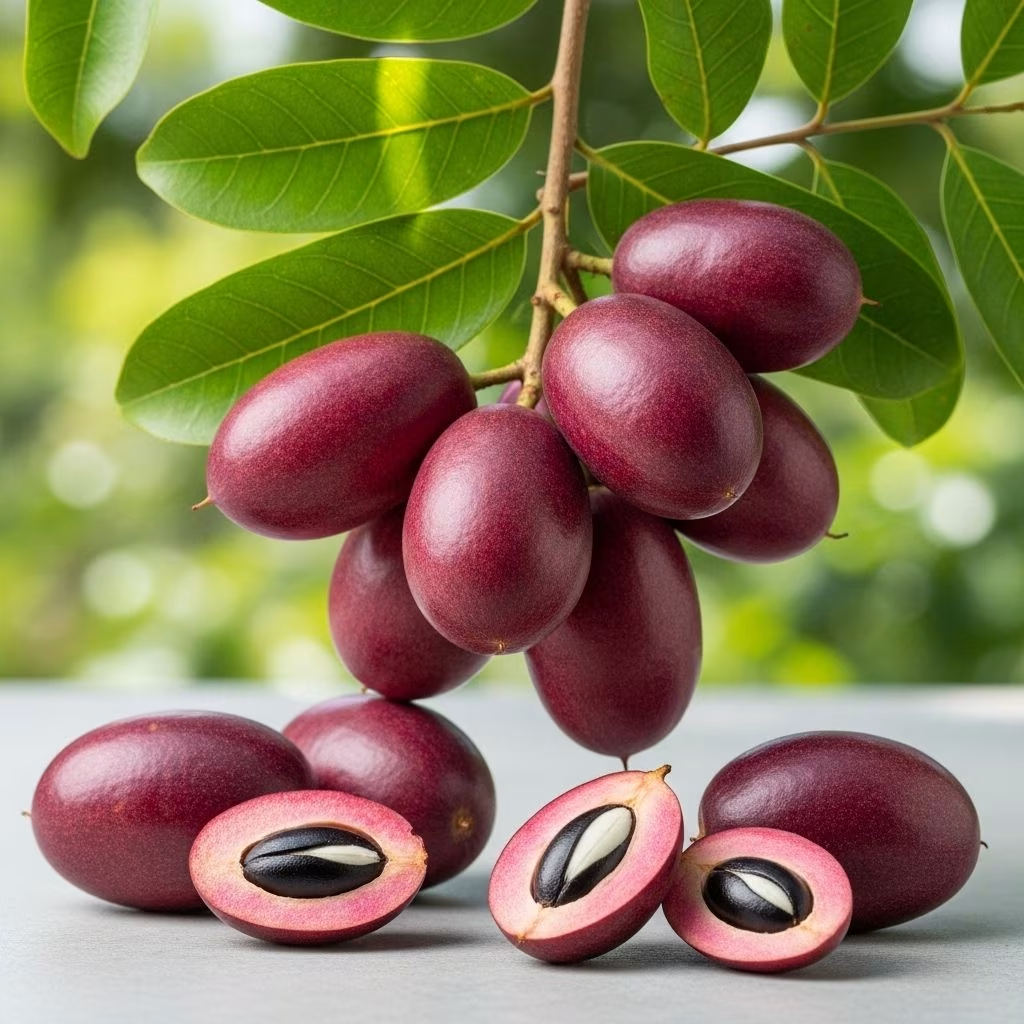
The jamun fruit is small, oblong or ovoid, ranging from 1 to 5 centimeters in length. Its thin, glossy skin transitions from green (unripe) to dark purple or nearly black (fully ripe). The flesh inside is soft, juicy, and can be pinkish-white to purple. Each berry generally encloses a hard seed, which should not be consumed.
- Shape: Oblong, oval or curved berries.
- Skin: Smooth, taut, and glossy; color evolution from green to pink/red, then deep purple/black.
- Flesh: Succulent, pink to white, encloses one hard seed.
- Clusters: Fruit grows in small clusters, each with 10–40 berries.
| Feature | Description |
|---|---|
| Average Length | 1–5 cm |
| Skin Color | Green (unripe) to deep purple/black (ripe) |
| Flesh Color | Pink to white or purple |
| Seed | Hard, green or purple; must be discarded |
| Cluster Size | 10–40 fruits per cluster |
Nutritional Value
Jamun is considered a low-calorie fruit, rich in several important nutrients. It contains simple sugars, dietary fiber, minerals, and vitamins essential for health.
- Calories: Relatively low per serving.
- Vitamin C: Significant antioxidant content.
- Iron: Notable mineral, especially beneficial for blood health.
- Potassium and Magnesium: Important for cardiovascular and muscle health.
- Fiber: Supports digestion.
- Other phytochemicals: Anthocyanins, flavonoids, polyphenols, and triterpenoids.
Taste Profile
The taste of jamun is one of its defining characteristics. Its flavor is described as subtly sweet, tart, and sour, followed by a distinctive astringent aftertaste. The intensity of sweetness and sourness can vary between individual fruits and varieties. One notable aspect is its juice stains the lips and mouth purple for several hours after eating.
- Sweetness: Varies by variety and ripeness.
- Tartness: Notable, adds a refreshing quality.
- Astringency: Strong aftertaste, may be unpalatable for some.
- Sensory experience: Refreshing, sometimes puckering or drying due to astringence.
Tip: The taste can be improved by chilling the fruit or sprinkling with a bit of salt.
Common Varieties
- Ra Jaman: Large, oblong fruits with dark purple to blue skin, pink sweet pulp, and small seeds.
- Kaatha: Smaller, acidic fruits prized for pickling and preserves.
- Seedless or multi-seeded types: Found in some regions for easier consumption.
- White-fruited form: Rare, mainly reported from Indonesia.
Health Benefits
Jamun is renowned in Ayurveda and other traditional medicines for its therapeutic potential. Modern research has confirmed several health advantages.
- Controls Blood Sugar: Jamun seeds and pulp contain jamboline and jambosine, compounds shown to help regulate blood sugar levels. Thus, jamun is considered beneficial for diabetics.
- Antioxidant Activity: Rich in vitamin C and anthocyanins, jamun fights free radicals and helps delay signs of aging.
- Digestive Health: Jamun is used to treat digestive disorders due to its astringency and high fiber content. It can help alleviate diarrhea and dysentery.
- Liver Protection: Some studies suggest jamun’s bioactive compounds protect liver cells and improve liver function.
- Cardiovascular Support: Potassium, magnesium, and antioxidants in jamun help maintain healthy blood pressure and reduce heart-risk factors.
- Immunity Boost: Jamun’s vitamins and polyphenols help strengthen the immune system.
- Weight Management: Low in calories and high in fiber, jamun supports satiety and healthy weight loss.
- Oral Health: Traditionally used to treat sore throat, gums, and mouth ulcers due to its antimicrobial and astringent properties.
- Skin Health: High antioxidants promote healthy, glowing skin and may reduce acne and pigmentation.
Culinary Uses
Jamun is consumed in diverse ways, both fresh and processed. The fruit is highly perishable and must be eaten or preserved quickly after harvest.
- Fresh eating: Most popular; jamun is washed and eaten raw during its summer season, often seasoned with salt or spices.
- Juices and drinks: Jamun juice is widely consumed, valued for its cooling effect and potential anti-diabetic properties.
- Jams, preserves, and jellies: The tart-sweet flavor of jamun is well-suited for making jams and preserves, sometimes blended with sugar or lemon.
- Chutneys and sauces: Jamun can be cooked into tangy chutneys or sauces, often paired with spicy dishes.
- Wine and vinegar: Fermentation of jamun yields flavorful fruit wines and vinegars.
- Desserts: Used in ice creams, sorbets, and syrups.
- Traditional Remedies: Seeds are dried, powdered, and used for diabetes management in traditional medicine.
Note: Jamun stains lips and mouth; consumers are advised to expect a temporary purple tint after eating.
Cultural and Religious Significance
The jamun tree enjoys revered status in Hindu and Buddhist cultures. It is commonly planted near temples and considered sacred, especially to Lord Krishna and the elephant-god Ganesha. Fruit and leaves often feature in worship ceremonies, reflecting the tree’s auspicious symbolism.
Harvesting and Storage
- Harvesting: Jamun fruits are hand-picked or shaken from branches onto collecting sheets. As ripening within clusters varies, several pickings are needed each season.
- Seasonality: Produced almost year-round in tropical areas, but peak availability is during the summer months.
- Post-harvest: Jamun is highly perishable, lasting 1–2 days at ambient temperature. For longer storage, precooled fruits packed in perforated polythene bags maintain quality for up to 3 weeks at 8–10°C and 85–95% humidity.
- Ripening: Jamun is a non-climacteric fruit and does not ripen further after harvest.
Potential Side Effects and Contraindications
- Excessive consumption may cause constipation due to high tannin content.
- Juice may cause temporary staining of lips and mouth.
- In rare cases, people allergic to jamun should avoid it.
- Pregnant and lactating women should use jamun medicinal preparations with medical supervision.
Frequently Asked Questions (FAQ)
Q: What is the best way to eat jamun?
A: Jamun is best enjoyed fresh, washed and consumed in its peak season. Chilling the fruit and adding salt enhances the taste.
Q: Is jamun beneficial for diabetics?
A: Yes, both the fruit and seeds of jamun are known to help maintain stable blood sugar levels due to the presence of various phytochemicals.
Q: Why does jamun stain the mouth?
A: The purple pigments (anthocyanins) in jamun juice readily stain skin and mucous membranes, causing a temporary purple hue often lasting several hours.
Q: Can jamun be stored for long periods?
A: Jamun is highly perishable and lasts only 1–2 days at room temperature. For longer storage, refrigerate in perforated bags at controlled humidity.
Q: Are jamun seeds edible?
A: Jamun seeds are not typically eaten raw, but are dried, powdered, and used medicinally for diabetes. The hard seed inside the berry should be discarded when eating fresh fruit.
Conclusion
Jamun (jambolan) is more than just a fruit—it is a symbol of health, tradition, and cultural reverence across Asia. Its unique blend of sweet, tart, and astringent flavors, paired with scientifically recognized health benefits, make it a prized seasonal delight. Whether eaten fresh, juiced, or transformed into jams and desserts, jamun’s purple blush and robust phytochemical profile continue to inspire culinary ingenuity and holistic wellness practices worldwide.
References
- https://specialtyproduce.com/produce/Jamun_10843.php
- https://www.growables.org/information/TropicalFruit/Jambolan.htm
- https://plantogram.com/product/jamun-jambolan-plum/more-info/
- https://www.planetayurveda.com/library/jamun-syzygium-cumini/
- https://pharmeasy.in/blog/jamun-java-plum-uses-benefits-side-effects/
- https://macclite.com/blogs/health-life-macclite/java-plum-benefits-uses-and-important-facts
- https://manoa.hawaii.edu/ctahr/pacificfoodguide/index.php/grown-from-the-ground/jambolan/


