


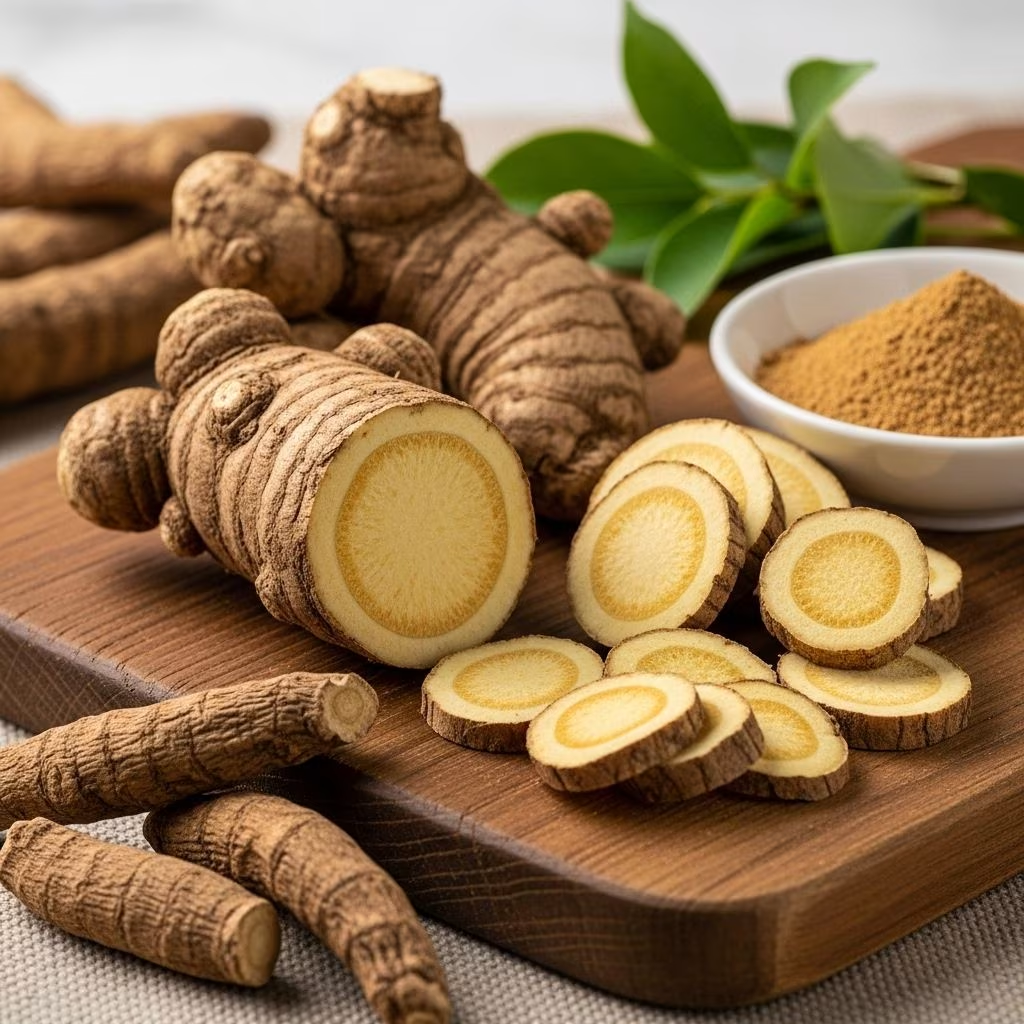
The roots of Jateorhiza palmata, commonly known as calumba or colombo, have held a prominent place in traditional medicine for centuries. This article delves into what Jateorhiza root is, its historical context, health benefits, medicinal uses, taste, how to use it safely, and answers to frequently asked questions.
What Is Jateorhiza Root?
Jateorhiza root, scientifically known as Jateorhiza palmata, is the root of a climbing vine native to East Africa, especially regions like Tanzania and Mozambique. It is often referred to as calumba or colombo in herbal medicine circles. The root has been valued for its medicinal properties, particularly as a digestive tonic and bitter agent.
Botanical Background
Jateorhiza palmata belongs to the Menispermaceae family. The plant’s root is the primary part used medicinally and is known for its intensely bitter taste. The root contains several alkaloids, including columbamine, jateorhizine, and palmatine, which are closely related to berberine, as well as a colorless crystalline principle called columbine, starch, and mucilage. These compounds contribute to its pharmacological effects.
Historical Uses
The use of Jateorhiza root dates back centuries in East Africa, where it was traditionally employed as a remedy for digestive ailments such as diarrhea, dysentery, and stomach pain. In some communities, it was also used to treat snakebites and as a vermifuge (worm expeller). The root was exported to Europe and used in various herbal mixtures for digestive health.
- Africa: Used as a digestive tonic, for dysentery, diarrhea, and as a topical treatment for abscesses.
- India: Employed as a bitter tonic with anthelmintic (anti-parasitic) and antipyretic (fever-reducing) properties, and for gastric irritability.
- Europe: Incorporated into herbal purgative mixtures and bitters.
- United States and Italy: Added to herbal bitters for digestive support.
Health Benefits
Jateorhiza root is primarily valued for its effects on the digestive system. Its health benefits are largely attributed to its bitter principles, which stimulate digestive secretions and appetite.
- Digestive Tonic: The root is considered a pure bitter tonic, meaning it stimulates digestion without causing astringency or irritation. It is especially useful for individuals with weak or underactive digestion.
- Appetite Stimulant: Calumba is known to increase appetite, making it beneficial for conditions like anorexia nervosa and general lack of appetite.
- Relief from Indigestion: It helps ease indigestion (dyspepsia), particularly when caused by insufficient digestive secretions or low stomach acid.
- Anti-diarrheal and Anti-dysenteric: Traditionally used to treat diarrhea and dysentery, likely due to its ability to increase stomach acidity, creating an environment less hospitable to pathogens.
- Relief from Morning Sickness: In some traditions, small doses have been used to alleviate nausea during pregnancy, though caution is advised due to limited safety data.
- Other Uses: Some historical texts mention its use in cases of chronic fatigue related to low stomach acid, as well as for supportive treatment during convalescence from febrile diseases.
| Condition | Potential Benefit of Jateorhiza Root |
|---|---|
| Weak digestion | Stimulates digestive secretions, improves appetite |
| Indigestion (dyspepsia) | Relieves symptoms, especially when linked to low stomach acid |
| Diarrhea and dysentery | Traditionally used to manage symptoms |
| Loss of appetite | Acts as an appetite stimulant |
| Morning sickness | Small doses historically used, but caution advised |
Medicinal Uses
Jateorhiza root is used medicinally in various forms, including powders, infusions, tinctures, and as part of herbal mixtures. Its primary indications include:
- Enfeebled Stomach: For those with weak or sluggish digestion, calumba can help restore digestive function.
- Chronic Diarrhea and Dysentery: Its bitter action helps manage chronic intestinal disorders.
- Convalescence: Useful during recovery from febrile or inflammatory diseases, providing a gentle tonic effect.
- Sympathetic Vomiting: Effective for vomiting not caused by gastritis, such as during pregnancy.
- Muscular Debility in Children: Has been used to support strength in young children with general weakness.
Taste and Texture
Jateorhiza root is renowned for its intensely bitter flavor, which is central to its therapeutic action as a digestive stimulant. The texture of the root is described as soft and slippery. Unlike some other bitter herbs, calumba does not typically cause nausea, headache, or feverishness, making it a preferred choice for individuals sensitive to strong remedies. The bitterness is due to the presence of alkaloids such as columbamine, jateorhizine, and palmatine.
How to Use Jateorhiza Root
Jateorhiza root can be prepared and used in several ways, depending on the desired effect and tradition. Common preparations include:
- Powdered Root: The dried root can be ground into a powder and taken in small doses.
- Infusion: A cold infusion is often recommended to preserve the root’s medicinal properties.
- Tincture: An alcoholic extract of the root is used for its concentrated bitter principles.
- Herbal Mixtures: Often combined with other digestive herbs, such as ginger or senna, for enhanced effects.
For general digestive support, the root is typically taken before meals to stimulate appetite and digestive secretions.
Dosage and Preparations
Dosage recommendations for Jateorhiza root vary depending on the preparation and intended use:
- Powder: 10 to 30 grains (approximately 0.65 to 2 grams), 3 to 4 times daily.
- Infusion: 1 to 2 fluid ounces (30 to 60 ml), taken as needed.
- Tincture: 1 to 2 fluid drachms (3.7 to 7.4 ml), 3 to 5 times daily.
- Specific Calumba: 5 to 30 drops, 3 to 5 times daily.
- Colombin (a constituent): 0.75 to 2.5 grains daily for dyspepsia.
It is important to note that these dosages are based on historical and traditional use. Clinical evidence is limited, and it is advisable to consult a healthcare provider before starting any new herbal regimen.
Safety and Side Effects
While Jateorhiza root is generally considered safe when used in moderate amounts, there are important precautions to consider:
- Lack of Safety Data: There is insufficient information to confirm the safety of Jateorhiza root for all populations.
- Large Doses: Excessive consumption may cause vomiting, stomach pain, and, in severe cases, paralysis and unconsciousness.
- Pregnancy and Breastfeeding: There is not enough reliable information to recommend its use during pregnancy or breastfeeding. It is best to avoid use during these periods unless under professional supervision.
- Drug Interactions: There is limited information on potential interactions with pharmaceuticals. Caution is advised for individuals taking other medications.
Frequently Asked Questions (FAQs)
Q: What is Jateorhiza root used for?
A: Jateorhiza root is primarily used as a digestive tonic to stimulate appetite, improve digestion, and relieve indigestion, diarrhea, and dysentery. It is also used as a bitter agent in herbal mixtures.
Q: What does Jateorhiza root taste like?
A: The root has an intensely bitter flavor, which is central to its therapeutic effects. Its texture is soft and slippery.
Q: Is Jateorhiza root safe to use?
A: In moderate amounts, Jateorhiza root is generally safe for most people. However, large doses can cause side effects such as vomiting and stomach pain, and there is insufficient safety data for pregnant or breastfeeding women.
Q: How is Jateorhiza root prepared and taken?
A: It can be used as a powder, infusion, tincture, or as part of herbal mixtures. It is usually taken before meals to stimulate digestion.
Q: Can Jateorhiza root help with appetite loss?
A: Yes, it is traditionally used as an appetite stimulant, particularly for conditions like anorexia nervosa and general loss of appetite.
Q: Are there any precautions for using Jateorhiza root?
A: Pregnant and breastfeeding women should avoid use due to lack of safety data. Large doses should be avoided, and consult a healthcare provider before use.
Conclusion
Jateorhiza root, or calumba, is a traditional herbal remedy prized for its intensely bitter taste and ability to stimulate digestion, increase appetite, and relieve various digestive complaints. While its use is rooted in centuries of traditional practice, modern evidence remains limited, and caution is advised, especially in vulnerable populations. As with any herbal remedy, consulting a healthcare professional is recommended before use.
References
- https://www.rxlist.com/supplements/colombo.htm
- https://www.herbs2000.com/herbs/herbs_calumba.htm
- https://www.henriettes-herb.com/eclectic/kings/jateorhiza-palm.html
- https://www.botanical.com/botanical/mgmh/c/calumb10.html
- https://www.webmd.com/vitamins/ai/ingredientmono-410/calumba
- https://tropical.theferns.info/viewtropical.php?id=Jateorhiza+palmata


